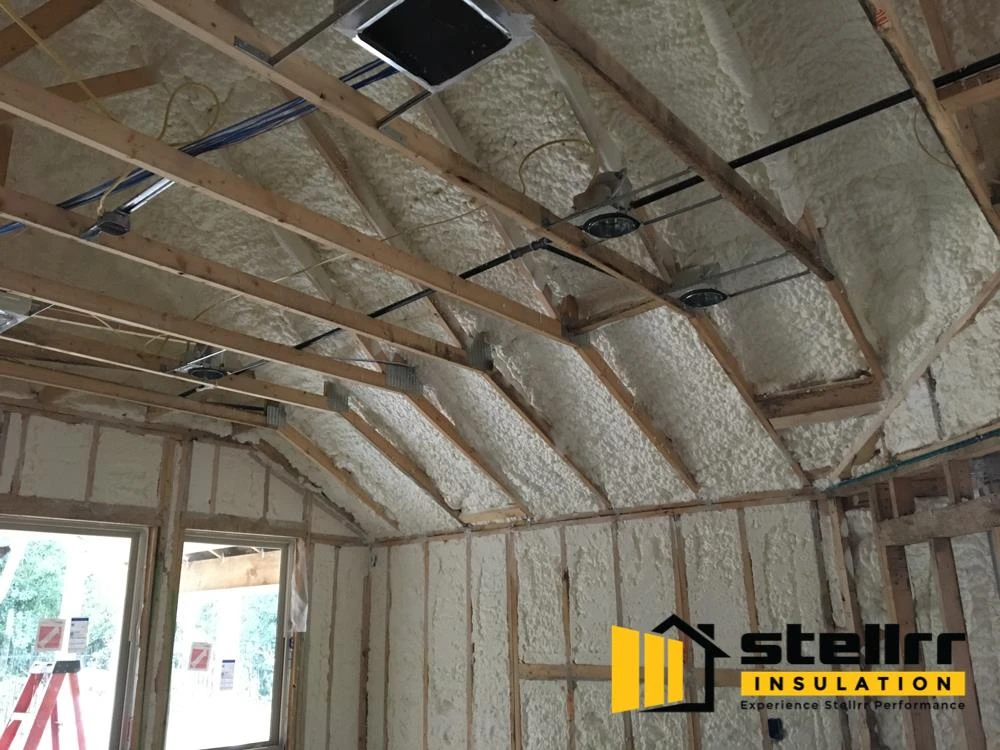
Which Areas of a Home Benefit Most from Insulation in Austin, TX?
The attic, walls, and crawl space provide the highest return on investment for insulation in Austin homes. These three areas alone account for approximately 80% of heat loss and gain


The attic, walls, and crawl space provide the highest return on investment for insulation in Austin homes. These three areas alone account for approximately 80% of heat loss and gain
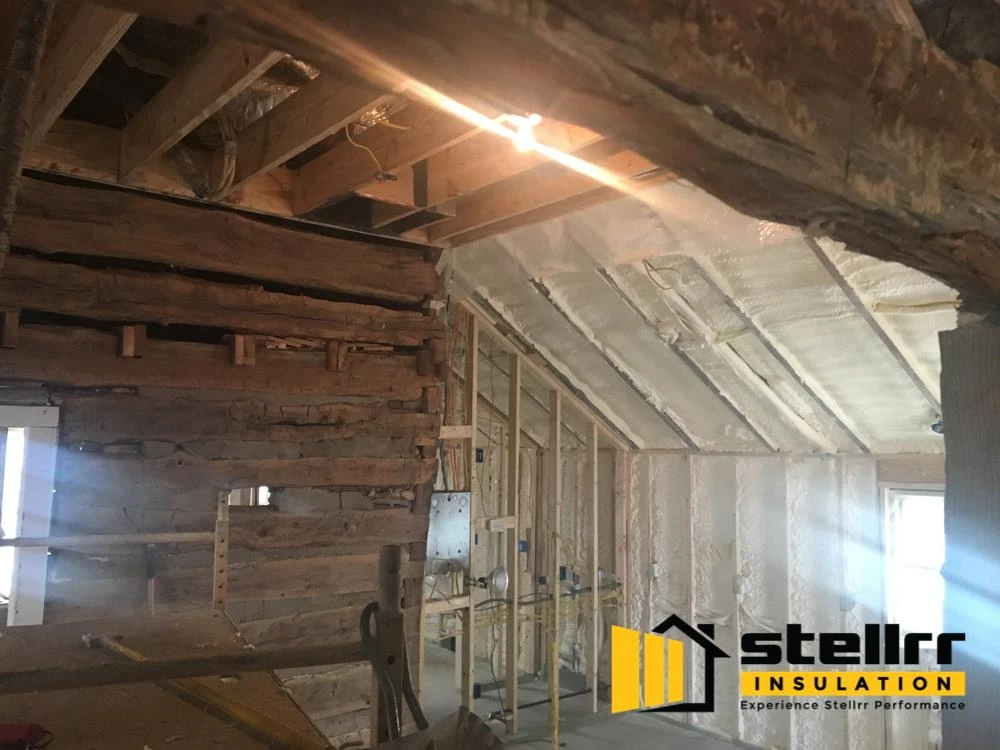
Residential insulation solutions directly reduce dust, pollen, and air leaks by creating a continuous barrier that blocks airborne particles from entering living spaces. When properly installed, insulation seals gaps, cracks,
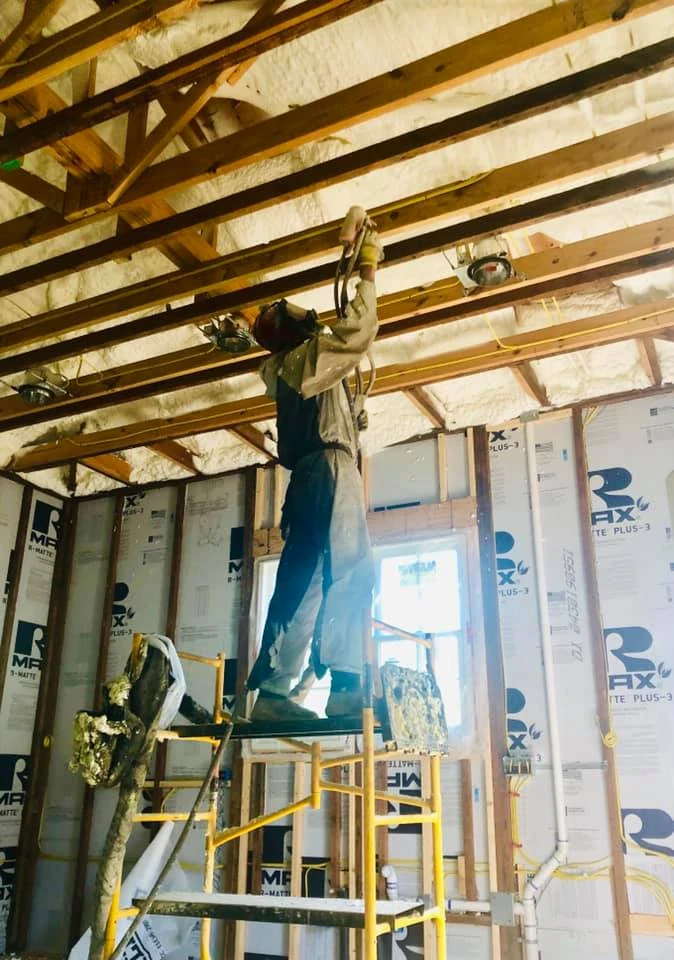
Residential insulation provides significant soundproofing benefits by reducing airborne and impact noise transmission between rooms and from outside sources. The material acts as a barrier that absorbs sound waves, preventing
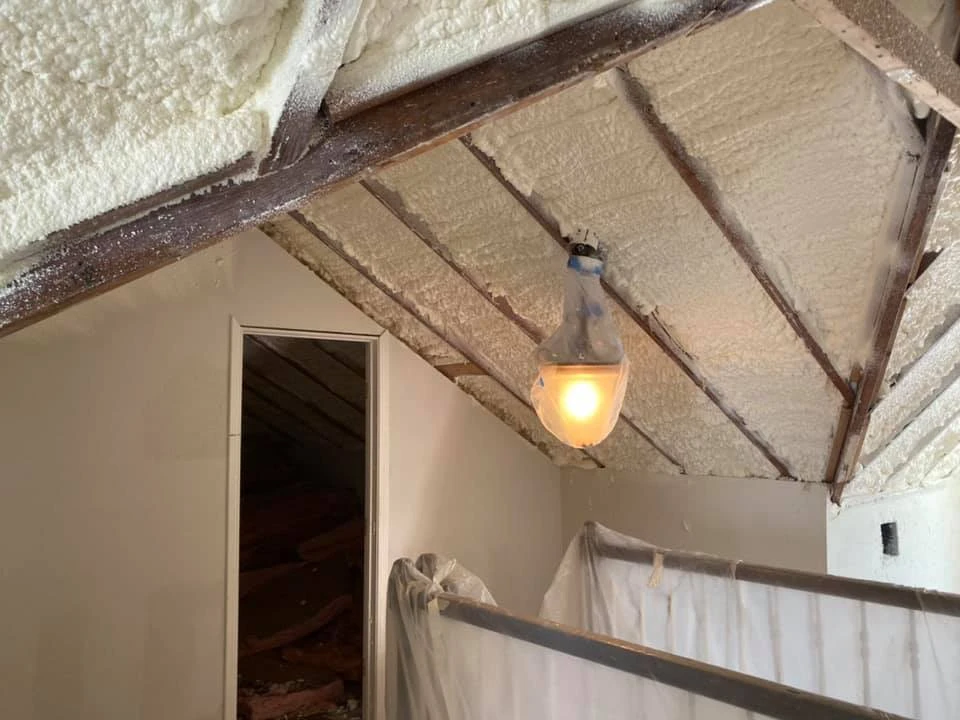
Regular residential insulation maintenance keeps Austin homes energy efficient and comfortable throughout the year. Homeowners should inspect insulation twice annually, check for moisture damage, seal air leaks, and ensure proper
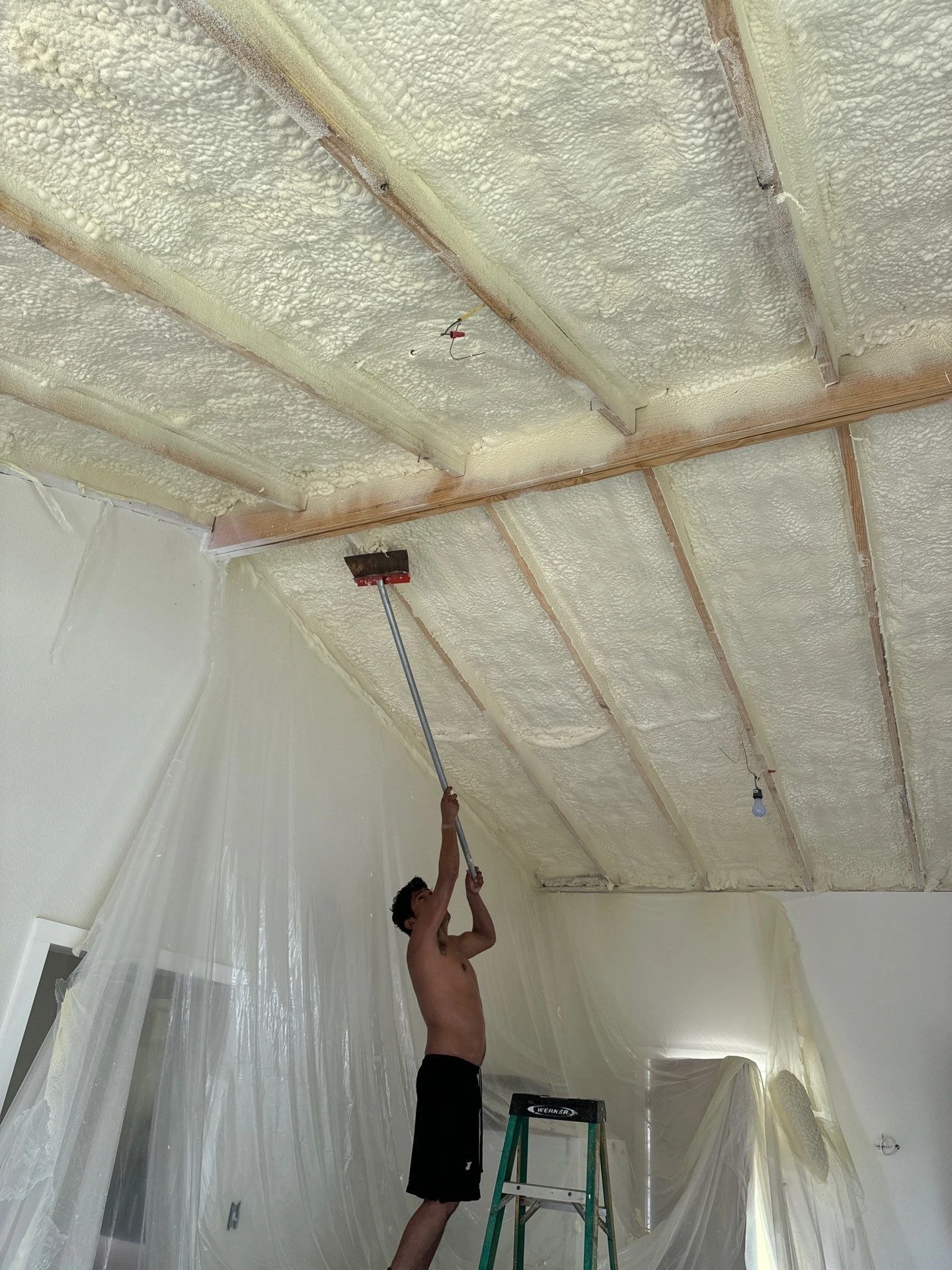
Insulation matters most in your attic, walls, and crawl spaces areas where heat transfer occurs most frequently and where proper insulation installation can reduce energy costs by up to 20%.
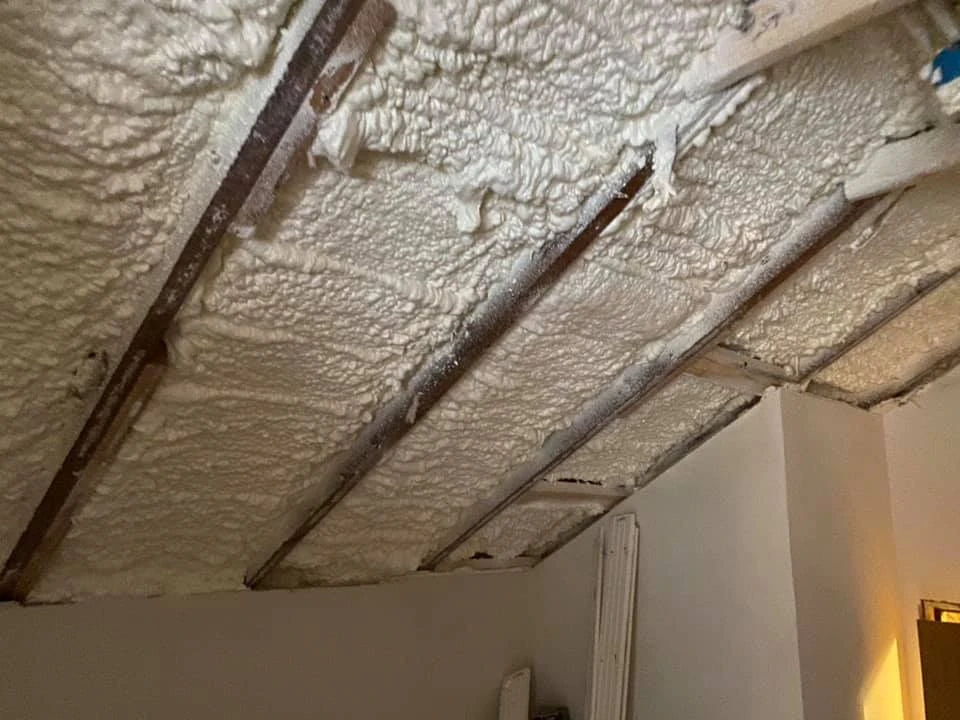
The recommended R-values for residential homes vary significantly by climate zone, ranging from R-13 to R-60 depending on location and specific building components. Homes in colder northern regions require substantially
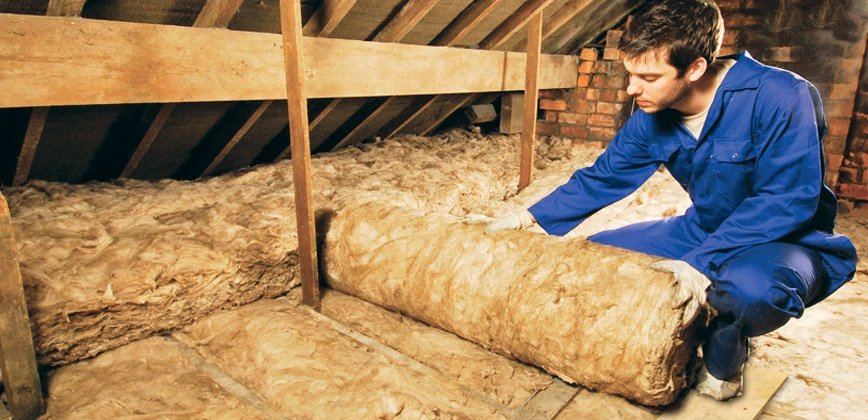
When you receive that monthly energy bill, do you ever wonder where all that money is going? For many homeowners, a significant portion of their energy costs literally flies out
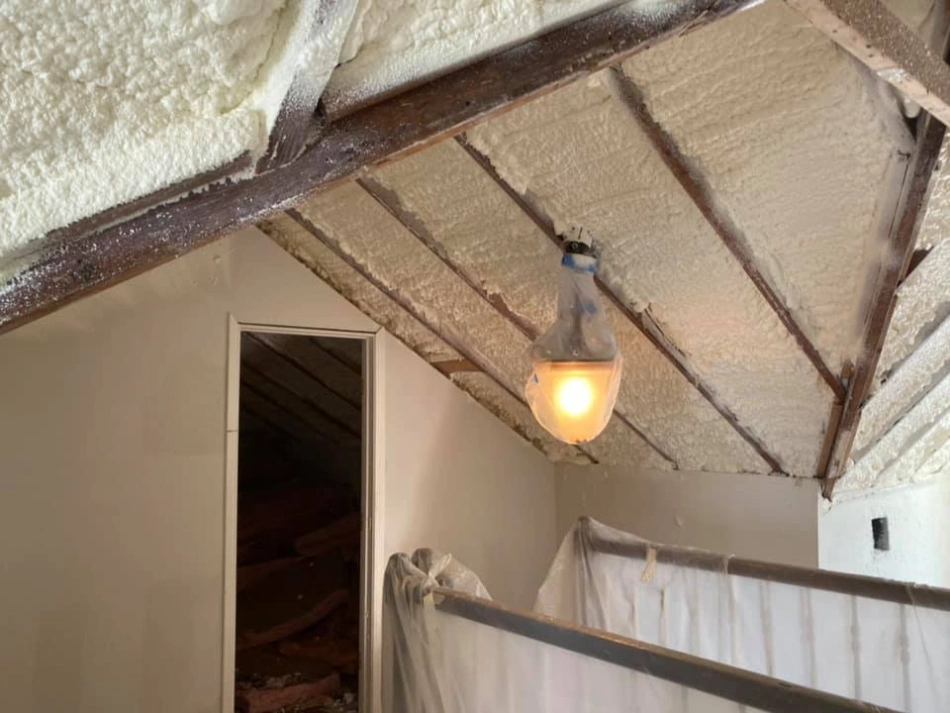
Band joists, rim joists, knee walls, and cantilevered floors represent the most commonly overlooked residential spaces for spray foam application. These areas create significant thermal bridges and air leakage points
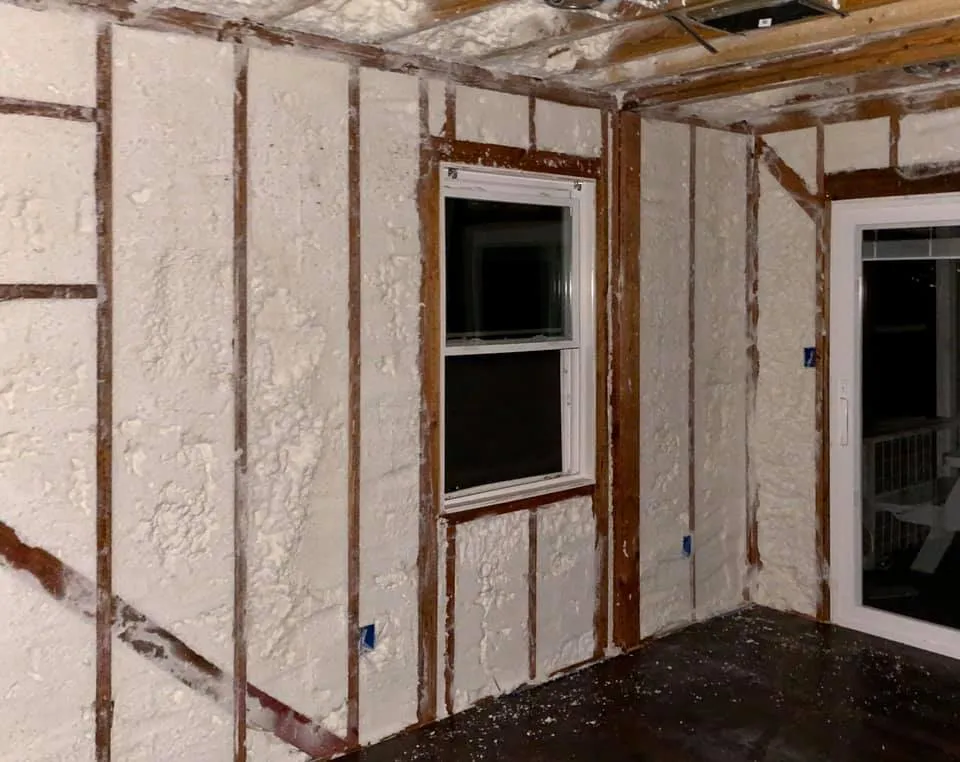
Residential spray foam insulation involves chemical reactions that release gases during application. Improper handling, poor ventilation, or lack of curing time can expose occupants and installers to respiratory and skin
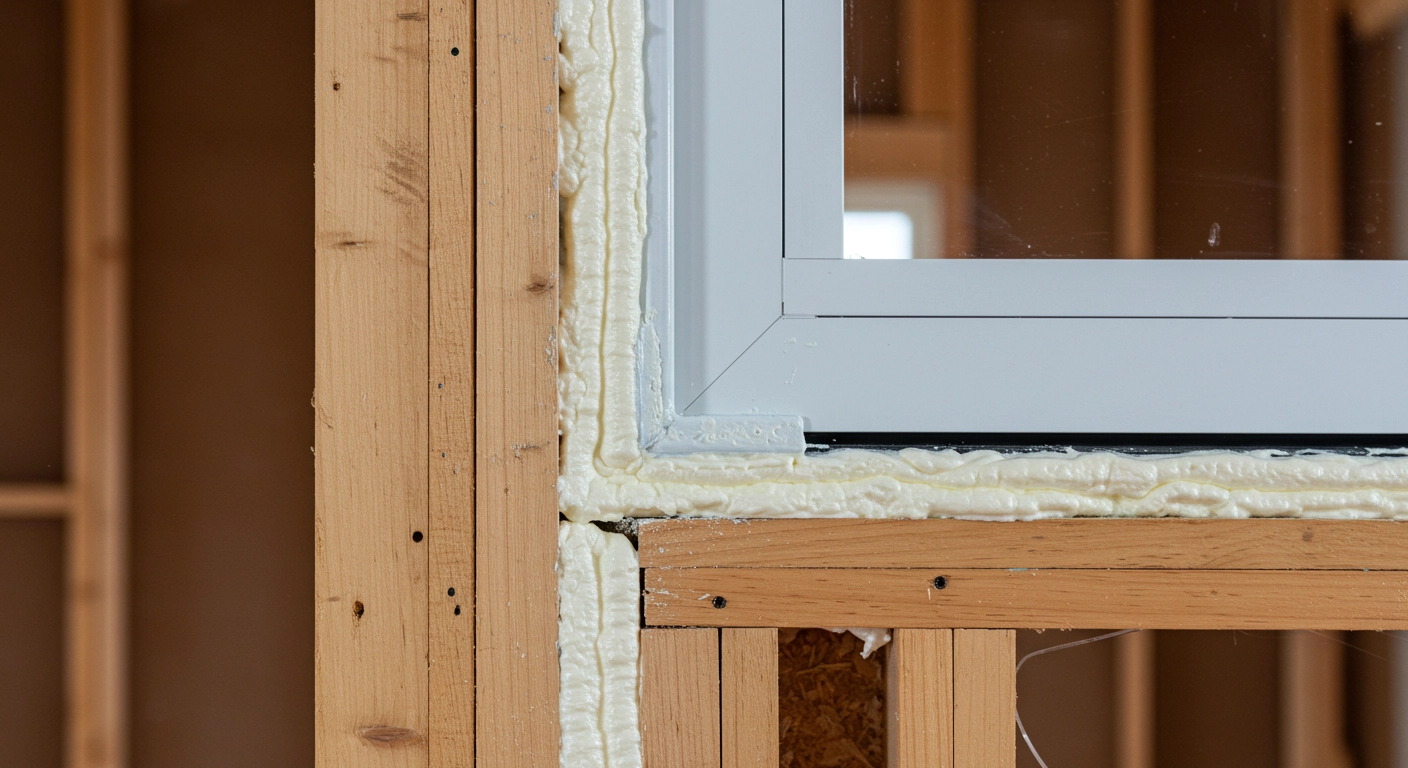
Air sealing and insulation serve distinct but interdependent purposes. Home insulation resists heat transfer, while air sealing blocks uncontrolled airflow. Without air sealing, insulation performance drops due to convective heat
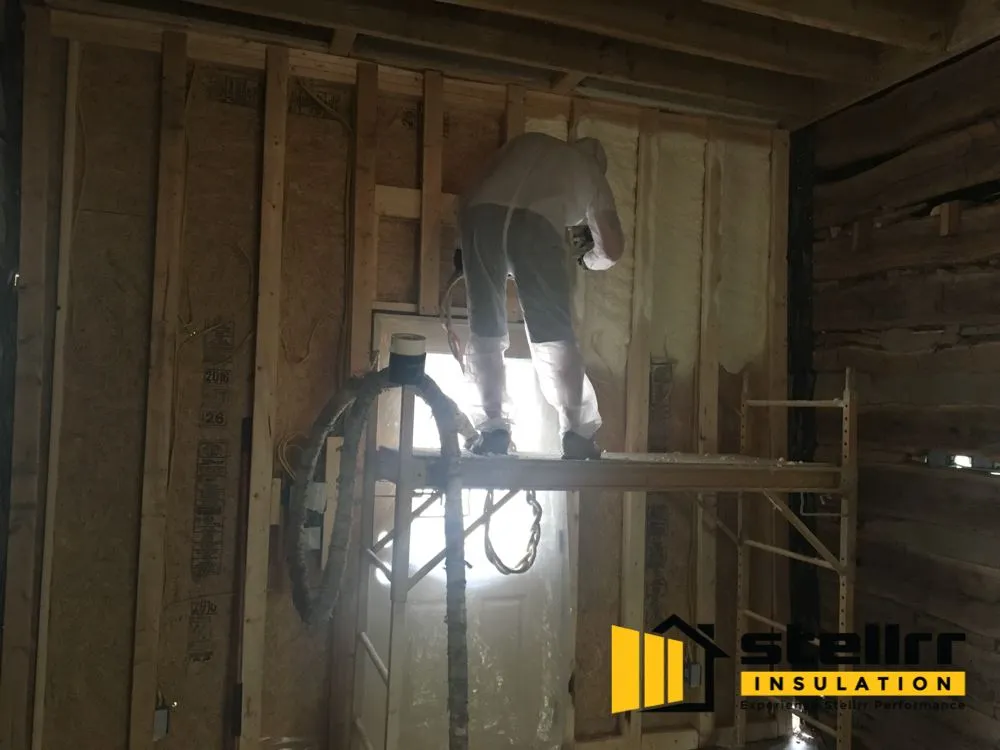
Choosing insulation with low embodied carbon and high energy efficiency delivers the largest reduction in a home’s carbon footprint. Cellulose insulation ranks highest in carbon savings due to its recycled
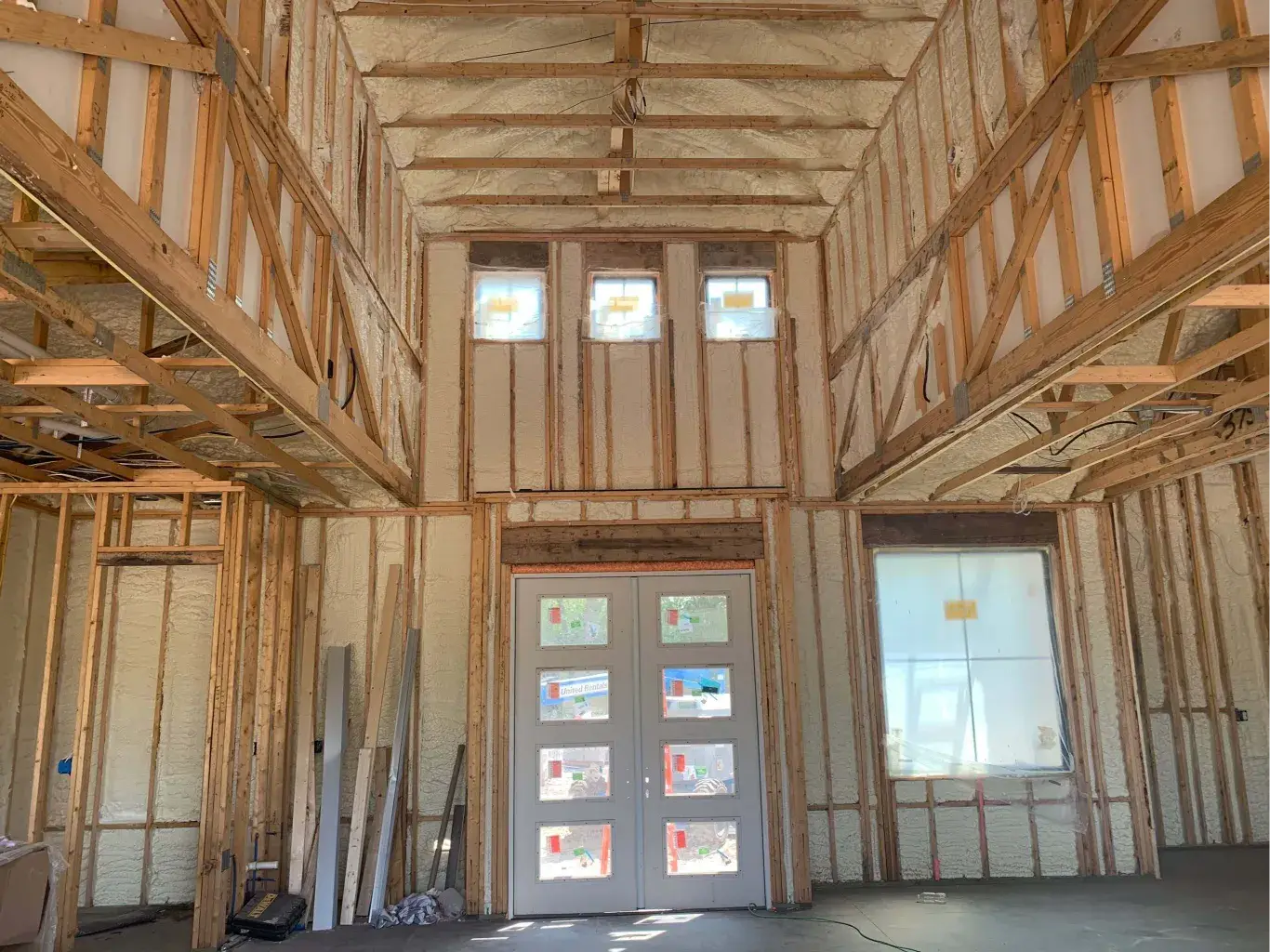
Residential insulation plays a key role in maintaining comfortable indoor temperatures, reducing energy bills, and improving overall air quality. While some homeowners may consider insulation a straightforward DIY project, the