
For homeowners in Taylor, TX, closed-cell spray foam is generally the superior choice for overall performance and moisture management, while open-cell foam is a cost-effective alternative for interior sound dampening and for budgetary constraints. The intense heat and high humidity typical of Williamson County create a hostile environment for building envelopes, making the decision between these two materials a matter of long-term home preservation rather than just simple insulation. Selecting the right material requires understanding how the local climate interacts with building science.
This guide breaks down the technical differences, examines the specific demands of the Taylor climate, and provides the necessary data to make an informed choice. Stelller has extensive experience insulating homes across Central Texas, witnessing firsthand how different materials perform during our scorching summers and occasional ice storms.
Understanding the Two Types of Spray Foam
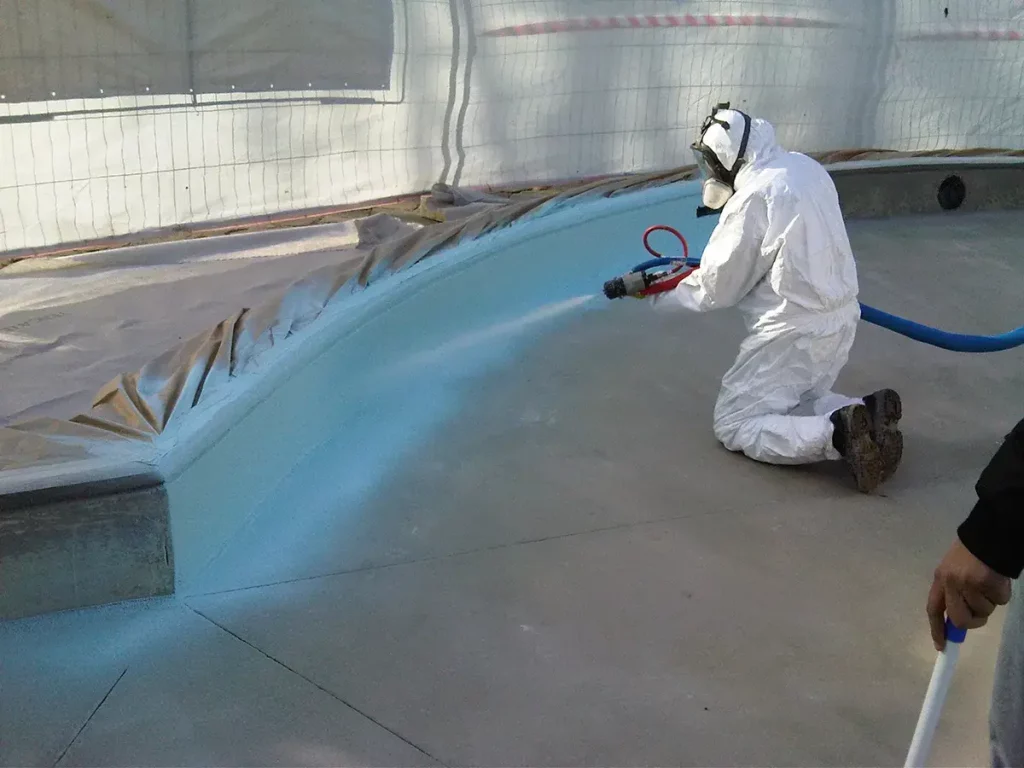
Spray foam insulation in Taylor, TX acts as an air seal and an insulator, but the chemistry behind the two options differs significantly.
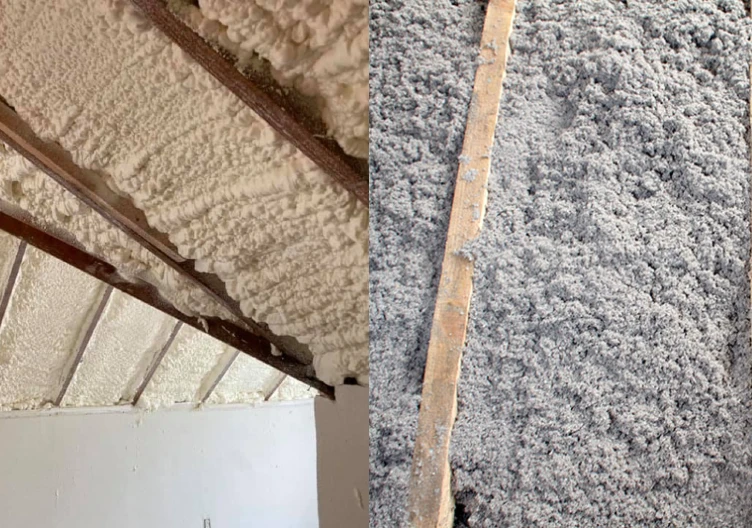
Open-cell foam is soft and sponge-like. Its cells are not completely closed, allowing air to fill the material’s internal space. This characteristic gives it a lower density and makes it much more flexible. It expands significantly when applied, effectively filling irregular cavities.
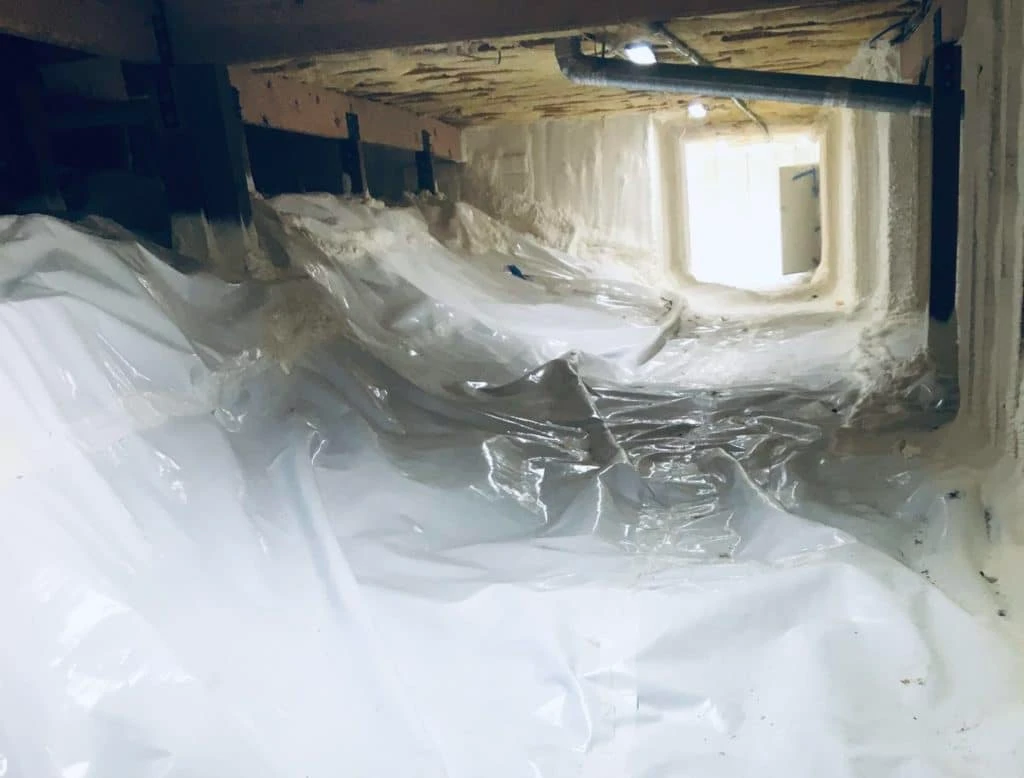
Closed-cell foam is rigid and dense. The cells are pressed together so tightly that air and moisture cannot penetrate them. This density gives the material structural strength and creates a vapor barrier. It does not expand as much as open-cell foam, meaning it takes less volume to achieve the same thermal resistance.
The Taylor Climate Factor
Taylor sits in a hot-humid climate zone. This classification drives the decision-making process more than any other factor. In this region, the primary goal is to keep the intense heat out while managing the moisture that tries to push its way into the home.
Moisture is the biggest enemy of insulation in Texas. If moisture gets into the wall cavity or attic and cannot escape, it creates a breeding ground for mold and wood rot. Open-cell foam is vapor-permeable. This means water vapor can pass through it. If a roof leak occurs in a home with open-cell foam, the water will slowly drip through the insulation and stain the ceiling, alerting the homeowner to the problem. However, it also means humid air can permeate the insulation if not managed correctly with other barriers.
Closed-cell foam creates a vapor barrier. It stops moisture movement entirely. This is particularly beneficial in Taylor, where high humidity outside can try to force moisture into the air-conditioned space. According to research by Building Science Corporation, using a Class II vapor retarder like closed-cell foam in hot-humid climates effectively controls condensation potential within wall assemblies, protecting the structure over the long term.
Performance Comparison
To visualize the differences, it helps to look at the specifications side by side. The following table outlines the technical distinctions between the two materials.
| Feature | Open-Cell Foam | Closed-Cell Foam |
|---|---|---|
| R-Value (Per Inch) | Approximately 3.5 | Approximately 6.5 to 7.0 |
| Density | 0.5 lbs per cubic foot | 2.0+ lbs per cubic foot |
| Vapor Barrier | No (Vapor Permeable) | Yes (Class II Vapor Retarder) |
| Air Barrier | Yes | Yes |
| Water Absorption | High (Absorbs water like a sponge) | Negligible (Repels water) |
| Cost | Lower | Higher |
The R-value, or thermal resistance, is a critical metric. Because closed-cell foam has a much higher R-value per inch, homeowners can achieve the desired thermal performance in a thinner layer of material. This is often useful in attic spaces where headroom is limited or in older homes with narrow stud cavities.
Data from the U.S. Department of Energy indicates that proper air sealing combined with high R-value insulation can reduce heating and cooling costs by an average of 15% in typical American homes. While both foams seal air leaks effectively, the superior R-value of closed-cell foam gives it a slight edge in pure energy efficiency for the thickness applied.
Things to Consider Before Making a Decision
Before signing a contract, homeowners should evaluate several practical factors specific to their property.
Budget Constraints Closed-cell foam is significantly more expensive, often costing two to three times as much as open-cell foam. If the budget is tight, open-cell insulation in the attic can still provide a massive upgrade over traditional fiberglass batts. It seals the air leaks, which is often the biggest source of energy loss, even if it does not offer the highest R-value per inch.
Space Availability If the roof rafters are shallow, there might not be enough depth to install open-cell foam to the required R-value to meet code. For example, to reach R-38 using open-cell foam, a contractor would need almost 11 inches of depth. Closed-cell foam would only need about 6 inches. In homes with limited clearance, closed-cell foam might be the only way to meet energy code requirements without furring out the rafters.
Water Intrusion History Homes that have a history of roof leaks or poor drainage might benefit from the detectable nature of open-cell foam. Because it holds water, it will show a stain quickly, signaling a leak that needs repair. Closed-cell foam might hide a small leak for a longer period because it repels water, potentially allowing the roof decking to rot from the inside if the leak goes unnoticed for years.
Bonus Tip: Before spraying any foam, ensure the roof deck is dry. If a home has experienced recent rain, wait until the wood has completely dried out. Trapping moisture under the foam can lead to serious issues down the road.
Structural Benefits and Soundproofing
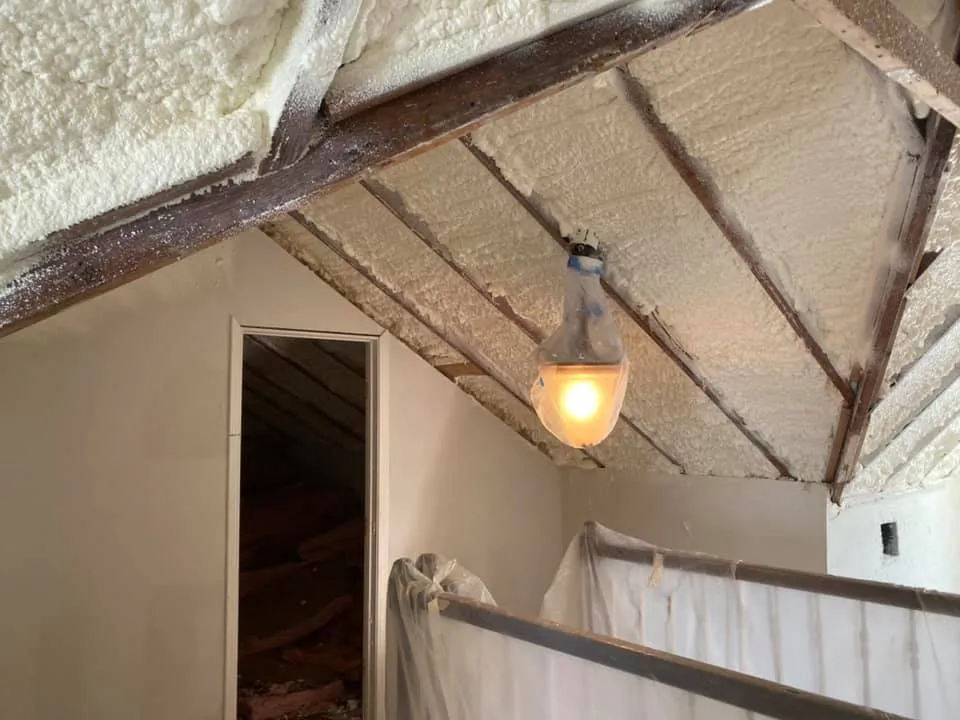
Closed-cell foam adds rigidity to a building. Because it is hard and bonds strongly to the substrate, it can increase the racking strength of a structure. This can help a home withstand high winds, a relevant consideration given the severe weather that can sweep through Central Texas.
Conversely, open-cell foam excels at sound dampening. The soft, sponge-like structure absorbs sound waves effectively. For interior walls between a bedroom and a noisy living room, or in home theaters, open-cell foam is often the preferred choice to reduce noise transmission.
Regional Installation Challenges
Installation in Taylor, TX requires attention to detail regarding ventilation and code compliance. Many older homes in the area were built with very little ventilation, relying on “breathable” walls to let moisture escape. When applying foam to these older structures, the home becomes tight. Mechanical ventilation becomes necessary to ensure healthy indoor air quality.
The Texas A&M AgriLife Extension advises that proper ventilation is essential when upgrading insulation to high-performance materials like spray foam. Without fresh air intake, indoor pollutants can concentrate, potentially affecting the health of the occupants.
Bonus Tip: Check the HVAC system after installing spray foam. Because the house is now tighter and more efficient, the heating and cooling equipment may be oversized for the new load, leading to short-cycling and higher humidity inside. A manual J load calculation should be performed to ensure the equipment matches the new insulation performance.
Bonus Tip: Install ignition barriers or thermal barriers according to local codes. Spray foam is flammable during installation and requires an approved covering (like drywall or intumescent paint) in occupied spaces to meet fire safety regulations.
Summary
Choosing between open-cell and closed-cell spray foam in Taylor, TX comes down to prioritizing moisture control and structural strength versus budget and sound dampening. For the harsh Texas climate, closed-cell foam is usually the recommended choice for attics and rim joists due to its high R-value and water-resistant properties. Open-cell foam remains a strong contender for interior walls and soundproofing applications. Homeowners must assess their specific needs regarding budget, roof space, and the age of their home to make the final choice. Evaluating these factors ensures the insulation performs effectively for decades to come.
Get a Professional Assessment
Determining the right insulation thickness and type for a specific home requires a professional eye. Stellrr Insulation & Spray Foam provides detailed assessments and technical guidance to help Taylor homeowners make the best choice for their property. Contact the team at info@stellrr.com or call (512) 710-2839 to discuss project requirements.
Frequently Asked Questions
Which insulation type provides the best return on investment in Texas?
Closed-cell foam typically offers the best return on investment in the Texas climate due to its higher R-value per inch and superior moisture resistance, which protects the home’s structural integrity against mold and rot.
How long does spray foam insulation last?
When installed correctly, spray foam insulation can last the lifetime of the building. It does not sag, settle, or degrade over time like fiberglass batts.
Can I install spray foam insulation myself?
DIY spray foam kits are available for small projects, but whole-home insulation requires professional equipment and training. Professionals can ensure the correct mixing ratio and thickness, which are critical for performance and safety.
Does spray foam deter pests?
Closed-cell foam does not provide a food source for pests, but insects can tunnel through it. It is not a pest control solution, but it does seal the gaps and cracks that pests often use to enter a home.
Sources
- Building Science Corporation – A highly respected consulting firm providing research and education on building physics, specifically noted here for expertise on moisture control in hot-humid climates.
- U.S. Department of Energy – The official government resource for energy efficiency and renewable energy, providing statistics on energy savings through insulation.
- Texas A&M AgriLife Extension – A state-wide education agency providing unbiased, science-based information on agriculture, life sciences, and home construction, specifically regarding ventilation needs in insulated homes.