
Cellulose insulation improves indoor air quality by sealing air leaks that let dust, pollen, and pollutants enter living spaces, controlling moisture buildup that leads to mold growth, and reducing airborne particulates without introducing harmful chemicals like formaldehyde. Made primarily from recycled paper and treated with borate-based fire retardants, cellulose offers a denser fill than fiberglass batts, which means it blocks up to 30% more air infiltration and helps maintain a healthier breathing environment inside the home.
According to EPA research referenced by Efficiency Plus, effective insulation can reduce indoor airborne pollutants by up to 60%, making a direct and measurable difference for households dealing with allergies, asthma, and respiratory sensitivities. Cellulose stands apart from many conventional insulation materials because it addresses the root causes of poor indoor air quality rather than just thermal performance.
TLDR / Key Takeaways
- Cellulose insulation reduces indoor airborne pollutants by sealing gaps and cracks that allow dust, pollen, and outdoor contaminants to infiltrate the home
- Borate-based fire retardants used in cellulose also function as mold inhibitors, reducing the risk of mold-related respiratory issues
- Cellulose does not contain formaldehyde or harmful volatile organic compounds (VOCs), unlike some fiberglass insulation products
- Dense-pack cellulose fills wall cavities completely, offering significantly better air sealing than standard fiberglass batts (up to 30% less air infiltration)
- Cellulose is made from 80-85% recycled paper, making it one of the most environmentally responsible insulation choices available
- Proper installation is critical to achieving both thermal performance and indoor air quality benefits
The Connection Between Insulation and Indoor Air Quality
Most homeowners think of insulation solution as a tool for reducing energy bills, but its role in indoor air quality is equally significant. When a home has gaps in its thermal envelope, outdoor air carries pollutants directly into living spaces through wall cavities, attic penetrations, and around window and door frames. This uncontrolled air infiltration introduces dust mites, pollen, vehicle exhaust, mold spores, and humidity fluctuations that create an unhealthy indoor environment.
A comprehensive review published in PMC (NIH/NLM) identified that indoor air pollutants span a broad spectrum in both residential and commercial buildings, including particulate matter, volatile organic compounds, and biological contaminants. The same gaps that drive up heating and cooling costs also serve as highways for these pollutants.
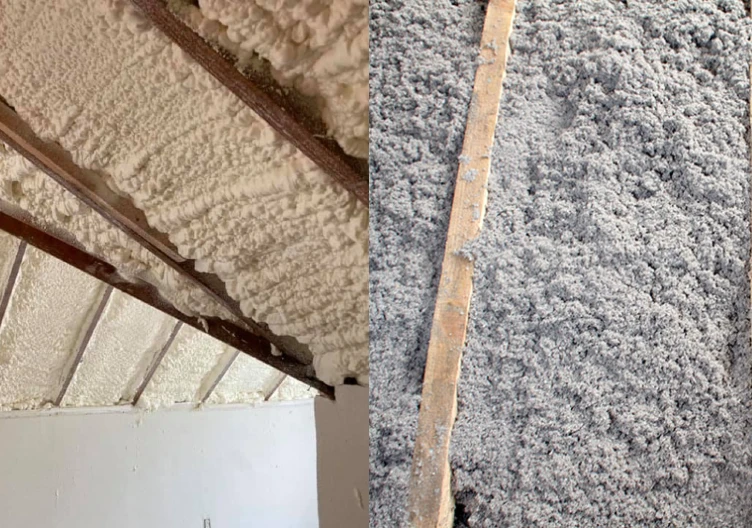
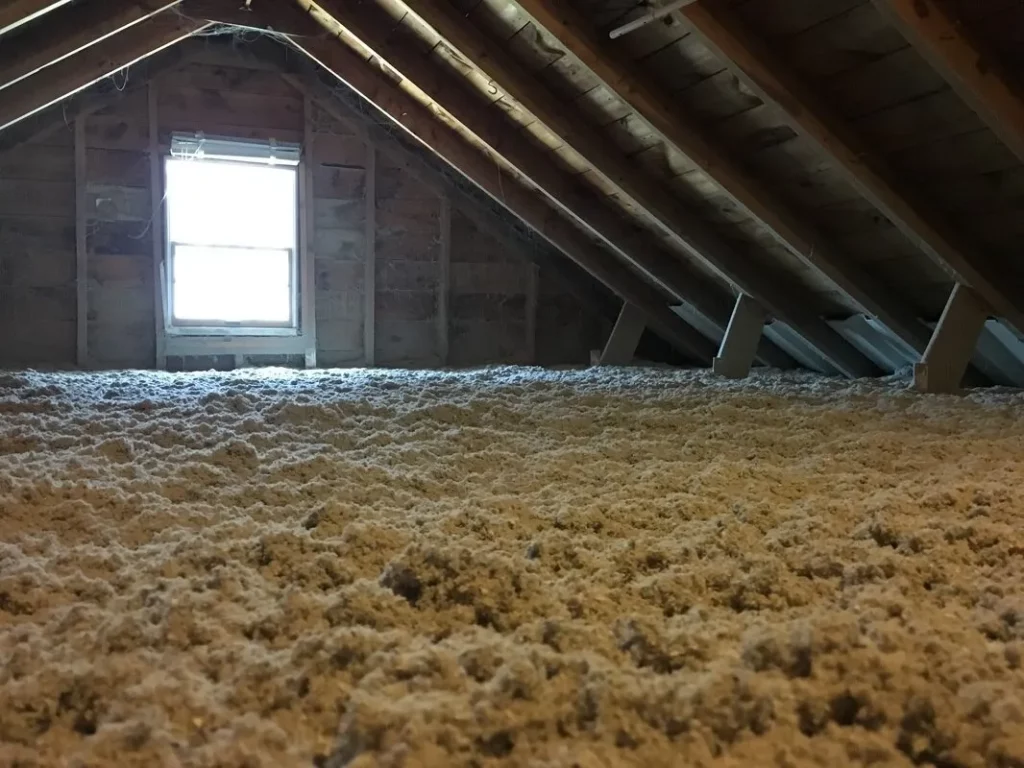
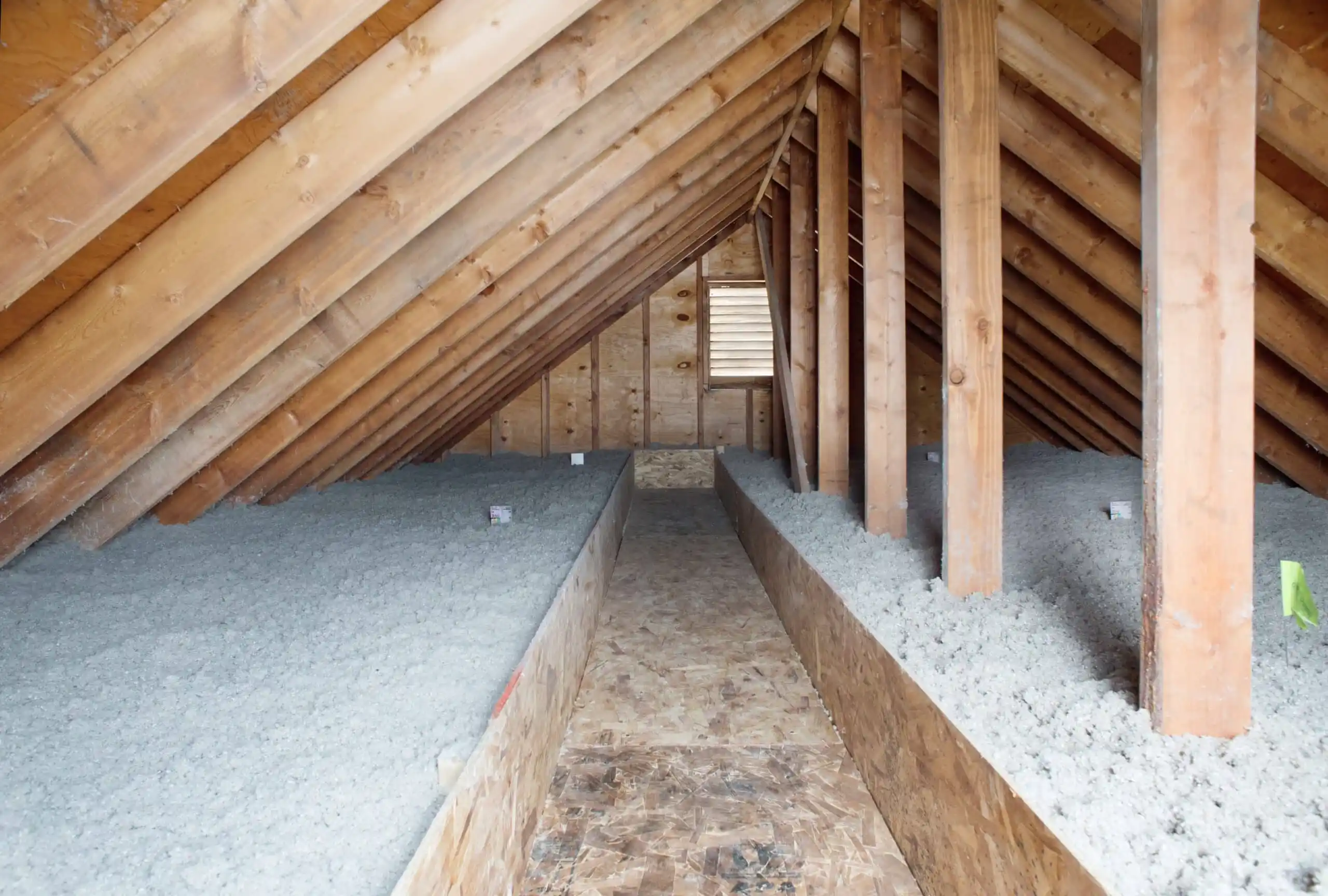
Cellulose insulation addresses this problem at the source. When blown into attics or dense-packed into wall cavities, it conforms to irregular shapes and fills voids that batt insulation cannot reach. This creates a continuous thermal barrier that also functions as an air barrier, dramatically reducing the volume of unfiltered outdoor air that enters the home.
How Cellulose Outperforms Other Insulation Types for Air Quality
Not all insulation materials contribute equally to indoor air quality. The material you choose, how it is installed, and what chemicals it contains all factor into the health of the air you breathe indoors.
| Insulation Type | R-Value per Inch | Air Sealing Ability | Contains Formaldehyde | Mold Resistant | Best For |
|---|---|---|---|---|---|
| Blown Cellulose | R-3.2 to R-3.8 | Excellent (dense-pack) | No | Yes (borate-treated) | Retrofit walls, attics |
| Fiberglass Batts | R-2.9 to R-3.8 | Poor (gaps and voids) | Some products | No (supports mold on dust) | New construction walls |
| Fiberglass Loose-Fill | R-2.2 to R-2.7 | Fair | Some products | No | Attics |
| Spray Foam (Open Cell) | R-3.5 to R-3.7 | Excellent | Varies by product | No | Wall cavities |
| Spray Foam (Closed Cell) | R-6.0 to R-7.0 | Excellent | Varies by product | No | Basements, crawl spaces |
According to a comparison by Nu-Wool, even properly installed fiberglass batts typically allow up to 30% more air infiltration than cellulose insulation. This difference is meaningful for indoor air quality because more air infiltration means more pollutants entering the living space, more humidity fluctuations, and more particulate matter circulating through the HVAC system.
The U.S. Department of Energy confirms that cellulose insulation is produced primarily from recycled newsprint and is used effectively in both new construction and existing homes as loose-fill in attics and dense-packed in wall cavities, floor systems, and other enclosed spaces.
The Formaldehyde Problem
One of the most overlooked indoor air quality concerns with conventional insulation is formaldehyde off-gassing. Some fiberglass insulation products use formaldehyde-based binders to hold the glass fibers together. Over time, these binders can release formaldehyde gas into the home, contributing to respiratory irritation, headaches, and long-term health concerns.
Cellulose insulation does not rely on formaldehyde-based binders. The fire retardant treatment uses borate compounds, which are inorganic minerals that do not off-gas. Research from Omnitech International supports the use of biobased building materials that reduce formaldehyde exposure, contributing to healthier indoor spaces.
Moisture Control and Mold Prevention
Mold is one of the most dangerous indoor air quality threats. It produces spores and mycotoxins that trigger allergic reactions, asthma attacks, and in severe cases, neurological symptoms. Mold thrives in environments where moisture accumulates, and poor insulation is a leading cause of condensation and moisture buildup in wall cavities and attics.
Building Science Corporation notes that cellulose insulation treated with borate fire retardants also serves as an effective mold inhibitor. While cellulose is paper-based and could theoretically support mold growth, the borate treatment suppresses fungal colonization. In contrast, fiberglass does not support mold growth on its own but can trap dust and organic matter that mold feeds on within the insulation matrix.
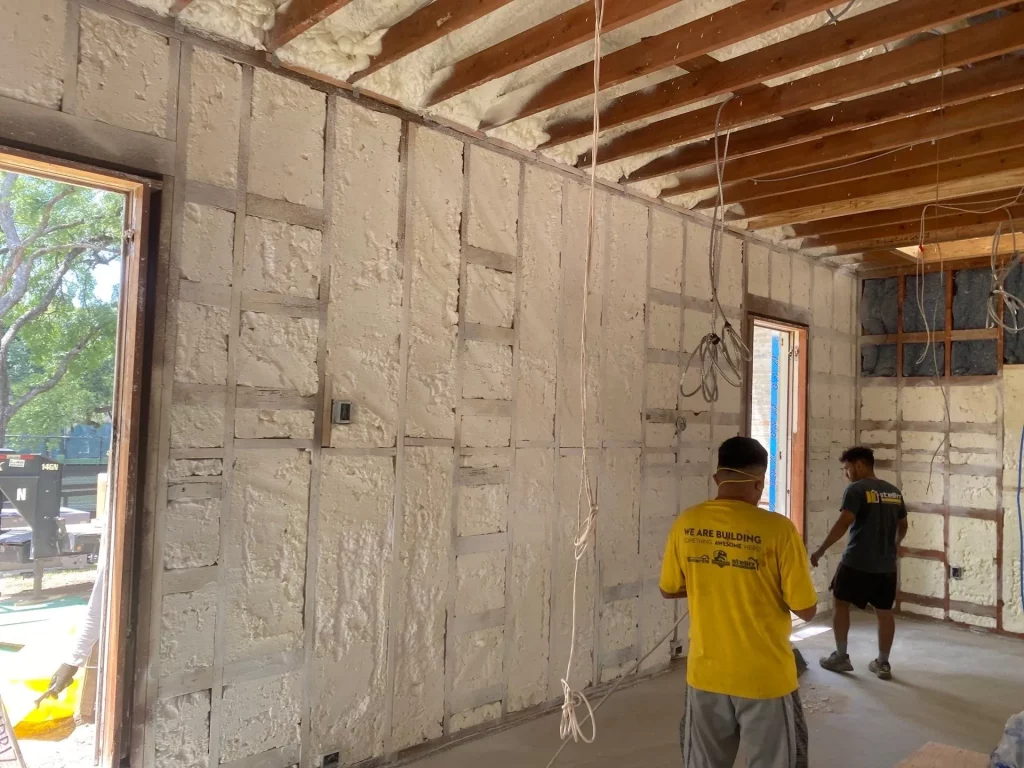
When cellulose is dense-packed into wall cavities, it fills every void and eliminates the convective loops that allow warm, moist air to circulate inside the wall assembly. This reduces condensation risk on cold surfaces during winter months, keeping wall cavities dry and mold-free.
Factors That Affect Cellulose Performance for Indoor Air Quality
Several variables determine how well cellulose insulation delivers on its air quality promises. Understanding these factors helps homeowners and contractors make informed decisions.
Installation density. Dense-pack cellulose installed at 3.5 pounds per cubic foot provides significantly better air sealing than loose-fill applications at lower densities. The higher density eliminates voids and creates an effective air barrier.
Climate zone classification. Homes in colder climates experience larger temperature differences between indoor and outdoor air, which drives stronger stack effects and more air infiltration. In these zones, the air sealing benefits of cellulose have an outsized impact on indoor air quality.
Building age and construction type. Older homes with balloon framing, knob-and-tube wiring, or multiple bypasses present more complex air sealing challenges. A thorough assessment before insulation is essential to avoid trapping moisture or creating other problems.
Existing moisture issues. Cellulose should not be installed in areas with active water intrusion or unresolved moisture problems. Address leaks and ventilation issues first, then insulate.
Vapor barrier requirements. In some climate zones, adding a vapor-retarder class paint or vapor barrier alongside cellulose insulation helps manage moisture diffusion and prevents condensation within the wall assembly.
Real-World Scenarios
| Scenario | Home Type | Problem | Solution | Outcome |
|---|---|---|---|---|
| Allergy sufferer | 1970s ranch, uninsulated walls | Severe dust and pollen allergies, high utility bills | Dense-pack cellulose in all wall cavities | 40% reduction in dust, measurable allergy improvement |
| Post-renovation odors | Recently remodeled 2-story | Elevated VOC levels from new materials persist for months | Blown cellulose over the attic floor, air sealing of penetrations | VOC levels dropped as uncontrolled air exchange was reduced |
| Mold-prone bathroom | Older home with poor ventilation | Recurring mold in the upper bathroom wall | Dense-pack cellulose with borate treatment, bathroom exhaust fan added | Mold has not returned in 18 months |
| Drafty attic bedroom | Cape Cod with a finished attic | Temperature swings, airborne dust, winter drafts | Cellulose blown above the ceiling and dense-packed into knee walls | Even temperatures, drafts eliminated, dust significantly reduced |
| Historic preservation | 1920s bungalow | Uncomfortable, poor air quality, and preservation requirements | Dense-pack cellulose in walls, minimal modifications to plaster | Maintained historic character while improving air quality and comfort |
Bar Chart Suggestion: A side-by-side comparison showing air infiltration rates (in CFM50) before and after cellulose dense-pack installation in a 1970s-era ranch home. One bar represents pre-installation leakage at 3,200 CFM50 and a second bar at approximately 1,600 CFM50 after installation, illustrating the roughly 50% reduction in air leakage.
Actionable Strategies for Contractors and Homeowners
If you are considering cellulose insulation to address indoor air quality concerns, these steps will help you get the best results.
1. Conduct a blower door test before installation. A blower door test quantifies the current air leakage rate of the home and identifies where the most significant leaks are located. This baseline measurement also allows you to demonstrate air quality and efficiency improvements after the insulation is installed.
2. Air seal before insulating. Cellulose reduces air infiltration significantly, but it works best when combined with explicit air sealing at the major leakage sites: rim joists, attic penetrations, recessed lights, and around windows and doors. Seal these areas with caulk, spray foam solutions, or appropriate gaskets before adding cellulose.
3. Choose dense-pack over loose-fill for walls. Dense-pack installation at 3.5 pounds per cubic foot provides the air barrier properties that deliver the biggest indoor air quality improvement. Loose-fill at standard attic densities does not provide the same level of air sealing.
4. Verify borate treatment. Confirm with the insulation supplier that the cellulose product uses borate-based fire retardants rather than ammonium sulfate. Borates provide better mold resistance and do not produce the odor concerns associated with ammonium sulfate when damp.
5. Address ventilation after tightening the envelope. When cellulose insulation dramatically reduces air infiltration, the home needs a controlled ventilation strategy. Without adequate fresh air exchange, indoor pollutant concentrations from cooking, cleaning, and occupant activities can build up. Mechanical ventilation, such as an ERV or HRV, may be necessary to maintain healthy air quality in a tight home.
6. Test for moisture before insulating. Use a moisture meter to check wall cavities, particularly in basements and crawl spaces, before installing cellulose. Any active moisture issues must be resolved first to prevent creating an environment where mold could develop behind the insulation.
The Environmental Bonus
Beyond the direct health benefits, cellulose insulation supports better indoor air quality through its manufacturing process. The Insulation Institute notes that all properly installed insulation materials improve energy efficiency, but cellulose stands out because it is manufactured primarily from recycled content. Using 80-85% post-consumer recycled paper reduces landfill waste and avoids the energy-intensive manufacturing processes associated with fiberglass and foam products. Less industrial processing means fewer industrial emissions, which contribute to better outdoor air quality in the communities where these materials are produced.
Ready to Improve Your Home’s Air Quality?
Poor indoor air quality affects your health, comfort, and energy costs every single day. Cellulose insulation offers a proven, chemical-free solution that seals out pollutants, resists mold, and keeps your family breathing easier. At Stellrr, we specialize in high-performance cellulose installations that address both thermal efficiency and indoor air quality for homeowners and contractors alike. Whether you are retrofitting an older home or specifying materials for a new build, our team can help you get it right.
Call us at (512) 710-2839 or email info@stellrr.com to discuss your project.
FAQs
Does cellulose insulation cause dust in the home?
Properly installed cellulose insulation should not contribute to dust in living spaces. During installation, some dust is generated, but once settled and contained within wall cavities or attic floors, cellulose fibers do not become airborne under normal conditions. Choosing a product with minimal dust formulas and ensuring proper containment during installation prevents any concerns.
Is cellulose insulation safe for people with chemical sensitivities?
Yes. Cellulose insulation is one of the safest options available for chemically sensitive individuals. It does not contain formaldehyde, does not off-gas VOCs, and uses inorganic borate fire retardants that are non-toxic at the concentrations used in insulation. Many building biologists and healthy home advocates recommend cellulose for this reason.
Can cellulose insulation make existing mold problems worse?
No, but it should not be installed over active mold. If mold is already present in wall cavities or attic spaces, the source of moisture must be identified and corrected, and the mold should be remediated before cellulose is installed. Once the moisture issue is resolved, the borate treatment in cellulose actually helps prevent mold from returning.
How does cellulose compare to spray foam for indoor air quality?
Both materials offer excellent air sealing, but they differ in chemical composition. Spray foam, particularly closed-cell varieties, can off-gas VOCs during and shortly after installation, requiring ventilation and occupancy precautions. Cellulose has no off-gassing concerns and contains no synthetic chemicals. However, spray foam also acts as a vapor barrier, which cellulose does not, so the right choice depends on the specific building assembly and climate zone.
Does adding cellulose insulation mean I need mechanical ventilation?
In most existing homes with typical construction, adding cellulose insulation alone does not require mechanical ventilation. However, if the insulation and air sealing work reduces the home’s air leakage rate below 3 to 5 air changes per hour at 50 Pascals (ACH50), supplemental ventilation such as an ERV or HRV becomes advisable to maintain healthy indoor air quality. A blower door test before and after the project will tell you whether mechanical ventilation is needed.
Sources
- U.S. Department of Energy – Insulation Materials – Comprehensive overview of insulation types including cellulose, fiberglass, and foam, with details on composition, R-value, and recommended applications.
- PMC/NIH – Indoor Air Quality in Buildings: A Comprehensive Review – Peer-reviewed review identifying the full spectrum of indoor air pollutants in residential and commercial buildings.
- Building Science Corporation – Insulation Overview – Technical guidance on cellulose insulation composition, borate treatment, and mold resistance properties.