
San Marcos businesses should use closed-cell spray foam insulation when they need maximum thermal performance, moisture resistance, and structural reinforcement in their commercial buildings. Given the intense Texas heat and humidity, closed-cell spray foam provides the highest R-value per inch (around R-7) while acting as a vapor barrier, making it ideal for metal buildings, warehouses, restaurants, and any commercial space where energy efficiency and moisture control are critical priorities. The material’s strength also adds structural integrity to walls and roofs, an important factor in a region that experiences severe weather.
This guide will help business owners evaluate whether closed-cell spray foam fits their specific needs, budget, and building requirements. With years of experience installing commercial insulation systems across Central Texas, Stellrr Insulation & Spray Foam understands the unique challenges that San Marcos businesses face when selecting insulation solutions. The following information provides practical, field-tested insights to help you make an informed decision.
Understanding San Marcos Climate Challenges
San Marcos experiences a humid subtropical climate characterized by long, hot summers and mild winters. Average summer temperatures regularly exceed 95 degrees Fahrenheit, with humidity levels often above 70%. According to climate data from Texas A&M University, the region receives approximately 34 inches of rainfall annually, with the heaviest precipitation occurring during spring and early summer months.
These conditions create specific insulation challenges that many traditional materials struggle to address effectively. The combination of high heat and humidity means buildings need insulation that not only resists heat transfer but also prevents moisture infiltration. Closed-cell spray foam excels in both areas, making it particularly suitable for commercial applications in the San Marcos area.
Technical Benefits of Closed-Cell Spray Foam
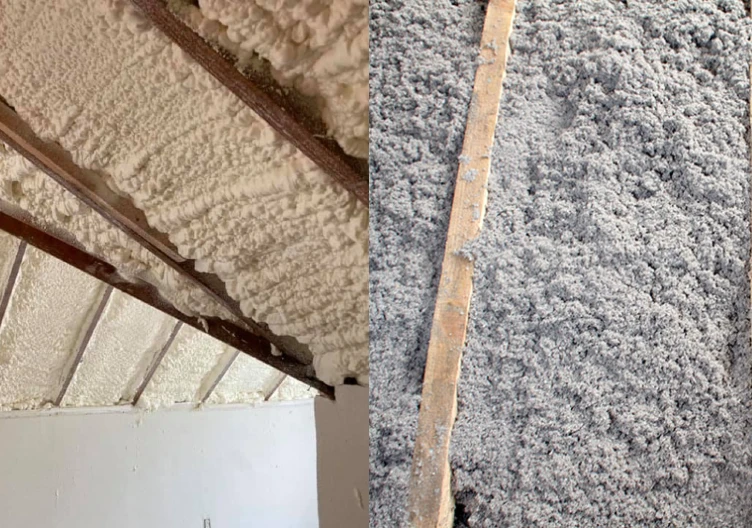
Closed-cell spray foam insulation offers distinct advantages over other insulation types, especially for commercial buildings in San Marcos, Texas. The material’s dense cellular structure provides approximately R-7 per inch of thickness, significantly higher than fiberglass (R-3.2) or open-cell foam (R-3.6). This superior thermal performance means thinner application layers can achieve the same or better energy efficiency results.
Beyond insulation value, closed-cell foam creates an air-impermeable barrier that eliminates drafts and air leakage. Research from the U.S. Department of Energy shows that proper air sealing can reduce energy costs by up to 15% in commercial buildings. The material also acts as a moisture barrier, preventing condensation within wall assemblies and protecting against mold growth a critical consideration in humid climates like San Marcos.
Cost Considerations and ROI Analysis
While closed-cell spray foam typically costs 2-3 times more than traditional insulation materials, the return on investment often justifies the initial expense. Energy savings typically range from 30-50% compared to uninsulated buildings and 10-20% over buildings with conventional insulation. Most San Marcos businesses recover their investment through reduced utility bills within 3-5 years. Additionally, the material’s longevity (often 80+ years) means it doesn’t require replacement, unlike other insulation types that may need updating every 15-20 years.
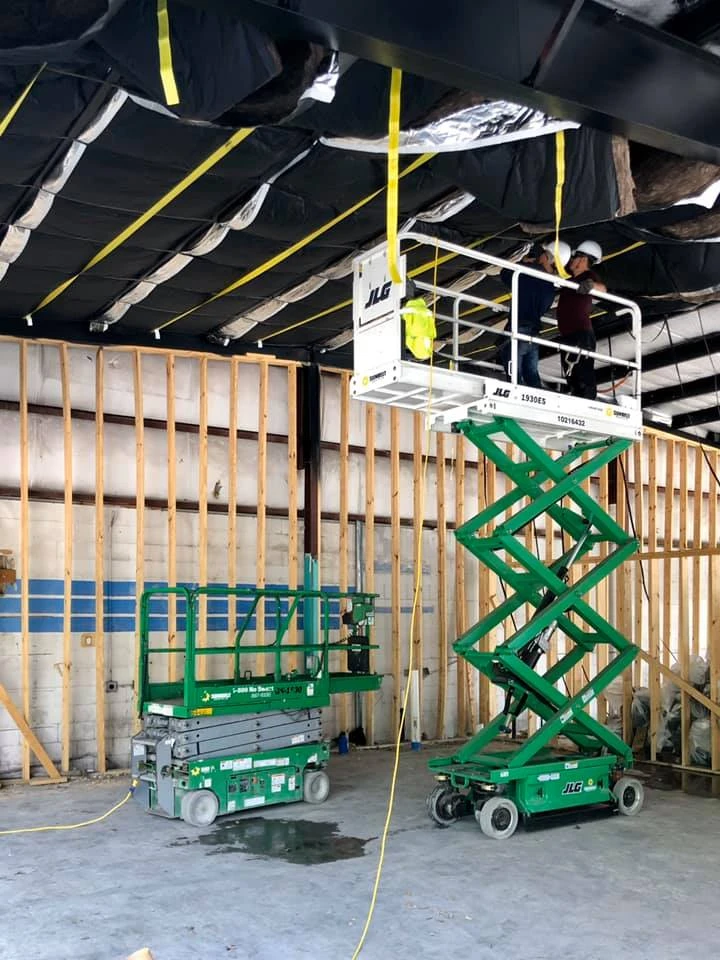
Insulation Material Comparison
| Material Type | R-Value per Inch | Moisture Barrier | Lifespan | Best Applications |
|---|---|---|---|---|
| Closed-Cell Foam | R-7.0 | Yes | 80+ years | Metal buildings, roofs, high-humidity areas |
| Open-Cell Foam | R-3.6 | No | 30-40 years | Interior walls, sound-dampening |
| Fiberglass | R-3.2 | No | 15-20 years | Standard wall cavities, budget projects |
| Cellulose | R-3.2 | Limited | 20-30 years | Retrofits, eco-conscious projects |
Things to Consider Before Making a Decision
Before choosing closed-cell spray foam for your San Marcos business, several factors need careful evaluation. The building’s construction type plays a significant role—metal buildings and structures with poor sealing benefit most from the material’s properties. Buildings with existing moisture problems or those in flood-prone areas should prioritize closed-cell foam for its water resistance.
Installation timing matters too. New construction provides the easiest application environment, but retrofit projects can also benefit significantly. However, retrofits may require partial demolition or special access equipment, increasing costs. The building’s HVAC system should also be evaluated. Closed-cell foam reduces air exchange rates, which may require ventilation system adjustments to maintain indoor air quality.
Bonus Tip: Professional Installation Required
Closed-cell spray foam requires specialized equipment and training for proper application. DIY attempts often result in improper expansion ratios, gaps, or insufficient thickness, compromising performance and potentially creating moisture problems. Always hire certified installers with commercial experience and proper liability insurance.
Making the Right Insulation Choice
Closed-cell spray foam insulation offers significant benefits for San Marcos businesses seeking superior energy efficiency, moisture control, and structural reinforcement. The decision ultimately depends on your specific building needs, budget constraints, and long-term energy goals. Carefully weigh the higher initial investment against the substantial long-term savings in energy costs, equipment maintenance, and building durability.
Evaluate your building’s current insulation performance, identify problem areas, and calculate potential energy savings. Consider consulting with insulation professionals who understand San Marcos climate conditions and can provide a detailed analysis of your options. The right insulation choice will serve your business efficiently for decades to come.
Get Professional Insulation Assessment
Stellrr Insulation & Spray Foam provides comprehensive insulation evaluations for San Marcos businesses to determine whether closed-cell spray foam meets your specific needs. Our team offers free consultations, detailed energy savings projections, and installation timelines tailored to your business operations. Contact Stellrr Insulation & Spray Foam at info@stellrr.com or call (512) 710-2839 to schedule your building assessment and receive a customized insulation recommendation based on your commercial property requirements.
Frequently Asked Questions
Is closed-cell spray foam worth the extra cost for warehouses?
For warehouses in San Marcos, closed-cell foam typically delivers significant ROI through energy savings, especially in facilities with temperature-sensitive products or high ceilings. The superior insulation value reduces the load on HVAC systems, extending equipment life while maintaining consistent temperatures.
How quickly can businesses occupy their space after installation?
Closed-cell spray foam typically cures within 24 hours, allowing normal business operations to resume. However, strong odors may persist for 2-3 days, requiring additional ventilation. Most commercial projects schedule installation during off-hours or weekends to minimize disruption.
Does closed-cell foam help with sound reduction?
While not its primary purpose, closed-cell foam provides better sound dampening than fiberglass of similar thickness due to its density. It reduces both airborne and impact noise transmission, though specialized acoustic products may be preferable for spaces requiring exceptional sound control.
Can closed-cell foam be used in historic buildings?
Many historic buildings can accommodate closed-cell foam, but careful evaluation is necessary. The material’s vapor barrier properties may affect how the building “breathes,” potentially trapping moisture in historic masonry. Consultation with preservation specialists familiar with San Marcos historic properties is recommended.
What maintenance does closed-cell foam require?
Closed-cell spray foam requires virtually no maintenance when properly installed. Unlike other insulation types, it doesn’t settle, degrade, or require replacement. Periodic visual inspections during routine building maintenance can ensure the foam remains intact and sealed.
Sources
- U.S. Department of Energy – Federal resource on energy efficiency standards, building science, and insulation performance data