
Commercial spray foam insulation transforms a building’s financial performance by permanently sealing air leaks that traditional insulation materials miss. This creates a tangible return on investment through reduced monthly utility bills, extended lifespan of HVAC equipment, and the prevention of moisture-related structural damage. Rather than functioning as a sunk cost like a coat of paint, spray foam serves as a capital improvement that actively pays for itself over time and increases the property’s asset value.
Many building owners focus on the upfront price tag without accounting for the long-term operational savings that dramatically offset that initial cost. When you analyze the Total Cost of Ownership (TCO) of a commercial structure, energy waste represents a significant financial drain. By eliminating this waste, spray foam acts as an economic tool as much as a construction material. Drawing on years of hands-on experience in commercial structures, operational data consistently shows that buildings with high-performance spray foam envelopes outperform those with fiberglass or cellulose insulation in almost every financial metric.
The Core ROI Argument: Energy Efficiency
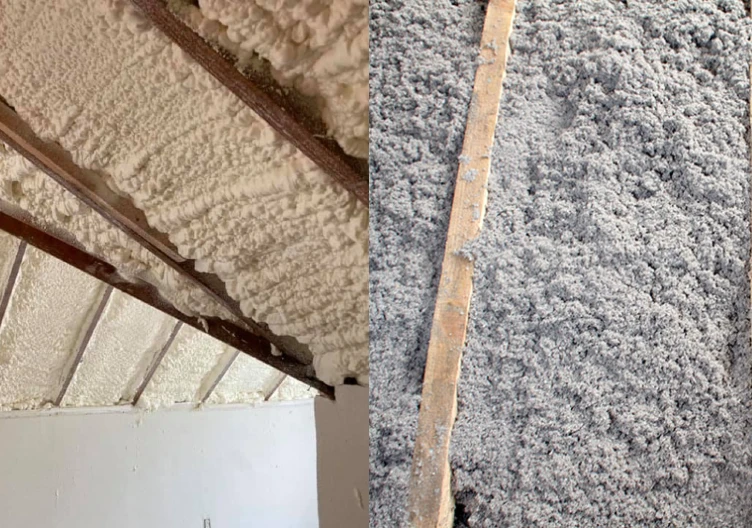
The primary reason spray foam shifts from an expense to an investment lies in air sealing. Traditional insulation, like fiberglass batts, might provide thermal resistance, but it does not stop air movement. Air leakage is responsible for a significant portion of energy loss in commercial buildings. When conditioned air escapes, your heating and cooling systems must work harder to maintain the set temperature, driving up electricity and gas costs.
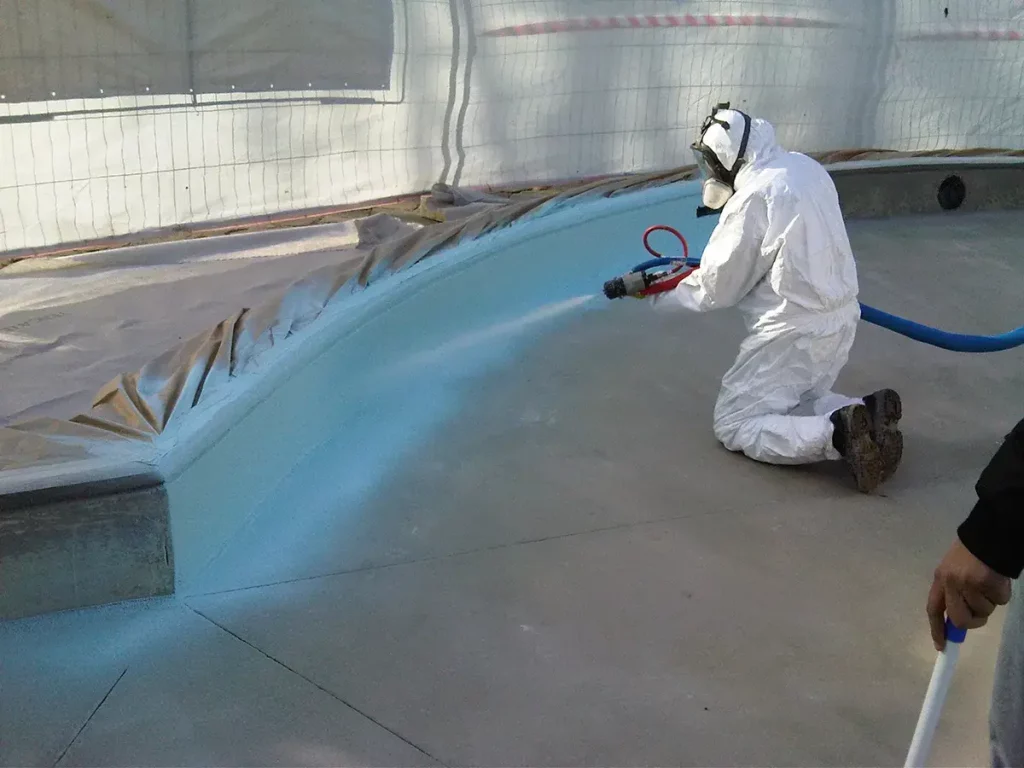
Spray foam expands up to 30 times its liquid volume upon application, filling cracks, crevices, and gaps that other materials cannot reach. This creates a monolithic thermal envelope. According to the U.S. Department of Energy, heating and cooling account for roughly 48% of energy use in typical U.S. buildings, making insulation upgrades the most considerable potential for cost reduction. By sealing the building envelope, you cap your energy liabilities.
Market Data on Asset Value
Energy efficiency does more than lower monthly bills; it increases the property’s net operating income (NOI). Data from Energy Star suggests that a 10 percent decrease in energy use can lead to a 1.5 percent increase in net operating income. For commercial real estate owners, this increase in NOI directly correlates to a higher property valuation during appraisal or resale.
Extending HVAC System Lifespan
Your mechanical systems represent one of the most significant capital expenditures in a commercial building. When a building leaks air, HVAC units must cycle on and off more frequently to compensate for the thermal loss. This process, known as short-cycling, places immense stress on motors, compressors, and blowers, leading to premature failure.
By installing spray foam, you reduce the load on the HVAC system. The equipment runs for shorter, more efficient durations and maintains temperature with less effort. This reduction in workload can add years to the operational life of your mechanical units, delaying costly replacements.
Bonus Tip: If you are planning a new build or a major renovation, consult with your mechanical engineer after deciding on spray foam. You may be able to “downsize” your HVAC equipment tonnage because the building will be so efficient, saving you capital upfront on the mechanical install.
Structural Protection and Moisture Control
Water and moisture are the enemies of any commercial structure. Metal buildings rust, and wood structures rot. Traditional insulation can absorb moisture or allow condensation to form between the insulation and the substrate, leading to hidden corrosion or mold growth. This results in remediation costs that far exceed the price of the original insulation job.
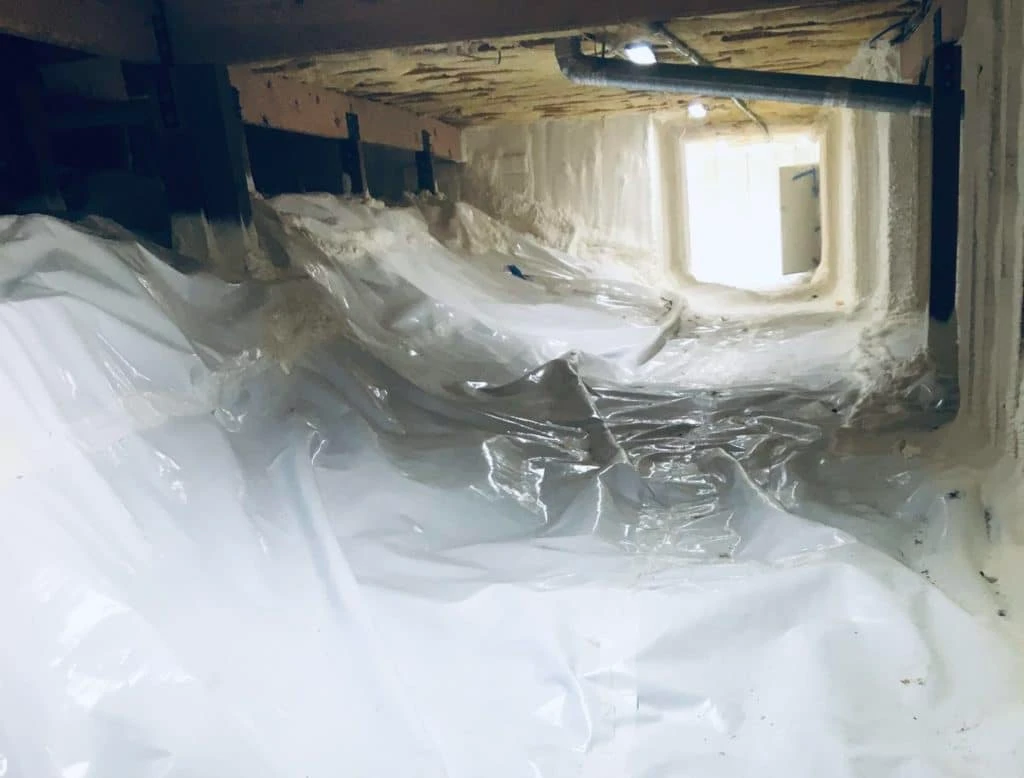
Closed-cell spray foam is impermeable to water and acts as a vapor retarder. A report by Building Science Corporation indicates that spray foam acts as a superior air barrier, significantly reducing moisture transport that leads to mold growth. By keeping the structure dry and stable, you avoid the liability of “sick building syndrome” and the massive expense of structural repairs down the road.
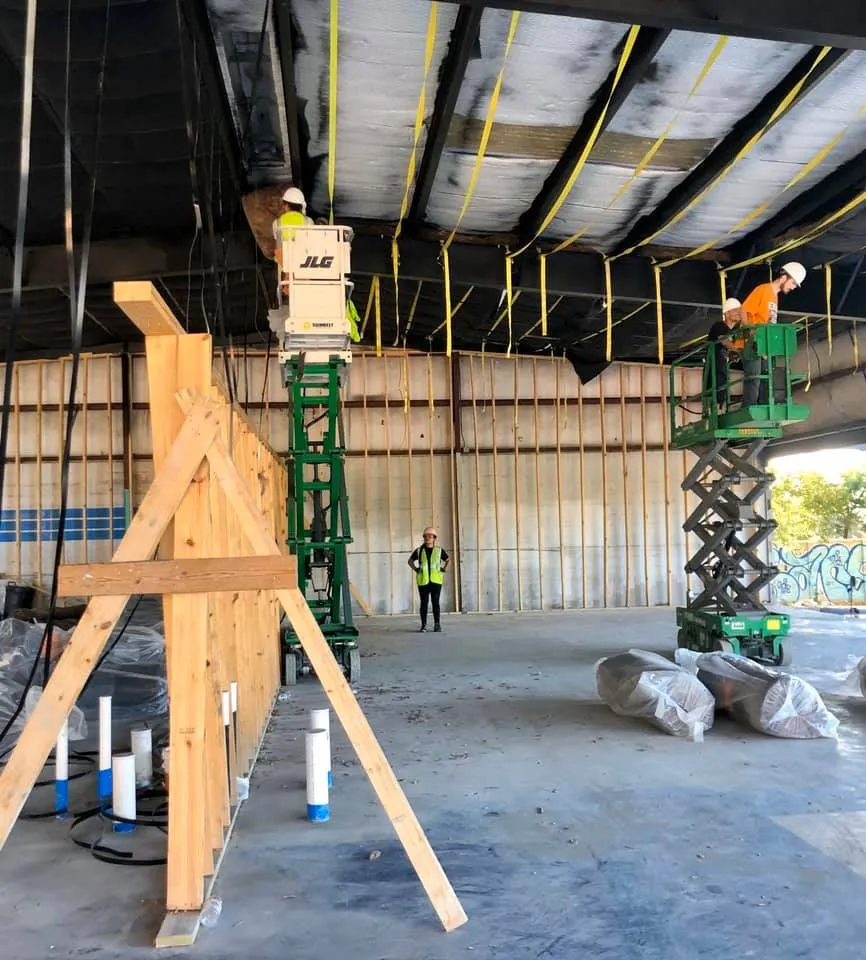
Comparison: Spray Foam vs. Traditional Options
To understand the value proposition, you must compare the performance characteristics directly. This table breaks down why the initial lower cost of traditional methods often leads to higher long-term expenses.
| Feature | Closed-Cell Spray Foam | Open-Cell Spray Foam | Fiberglass Batts |
|---|---|---|---|
| Air Barrier | Excellent (Monolithic Seal) | Good (Monolithic Seal) | Poor (Gaps & Seams) |
| Moisture Barrier | Yes (Waterproof) | No (Breathable) | No (Absorbs Water) |
| R-Value per Inch | High (R-6 to R-7) | Moderate (R-3.5 to R-4) | Moderate (R-3 to R-4) |
| Structural Strength | Adds Rigidity (Rack Strength) | None | None |
| Lifespan | 80+ Years (Building Life) | 80+ Years (Building Life) | 15-20 Years (Sags over time) |
| ROI Timeline | 3-7 Years (Energy Savings) | 3-5 Years (Energy Savings) | N/A (Maintenance Item) |
Things to Consider Before Making a Decision
Before approving a spray foam installation, you need to evaluate your facility’s specific needs. Not every foam is right for every application.
Roof Deck Type and Condition
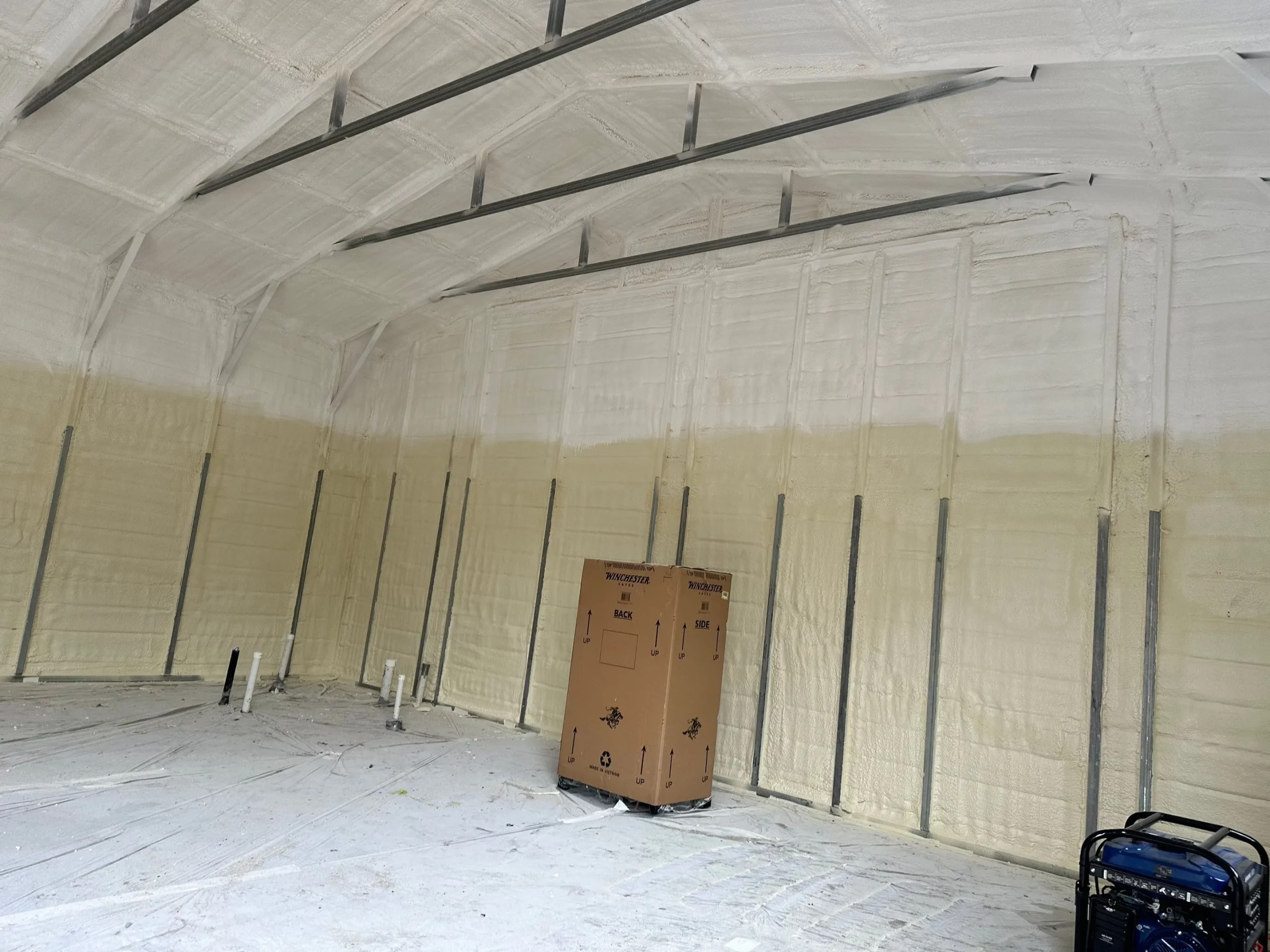
If you are insulating the underside of a roof deck, you must assess the material. Metal decks react differently than wood or concrete. For metal buildings, closed-cell foam is generally preferred because it adds structural rigidity and prevents condensation on the metal surface. If the roof deck is already heavily damaged or leaking, you must repair the substrate first. Foam is not a magic fix for a failing roof structure.
Building Usage and Occupancy
Consider how the space is used. A conditioned warehouse storing temperature-sensitive inventory has different requirements than an open-air mechanic shop. If the space requires strict temperature control, the investment in closed-cell foam yields a faster return. For sound dampening between offices, open-cell foam might be the better choice due to its acoustic properties.
Fire Code Compliance
Commercial buildings have strict fire codes. Spray foam is a plastic and requires a thermal barrier (like an intumescent coating or drywall) to separate it from the interior occupied space. You must factor the cost of this thermal barrier into your budget to ensure complete code compliance.
Bonus Tip: Ask your insurance provider about premium discounts. Some carriers offer lower rates for buildings with closed-cell spray foam due to its increased resistance to water damage and high-wind events.
Conclusion
Viewing commercial insulation as a line-item expense ignores the financial reality of building management. The actual cost of a building is not just construction; it is operation. Spray foam insulation attacks the recurring costs of ownership, energy bills, HVAC repairs, and moisture remediation and drastically reduces them.
Evaluate your current energy expenditures and maintenance logs. If you see rising utility costs or frequent HVAC issues, your building envelope is likely the culprit. Choosing high-performance insulation is a strategic decision that protects your capital asset and improves your bottom line.
Take Control of Your Building’s Efficiency
Stop letting your profits escape through the roof. At Stellrr Insulation & Spray Foam, we help commercial owners turn their buildings into efficient, high-performance assets. We do not just spray foam; we solve complex energy and comfort problems.
Contact Stellrr Insulation & Spray Foam today at (512) 710-2839 or email us at info@stellrr.com. Let us provide a comprehensive assessment of your facility and show you exactly how an insulation upgrade will pay for itself.
Frequently Asked Questions
How long does it take for the energy savings to pay for the installation?
The payback period typically ranges between 3 to 7 years, depending on the local climate and energy rates. After this break-even point, all energy savings become direct profit for the building owner.
Does spray foam insulation degrade over time?
No, spray foam does not shrink, settle, or sag like fiberglass. Unless it is exposed to direct UV sunlight (which degrades the plastic), it will last for the life of the building without losing its R-value or sealing properties.
Can spray foam be applied to an existing commercial roof?
Yes, spray foam roofing (SPF) can be applied to the exterior of flat roofs. It provides a seamless, waterproof barrier that insulates from the outside. This is a different application than interior insulation but offers similar energy benefits.
Is spray foam safe for employees?
Once the foam has fully cured (hardened) and the building has been ventilated, it is inert and safe. It does not release fibers into the air like fiberglass and does not support mold growth, contributing to better indoor air quality.
Sources
- U.S. Department of Energy – Provides data on energy consumption in US buildings and the role of insulation in reducing load.
- Energy Star – Offers statistics on how energy efficiency improvements correlate to increased net operating income for commercial properties.
- Building Science Corporation – A technical report detailing the moisture management and air barrier properties of spray foam insulation in roof assemblies.