
Thermal insulation is a material or system that slows the transfer of heat between the inside and outside of a building. Whether you are a contractor bidding on a residential retrofit, a builder planning new construction, or a homeowner trying to cut energy costs, understanding how insulation works and which type to choose can mean the difference between a comfortable, efficient building and one that leaks money through its walls and roof. The right insulation choice depends on your climate zone, building type, budget, and whether the project is new construction or an upgrade to an existing structure. This guide covers the science behind thermal insulation solution, the main material types and their ideal applications, R-value considerations, common installation mistakes, and how to evaluate what works best for your specific project.
TLDR / Key Takeaways
- Thermal insulation reduces heat transfer, lowering heating and cooling costs by up to 15% on average, with some studies showing heating demand reductions of up to 42% when properly installed.
- R-value measures a material’s resistance to heat flow. The higher the R-value, the better the insulating performance, but real-world results depend on correct installation.
- The most common insulation types include fiberglass batts, blown-in cellulose, spray foam (open and closed cell), rigid foam boards, and mineral wool, each suited to different applications and budgets.
- Climate zone determines the R-value target. The U.S. Department of Energy provides zone-specific recommendations ranging from R-13 in warm climates to R-60 for attics in cold regions.
- External wall insulation is roughly 50% more efficient than internal insulation, delivering energy savings of 13-16% on building energy consumption.
- Common installation failures include compression of batts, gaps and voids around penetrations, inadequate air sealing, and ignoring moisture control, all of which degrade real-world R-value performance.
- For contractors, recommending the right insulation type based on building science, not just material cost, builds trust and reduces callback rates.
How Thermal Insulation Works
Thermal insulation works by interfering with the three mechanisms of heat transfer: conduction, convection, and radiation. Most insulation materials trap small pockets of air or gas, which are poor conductors of heat. When heat tries to move through a wall, ceiling, or floor, these trapped air pockets slow it down significantly.
- Conduction is the direct transfer of heat through a solid material, like touching a hot pan. Insulation materials with low thermal conductivity (measured in k-values) resist this transfer.
- Convection is the movement of heat through fluids like air. Insulation reduces convective loops by trapping air in small, still pockets within its structure.
- Radiation is heat transfer through electromagnetic waves, like the warmth you feel from sunlight. Some insulation types, particularly those with reflective facings, are designed specifically to reduce radiant heat gain.
According to the U.S. Department of Energy, proper insulation provides resistance to heat flow and lowers heating and cooling costs while improving comfort. The effectiveness of any insulation material is measured by its R-value, which stands for thermal resistance. As Johns Manville explains, the higher the R-value number, the greater the product’s ability to resist heat transfer.
Understanding R-Value: The Standard Measurement
R-value is the most widely used metric for comparing insulation performance. According to Wikipedia, R-value measures the thermal resistance of a material or assembly, specifically how well a two-dimensional barrier resists the flow of heat through it.
R-Value vs. U-Value
While R-value measures resistance to heat flow, U-value expresses how quickly heat moves through a building component. They are inversely related: a higher R-value means a lower U-value. Building codes increasingly reference U-values for whole-wall assemblies rather than just material R-values, because they account for thermal bridging through studs, fasteners, and other components.
Climate Zone R-Value Recommendations
The U.S. Department of Energy divides the country into climate zones and publishes recommended R-values for each zone:
| Building Component | Climate Zones 1-3 (Hot) | Climate Zones 4-5 (Mixed) | Climate Zones 6-7 (Cold) | Climate Zone 8 (Very Cold) |
|---|---|---|---|---|
| Attic (unconditioned) | R-30 to R-38 | R-38 to R-49 | R-49 to R-60 | R-49 to R-60 |
| Wall Cavity | R-13 to R-15 | R-13 to R-20 | R-20 to R-23 | R-20 to R-23 |
| Floor Over Unheated Space | R-13 | R-19 to R-25 | R-25 to R-30 | R-25 to R-30 |
| Basement Wall | R-5 to R-10 | R-10 to R-15 | R-15 to R-19 | R-15 to R-19 |
These targets represent minimum recommendations. Meeting or exceeding them improves energy performance, but only if the insulation is installed correctly and paired with effective air sealing.
Types of Thermal Insulation
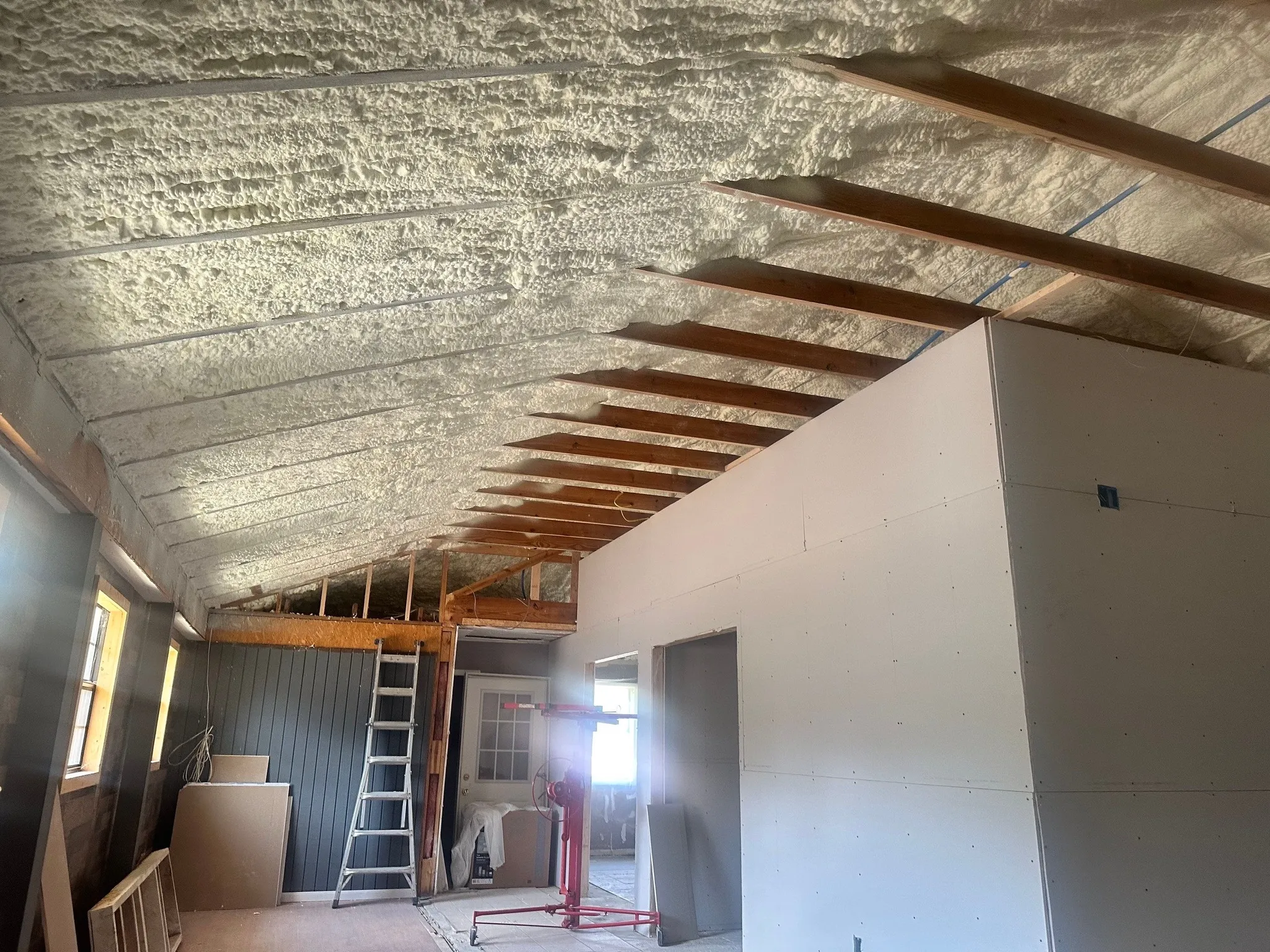
Choosing the right spray foam insulation type depends on the application, budget, and performance requirements. Here is a breakdown of the most common options:
| Insulation Type | How It Works | Typical R-Value Per Inch | Best Applications | Key Considerations |
|---|---|---|---|---|
| Fiberglass Batts | Woven glass fibers trap air | 2.9 – 3.8 | Wall cavities, attics, floors | Low cost, easy to install, but gaps reduce effectiveness |
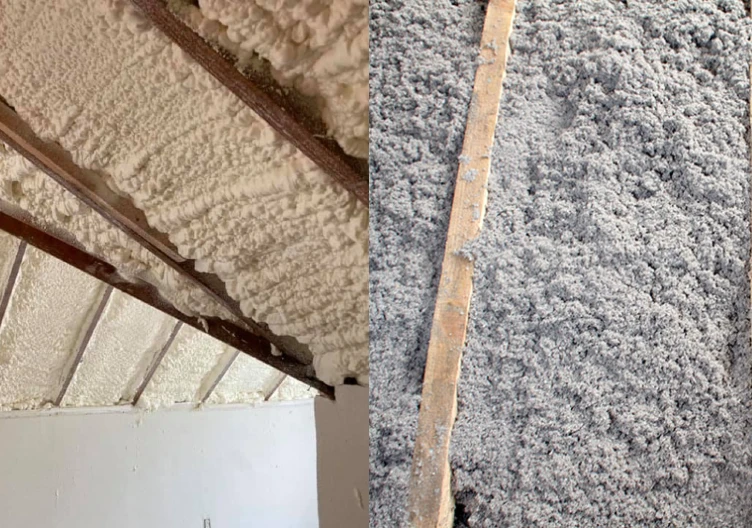
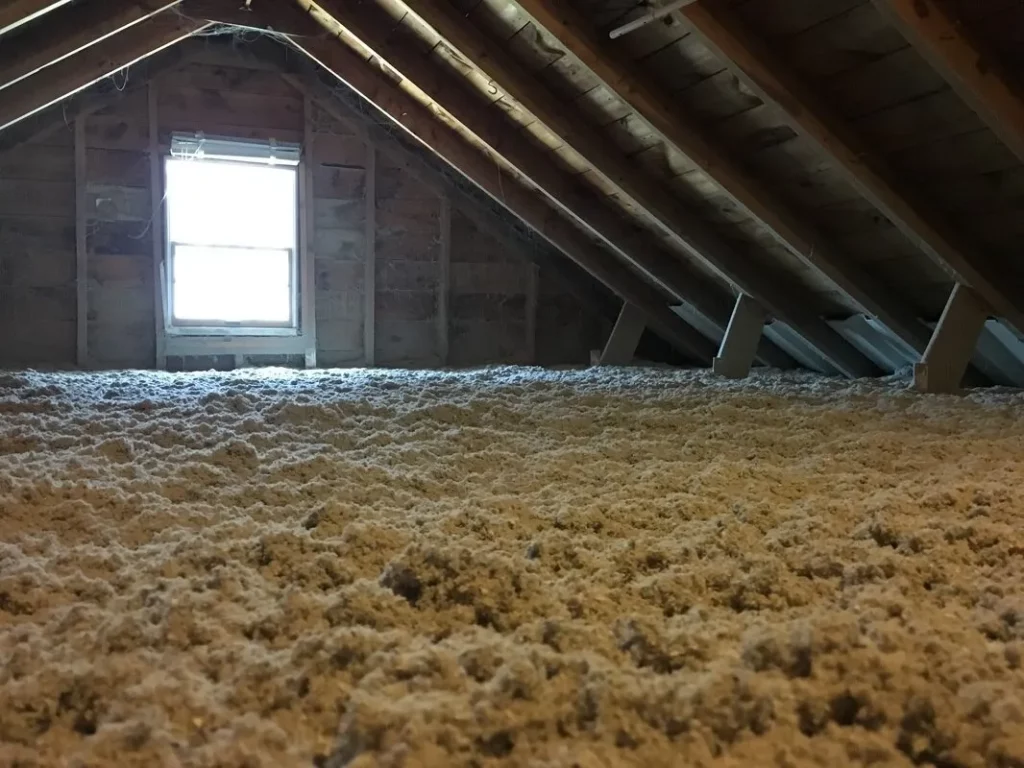
| Blown-In Cellulose | Recycled paper treated with fire retardant | 3.1 – 3.8 | Attics, existing wall cavities | Good for retrofits, fills voids, can settle over time |
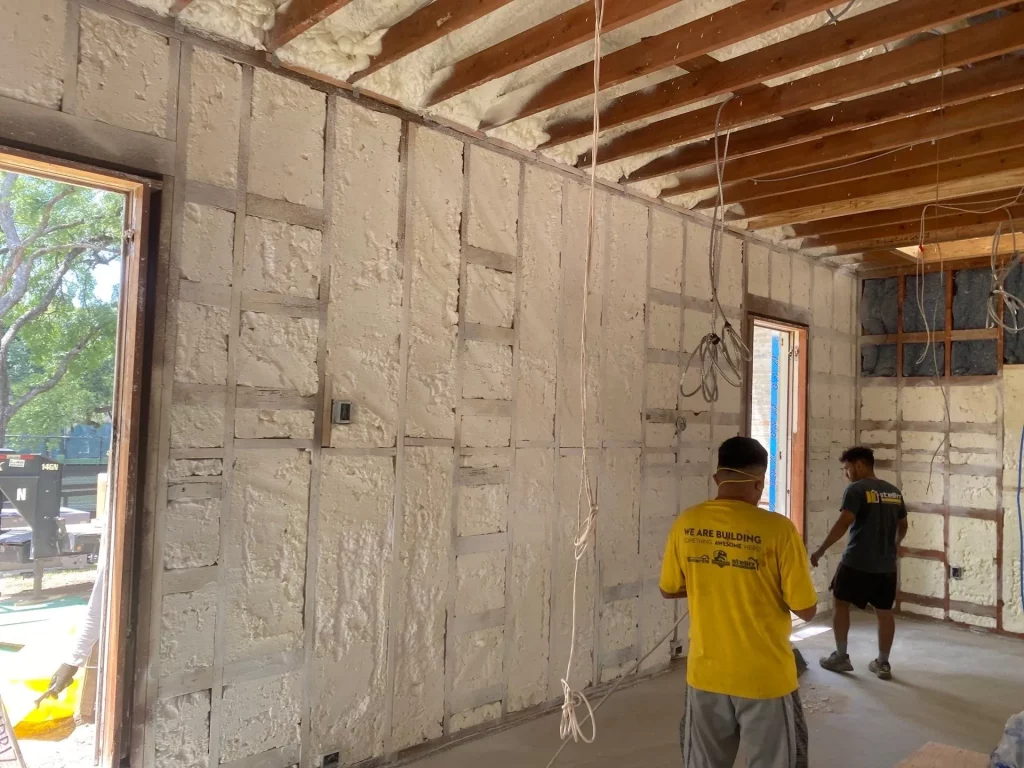
| Open-Cell Spray Foam | Expanding polyurethane with open cells | 3.5 – 3.7 | Wall cavities, attics | Excellent air sealing, lower R-value per inch than closed cell |
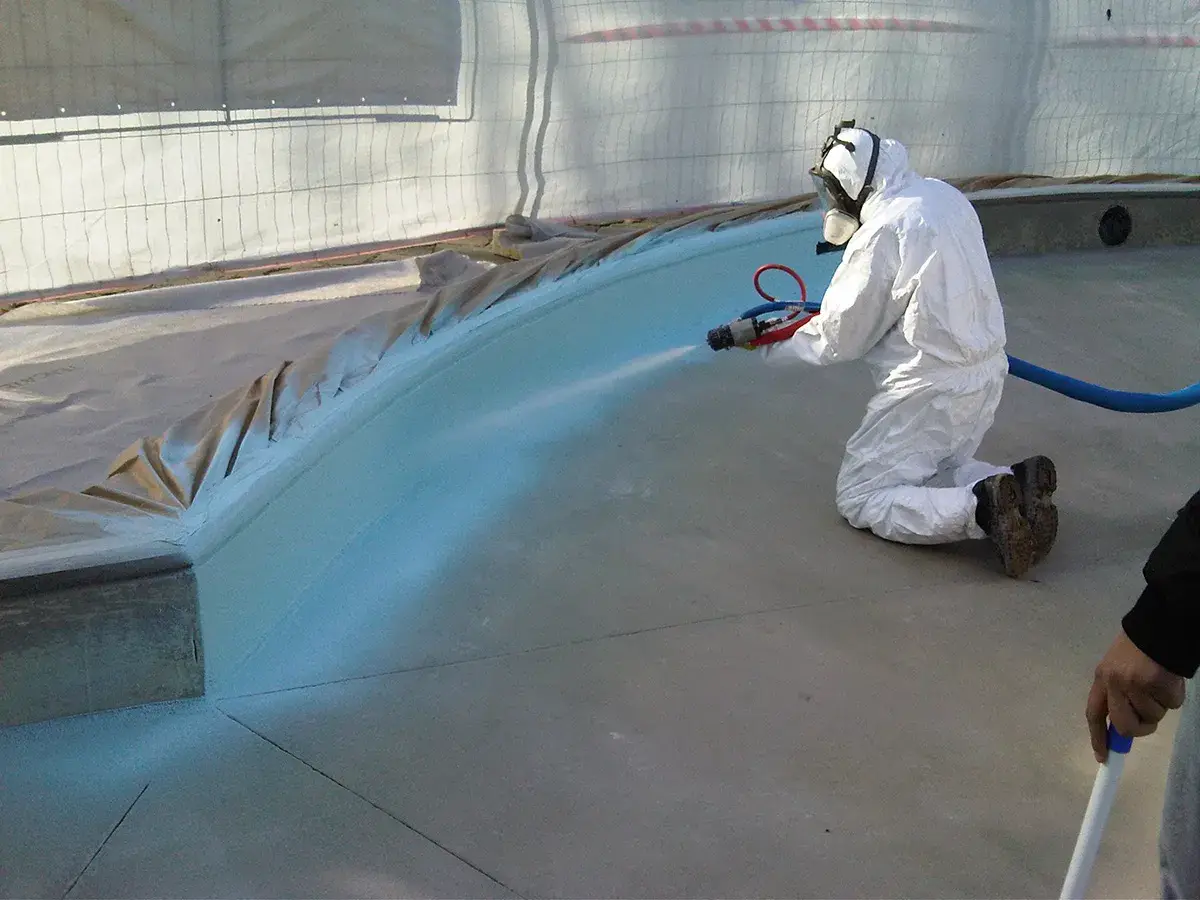
| Closed-Cell Spray Foam | Dense, expanding polyurethane | 5.6 – 7.0 | Walls, roofs, crawl spaces | High R-value, acts as vapor barrier, higher cost |
| Rigid Foam Board | Polystyrene, polyisocyanurate, or polyurethane | 3.6 – 6.5 | Basement walls, continuous exterior insulation | Reduces thermal bridging, good moisture resistance |
| Mineral Wool | Spun rock or slag fibers | 3.3 – 4.2 | Walls, attics, fire-rated assemblies | Naturally fire resistant, good sound dampening |
When to Use Each Type
For new construction walls where budget is a primary concern, fiberglass batts remain the most common choice. However, when air sealing and moisture control are priorities, spray foam delivers superior performance despite its higher upfront cost. For retrofitting existing walls without removing drywall, blown-in cellulose is often the most practical option. Rigid foam board excels as continuous insulation on the exterior of buildings, where it eliminates thermal bridging through framing members.
Why Thermal Insulation Matters
Energy Savings and Cost Reduction
Research published by Arizona State University’s Energy Efficiency Center shows that adding insulation can save up to 15% on electricity bills. A comprehensive review in Sustainability (MDPI) confirms that effective insulation is essential for mitigating heat loss from buildings and ensuring energy efficiency, particularly in extreme climates.
A study published in the journal Energy found that external wall insulation reduces energy consumption by 13-16%, and that external insulation was approximately 50% more efficient than internal insulation. Another simulation study showed heating demand reductions of up to 42% and cooling demand reductions of 17% with properly specified insulation.
Comfort and Indoor Air Quality
Beyond energy savings, insulation directly impacts occupant comfort. Well-insulated buildings maintain more consistent temperatures, reduce drafts, and minimize cold spots near windows and exterior walls. Insulation paired with proper air sealing also reduces the infiltration of outdoor pollutants, allergens, and moisture, contributing to better indoor air quality.
Moisture Management
Insulation plays a critical role in preventing condensation within wall and roof assemblies. When warm, moist indoor air meets cold surfaces, condensation forms, creating conditions for mold growth and wood rot. The right insulation type, combined with proper vapor barriers, keeps building assemblies dry and structurally sound.
Common Installation Mistakes That Reduce Performance
Even the best insulation material will underperform if installed incorrectly. Here are the most frequent problems we see in the field:
- Gaps and voids: Missing insulation around electrical boxes, plumbing penetrations, and at wall intersections creates thermal bypasses. A 1% gap in insulation coverage can reduce effective R-value by up to 25%.
- Compression: Compressing fiberglass batts to fit around obstacles, or stuffing them into cavities that are too narrow, reduces their R-value proportionally. A batt compressed to half its designed thickness loses roughly half its insulating power.
- Missing air sealing: Insulation alone does not stop air movement. Without caulk, spray foam, or weatherstripping at key junctions, conditioned air escapes and unconditioned air infiltrates, undermining the insulation’s performance.
- Ignoring moisture control: Installing vapor-impermeable insulation in the wrong location can trap moisture inside wall cavities, leading to mold, rot, and structural damage over time.
- Settling: Loose-fill insulation, particularly cellulose, can settle over time in wall cavities, leaving gaps at the top where heat loss is greatest.
Recommendations by Project Type
| Project Type | Recommended Insulation | R-Value Target | Key Priority |
|---|---|---|---|
| New Residential Build | Fiberglass batts or spray foam + rigid continuous insulation | Zone-specific (see table above) | Air sealing and thermal bridging |
| Existing Home Retrofit (Attic) | Blown-in cellulose or fiberglass | R-38 to R-60 | Coverage depth and air sealing at penetrations |
| Existing Home Retrofit (Walls) | Blown-in cellulose or dense-pack cellulose | R-13 to R-23 | Filling voids without removing drywall |
| Commercial Building | Rigid foam continuous insulation + batts in cavities | ASHRAE 90.1 compliance | Whole-wall R-value, fire safety |
| Basement / Crawl Space | Closed-cell spray foam or rigid foam board | R-10 to R-19 | Moisture resistance and vapor barrier |
| Metal Building | Closed-cell spray foam or rigid board with radiant barrier | R-19 to R-30 | Condensation control and radiant heat |
Signs You Have the Right Insulation Strategy
How do you know your insulation plan is solid? Look for these indicators:
- The contractor or specifier references whole-wall or whole-assembly R-value, not just material R-value. This shows they account for thermal bridging and real-world conditions.
- Air sealing is discussed as part of the insulation plan, not treated as a separate afterthought. The two must work together.
- Moisture and vapor control are addressed for your specific climate zone, not applied as a one-size-fits-all solution.
- The recommended R-values meet or exceed DOE guidelines for your climate zone, with a clear explanation of why.
- Installation details are specified, including how penetrations, corners, and transitions will be handled, rather than leaving those decisions to on-site judgment.
- The proposal includes a warranty or performance guarantee that demonstrates confidence in both the material and the installation.
Ready to Get Your Insulation Project Right?
At Stellrr Insulation & Spray Foam, we help contractors, builders, and property owners specify and install insulation systems that perform as designed. Whether you are planning a new build, a retrofit, or a commercial project, our team brings building science expertise to every job so you get real energy savings and lasting comfort. We do not cut corners on air sealing, material quality, or installation standards.
Reach out to us at (512) 710-2839 or info@stellrr.com to discuss your next project.
FAQs
How much does insulation typically cost per square foot?
Costs vary widely by material and application. Fiberglass batts typically run $0.30 to $1.50 per square foot, blown-in cellulose ranges from $1.00 to $2.00 per square foot, and spray foam ranges from $1.50 to $4.00+ per square foot installed. Labor, accessibility, and project complexity all affect final pricing.
Can I install insulation myself, or do I need a professional?
Simple attic blow-in jobs and accessible wall cavities with fiberglass batts can be DIY-friendly for experienced homeowners. However, spray foam requires specialized equipment and training, and any insulation project benefits from professional air sealing. For code compliance and warranty coverage, professional installation is generally the safer choice.
How long does insulation last?
Most insulation materials last the life of the building when installed correctly. Fiberglass and mineral wool do not degrade over time. Cellulose can settle slightly but typically stabilizes within a few years. Spray foam maintains its properties for decades. The main risk to longevity is moisture damage from improper installation or vapor barrier placement.
Does adding more insulation always mean better performance?
Diminishing returns apply to insulation. Beyond a certain R-value, each additional inch of insulation yields smaller energy savings. The DOE’s recommended levels represent the practical balance between cost and performance for each climate zone. Exceeding those targets makes sense in some cases, but the return on investment drops significantly at very high R-values.
What is the difference between open-cell and closed-cell spray foam?
Open-cell spray foam is lighter, less expensive, and expands more, making it ideal for filling irregular cavities. It has an R-value of roughly 3.7 per inch and is not a vapor barrier. Closed-cell spray foam is denser, has a higher R-value (5.6 to 7.0 per inch), acts as both a vapor barrier and structural reinforcement, and costs significantly more. The right choice depends on the application and moisture requirements of the assembly.
Sources
- U.S. Department of Energy – Insulation – Federal guidance on insulation types, R-values by climate zone, and energy-saving recommendations for residential and commercial buildings.
- Johns Manville – R-value 101 – Manufacturer guide explaining how R-value ratings work and what they mean for building performance.
- Arizona State University Energy Efficiency Center – Energy Savings by Insulation – Research on household energy savings achievable through proper insulation upgrades.