
Spotting contaminated insulation in Kyle, TX requires a visual and physical inspection for signs of moisture, pests, and mold. Homeowners should look for discolored or matted materials, rodent droppings, and unusual smells coming from the attic or walls. This guide outlines the specific indicators of insulation failure, explains the risks associated with each type of contamination, and details the necessary steps for identification. Stellrr Insulation & Spray Foam has inspected numerous properties in the Hays County area and recognizes that local weather patterns heavily influence the condition of building materials.
Visual Indicators of Insulation Contamination
The most obvious sign of trouble is a change in appearance. Clean insulation, whether fiberglass batts or blown-in cellulose, maintains its original color and fluffiness. When contamination occurs, the material often looks flat, stained, or dirty.
Water damage leaves distinct marks. Fiberglass insulation often turns yellow or brown when wet. Cellulose, which is made from recycled paper, tends to darken significantly and may look like it has been compressed. This heavy feeling indicates the material has absorbed moisture and lost its ability to resist heat flow.
Mold growth presents another clear visual warning. It appears as black, green, or white speckles on the insulation surface or on the wood joists nearby. According to the Environmental Protection Agency, mold can begin growing on damp surfaces within 24 to 48 hours, making quick identification necessary for preventing spread.
Evidence of Rodent and Pest Activity
Pests often choose insulation as a nesting site because it provides warmth and hiding places. Rodents like rats, mice, and squirrels create tunnels through loose-fill insulation, compressing it into trails. These tunnels destroy the thermal barrier and allow air to pass freely.
Droppings and urine spots are definitive evidence of infestation. Rodent urine often produces a distinct, foul odor that intensifies in hot weather. Droppings look like small, dark pellets and are often concentrated near nesting sites or along travel routes.
Insects also cause damage. Termites and carpenter ants may tunnel through insulation services in Kyle, TX to reach wood, while wasps and hornets can build nests directly on top of the material in attics. The presence of dead insects or wings usually indicates a significant issue.
Physical Changes and Performance Drops
Contaminated insulation stops doing its job effectively. A sudden spike in energy bills often signals that the thermal barrier has failed. Data from Energy Star suggests that proper insulation can save homeowners up to 15% on heating and cooling costs, so losing that efficiency becomes noticeable quickly.
Homeowners should feel the ceiling in various rooms. Hot or cold spots indicate that the insulation below has settled, shifted, or become damp. In Kyle, where summer temperatures regularly exceed 90 degrees, a failing barrier makes the air conditioning system work much harder.
Air quality inside the living space also provides clues. Musty odors that persist despite cleaning often originate from moldy insulation in the attic or crawl space. Allergy symptoms that worsen at home can be triggered by rodent dander or mold spores circulating through the HVAC system.
Bonus Tip: The Flashlight Test
Use a high-powered flashlight to inspect the insulation at a sharp angle. This lighting reveals dust, droppings, and urine stains that remain hidden under normal lighting conditions. Look for a shiny, matted appearance in cellulose insulation, as this is often a sign of heavy moisture accumulation from rodent urine.
Regional Factors Affecting Kyle Homes
The climate in Kyle creates specific risks for insulation. High humidity levels, particularly in spring and fall, encourage mold growth if ventilation is poor. The intense Texas heat drives moisture from the living space into the attic through the roof deck. If that moisture cannot escape, it saturates the insulation.
Local wildlife activity also plays a role. As housing developments expand in Hays County, natural habitats for rodents shrink. These animals seek shelter in attics and crawl spaces. Once inside, they contaminate the insulation rapidly.
Comparing Contamination Signs by Material
Different insulation types show contamination in unique ways. Recognizing these differences helps in identifying the specific problem.
| Material | Common Contamination Signs | Typical Risks |
|---|---|---|
| Fiberglass Batts | Dark stains, displaced sections, torn paper backing | Air leaks, reduced thermal efficiency |
| Blown-in Fiberglass | Matting, dirt streaks, tunnels from pests | Settling reduces R-value, hides rodent activity |
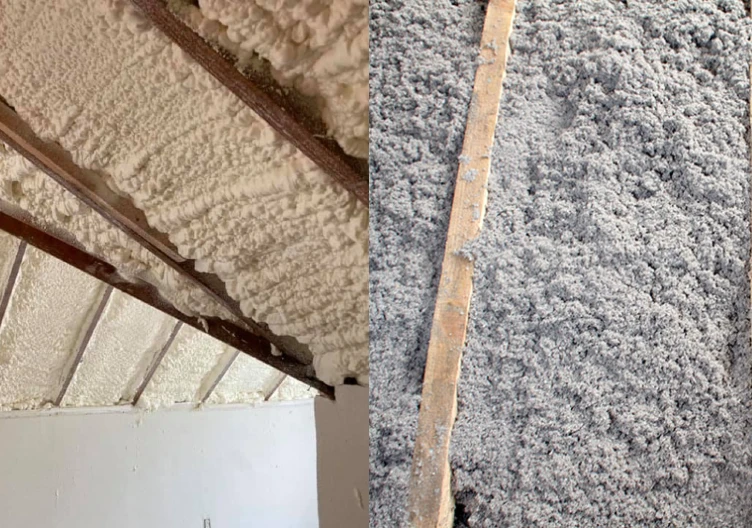
| Cellulose | Darkening color, heavy clumping, musty smell | Holds moisture like a sponge, promotes mold |
| Spray Foam | Discoloration (yellowing), shrinkage away from studs | Air gaps, potential moisture entry points |
Things to Consider Before Making a Decision
Identifying the problem is only the first step. Deciding whether to repair or remove the insulation requires evaluating several factors.
Extent of Damage Small, isolated patches of mold might be treatable, but widespread contamination usually requires full insulation removal. If rodent droppings cover a large area, the health risks of disturbing the material often outweigh the cost of replacement. The Centers for Disease Control and Prevention warns that disturbing rodent droppings can release harmful viruses into the air, making professional handling the safest option.
Structural Integrity Water damage rarely affects just the insulation. It often signals a roof leak or plumbing issue. Before replacing insulation, homeowners must fix the source of the moisture. Neglecting this step ensures the new insulation will get wet and fail again.
Health Risks Individuals with respiratory issues, compromised immune systems, or allergies should avoid entering contaminated spaces. Disturbing mold or rodent waste releases particulates into the air that can linger long after the work is done.
Bonus Tip: Check the Vapor Barrier
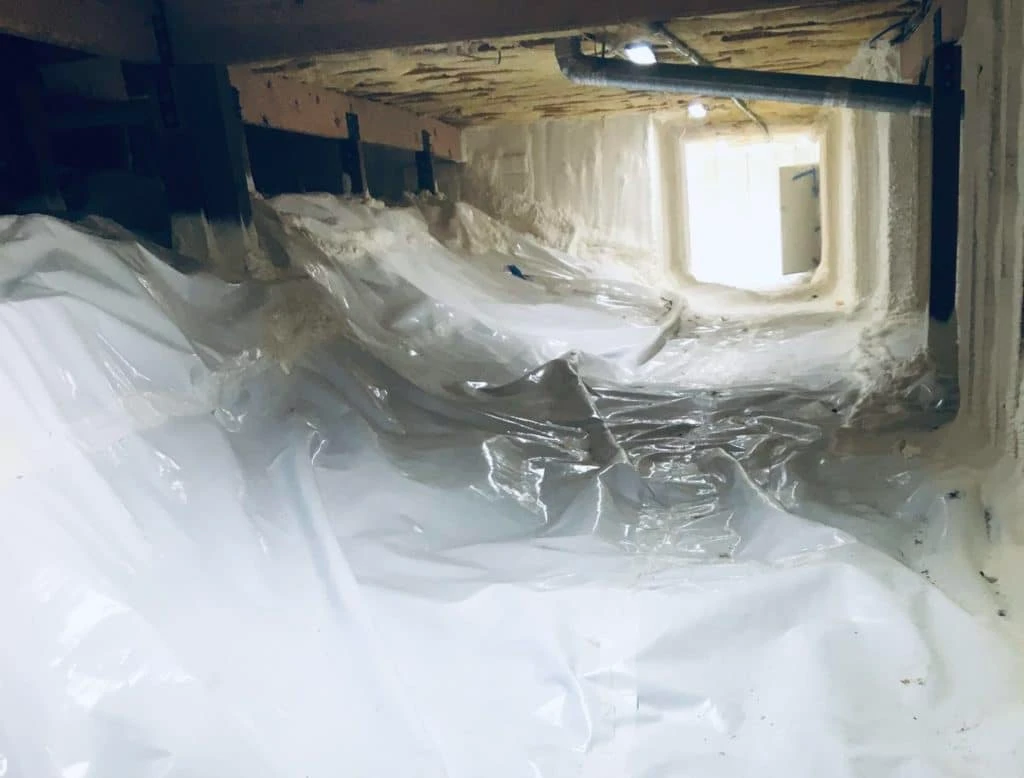
In crawl spaces, check the plastic vapor barrier lying on the ground. If it is torn, missing, or covered with standing water, the insulation above it is likely compromised. A failing vapor barrier allows ground moisture to rise and saturate the insulation.
Bonus Tip: Inspect After Heavy Storms
Kyle experiences severe thunderstorms and occasional hail. Inspecting the attic after major weather events helps catch roof leaks immediately. Early detection prevents water from soaking the insulation for extended periods, which reduces the chance of total failure.
Final Thoughts on Insulation Health
Protecting a home requires attention to the parts of the house that are usually out of sight. Contaminated insulation reduces efficiency and creates health hazards for residents. Regular inspections help catch these issues early before they cause significant damage. Homeowners should assess their specific situation, considering the age of their insulation and the history of pest or water problems. Taking action at the first sign of trouble preserves the value of the home and ensures the indoor air quality remains safe.
Contact Stelller for Assistance
Evaluating insulation safety is a task that often requires professional expertise. Stellrr Insulation & Spray Foam provides thorough inspections to identify contamination sources and recommend effective solutions. Contact Stellrr Insulation & Spray Foam by calling (512) 710-2839 or sending an email to info@stellrr.com to schedule an assessment of your home’s insulation needs.
Frequently Asked Questions
What are the health risks of contaminated insulation?
Contaminated insulation can cause respiratory issues, skin irritation, and allergic reactions. Mold spores and rodent waste are the primary culprits. Rodent waste can carry Hantavirus, a serious respiratory disease. Mold exposure triggers asthma attacks and other allergic responses.
Is a musty smell a guaranteed sign of mold?
While musty odors strongly suggest mold, they can also come from rodent urine or accumulated dust. However, any persistent organic smell in an attic indicates biological activity that requires investigation. Ignoring the smell will not make the problem go away.
Can new insulation be installed over old, contaminated material?
Installing new insulation over old material is a bad practice. It seals the contaminants inside the home, creating a permanent hazard. It also prevents the new insulation from performing correctly because the underlying layer cannot dry out or provide proper thermal resistance.
How do professionals safely remove contaminated insulation?
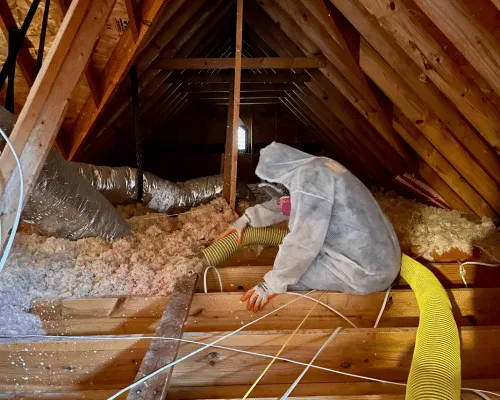
Professionals use commercial-grade vacuums with HEPA filtration systems to capture fine particles without releasing them into the home. They wear personal protective equipment, including respirators and full-body suits, to limit exposure. The waste is bagged securely and transported to approved disposal facilities.
Sources
- Environmental Protection Agency – Brief description of mold growth timelines and prevention tips.
- Centers for Disease Control and Prevention – Guidelines on safely cleaning up rodent waste and health risks associated with rodent infestations.