
Disposing of old insulation creates significant environmental challenges, primarily because construction and demolition waste frequently ends up in landfills where it occupies valuable space and contributes to long-term pollution. The environmental cost varies by material type, with fiberglass taking centuries to decompose and spray foam releasing harmful chemicals if incinerated. Proper disposal requires identifying the material, checking local regulations, and utilizing specialized recycling facilities when available to mitigate these negative effects.
Homeowners and contractors often underestimate the complexity of insulation removal. Stelller frequently encounters projects where previous removal efforts caused contamination or resulted in unnecessary landfill waste due to a lack of planning. Understanding the specific properties of the insulation material determines the correct disposal path and helps minimize the ecological footprint of a renovation project.
The Scale of the Problem
Construction and demolition activities generate a massive amount of waste. According to the Environmental Protection Agency, debris from these projects accounted for more than 600 million tons in 2018 alone. Insulation accounts for a significant portion of this waste stream due to its volume and frequent replacement during energy-efficiency upgrades. Unlike organic waste, insulation materials do not break down quickly. Fiberglass and mineral wool can persist in the environment for centuries, while foam boards made from polystyrene or polyurethane are petroleum-based plastics that fragment into microplastics over time.
When insulation enters a standard landfill, it loses its potential for future use. Many insulation types, particularly fiberglass and cellulose, contain recycled content. Throwing them away destroys the loop of recycling, requiring the extraction and processing of new raw materials to replace them. This cycle increases energy consumption and industrial emissions, further compounding the environmental impact beyond the physical waste sitting in the ground.
Material Specific Risks and Handling
Different insulation materials present distinct environmental hazards.
Fiberglass and Mineral Wool
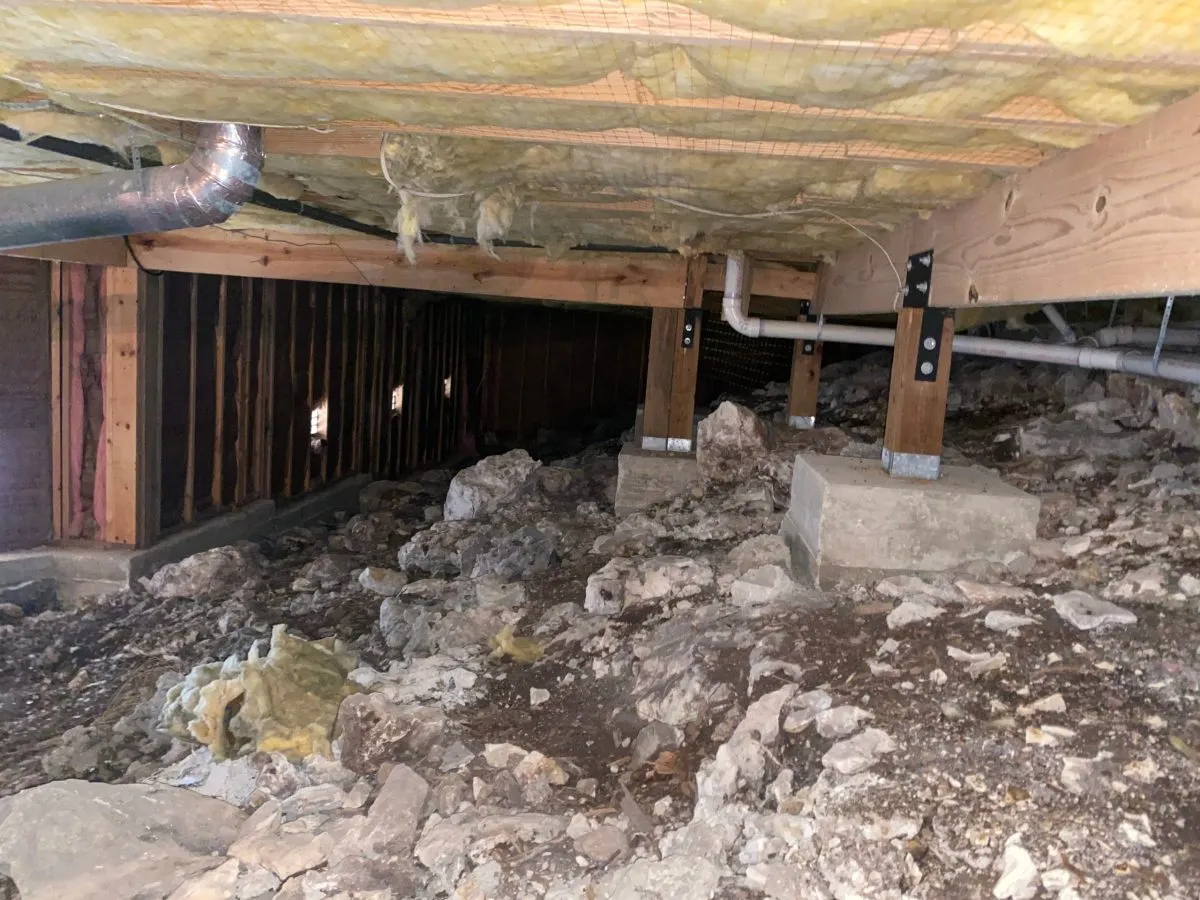
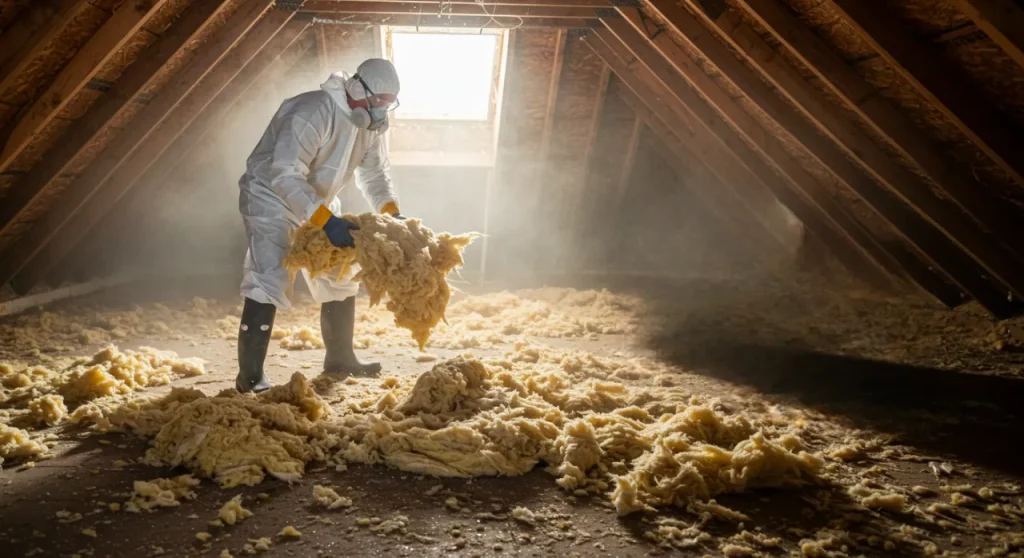
These materials consist of spun glass or rock fibers. While not classified as hazardous waste, they become a nuisance if they escape containment. The fibers can irritate skin, eyes, and lungs. If blown by the wind from open trucks or uncovered dumpsters, these particles disperse into the surrounding environment. In landfills, they occupy significant volume because they are difficult to compress effectively.
Spray Foam and Rigid Board Foams
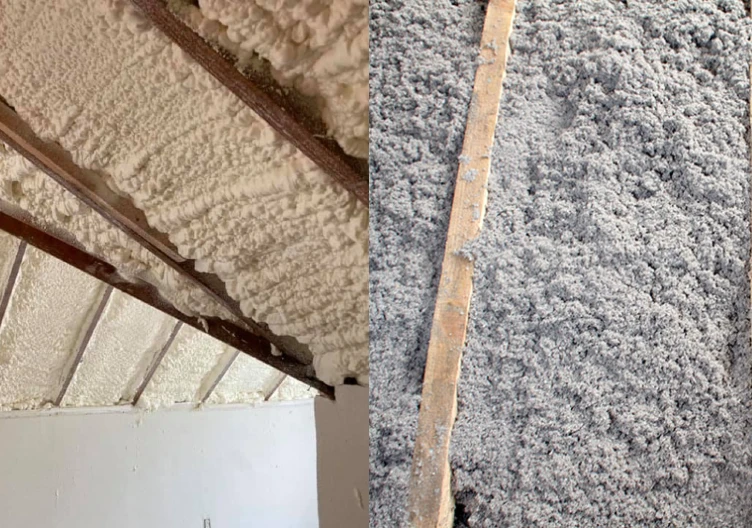
Polyurethane and polystyrene foams are plastics derived from fossil fuels. They are difficult to recycle because of the fire-retardant additives and chemical binders used in their production. Burning these materials releases toxic fumes, including styrene and hydrogen cyanide. Consequently, many waste facilities strictly prohibit their incineration, leaving landfill disposal as the only option.
Cellulose
Made from recycled paper, cellulose is one of the more eco-friendly options. It is biodegradable and often treated with borates for fire and pest resistance. However, if wet, it becomes extremely heavy and difficult to transport. While it can theoretically decompose, the chemical treatments in some products may affect soil quality if composted in large quantities.
Vermiculite and Asbestos
Older homes built before the 1990s may contain vermiculite insulation, specifically Zonolite attic insulation. Much of this vermiculite originated from a mine contaminated with asbestos. Disturbing this material releases microscopic asbestos fibers into the air, posing severe health risks to anyone nearby. This material requires professional abatement and disposal in designated hazardous waste landfills.
Bonus Tip: Before disturbing any fluffy, pebble-shaped insulation in an older home, do not touch it. Assume it may contain asbestos until a professional tests it. Disturbing it turns a minor disposal issue into a major health hazard.
Disposal Options by Material
The following table outlines the typical end-of-life paths for common insulation materials. Understanding these categories helps plan a renovation project effectively.
| Material Type | Typical Recyclability | Common Disposal Method | Environmental Risk Level |
|---|---|---|---|
| Fiberglass Batts | Moderate (some facilities accept) | Landfill or Specialty Recycler | Low (physical irritant) |
| Blown-in Fiberglass | Low to Moderate | Landfill | Low (physical irritant) |
| Spray Foam | Very Low | Landfill | Medium (chemical stability) |
| Rigid Foam Board | Low | Landfill | Medium (petroleum-based) |
| Cellulose | High (organic use) | Compost or Landfill | Low |
| Vermiculite | None | Hazardous Waste Facility | High (asbestos risk) |
Market Data and Recycling Potential
The recycling market for insulation remains small but is growing. The Insulation Institute reports that manufacturers increasingly use recycled glass and slag in fiberglass products, with some brands containing up to 50% recycled content. However, the infrastructure to recycle insulation from homes into new products is limited. Some specialized facilities grind fiberglass batts into “loose fill” for reuse in other walls, but this requires the material to be clean, dry, and free of debris like wiring or staples.
Transportation logistics also play a role in the environmental equation. Compact materials like rigid foam board have a lower carbon footprint to transport per R-value than bulky blown-in fiberglass. If a recycling facility is located hundreds of miles away, the fuel emissions from trucking the waste might outweigh the benefits of recycling it. Local solutions are almost always the greener choice.
Things to Consider Before Making a Decision
Several factors influence how a property owner should approach insulation removal and disposal.
Local Regulations Municipalities have strict rules regarding construction waste. Dumping insulation in standard residential trash bins is often illegal and can result in fines. Transfer stations require tickets and charge tipping fees based on volume or weight.
Material Contamination Insulation often absorbs dirt, dust, rodent droppings, and moisture. Contaminated insulation cannot be recycled. It must go straight to the landfill. Testing the material for asbestos is a mandatory step before removal if the home was built before 1990.
Volume and Weight Blown-in insulation compresses significantly. Bagging it efficiently reduces the number of trips required to the dump. Wet cellulose is incredibly heavy and can exceed the weight limits of standard pickup trucks or dumpsters.
Regional Considerations
Climate affects the state of insulation at the time of removal. In regions like Texas, where Stelller operates, extreme heat can degrade the binders in fiberglass batts over time. This degradation causes the material to shed more fibers during removal, increasing the risk of airborne particulates. High humidity can also lead to mold growth on cellulose insulation, making it a biohazard that requires careful handling rather than simple recycling or disposal.
In colder climates, ice dams can cause water damage to insulation, compressing it and reducing its effectiveness. Wet insulation loses its thermal resistance and can rot wooden structures. Removing this material is necessary to prevent structural decay, but the added weight makes disposal more labor-intensive and expensive.
Bonus Tips for Responsible Disposal
- Salvage What You Can: If removing fiberglass batts to access wiring or plumbing, try to remove them in large, intact pieces rather than shredding them. Clean, dry batts can sometimes be donated to Habitat for Humanity ReStores if they are in good condition.
- Separate Materials: Keep insulation separate from other construction debris like wood or drywall. Mixing materials makes it much harder for recycling centers to process any part of the waste stream.
- Check with Manufacturers: Some large insulation manufacturers have take-back programs or partnerships with recyclers. Contacting the company whose insulation is currently in the attic might reveal a disposal solution not advertised locally.
Summary
Understanding the environmental impact of disposing of old insulation requires considering the material’s entire lifecycle. While some types, like cellulose, offer better biodegradability, most insulation contributes to long-term landfill volume. Identifying the specific material, checking for hazards like asbestos, and seeking out recycling options are the most effective ways to reduce this impact. Prioritizing material integrity during removal enables reuse or recycling, keeping tons of waste out of landfills. Every renovation project presents an opportunity to handle construction debris responsibly.
Get Help With Your Project
Deciding how to handle old insulation can be confusing and potentially dangerous. Stellrr Insulation & Spray Foam provides expert guidance on insulation removal and disposal to ensure safety and environmental compliance. For assistance or a consultation, contact the team at info@stellrr.com or call (512) 710-2839.
Frequently Asked Questions
Does insulation decompose in a landfill?
Most modern insulation materials do not decompose. Fiberglass and mineral wool are essentially stone or glass and will remain inert for hundreds or thousands of years. Cellulose is biodegradable, but the lack of oxygen in deep landfills slows decomposition significantly, leading to methane production.
Why is spray foam so hard to recycle?
Spray foam expands and cures into a hard plastic that sticks to everything. Removing it usually requires cutting it away from the structure, resulting in irregular pieces mixed with wood and debris. Separating the foam from these contaminants is too expensive for most recyclers.
What happens to recycled fiberglass?
Recycled fiberglass is typically ground down and used as a feedstock for manufacturing new insulation products or mixed into other materials for soundproofing panels. It closes the loop on the use of glass and sand resources.
Can I put insulation in a dumpster rental?
Yes, most dumpster rental companies accept construction debris, including insulation. However, they often have weight limits. Since insulation is light but bulky, you might fill the volume space quickly without hitting the weight limit, or you might hit the weight limit with wet cellulose before the dumpster is full.
Is disposing of insulation expensive?
Costs vary based on volume and location. Landfill tipping fees are charged by the ton or by the yard. Homeowners doing the work themselves must pay for bags, dump fees, and truck fuel. Professional removal includes labor and disposal fees but ensures safety and regulatory compliance.
Sources
- Environmental Protection Agency – Provides comprehensive data on the generation and management of construction and demolition debris in the United States.
- Insulation Institute – Offers information on the sustainability practices of the insulation industry, including the use of recycled content in manufacturing.