
The attic, walls, and crawl space provide the highest return on investment for insulation in Austin homes. These three areas alone account for approximately 80% of heat loss and gain in typical Central Texas residences. Austin’s hot summers and mild winters make proper insulation essential for maintaining comfortable indoor temperatures while reducing energy costs throughout the year. This guide breaks down exactly where homeowners should focus their insulation efforts for maximum impact.
With over a decade of experience insulating homes across the Austin metropolitan area, Stellrr Insulation & Spray Foam has identified specific zones where insulation delivers measurable results in our unique climate. The following information comes from hands-on work with hundreds of local properties and understanding how Texas heat interacts with building materials.
Top Priority Areas for Home Insulation
Attic Space
The attic represents the single most critical area for insulation in Austin homes. During summer months, Austin attics can reach temperatures exceeding 150 degrees, creating a continuous heat transfer into living spaces below. According to data from the U.S. Department of Energy, proper attic insulation can reduce cooling costs by 10-50%, depending on existing conditions.
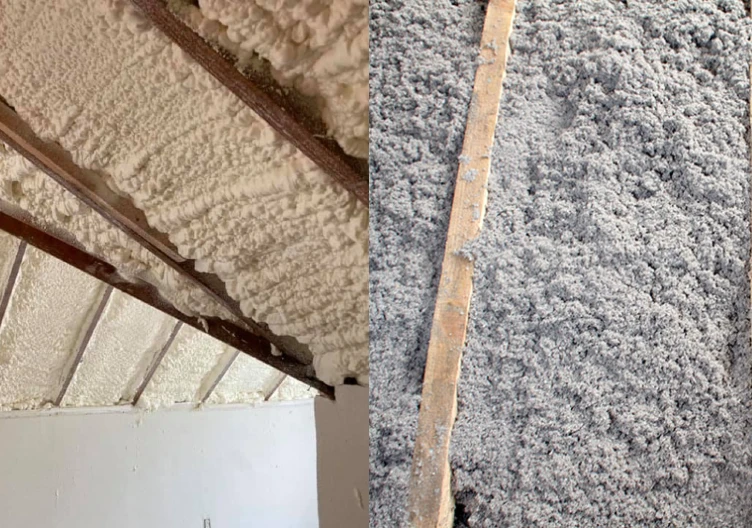
For Austin’s climate zone, the Department of Energy recommends R-38 to R-60 insulation in attics. Most existing Austin homes have far less than this, often featuring inadequate or compressed insulation that needs replacement or augmentation. The installation method matters too – blown-in cellulose or fiberglass typically provides better coverage than batts in the irregular spaces found in many Austin attics.
Bonus Tip: Address air sealing before adding insulation. Even the best home insulation performs poorly if air leaks around light fixtures, plumbing penetrations, and attic hatches remain unsealed. These gaps can account for up to 30% of a home’s air leakage.
Wall Cavities
Wall insulation ranks second in importance for Austin homeowners. Many homes built before the 1990s have minimal or no wall insulation, allowing heat to radiate directly through exterior walls during summer afternoons. The east and west-facing walls deserve special attention since they receive the most intense sun exposure in Austin.
For existing homes, blown-in insulation through drilled holes offers the most practical solution. This process involves drilling small holes between wall studs, filling cavities with insulation material, and then patching the holes. While more invasive than attic work, properly insulated walls can reduce heat gain by up to 25% during Austin’s hottest months.
Crawl Spaces and Floors
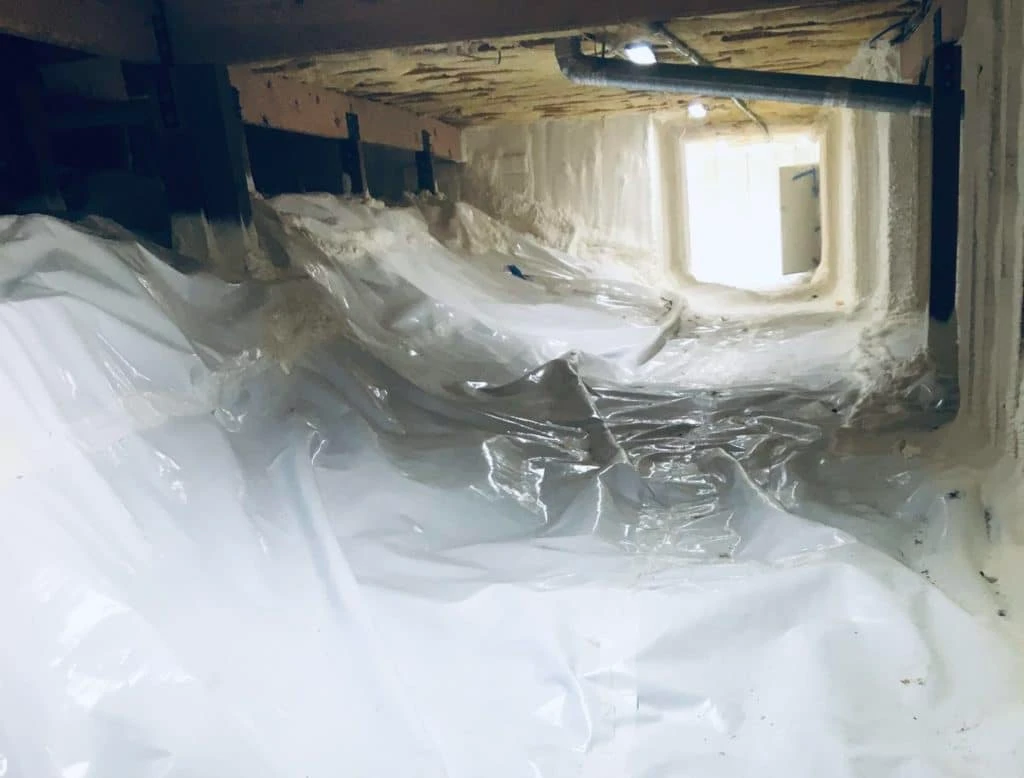
Austin’s elevated homes with crawl spaces benefit significantly from floor insulation. Unconditioned crawl spaces create direct heat transfer through the flooring during summer and heat loss during cooler winter nights. Insulating crawl space walls rather than just the floor joists often provides better results, especially when combined with proper vapor barriers.
The approach differs based on whether the crawl space is ventilated or unvented. Vented crawl spaces require insulation between floor joists, while unvented spaces perform better with wall insulation and sealed moisture barriers. Austin’s high humidity makes proper moisture control essential alongside insulation.
Regional Considerations for Austin Homes
Climate-Specific Insulation Values
Austin falls in ASHRAE climate zone 2A, requiring different insulation standards than northern states. The focus here is primarily on reducing heat gain rather than preventing heat loss. This means prioritizing radiant barriers and reflective insulation alongside traditional materials.
A report from Austin Energy shows that Homes that meet recommended insulation standards experience a significant reduction in annual cooling expenses. These utility savings typically allow the upgrade to pay for itself within a few years, making it one of the most financially sound improvements for Austin residents
Local Building Code Requirements
Austin has adopted the 2021 International Energy Conservation Code with local amendments. New construction must meet minimum insulation requirements, but these standards represent the baseline rather than the optimal performance level. Many Austin homeowners choose to exceed code requirements for better energy efficiency and comfort.
Existing homes aren’t required to meet current code standards, but upgrading provides similar benefits regardless of legal requirements. Austin’s Home Performance with ENERGY STAR program offers resources for homeowners wanting to assess their current insulation levels.
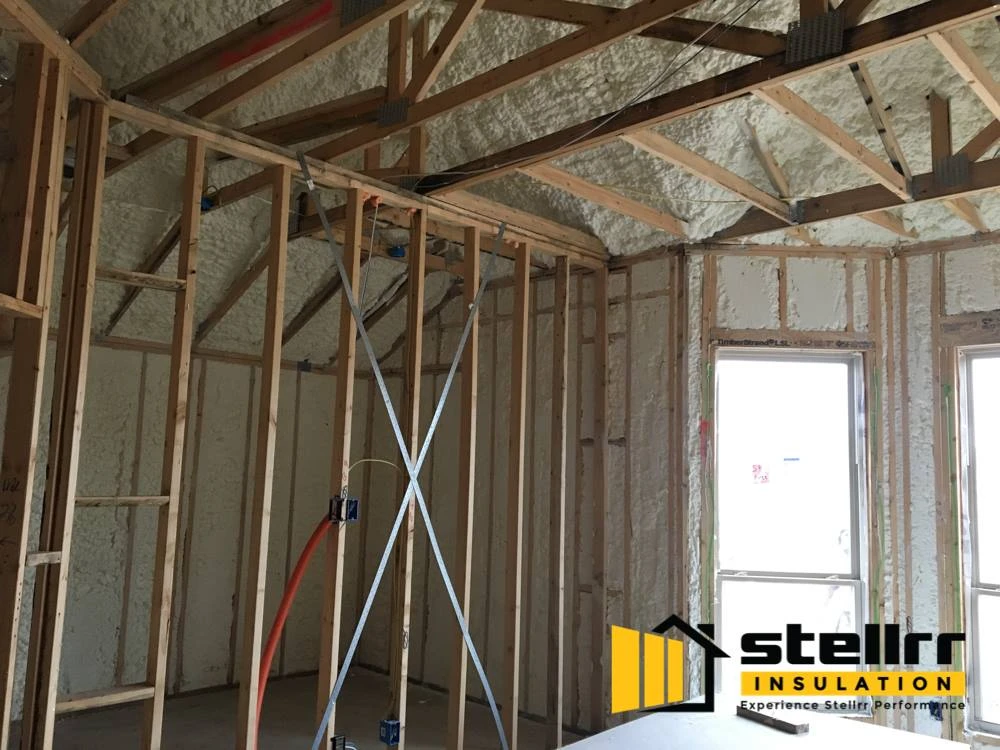
Comparison of Insulation Effectiveness by Area
| Area | Energy Savings Potential | Installation Difficulty | Typical ROI Timeline |
|---|---|---|---|
| Attic | 10-50% cooling reduction | Low | 2-4 years |
| Walls | 15-25% heat gain reduction | Medium | 4-6 years |
| Crawl Space | 10-20% improvement | Medium | 3-5 years |
| Ductwork | 5-15% efficiency gain | Variable | 2-3 years |
Things to Consider Before Making a Decision
Current Insulation Condition
Before adding new insulation, assess what currently exists. Compressed, moisture-damaged, or pest-infested insulation should be removed rather than covered. Many Austin homes have insulation that has settled over time, reducing its effective R-value. A professional energy audit can identify specific problem areas.
Air Sealing Priority
Insulation works best when combined with proper air sealing. Austin’s older homes often have numerous air leaks around windows, doors, and penetrations. Addressing these gaps first prevents conditioned air from escaping and makes insulation more effective. The Building Performance Institute recommends air sealing as the first step in any insulation project.
Moisture Management
Austin’s humidity requires attention to moisture management alongside insulation. Poorly installed insulation can trap moisture, leading to mold growth and structural damage. Ensure proper ventilation in attics and crawl spaces, and consider vapor barriers in moisture-prone areas. Spray foam insulation provides both thermal resistance and air sealing but requires careful installation to avoid moisture issues.
Ductwork Location
Many Austin homes have HVAC ductwork running through unconditioned attics or crawl spaces. Insulating these ducts can provide immediate benefits, often at lower cost than full-space insulation. Leaky ducts combined with poor insulation can reduce system efficiency by 30% or more.
Bonus Tip: Consider a hybrid approach using spray foam in critical areas like rim joists and rooflines, with traditional insulation in larger, accessible areas. This maximizes benefits while controlling costs.
Bonus Tip: Schedule insulation upgrades alongside roof replacement for maximum efficiency. This allows for easy attic access and the opportunity to address ventilation needs simultaneously.
Making the Right Choice for Your Austin Home
Proper insulation prioritization depends on your specific home’s condition and your comfort goals. Start with a professional assessment to identify the most cost-effective improvements for your situation. Focus first on the attic, then address walls and crawl spaces based on your budget and existing conditions. Remember that Austin’s climate demands special attention to moisture management and air sealing alongside insulation for optimal results.
Evaluating your home’s specific insulation needs requires a professional assessment. Stellrr Insulation & Spray Foam offers comprehensive energy evaluations to identify the most effective insulation strategy for your Austin property. Contact us at info@stellrr.com or call (512) 710-2839 to schedule an inspection and discuss how targeted insulation improvements can enhance your home’s comfort and efficiency.
Frequently Asked Questions
Can I add insulation over existing material?
Yes, in most cases, you can add new insulation over existing material without removal. This is common in Austin attics, where homeowners add several inches of blown-in insulation over older batt insulation. Ensure the existing insulation is dry and in good condition before covering it.
How long does home insulation last?
Quality insulation can last 50+ years when properly installed. However, settling, moisture damage, and pest activity can reduce effectiveness over time. Austin homes may need attention after 20-30 years, especially if the original installation was substandard or damage has occurred.
Does insulation help with soundproofing?
Yes, insulation provides sound-dampening benefits in addition to thermal performance. Dense pack insulation in walls can reduce noise transmission between rooms and from outside. This additional benefit is particularly valuable in Austin’s denser urban neighborhoods.
Should Radiant Barriers Be Added?
Radiant barriers can reduce summer heat gain in Austin attics by reflecting radiant heat from the sun. These are most effective when combined with adequate traditional insulation. The benefit is greatest in homes with limited shading and good attic ventilation. Austin Energy’s testing shows 5-10% reduction in cooling costs when radiant barriers are properly installed.
When Is the Best Time to Install Insulation?
Fall and spring provide ideal conditions for insulation work in Austin, with moderate temperatures and lower humidity. However, the benefits are year-round, so timing shouldn’t delay necessary upgrades. Summer installations are common but may require additional precautions for installer comfort and material handling.
Should I DIY or hire professionals?
While some insulation projects are DIY-friendly, professional installation ensures proper coverage and avoids common mistakes. Austin’s specific requirements for air sealing and moisture management often make professional work worthwhile, especially for spray foam or complex wall insulation projects.
Sources
- U.S. Department of Energy – Federal agency providing comprehensive insulation guidelines and energy savings data for different climate zones
- Austin Energy – Austin’s municipal utility offering local rebate programs and energy efficiency resources for homeowners
- Building Performance Institute – National organization setting standards for home energy auditing and weatherization best practices