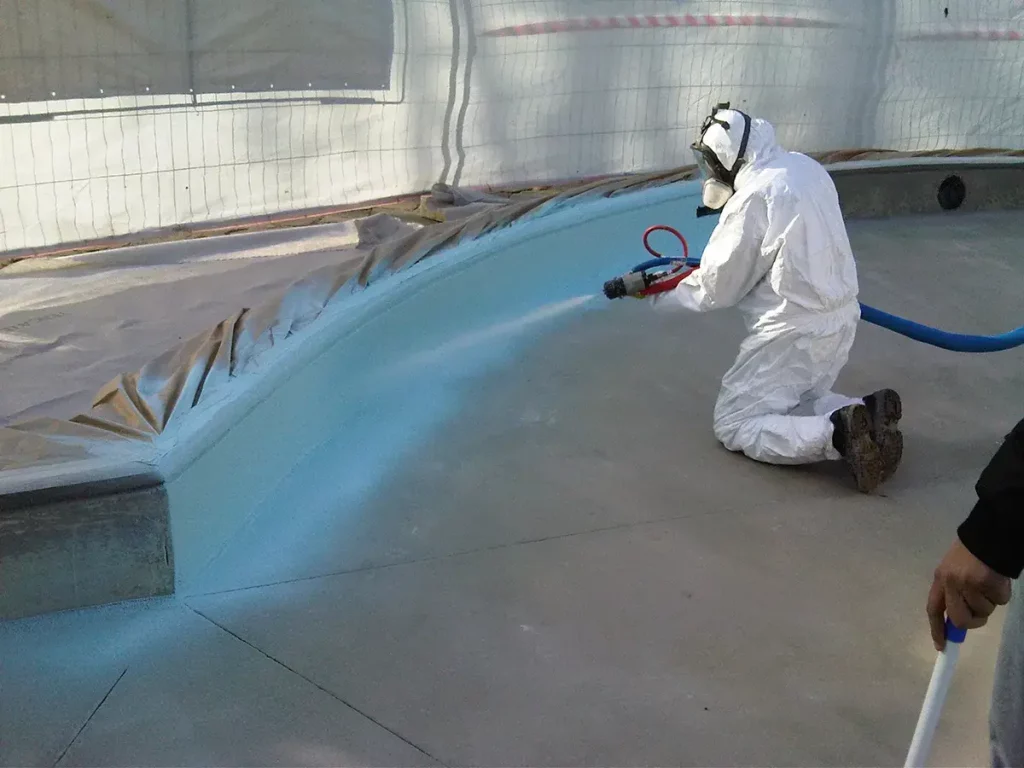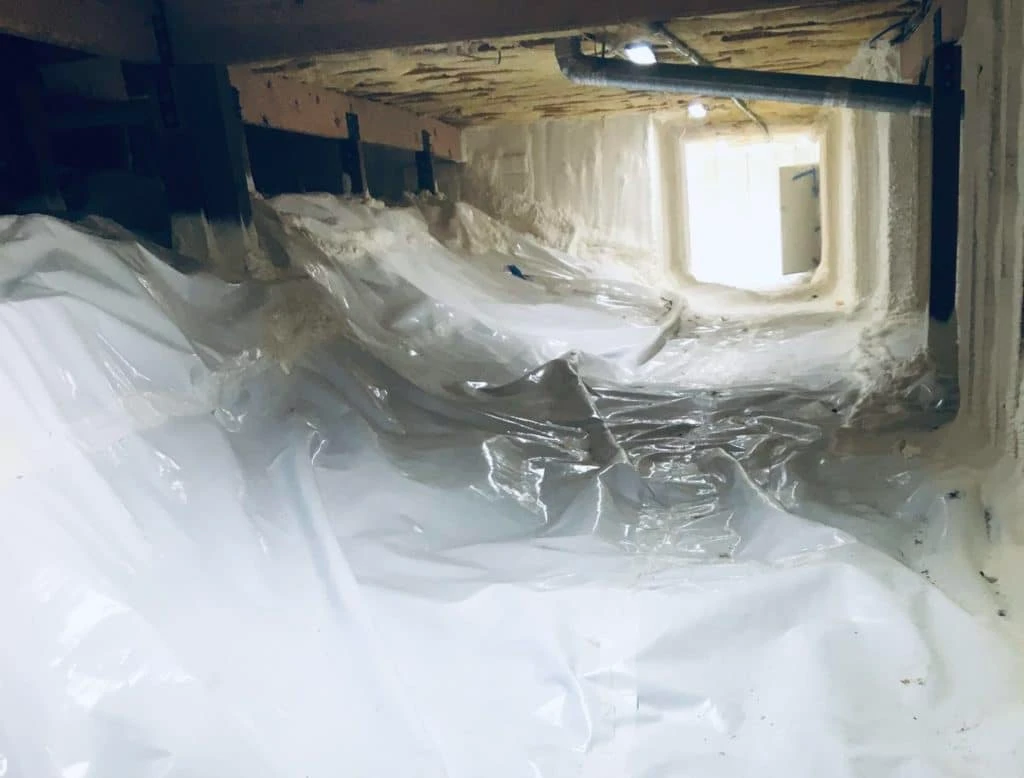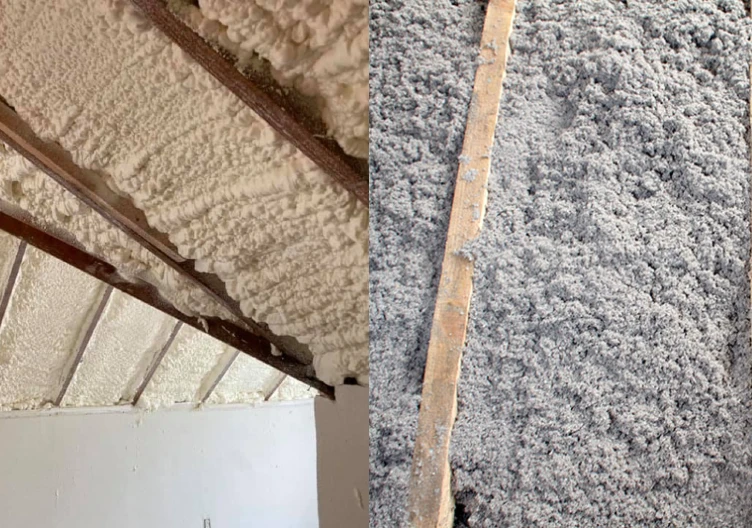

Upgrading home spray foam insulation is about more than just adding thick layers of pink fluff to an attic; it is a strategic renovation that stabilizes indoor temperatures, lowers energy demand, and drastically improves indoor air quality. For most homeowners, the core solution involves identifying the building’s thermal envelope weaknesses, specifically air leaks and insufficient R-values, and sealing them with high-performance materials like spray foam or dense-pack cellulose to stop heat transfer at the source.
Many homes built in the last two decades lack the thermal barriers required by modern energy-efficiency standards. A proper upgrade does not simply trap heat; it controls airflow and moisture, preventing expensive structural damage over time. This guide breaks down exactly what you need to understand to make an informed investment in your property’s long-term health and your personal comfort. At Stellrr Insulation & Spray Foam, we have seen firsthand how the right insulation strategy turns drafty, inconsistent houses into efficient, comfortable homes.
The Real Cost of Being Under-Insulated
Most homeowners do not realize their house is leaking money until they see a spike in utility bills during peak summer or winter months. The North American Insulation Manufacturers Association (NAIMA) estimates that roughly 90% of U.S. homes are under-insulated, forcing heating and cooling systems to work overtime.
When insulation is inadequate, your HVAC system fights a losing battle against the outdoor climate. Heat naturally moves from warmer areas to cooler ones. In the winter, valuable heat escapes through the roof and walls. In the summer, radiant heat from the sun penetrates the building envelope, making upper floors unbearably hot.
Market Data and Efficiency Facts
Investing in thermal improvements offers a proven return on investment. Homeowners can save an average of 15% on heating and cooling costs by air sealing their homes and adding insulation in attics, floors over crawl spaces, and accessible basement rim joists.
The demand for better energy solutions is growing rapidly as energy costs rise. Data from Towards Chem and Materials projects suggests that the global residential insulation market will see significant growth in 2025. This growth signals that more property owners are prioritizing thermal efficiency not just for comfort, but as a financial shield against volatile energy prices.
Comparing Insulation Materials: Specifics Matter
Not all insulation performs the same task. While the primary goal is to resist heat flow, as measured by the R-value, the material’s physical properties determine where it should be used. Some materials are excellent for soundproofing interior walls but fail in damp basements, while others provide structural rigidity and air sealing but cost more upfront.
The following table compares common residential insulation types to help you visualize their performance:
| Insulation Type | Approx. R-Value (Per Inch) | Best Application | Primary Benefit |
|---|---|---|---|
| Closed Cell Spray Foam | R-6.0 to R-7.0 | Roof decks, basements, exterior walls | Acts as a moisture barrier and air seal; highest R-value per inch. |
| Open Cell Spray Foam | R-3.6 to R-3.9 | Attics, interior walls, cathedral ceilings | Expands to fill gaps; excellent sound dampening. |
| Rigid Foam Board | R-4.5 to R-6.5 | Foundation walls, exterior sheathing | High durability; resists moisture well in below-grade areas. |
| Cellulose (Blown-in) | R-3.1 to R-3.8 | Attic floors, enclosed wall cavities | Made from recycled paper; has good fire resistance, and fits around obstacles. |
| Fiberglass Batts | R-2.9 to R-4.3 | Standard stud bays, joists | Widely available and affordable; effective if installed perfectly without compression. |
Note: R-values can vary slightly based on the specific brand and installation density.
Bonus Tip: Pay attention to the attic hatch or pull-down stairs. This is essentially a large hole in your ceiling. Treat the hatch door with rigid foam and weatherstripping to stop heat from sucking right out of your hallway.
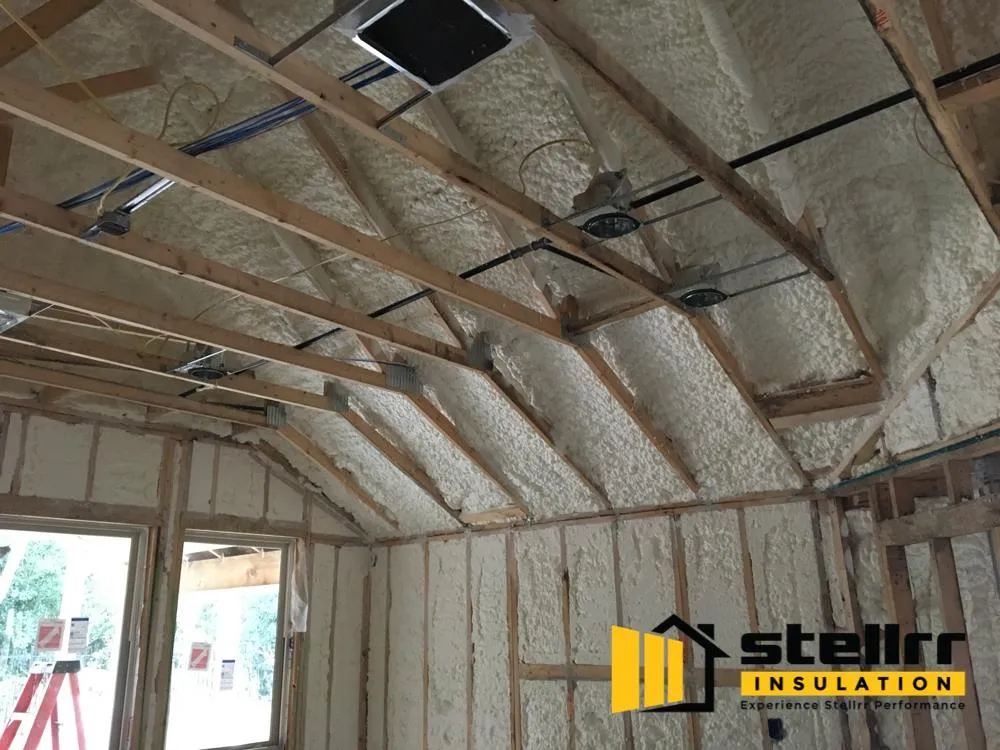
Things to Consider Before Making a Decision
Choosing the right upgrade path requires evaluating more than just the price per square foot. You must assess the current condition of your home’s “envelope,” the physical barrier between the conditioned indoor air and the unconditioned outdoor air.
1. Air Sealing is Critical
Insulation works like a wool sweater; it keeps you warm, but the wind can blow right through it. Air sealing is the windbreaker. If you add fiberglass batts to an attic without first sealing the air leaks, you will still lose significant energy. RetroFoam of Michigan notes that airflow (convection) through improper insulation can render the R-value nearly useless. You must seal gaps around light fixtures, plumbing stacks, and top plates before adding insulation.
2. Moisture Management
Your home needs to manage moisture effectively to prevent mold growth. In humid climates or damp areas like basements, using a water-absorbing material, such as standard fiberglass, can lead to mold issues if not paired with a proper vapor barrier. Closed-cell spray foam is often superior in these zones because it naturally repels water and prevents condensation from forming on cold surfaces.
3. Indoor Air Quality Goals
Your insulation choice directly impacts the air you breathe. Old, decaying fiberglass can release particulates, while gaps in the envelope allow dust, pollen, and pests to enter. A report from Insulation Commandos highlights that modern spray foam creates an airtight barrier that dramatically reduces the infiltration of outdoor allergens and pollutants, acting like a shield for your indoor air quality.
Bonus Tip: Check your rim joists (the perimeter of your basement ceiling) for gaps. This is a notorious source of cold drafts and insect entry, often overlooked during basic inspections.
Summary
Upgrading your insulation is a fundamental step toward a durable, energy-efficient property. By focusing on air sealing first and selecting materials that match your home’s specific moisture and thermal needs, you address comfort issues at their root. Do not just look at the price tag; consider the performance, the material’s lifespan, and the health benefits of a sealed, clean environment. Evaluate your current situation, check the depth of your attic, and prioritize sealing the envelope before adding more R-value.
Ready to Transform Your Home?
Stop letting your hard-earned money escape through your attic. Stellrr Insulation & Spray Foam provides expert diagnostics and high-performance solutions tailored to your home’s unique needs. We help you take control of your comfort and energy bills.
Contact Stellrr Insulation & Spray Foam:
Phone: (512) 710-2839
Email: info@stellrr.com
Frequently Asked Questions
Does spray foam insulation cause roof wood rot?
No, when installed correctly. Wood rot occurs when moisture gets trapped against the wood. Open-cell foam is breathable, allowing the roof deck to dry if it gets wet. Closed-cell foam is impermeable but prevents moisture from reaching the wood from the inside. The key is to ensure your roof shingles and flashing are in good condition to prevent water leaks from the outside.
Will upgrading insulation make my house too airtight?
A house cannot be “too tight,” but it can be under-ventilated. The goal is to build tightly and ventilate properly. By sealing random, dirty air leaks from the attic or crawlspace, you gain control over the airflow. You can then use mechanical ventilation (like an ERV or HRV) to bring in fresh, filtered air exactly where and when you need it.
How long does an insulation upgrade take?
Most residential retrofit projects are completed quickly. Attic upgrades typically take one day. Whole-home spray foam retrofits in walls, attics, and crawl spaces might take 2 to 3 days, depending on the size of the home and the complexity of removing old material.
Is the investment tax-deductible?
Yes, in many cases. Under the Inflation Reduction Act and similar legislation, homeowners may be eligible for tax credits for energy-efficient home improvements, including insulation and air sealing materials. It is wise to consult a tax professional to determine which specific credits apply to your tax year.
Sources
- Towards Chem and Materials – Global market size and growth trends for residential thermal insulation.
- RetroFoam of Michigan – Detailed comparison of insulation R-values and the impact of air leakage.
- Insulation Commandos – Information on how insulation barriers improve indoor air quality by reducing pollutants.