
Proper insulation directly improves indoor air quality by preventing moisture intrusion, reducing mold growth, and limiting the infiltration of outdoor pollutants and allergens. When installed correctly, insulation acts as a barrier that controls air movement, moisture transfer, and thermal exchange, creating a healthier indoor environment for building occupants. This connection between insulation and air quality is often overlooked but represents a critical factor in building health and employee productivity.
This article explains the mechanisms through which insulation affects indoor air quality, examines different insulation materials and their impact on health, and provides practical guidance for making informed decisions about commercial insulation projects. The information is based on extensive field experience and current research from building science experts.
The Science Behind Insulation and Air Quality
Insulation influences indoor air quality through three primary mechanisms: moisture control, air filtration, and temperature stability. Each of these factors plays a role in maintaining a healthy indoor environment. Moisture control prevents mold and mildew growth, which can release harmful spores into the air. Air filtration reduces the entry of outdoor pollutants, pollen, and other contaminants. Temperature stability prevents condensation issues that can lead to microbial growth.
The effectiveness of insulation in improving air quality depends largely on proper installation. Even the best insulation materials will underperform if installed incorrectly, leaving gaps that allow air leakage and moisture intrusion. According to research from the U.S. Environmental Protection Agency, proper insulation and air sealing can reduce indoor air pollution by preventing outdoor pollutants from entering the building envelope.
Buildings with poor insulation often experience temperature fluctuations that create condensation on interior surfaces. This moisture accumulation creates ideal conditions for mold growth, which can release mycotoxins into the air. Stellrr Insulation & Spray Foam has observed that commercial properties with inadequate insulation systems frequently report higher rates of respiratory issues among occupants compared to properly insulated buildings.
Insulation Materials and Their Impact on Air Quality
Different insulation materials vary significantly in their impact on indoor air quality. Some materials naturally resist mold and moisture, while others may release volatile organic compounds (VOCs) or other particles into the air. The choice of insulation material should consider both thermal performance and air quality implications.
Common Insulation Materials
Fiberglass insulation remains one of the most popular choices for commercial applications due to its cost-effectiveness and fire resistance. Modern fiberglass products use formaldehyde-free binders that reduce off-gassing concerns. When properly installed with vapor barriers, fiberglass provides good moisture resistance and does not support mold growth.
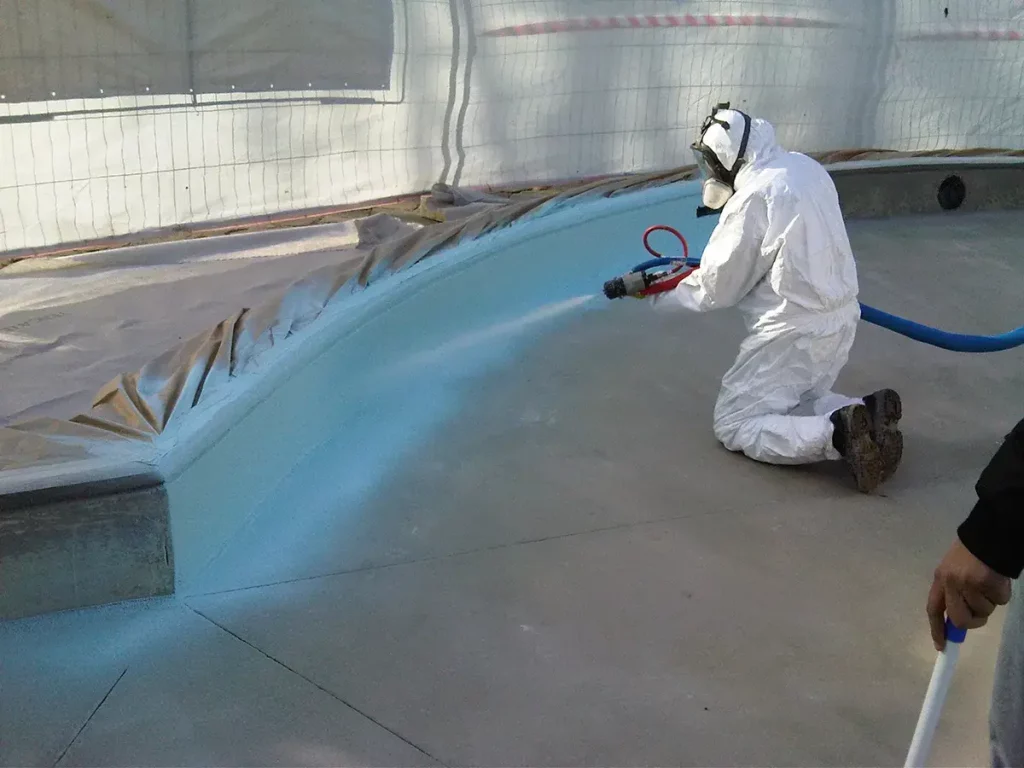
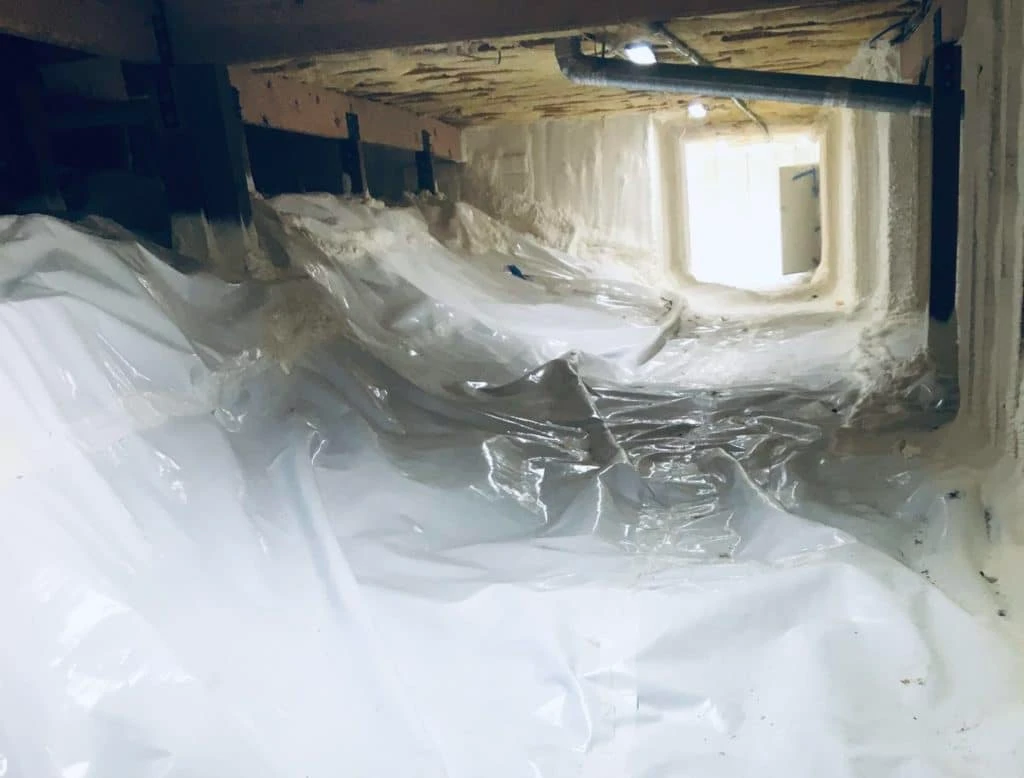
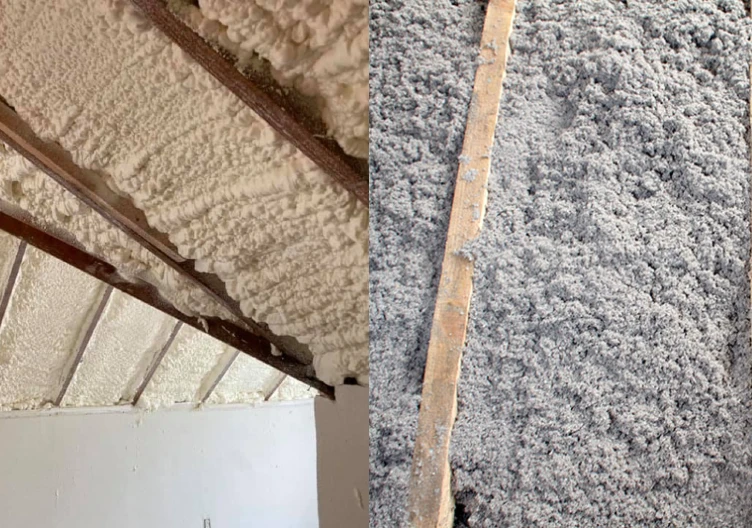
Spray foam insulation offers superior air sealing capabilities but requires careful installation to avoid VOC exposure during application. Once cured, closed-cell spray foam creates an effective moisture barrier that prevents condensation issues. However, improper installation can lead to off-gassing problems that may affect indoor air quality for months after installation.
Cellulose insulation, made from recycled paper products, provides good thermal performance but requires careful moisture management. Treated with borate compounds for fire resistance and pest control, cellulose naturally resists mold growth when kept dry. However, if moisture penetrates the insulation, it can become compacted and lose effectiveness while potentially supporting microbial growth.
Insulation Material Comparison
| Material | Air Quality Impact | Moisture Resistance | Installation Considerations |
|---|---|---|---|
| Fiberglass | Low VOC emissions when formaldehyde-free | Good with vapor barrier | Requires careful sealing of gaps |
| Spray Foam | Potential VOC exposure during application | Excellent | Professional installation essential |
| Cellulose | Natural, minimal off-gassing | Fair when dry | Needs moisture protection |
| Mineral Wool | Naturally mold-resistant | Good | No chemical binders needed |
| Rigid Foam | Possible VOC off-gassing | Varies by type | Requires proper air sealing |
Market data indicates that the commercial insulation market is growing significantly, with the global market expected to reach billions by 2026, according to a report from Grand View Research. This growth reflects increasing awareness of insulation’s role in both energy efficiency and indoor environmental quality.
Regional Climate Considerations
The effectiveness of different insulation strategies varies significantly based on regional climate conditions. Buildings in humid coastal regions face different challenges than those in dry desert climates or cold northern zones. Understanding these regional differences is essential for selecting the right insulation approach.
In humid climates like the southeastern United States, moisture control becomes the primary concern. Insulation must work in conjunction with proper HVAC systems to manage humidity levels and prevent mold growth. The U.S. Department of Energy recommends higher R-values in these regions, combined with continuous air barriers and proper ventilation systems.
Cold climate regions face different challenges, primarily condensation issues caused by warm indoor air contacting cold surfaces. Here, the insulation strategy must focus on preventing thermal bridging and maintaining consistent interior surface temperatures. This often requires continuous insulation exterior to the structural elements, combined with careful air sealing.
A study published by the Harvard School of Public Health found that buildings in colder climates with proper insulation showed 40% fewer respiratory health complaints among occupants compared to similar buildings with inadequate insulation systems. This research demonstrates the direct connection between insulation quality and occupant health outcomes.
Things to Consider Before Making a Decision
When planning insulation upgrades for commercial spaces, several key factors should influence decision-making. These considerations extend beyond simple R-value calculations to include indoor air quality implications, building usage patterns, and long-term maintenance requirements.
Building Usage and Occupancy Patterns affect the optimal insulation strategy. Buildings with high occupant density may benefit more from insulation materials with superior air quality characteristics. Facilities that house sensitive populations, such as healthcare or educational institutions, should prioritize insulation materials with minimal off-gassing potential.
Existing Building Conditions significantly impact the choice of insulation approach. Older buildings may have existing moisture problems or air quality issues that must be addressed before adding insulation. Conducting thorough building diagnostics, including moisture assessments and air quality testing, helps identify potential problems that insulation might exacerbate if left untreated.
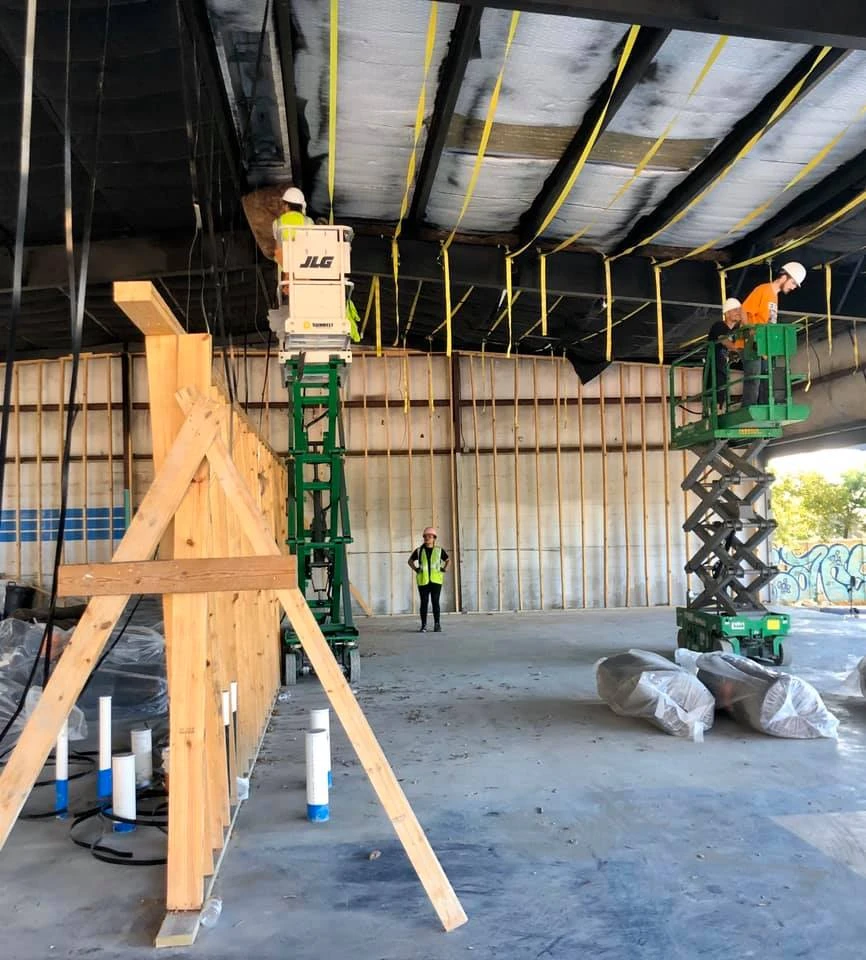
Installation Quality matters more than material choice. Even the best insulation material will underperform if installed incorrectly. Proper air sealing, vapor barrier placement, and integration with other building systems require skilled installers who understand building science principles.
Life Cycle Costs should include health-related expenses. When evaluating insulation options, consider not just the initial installation cost but also the long-term impact on occupant health, productivity, and healthcare costs. Research consistently shows that improved indoor air quality leads to reduced absenteeism and increased productivity.
Bonus Tips
Tip 1: Conduct a blower door test before and after insulation installation to measure air leakage reduction. This test provides concrete data on how effectively the insulation system seals the building envelope and prevents air infiltration that could carry pollutants.
Tip 2: Install continuous air barriers rather than relying on insulation alone for air sealing. Continuous air barriers, such as specialized house wraps or fluid-applied membranes, work with insulation to create a comprehensive system that controls both heat flow and air movement.
Tip 3: Coordinate insulation upgrades with HVAC system improvements for optimal indoor air quality results. The insulation and ventilation systems must work together as integrated components rather than separate systems. When insulation reduces air leakage, the HVAC system may need rebalancing to maintain proper ventilation rates.
Next Steps for Your Building
Improving indoor air quality through proper insulation represents a significant investment in occupant health and building performance. The right approach depends on your specific building conditions, climate challenges, and usage patterns. Start with a comprehensive assessment of your current insulation system and indoor air quality measurements to identify the most effective upgrades for your situation.
For professional guidance on insulation solutions that improve both energy efficiency and indoor air quality, contact the experts at Stellrr Insulation & Spray Foam. Our team can provide detailed assessments and recommendations tailored to your commercial property’s specific needs. Reach out via email at info@stellrr.com or call (512) 710-2839 to schedule a consultation and take the first step toward healthier indoor air in your commercial space.
Frequently Asked Questions About Insulation and Indoor Air Quality
Does new insulation smell bad?
Most modern insulation materials have minimal odor when properly installed. Some spray foam products may have a temporary smell during curing that typically dissipates within 24-72 hours with adequate ventilation. Fiberglass and mineral wool insulation are generally odor-free once installed.
Can insulation cause breathing problems?
Poorly installed or damaged insulation can contribute to breathing problems through several mechanisms. Fiberglass particles can irritate respiratory systems if exposed, while mold growth in damp insulation can trigger allergic reactions and asthma. Proper installation and moisture management prevent these issues.
How long does insulation off-gas?
The off-gassing period varies significantly by material. Fiberglass with formaldehyde-free binders has minimal off-gassing. Spray foam insulation may off-gas for 24-72 hours after application, though some products continue to release small amounts of VOCs for several weeks. Proper ventilation during and after installation speeds this process.
Is it worth upgrading insulation just for air quality benefits?
Yes, in many cases, the health benefits alone justify insulation upgrades. Studies consistently show that improved indoor air quality reduces respiratory issues, increases productivity, and decreases absenteeism. These health benefits often provide a return on investment comparable to or greater than energy savings.
Sources
- U.S. Environmental Protection Agency – Comprehensive resources on indoor air quality factors and building strategies
- Harvard School of Public Health – Research studies on building environmental quality and occupant health outcomes