
Insulation needs replacement when energy bills spike unexpectedly, indoor temperatures fluctuate significantly between rooms, or the material itself shows visible signs of damage, such as moisture, compression, or pest activity. Stellrr Insulation & Spray Foam advises homeowners to inspect their insulation annually, as performance degrades over time due to settling and environmental factors. This guide outlines the specific warning signs that indicate a home’s thermal barrier has failed and requires immediate attention to restore efficiency and comfort.
Rising Energy Costs and Uneven Temperatures
The most immediate indicator of failing insulation is often found in the monthly utility bill. Heating and cooling typically account for nearly half of a home’s energy use. When insulation degrades, the HVAC system works overtime to compensate for the loss of thermal resistance, leading to higher consumption. If energy bills rise consistently during peak summer or winter months despite similar usage patterns, the insulation is likely underperforming.
Uneven temperatures throughout the house serve as another practical warning sign. A well-insulated home maintains a consistent temperature from room to room. If one bedroom feels stuffy while another remains cool, or if floors feel cold in winter, the thermal barrier is compromised. This issue often stems from gaps in coverage or settling that has reduced the material’s thickness.
Visible Physical Damage to Insulation
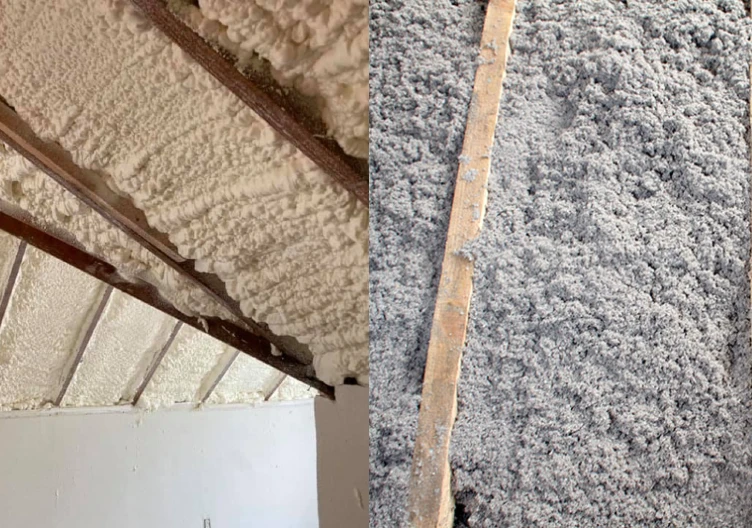
A visual inspection of the attic or crawlspace reveals the condition of the insulation. Different materials exhibit distinct failure modes. The table below details what to look for during a visual inspection.
| Insulation Type | Visual Signs of Failure | Performance Impact |
|---|---|---|
| Fiberglass Batts | Flattened, dirty, or dark spots; torn paper backing | Reduced thickness limits airflow resistance; tears allow air passage |
| Cellulose (Loose-fill) | Significant settling more than 20% below rafters; clumpy texture | Lower R-value due to density loss; clumps suggest moisture damage |
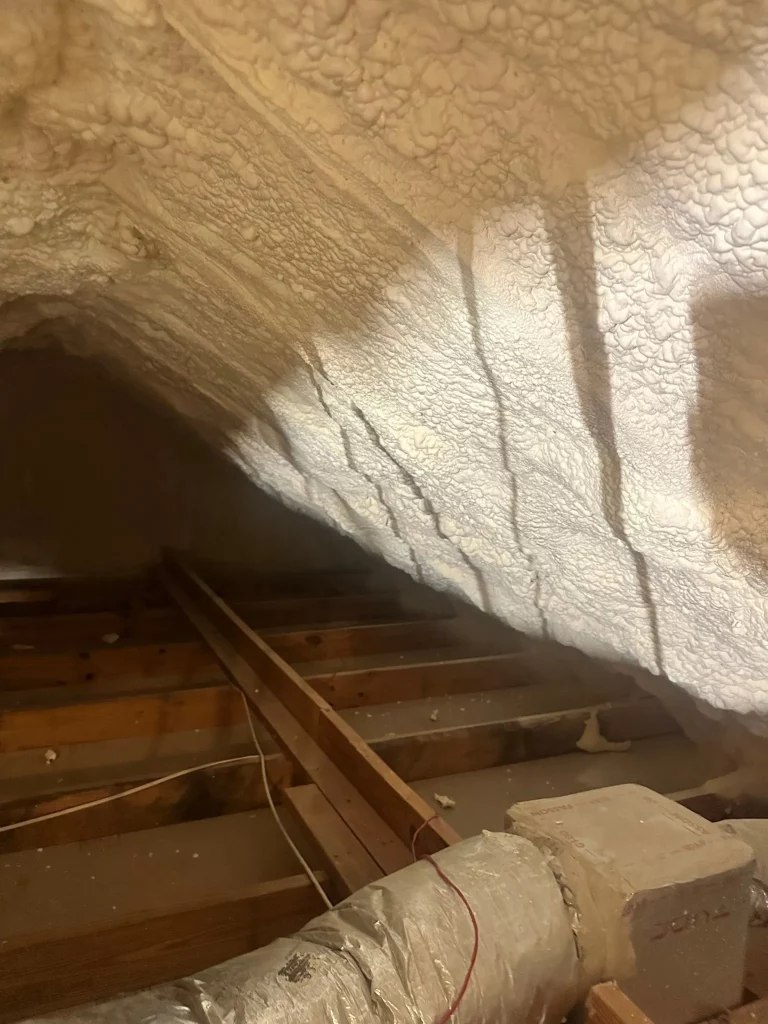
| Spray Foam | Cracking, shrinking, or pulling away from studs/rafters | Creates gaps for air leaks; reduces the effective thermal envelope |
Bonus Tip: Use a flashlight to inspect the eaves in the attic. If the insulation level does not reach the top of the floor joists, it has likely settled too much to be effective.
Moisture and Water Intrusion
Water is the enemy of insulation. When insulation gets wet, it loses its ability to resist heat transfer effectively. In areas with high humidity or heavy rainfall, moisture can enter the attic through roof leaks or improper ventilation. Wet insulation feels heavy to the touch and may appear matted or compressed.
Moisture problems also create serious health risks. Damp insulation provides a breeding ground for mold and mildew, which can spread through the home’s ventilation system. If a musty odor persists in the home or if black streaks appear on the attic framing, the insulation likely requires removal and replacement rather than just repair. According to the U.S. Environmental Protection Agency, controlling moisture is the primary way to prevent mold growth in buildings.
Bonus Tip: Check the insulation after heavy storms. Look for water stains on the ceiling, drywall or damp spots on the attic floor directly under the roof deck.
Pest Infestation and Animal Activity
Pests such as rodents, squirrels, and bats often seek refuge in insulated spaces. These animals disturb insulation to create nests, tunneling through loose-fill materials or tearing apart batts. This activity destroys the air pockets necessary for the material to function correctly. Homeowners should look for droppings, tunnels, or nesting materials within the insulation layers.
Contaminated insulation poses health hazards. Animal waste carries pathogens that can become airborne. If signs of infestation are present, a simple repair is not enough. The affected areas must be removed to sanitize the space before installing new material.
Drafts and Cold Walls
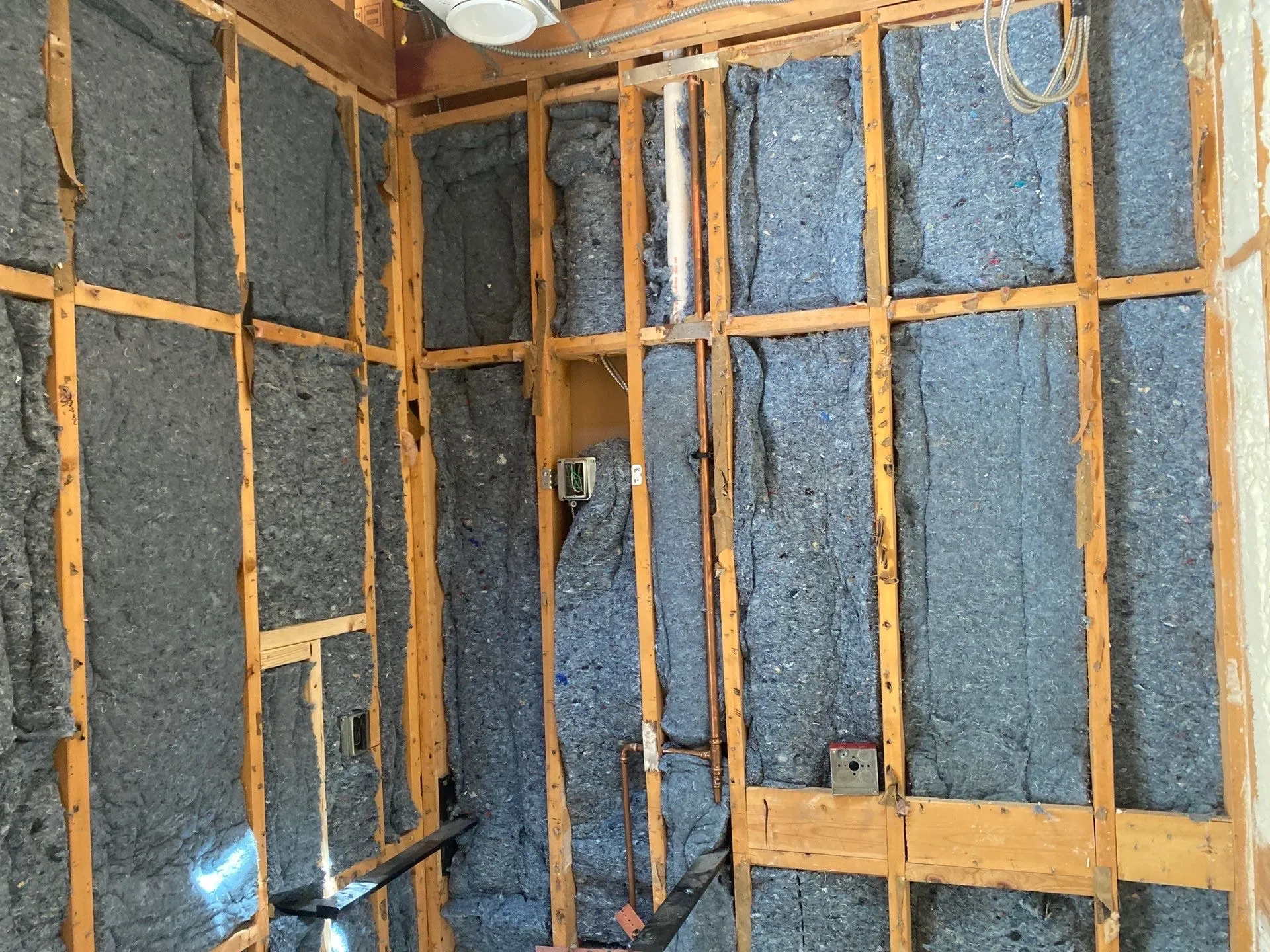
Feeling drafts or noticing cold walls during winter suggests insulation failure. While drafts often come from air leaks around windows and doors, cold walls indicate that the insulation within the wall cavities is no longer blocking the outside temperature. This often happens when insulation settles inside wall studs, leaving a void at the top of the cavity.
To test this, touch the walls on a cold day. If they feel cold to the touch despite the heater running, the insulation is not doing its job. In hotter climates, walls will feel excessively warm to the touch if the insulation fails to block outdoor heat.
Market Data and Energy Efficiency
The financial impact of poor insulation is substantial. According to data from the U.S. Department of Energy, proper air sealing and insulation can reduce a home’s heating and cooling costs by an average of 15%. In regions with extreme temperatures, such as the southern United States, the savings potential is even higher due to the heavy reliance on air conditioning.
Homes built more than 15 years ago are particularly susceptible to insulation degradation. Building codes have evolved significantly, meaning that insulation installation done decades ago likely falls short of modern recommendations for energy efficiency. Upgrading to current standards not only improves comfort but also increases the property value.
Things to Consider Before Making a Decision
Before committing to a full replacement, several factors require evaluation to ensure the solution addresses the specific needs of the home.
Climate Zone: The local climate dictates the required R-value (thermal resistance) of the insulation. Homes in hot climates need insulation with high heat resistance to keep the interior cool, while colder climates require insulation to retain heat. Checking the recommended R-values for the specific region ensures the new insulation performs effectively year-round.
Air Sealing Insulation works best when air is prevented from moving through it. Before adding new material, seal gaps around pipes, wires, and light fixtures in the attic or crawlspace. Ignoring air leaks renders even high-end insulation ineffective. Stelller emphasizes that air sealing is a prerequisite step for maximizing the lifespan and performance of new insulation.
Ventilation Proper attic ventilation works in tandem with insulation. Without adequate intake and exhaust vents, heat and moisture can build up in the attic, damaging the insulation from above. Ensure that soffit vents are not blocked by insulation baffles. Improving airflow extends the life of the new installation and prevents roof damage.
Removal vs. Layering Sometimes, adding new insulation over old material is acceptable, provided the old layer is dry and free of mold. However, if the existing insulation is damaged, heavily compressed, or contains pests, complete removal is necessary. Removing the old material allows for a fresh start and ensures no hidden issues compromise the new layer.
Final Thoughts
Identifying failing insulation requires attention to both physical signs and performance metrics like energy bills. Cold walls, high costs, and visible damage are clear signals that the thermal barrier has been compromised. Taking action early prevents further energy waste and structural damage. Homeowners should evaluate their specific insulation type, consider regional climate needs, and ensure proper air sealing before investing in new materials. Addressing these issues promptly restores comfort and protects the home from long-term damage.
Get Professional Help
Assessing insulation needs requires a thorough inspection of areas that many homeowners overlook. Stelller provides detailed evaluations to identify specific failure points and recommend the right solutions. For expert guidance on insulation replacement or to schedule an assessment, contact Stelller at info@stellrr.com or call (512) 710-2839 to ensure the home stays comfortable and efficient year-round.
Frequently Asked Questions
What are the visual signs of bad insulation?
Visual signs include flattened or compressed material, water stains, mold growth, and gaps in coverage. In attics, if the floor joists are visible above the insulation level, it has settled too much.
How do I know if my wall insulation is failing?
Signs of failing wall insulation include cold spots on walls in winter, rooms that are difficult to heat or cool, and unusually high energy bills. A professional thermal imaging scan can confirm this.
Is it worth removing old insulation?
Yes, if the old insulation is wet, moldy, or contains rodent droppings. Removing it prevents health risks and ensures the new insulation performs optimally without being weighed down or contaminated.
What is the lifespan of attic insulation?
Most insulation materials last 20 to 30 years, depending on the type and conditions. However, environmental factors like moisture and pests can shorten this lifespan dramatically, requiring earlier replacement.
Can bad insulation make my house colder?
Yes. Bad insulation allows heat to escape through the attic, walls, and floors. This forces the heating system to run constantly, yet the house will still feel drafty and cold because the heat is not being retained.
Sources
- U.S. Department of Energy – Tips for sealing and insulating your home, providing data on energy savings and efficiency standards.
- U.S. Environmental Protection Agency – Guidance on moisture control and mold prevention in residential buildings.