
The best time for insulation removal in Hutto, TX, is during the shoulder seasons, specifically late February through March or October through November. These periods provide mode[te temperatures that allow for safe and efficient work without the extreme risks associated with Texas summers or the efficiency losses of winter. Scheduling during these windows ensures the attic environment is manageable for technicians and prevents new insulation from being installed immediately before a heavy heat wave.
This guide explains why timing matters so much in Central Texas. Stelller has observed that homeowners who schedule removal during these specific windows face fewer delays and better long-term results. The following breakdown details the specific climate challenges in Hutto and how different seasons impact the insulation removal process.
Understanding the Hutto Climate Challenge
Hutto presents a challenging environment for attic work due to its humid subtropical climate classification. While winters are generally mild, the summers are intense and prolonged. Attics in this region can reach temperatures exceeding 150 degrees Fahrenheit on hot days. Energy Star notes that attic temperatures can soar up to 50 degrees higher than the outdoor temperature during peak summer months.
This extreme heat makes physical labor dangerous and can cause heat exhaustion quickly. Furthermore, the high humidity common in Williamson County can make attics feel even hotter than the thermometer suggests. Removing insulation is a labor-intensive process that generates significant dust and movement. Doing this in a stagnant, super-heated air space poses serious health risks.
The Optimal Windows for Removal
Spring Window (Late February to March)
The spring window offers the best balance of temperature and weather stability. February often brings cool mornings and mild afternoons, keeping the attic temperature comfortable. March provides similar benefits before the humidity spikes.
Scheduling removal in early spring ensures the home is ready for the cooling season. Once old, damaged insulation is gone, fresh material goes in before the summer heat arrives. This timing maximizes energy efficiency when air conditioning usage hits its peak.
Bonus Tip: Use the spring window to check for rodent activity that may have occurred during the winter. Rodents often seek warmth in attics and can leave behind waste that compromises air quality.
Fall Window (October to November)
Fall is the second-best option. By October, the intense heat usually breaks, making attic access safer. This timeframe is ideal for preparing the home for the winter heating season. Even though Hutto winters are mild, proper insulation retains heat and lowers energy bills.
However, homeowners must watch the weather forecast closely. Late fall storms can bring sudden rain, which might delay removal if the work requires roof access or ventilation.
Seasonal Comparison
The table below outlines the pros and cons of different times of year for this project in the Hutto area.
| Season | Temperature Range | Feasibility | Primary Risk |
|---|---|---|---|
| Spring (Feb-Mar) | Mild to Warm | High | Spring rains are causing delays |
| Fall (Oct-Nov) | Warm to Cool | High | Sudden cold snaps or storms |
| Winter | Cool to Cold | Moderate | Heat loss during the process; discomfort |
| Summer | Extreme Heat | Very Low | Heat stroke; material damage; dust issues |
Why Summer Removal Is Problematic
Attempting to remove insulation during a Hutto summer is rarely a good idea. The risks outweigh the benefits. The Centers for Disease Control and Prevention warns that high temperatures can lead to heat cramps, heat exhaustion, and heat stroke.
In a confined attic space without proper ventilation, these risks multiply. Insulation removal involves bagging heavy material and carrying it out. This exertion in high temperatures is dangerous. Additionally, the dust stirred up during removal mixes with sweat, creating a grueling environment that often leads to rushed work.
Bonus Tip: If removal must happen in summer due to an emergency like major water damage, schedule the work for the earliest morning possible and ensure industrial fans are running.
Things to Consider Before Making a Decision
Before scheduling the job, several specific factors need evaluation to ensure the process goes smoothly.
Presence of Pests Rodents and raccoons are common in Hutto. If droppings or nests are visible, the removal process changes. Simple vacuuming is not enough. The area requires sanitization and disinfecting to prevent the spread of hantavirus and other diseases. This adds time to the project but is necessary for safety.
Moisture and Water Damage Check for signs of roof leaks. Wet insulation is heavy and difficult to remove. It also breeds mold and mildew. If water damage is the cause for removal, the roof must be repaired first. Putting new insulation over a leak is a waste of money and will lead to the same problems quickly.
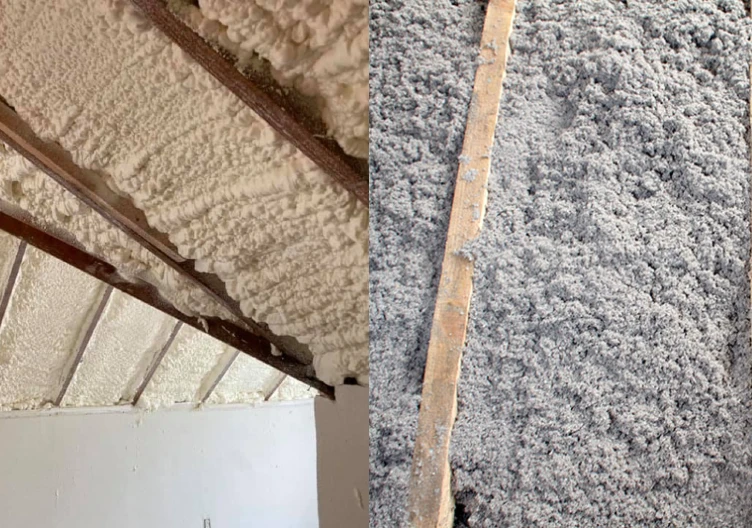
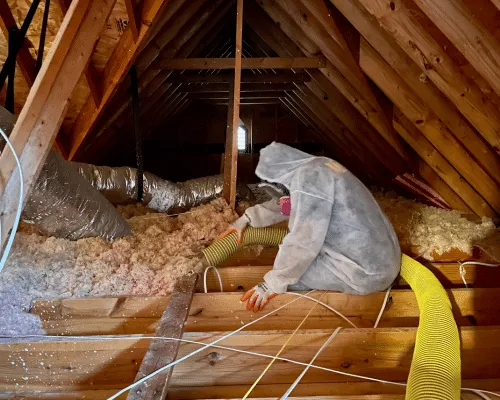
Type of Existing Insulation The material currently in the attic affects the timeline. Batts are usually easier and faster to remove than loose-fill cellulose or fiberglass. Blown-in insulation requires specialized high-powered vacuums. Knowing what is up there helps in getting accurate estimates.
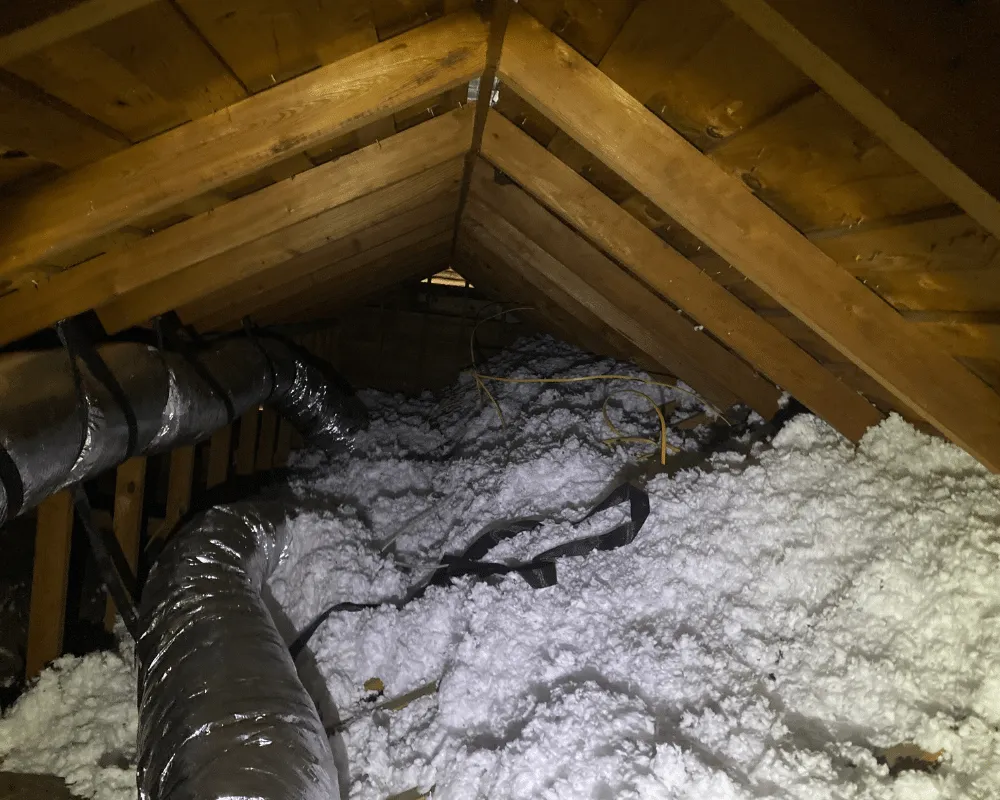
Air Sealing Needs Removal provides the perfect opportunity to seal air leaks. Once the old insulation is gone, gaps around plumbing stacks, electrical wires, and chimney chases become visible. Sealing these gaps before adding new insulation improves performance significantly.
The Insulation Institute states that air sealing works in tandem with insulation services in Hutto, TX to improve comfort and reduce energy costs. Doing one without the other leaves the system underperforming.
Final Thoughts
Timing dictates the success and safety of an insulation removal project in Hutto. The mild shoulder seasons of spring and fall offer the safest working conditions and the best preparation for the coming temperature extremes. Avoiding the summer heat protects the workers and ensures the job is done thoroughly without cutting corners due to heat stress.
Evaluating the specific condition of the attic before scheduling helps avoid surprises. Checking for pests, moisture, and the type of insulation allows for better planning. Taking the extra step to air seal while the attic is empty adds lasting value to the home. Stelller recommends homeowners plan this project well in advance of the peak seasons to secure a slot during the ideal weather windows.
Next Steps
Proper planning ensures the best results for insulation projects. For specific advice or to schedule an evaluation in the Hutto area, contact Stellrr Insulation & Spray Foam at (512) 710-2839 or email info@stellrr.com. A professional assessment can determine the exact condition of the current insulation and the best time of year to address it.
Common Questions
Does removing insulation temporarily reduce a home’s energy efficiency?
Yes, there is a short period where the home loses thermal protection. This is another reason to avoid winter removal. The goal is to minimize the time the attic is bare. Ideally, removal and new installation happen on consecutive days to prevent energy loss.
Can homeowners remove insulation themselves to save money?
It is possible, but not recommended for older homes or those with vermiculite insulation, which may contain asbestos. Professional removal ensures safety and proper disposal. Hutto has specific waste management rules for construction debris.
How long does the process usually take?
Most standard residential jobs take one day. Large attics or those heavily contaminated with pests may take two days. The removal phase is usually faster than the installation phase.
Is it necessary to remove old insulation before adding more?
Not always. If the existing insulation is dry, clean, and not compressed, new insulation can often be added on top. However, if there is rodent waste, mold, or significant compression, removal is the only option to restore efficiency and air quality.
Sources
- Energy Star – Government resource providing information on attic temperatures and insulation efficiency.
- The Centers for Disease Control and Prevention – Guidelines on heat-related illness and safety in high-temperature environments.
- The Insulation Institute – An industry resource providing technical data on insulation performance and air sealing best practices.