Properly insulating an above-garage room requires treating the floor as the primary barrier against the unconditioned garage below, rather than just another interior wall. You must air-seal the floor deck completely before adding insulation, and you must address the complex angles of knee walls and cathedral ceilings in these spaces. Standard wall insulation methods fail here because the garage space experiences extreme temperature swings that transfer directly into the room above through air leakage and thermal bridging.
This guide explains the specific steps required to turn a freezing room in winter or an oven in summer into a comfortable living space. Stelller has inspected hundreds of these rooms and found that almost every comfort issue stems from poor air sealing and insufficient floor insulation.
Understanding the Thermal Envelope
The room above a garage, often called a bonus room, presents a unique challenge. It has three exposed sides to the outside weather and a floor exposed to the garage. This creates a large surface area for heat to escape or enter. Unlike a standard bedroom with insulated walls on all sides, this space acts like a thermal island.
The garage itself is usually unconditioned. In the winter, the garage might be 40 degrees while the living room is 70. That 30-degree difference pushes heat through the floor rapidly. In the summer, a garage can exceed 100 degrees, baking the room from below. According to the U.S. Department of Energy, heating and cooling account for about 48% of the energy use in a typical U.S. home, making proper insulation in these difficult areas essential for efficiency.
Air Sealing the Floor and Rim Joist
Insulation does not stop air. It only filters it. If you stuff fiberglass batts into the floor joists but leave gaps around the wiring and plumbing pipes, air will still flow freely. You must seal the floor deck before installing any insulation material.
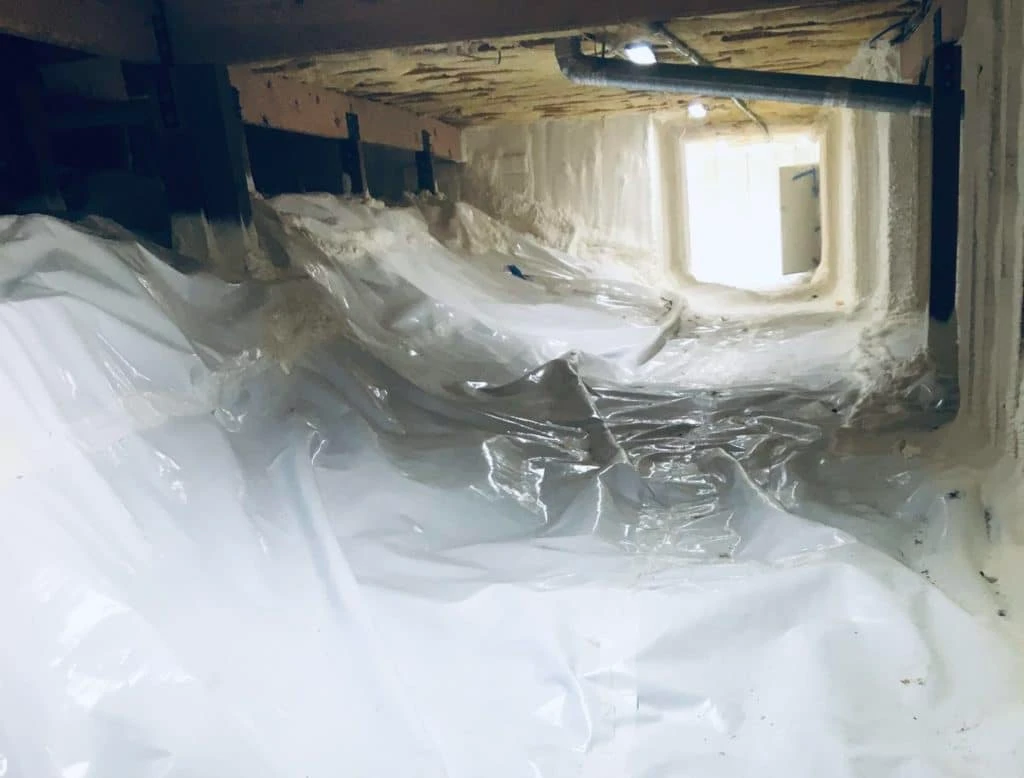
Start by inspecting the rim joist. This is the area where the floor joists sit on top of the garage wall. It is a major source of air leakage. Use foam caulk or canned spray foam insulation to seal the gap between the sill plate and the foundation, and between the rim joist and the subflooring above. This creates a continuous barrier.
Bonus Tip: Watch for Ductwork
Many homes have HVAC ducts running through the garage ceiling to feed the room above. If these ducts are not insulated and sealed, they lose a significant amount of energy before the air even reaches the room. Seal all duct joints with mastic tape and wrap the ducts in R-8 or higher insulation.
Choosing the Right Insulation Material
The type of insulation you choose depends heavily on whether the garage ceiling is already finished (drywalled) or if it has open joists. Access is the biggest factor.
Open Joist Bays (Best Case)
If the drywall is not yet installed, you have the best opportunity to do the job right.
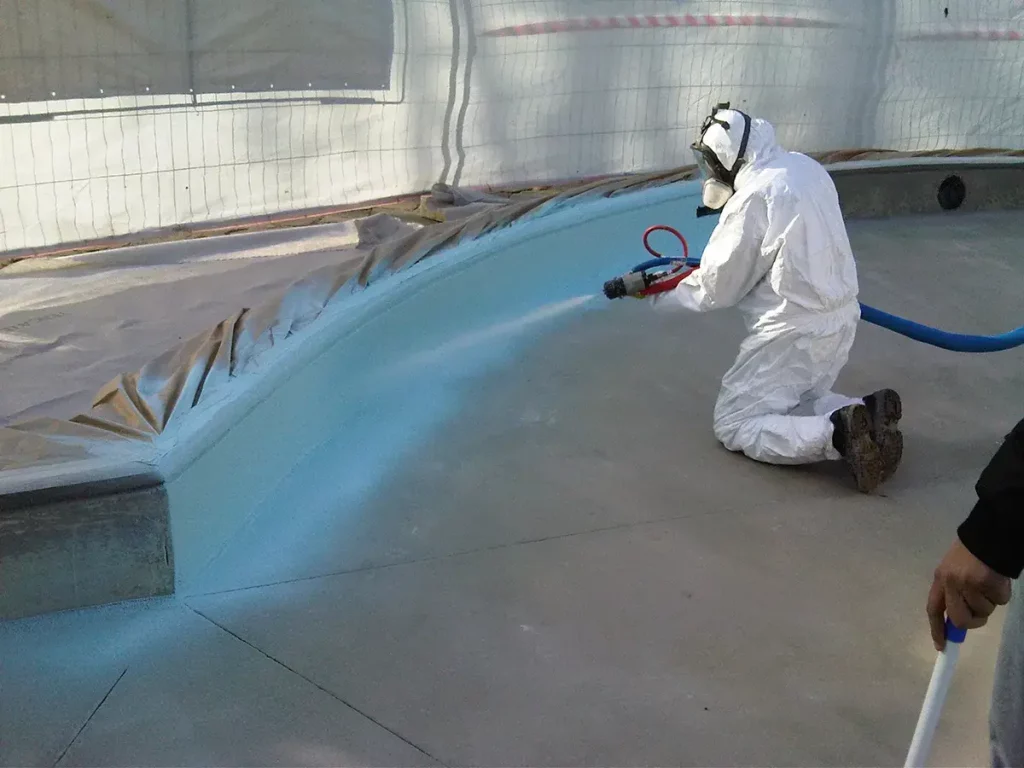
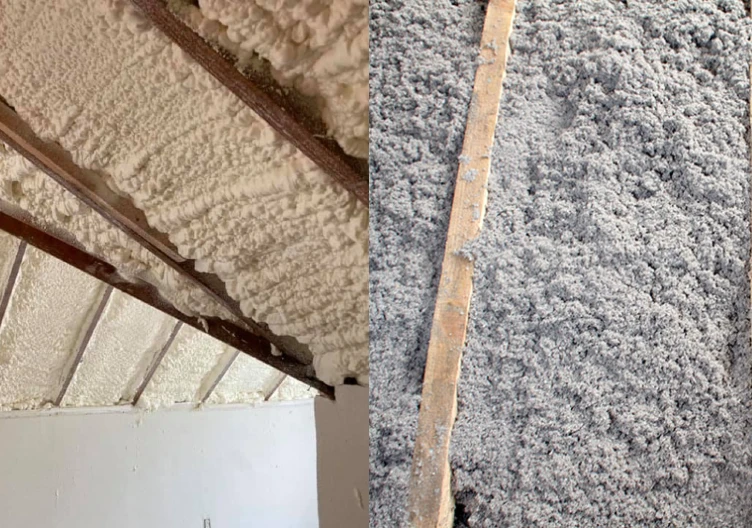
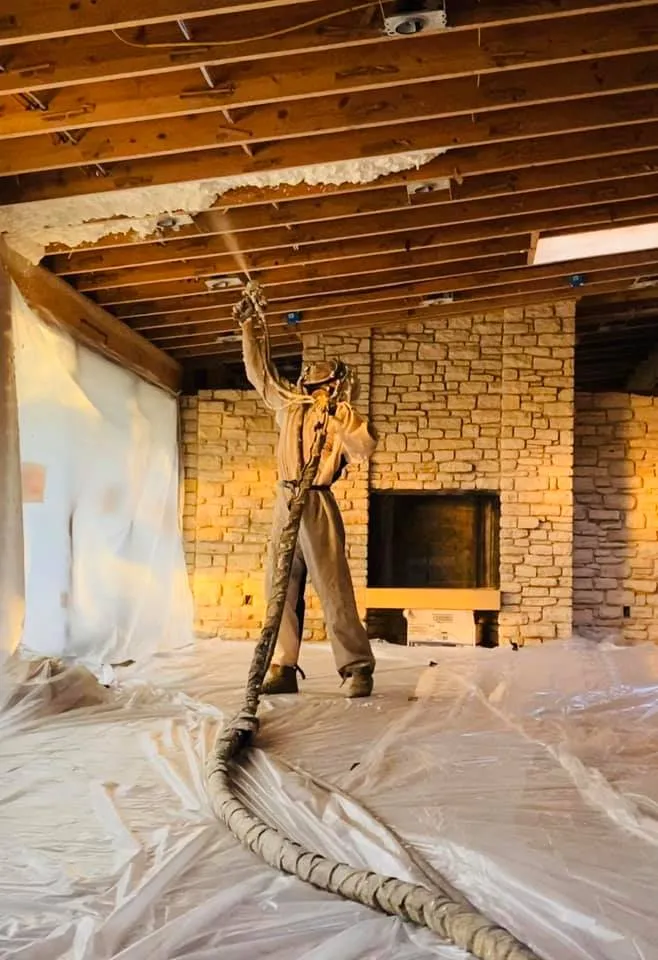
- Spray Foam: Closed-cell spray foam offers the highest R-value per inch and serves as a vapor barrier and air sealer in a single step. It is ideal for rim joists and hard-to-reach areas.
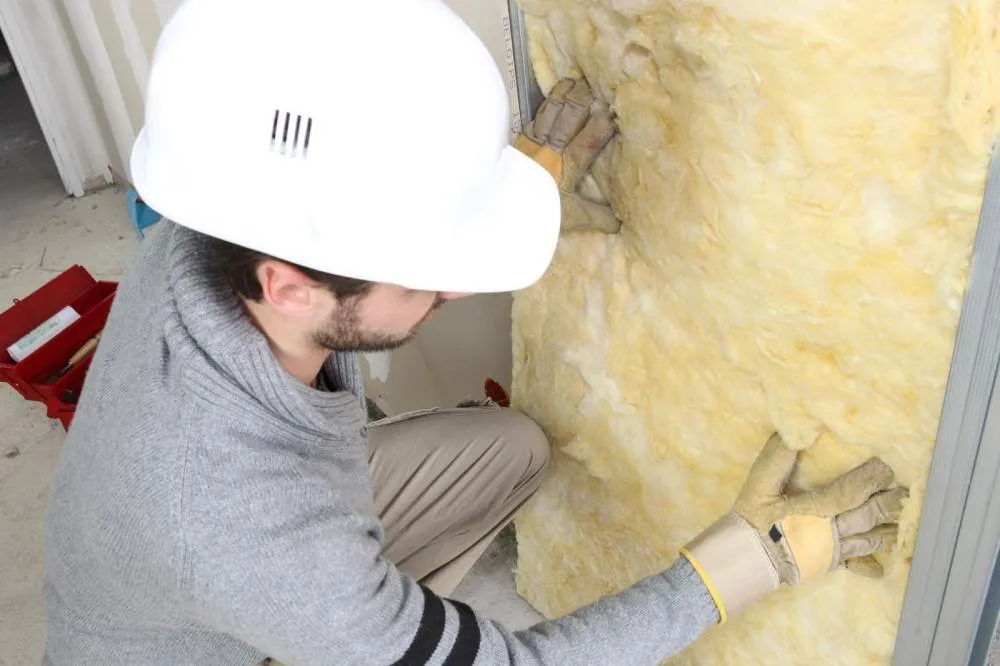
- Fiberglass Batts: A cost-effective option if installed carefully. You must use a friction-fit batt that fills the cavity completely. Compressing fiberglass reduces its R-value.
Finished Ceilings (Retrofit)
If the garage ceiling is already finished, you will need to blow in insulation or remove sections of drywall.
- Dense-Packed Cellulose: This material fills voids better than blown fiberglass and resists airflow better. It is often installed by drilling small holes in the drywall and filling the voids.
- Blown-in Fiberglass: Easier to install than cellulose, but does not block air movement as effectively.
Material Comparison
| Insulation Type | R-Value per Inch | Air Sealing Ability | Cost | Best Application |
|---|---|---|---|---|
| Closed-Cell Spray Foam | 6.0 – 7.0 | Excellent | High | Rim joists, open bays, maximum efficiency |
| Open-Cell Spray Foam | 3.5 – 3.7 | Good | Medium | Open bays, sound dampening |
| Dense-Packed Cellulose | 3.2 – 3.8 | Good | Low | Retrofit finished ceilings, open bays |
| Fiberglass Batts | 2.9 – 3.8 | Poor | Low | Open bays with standard spacing |
| Blown-in Fiberglass | 2.2 – 2.7 | Poor | Low | Retrofit attics, floors |
Insulating Knee Walls and Cathedral Ceilings
Above-garage rooms often have short walls (knee walls) where the roofline begins, and sloped ceilings (cathedral ceilings). These areas are prone to ice dams in cold climates and massive heat gain in hot climates. Building Science Corporation recommends insulating the roof deck rather than the floor of the attic space in these designs to bring the ductwork and mechanical systems inside the conditioned envelope.
For knee walls, you must build a “box” behind the wall. Insulate the vertical face of the knee wall, but also the floor assembly behind it and the sloped ceiling rafters. If you only insulate the vertical knee wall, you create a triangular, unconditioned space that will get extremely hot or cold, radiating temperature into the room.
Regional and Climate Considerations
Climate dictates how you handle vapor barriers. In mixed-humid climates like Central Texas, where Stelller operates, moisture control is just as important as thermal control.
- Hot and Humid Climates: You generally want the vapor barrier on the exterior side of the insulation (the warm side) to prevent humid air from entering the wall cavity and condensing. If you use spray foam, the foam itself acts as the barrier.
- Cold Climates: The vapor barrier should be on the interior (warm) side. This prevents warm, moist air from inside the house from reaching the cold sheathing and condensing.
Things to Consider Before Making a Decision
Before buying materials, evaluate the existing structure.
- Access: Can you get to the floor joists? If the ceiling is finished, are you willing to cut holes or remove drywall? Blown-in insulation is easier for retrofits but messy.
- Garage Usage: Do you park cars in the garage or store chemicals? Carbon monoxide and fumes can infiltrate the room above if air sealing is not perfect. You may need an exhaust fan in the garage.
- Moisture Issues: Look for water stains on the garage ceiling. Roof leaks must be fixed before insulation is added. Wet insulation loses all effectiveness and can lead to mold.
- Fire Codes: Many building codes require a fire-rated barrier (usually 5/8-inch Type X drywall) between the garage and the living space. Ensure your insulation choices do not violate these safety requirements.
Bonus Tip: Don’t Forget the Can Lights
Recessed “can” lights in the ceiling of the garage or the floor of the room above are major heat leak points. Replace old incandescent cans with IC-rated (Insulation Contact) LED fixtures. These can be covered directly with insulation without creating a fire hazard.
Final Thoughts
Fixing an uncomfortable room above a garage is not simply about adding more pink stuff. It requires a systematic approach to stopping air movement and managing the massive surface area exposed to temperature changes. Start with air sealing the rim joist and floor penetrations, then choose the insulation material that fits your budget and access constraints. Addressing these areas properly will result in a stable temperature and lower energy bills for the entire home.
Evaluate the specific issues in your space, such as knee walls or exposed ductwork, and tailor the insulation plan to solve those specific problems.
Get Help with Your Insulation Project
Insulating a complex space like a room over a garage requires specific technical knowledge to ensure it meets building codes and performs efficiently. If you are unsure about air sealing techniques or vapor barrier placement, professional guidance can prevent costly mistakes. Stellrr Insulation & Spray Foam provides expert assessments and installation services for homeowners in Central Texas. For specific advice or to schedule a consultation, contact Stellrr Insulation & Spray Foam at info@stellrr.com or call (512) 710-2839.
Frequently Asked Questions
What R-value do I need for an above-garage floor?
Building codes vary, but in most climate zones, you should aim for at least R-30 to R-38 in the floor. This typically translates to about 9 to 12 inches of fiberglass batt or blown-in insulation. For spray foam, you would need about 5 to 6 inches of closed-cell foam to achieve the same thermal performance.
Can I use a radiant barrier in the garage?
Yes, a radiant barrier on the underside of the roof rafters in the garage can help reduce heat gain in the summer. This reflects radiant heat from the sun away from the garage space, keeping the garage cooler and reducing the heat load on the floor above. It is most effective in hot, sunny climates.
Why is my bonus room so cold in the winter if it has insulation?
Cold rooms usually indicate air leakage or thermal bridging. If the insulation was installed poorly and left gaps around the joists, cold air flows right through. Additionally, if the room sits over a cantilevered section of the floor (a bump-out), the floor joists in that area are exposed to outside air on three sides and require special attention to prevent freezing.
Is it better to insulate the roof deck or the attic floor?
If the HVAC ducts are located in the attic space above the garage, it is better to insulate the roof deck (making the attic part of the conditioned space). This protects the ducts from temperature extremes. If there are no ducts, insulating the attic floor is acceptable, provided the attic is properly vented.
Should I install a vapor barrier on the garage ceiling?
In most cases, a continuous polyethylene vapor barrier is not recommended on the garage ceiling, especially in mixed climates. It can trap moisture. Instead, focus on using “faced” insulation with the kraft paper facing the heated side, or use spray foam which controls moisture diffusion. Always check local building codes regarding vapor barriers.
Sources
- U.S. Department of Energy – Official government resource on insulation R-values, best practices, and energy savings.
- Building Science Corporation – Authoritative research and articles on building physics, specifically regarding basements, attics, and bonus rooms.