
Insulation degrades when its physical structure or chemical composition changes, reducing its ability to resist heat flow. This process occurs through material compaction, moisture absorption, pest damage, and chemical breakdown over time. Insulation removal becomes necessary when the material can no longer maintain thermal performance or poses health risks due to biological contamination. Understanding the specific mechanisms of failure helps property owners identify when insulation stops doing its job.
Many property owners assume insulation lasts forever, but that is not the case. Just like other building materials, insulation has a finite service life. Stellrr has observed that homes older than 20 years often experience significant performance declines due to degradation, even if the materials appear intact at first glance. This guide explains the science behind why insulation fails, how to spot it, and what factors to weigh before deciding on removal.
How Insulation Loses Thermal Resistance
Thermal resistance, or R-value, depends on the material trapping still air or gas pockets. When these pockets collapse or fill with water, the insulation cannot slow heat transfer effectively.
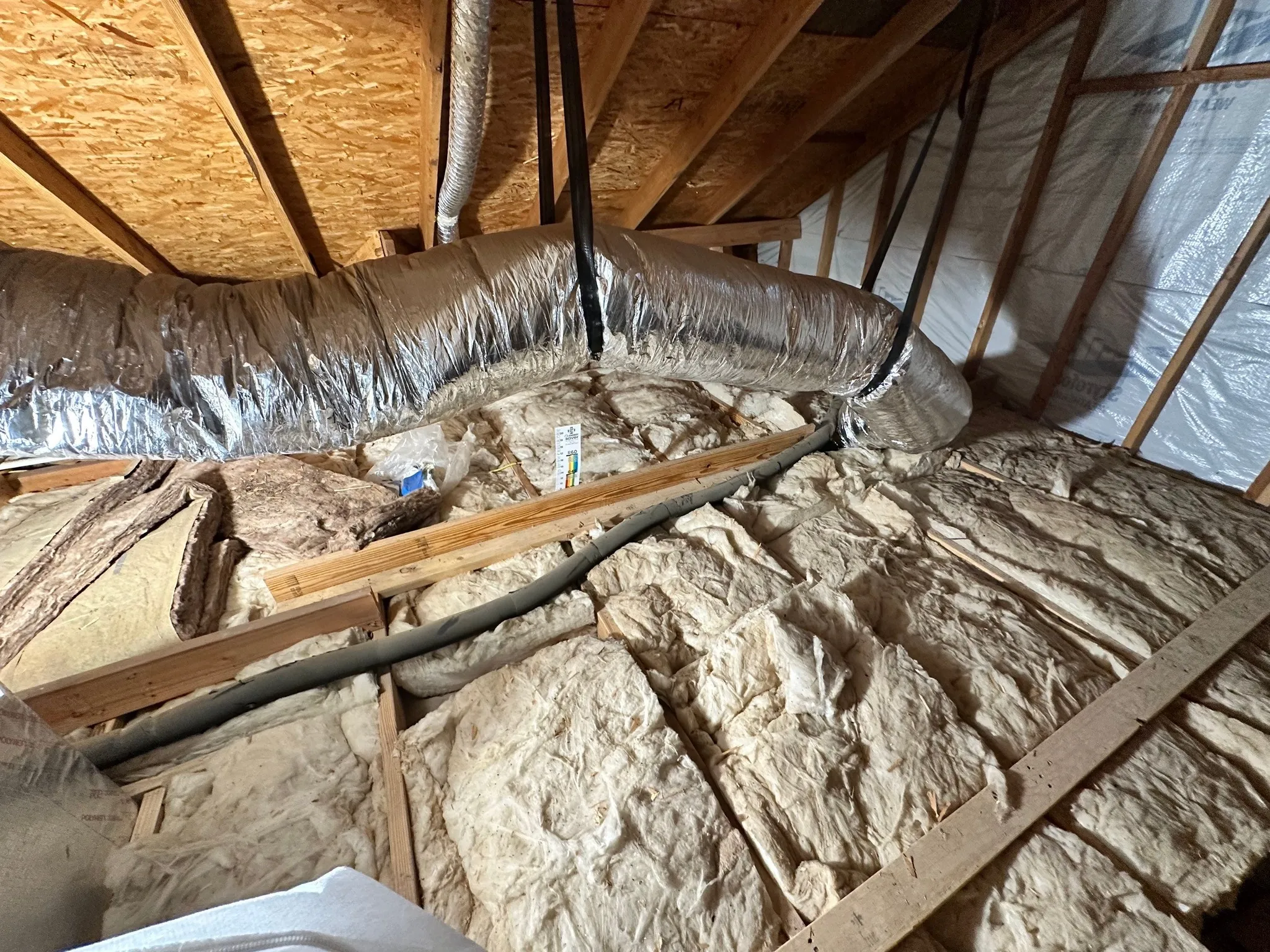
Fiberglass insulation relies on glass fibers to trap air. Over time, gravity pulls these fibers down, a process called settling. As the material compresses at the bottom of wall cavities or attics, the air pockets disappear. The R-value is directly proportional to thickness. If fiberglass settles from twelve inches down to eight inches, it loses roughly one-third of its insulating power.
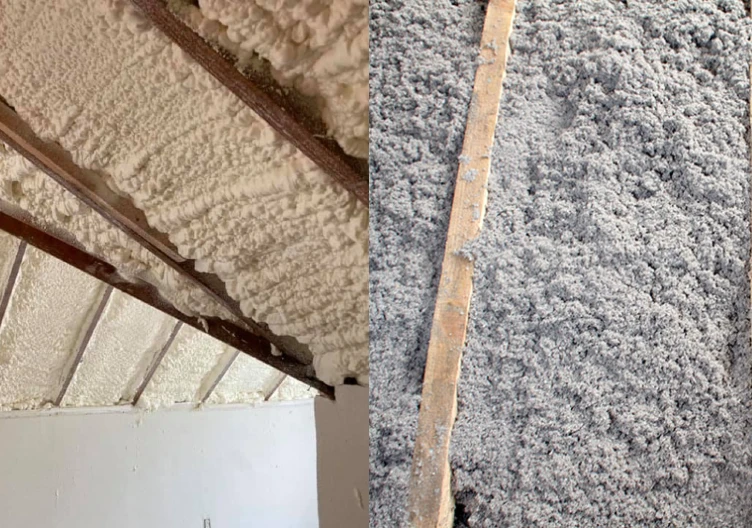
Cellulose insulation uses recycled paper treated with fire retardants. While effective, cellulose is hygroscopic, meaning it absorbs moisture from the air. Even small amounts of humidity cause the fibers to mat together. This heavy compaction reduces the volume of trapped air. Additionally, fire-retardant chemicals can slowly leach out or degrade due to the acidity of the paper, reducing fire safety over decades.
Primary Drivers of Material Breakdown
Moisture Intrusion
Water is the most destructive force for insulation installation. When fiberglass gets wet, the water displaces the air within the fibers. Since water conducts heat much faster than air, the R-value drops significantly. Even after the material dries, the fibers may remain compressed or the paper backing may rot, leading to permanent damage.
Moisture also creates a breeding ground for mold. Mold spores can colonize fiberglass batts and cellulose within 24 to 48 hours of water exposure. According to the Environmental Protection Agency, mold growth can occur on virtually any organic substance when moisture is present. Once mold establishes itself inside wall cavities, simply spraying it is often insufficient. Removal is usually the only way to guarantee the spores are gone.
Pest Activity
Rodents, birds, and insects often burrow into insulation to keep warm. Pests compress the material to create tunnels, which creates thermal bridges. Heat escapes through these compressed paths easily. Beyond the physical damage, pests leave behind droppings and urine. This biological waste introduces bacteria and unpleasant odors into the home air supply. Rodent urine can also degrade the facing on batt insulation, reducing its vapor barrier effectiveness.
Chemical Off-Gassing and Aging
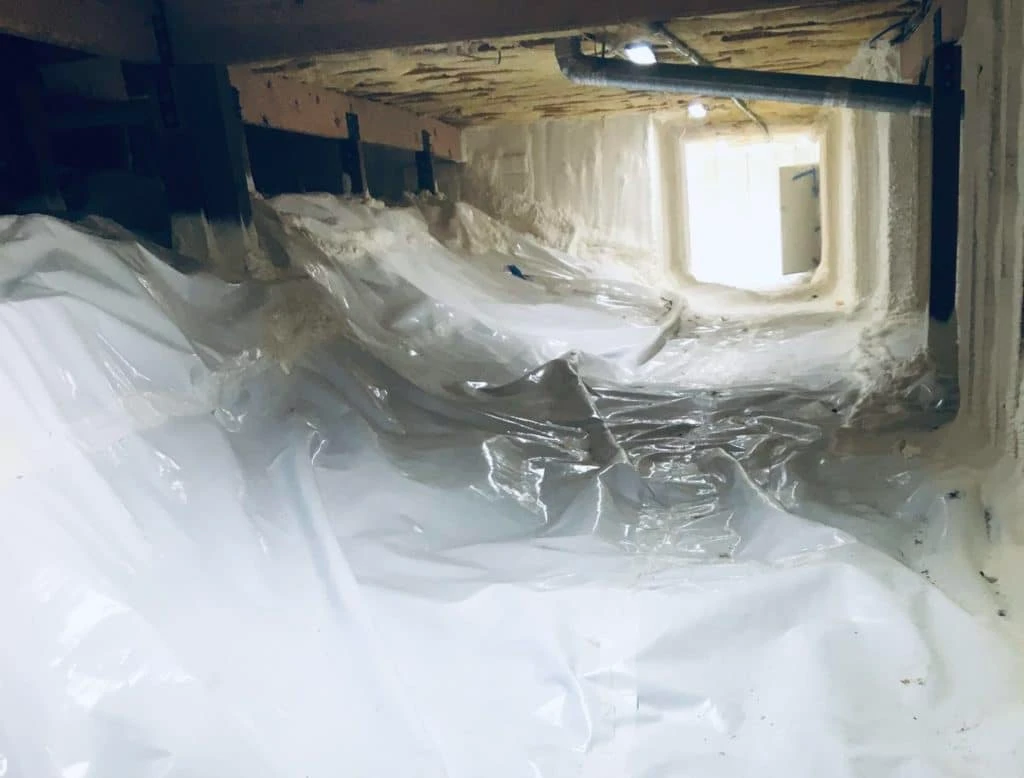
Spray foam insulation solution provides high R-values but is not immune to degradation. If the foam is not mixed correctly during application, it may shrink or pull away from framing members over time. This creates gaps through which air can leak. Some types of foam, particularly older formulations, can off-gas volatile organic compounds over time. While modern closed-cell foams are more stable, extreme temperature fluctuations can cause them to expand and contract, eventually leading to cracks in the thermal seal.
Material Degradation Characteristics
The following table outlines how common insulation materials fail and the visual cues that indicate trouble.
| Material Type | Primary Failure Mode | Visual Signs of Degradation | Health Risk Factor |
|---|---|---|---|
| Fiberglass Batts | Settling & Moisture | Thinning appearance, water stains, sagging | Low unless mold is present |
| Blown-in Fiberglass | Air Movement & Settling | Bald spots, dust accumulation on joists | Low (irritant if airborne) |
| Cellulose | Compaction & Fire Retardant Loss | Hard crust, heavy clumping, musty smell | Moderate (mold/dust) |
| Spray Foam | Improper Cure & Shrinkage | Cracks, gaps at studs, discoloration | High (off-gassing if defective) |
Signs That Removal Is Necessary
Determining whether to add new insulation over old or remove it entirely depends on the condition of the existing material. If the insulation is merely settled but dry and clean, adding more is often a cost-effective solution. However, several red flags dictate that removal is the safer and more effective choice.
Visible mold growth is a definitive signal for removal. Once mold penetrates the porous structure of cellulose or fiberglass, cleaning it effectively is nearly impossible. The U.S. Department of Energy advises that wet insulation should usually be removed and replaced because it loses its resistance to heat flow and can foster long-term structural damage.
Fire damage is another critical indicator. Even if a fire were small, smoke and soot particles penetrate deep into the insulation. These particles remain corrosive and odorous long after the fire is out. Insulation damaged by smoke cannot be cleaned and must be replaced.
Regional Climate Considerations
Climate plays a significant role in how quickly insulation degrades. In hot and humid regions, like the Southeast, attics often experience extreme temperatures. The drastic temperature difference between the living space and the attic can drive condensation. If the vapor barrier is installed incorrectly or is damaged, this moisture gets trapped in the insulation. Over time, this constant cycle of heating and cooling breaks down the material integrity faster than in milder climates.
In colder regions, the risk is ice damming and condensation on the roof deck. When insulation settles, it allows heat from the house to escape into the attic. This heat melts the snow on the roof, which refreezes at the eaves. The backup water can then soak into the insulation on the attic floor. Wet insulation in winter creates a cycle where the structure stays cold and damp, promoting rot.
Things to Consider Before Making a Decision
Deciding to remove insulation is a major project. Several factors influence whether this investment is necessary.
Air Sealing First
Insulation works best when air movement is stopped. Before paying for removal, check for air leaks. If a home has large gaps around light fixtures, pipes, or chimneys, new insulation will just filter the air and get dirty quickly. Sealing these air leaks often improves comfort more than adding R-value. In many cases, air sealing existing insulation can extend its useful life.
Health and Safety
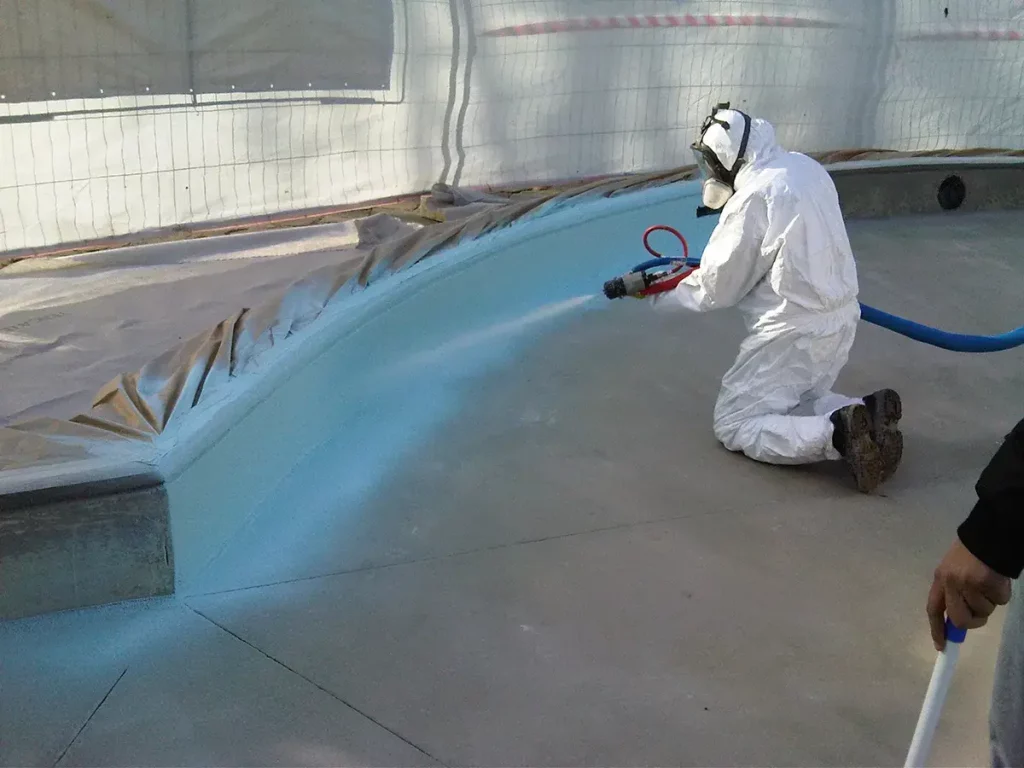
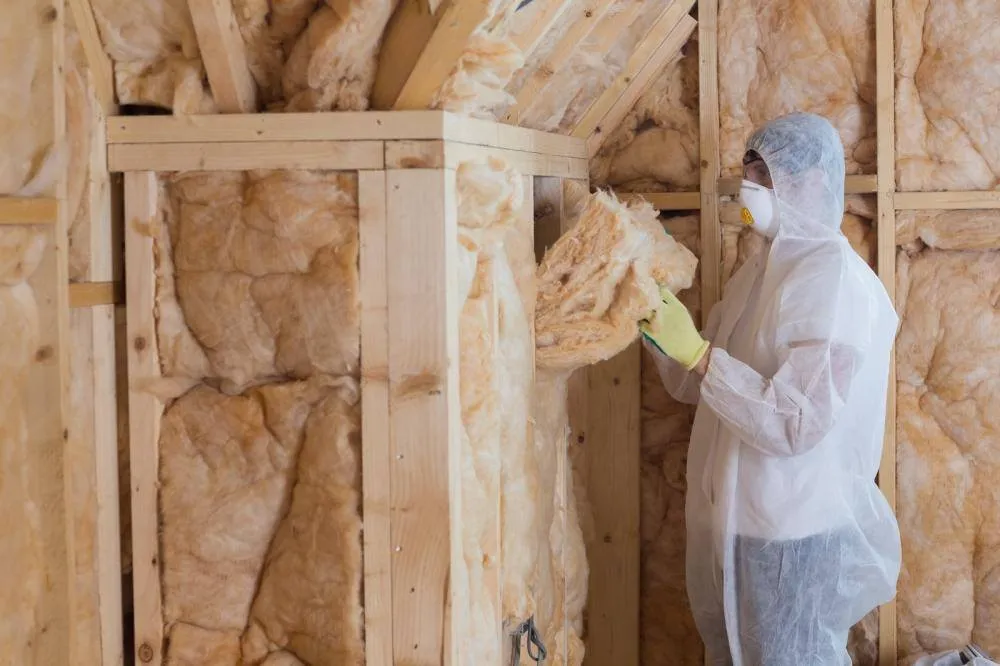
Removing old insulation is messy work. Disturbing decades-old fiberglass or rodent-infested cellulose releases particulates into the air. Professional removal involves industrial vacuums and containment barriers to prevent these particles from spreading into the living areas. This process is difficult to replicate safely with standard shop vacs and protective gear found at hardware stores.
Cost versus Benefit
Removal is labor-intensive. It requires bagging and disposing of heavy material. The cost can be high, but the benefit is a clean slate. Stellrr often finds that attempting to cap over dirty, failed insulation results in lower performance than removing it and starting fresh. When air sealing is combined with fresh insulation, energy savings often offset the removal cost over time.
Bonus Tip
Check the insulation depth before calling a professional. Use a ruler or tape measure in multiple spots. If the depth varies wildly across the attic, it suggests that settling or wind washing has damaged the integrity.
Bonus Tip
Look at the color of the insulation. Fiberglass should be yellow, pink, or white. If it has turned grey or black, it has been filtering air for years and is likely full of dust and particulates that reduce its efficiency.
Final Assessment
Insulation degrades due to a combination of physics and biology. Gravity compacts it, water destroys its thermal properties, and pests turn it into a biological hazard. Recognizing the signs of failure, such as settling, moisture staining, or odors, is essential for maintaining a healthy home environment. While adding more insulation is sometimes sufficient, removal provides the only definitive solution for contaminated or wet materials. Property owners should evaluate their specific conditions, weighing the costs of removal against the benefits of a clean, high-performing thermal barrier.
Professional Consultation
Determining the exact state of insulation requires a professional inspection. Stellrr Insulation & Spray Foam offers comprehensive evaluations to assess material integrity and identify hidden issues like mold or air leaks. For expert guidance on whether removal is necessary, contact Stellrr Insulation & Spray Foam at info@stellrr.com or call (512) 710-2839 to schedule a thorough assessment of the property’s insulation needs.
Frequently Asked Questions
How long does insulation typically last?
Most insulation materials are designed to last the lifetime of the building, but physical conditions often shorten this span. Cellulose and fiberglass can last 20 to 30 years if kept dry. Spray foam can last 80 years or more if installed correctly. However, external factors like roof leaks or pests can end the life of any insulation much sooner.
Is it better to remove insulation or add more on top?
Adding more on top, or “capping,” is cheaper and effective if the existing layer is dry, mold-free, and pest-free. If the bottom layer is wet, compressed, or contaminated, capping will only trap problems against the ceiling. In those cases, removal is the better long-term investment.
What are the health risks of keeping degraded insulation?
Degraded insulation can harbor mold spores, rodent feces, and insect debris. These contaminants can circulate in the air, potentially causing respiratory issues, allergic reactions, and other health problems. Old fiberglass that has settled can also release glass fibers into the air, which irritate skin and lungs.
Does insulation affect home resale value?
Upgrading or replacing insulation can positively affect resale value. Energy efficiency is a selling point for many buyers. Furthermore, providing documentation that old, potentially hazardous insulation was professionally removed can ease buyer inspections and prevent negotiations over health concerns.
How do professionals remove insulation safely?
Professionals use high-volume insulation vacuums mounted on trucks or large containment units. Workers wear protective suits and respirators. The process often involves sealing the work area with plastic sheeting to prevent cross-contamination into other parts of the home. The material is bagged and transported to a waste facility licensed to handle construction debris.
Sources
- U.S. Department of Energy – Official information on insulation types, performance, and signs of failure.
- Environmental Protection Agency – Guidelines on mold growth in building materials and moisture control.