
Temperature imbalance in Austin homes is almost always a building envelope problem, not an HVAC problem. When some rooms feel like a sauna while others feel like a walk-in cooler, the root cause is usually inadequate or uneven insulation, air leakage through the attic and walls, and ductwork sitting in unconditioned spaces where summer attic temperatures routinely hit 130°F or higher. Proper insulation, especially when combined with air sealing, creates a consistent thermal barrier that keeps every room in your home within a comfortable temperature range, cuts energy bills, and takes the strain off your cooling system.
TLDR / Key Takeaways
- Austin sits in Climate Zone 2, where the Texas State Energy Conservation Office reports air conditioners can run over 2,000 hours annually, making insulation quality a major cost driver.
- Daily temperature swings of 30 to 40°F are normal in Central Texas, causing attic temperatures to swing from 70°F at dawn to 130°F+ by mid-afternoon without proper insulation.
- Room-to-room temperature differences greater than 3 to 4 degrees are a clear indicator of insufficient or poorly distributed insulation.
- The City of Austin’s 2021 IECC residential energy code requires minimum R-38 for uninsulated attics and R-30 for existing attics, plus R-20 cavity insulation for wood-frame walls.
- Spray foam insulation provides an air barrier alongside thermal resistance, which addresses both conductive heat transfer and air infiltration simultaneously.
- Unsealed ductwork in attics can lose 15 to 30% of conditioned air before it ever reaches your living spaces, compounding temperature imbalance problems.
- Homes built before 2000 in Austin are the most likely candidates for temperature imbalance because older codes required far less insulation.
Why Austin Homes Struggle With Temperature Imbalance
Austin’s climate is brutal on building envelopes. According to the Texas State Energy Conservation Office, Austin falls within Climate Zone 2, a classification where cooling demand dwarfs heating needs by a wide margin. Air conditioning systems in this zone run upwards of 2,000 hours per year, and any weakness in your home’s thermal barrier directly translates to wasted energy and uneven comfort.
The problem intensifies because of the sheer magnitude of temperature swings. Lone Star Attic Insulation reports that daily temperature swings of 30 to 40°F are common across Texas. An attic that starts at 70°F in the early morning can easily reach 130°F by 3:00 PM. When that kind of heat is sitting directly above your living space, separated only by thin, settled fiberglass, the physics work against you all day long. Your upstairs rooms bake while your downstairs thermostat keeps the AC running, overcooling the lower level.
This dynamic is especially pronounced in two-story homes, where the second floor can be 8 to 12 degrees warmer than the ground floor. Single-story homes with additions or enclosed patios face similar issues where the original structure and the new section have different insulation levels.
Research from The University of Texas at Austin further highlights how vulnerable Austin homes are during extreme heat events. A study on heat wave blackout scenarios found that Austin homes without adequate insulation and weatherization become dangerously hot within hours of losing power, far faster than homes with proper thermal envelopes. This research underscores that insulation is not just about comfort and savings, it is also a safety issue.
What Temperature Imbalance Actually Looks Like
Most homeowners notice the symptoms before they identify the cause. According to Atlas Home Energy, the most common signs include:
- Hot and cold spots that persist even after the HVAC system has been running for an extended period
- Upstairs rooms that are significantly warmer than downstairs rooms in summer
- Rooms above the garage or over unconditioned spaces that feel completely different from the rest of the house
- Thermostat wars between family members in different parts of the home
- HVAC systems that run constantly without ever reaching a consistent temperature throughout the house
- High energy bills that seem disproportionate to the level of comfort you are experiencing
If you are experiencing two or more of these signs, the problem is almost certainly in your building envelope, not your equipment. Replacing a perfectly functional HVAC system will not fix a temperature imbalance caused by missing or degraded insulation.
How Insulation Fixes the Problem
Insulation works by slowing the transfer of heat between your living space and the outdoors. In Austin’s climate, that primarily means slowing heat from entering through your attic and walls during our long, intense summers. But not all insulation performs the same way, and the method of installation matters as much as the material itself.
The Air Sealing Connection
The biggest mistake homeowners and even some contractors make is treating insulation and air sealing as separate concerns. According to Building Science Corporation, the most effective building assemblies combine continuous insulation with a proper air barrier. When air can flow freely through your attic insulation, it carries heat with it, effectively bypassing the thermal resistance the insulation is supposed to provide. This is known as convective looping, and it can reduce the effective R-value of your insulation by 30 to 50 percent.
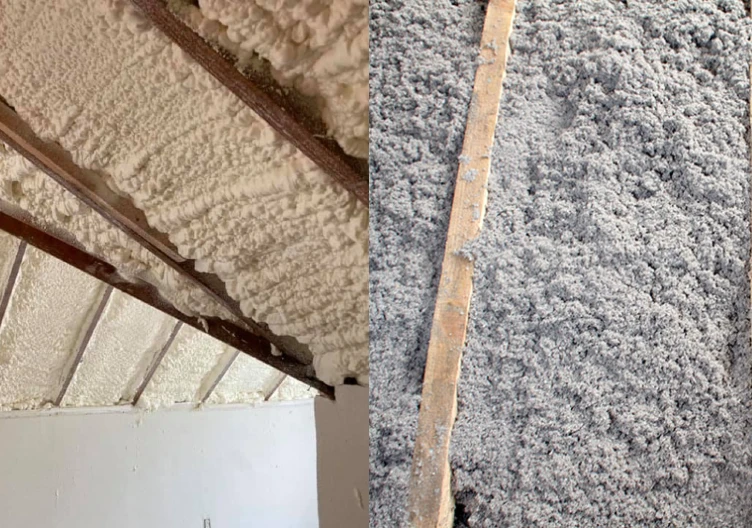
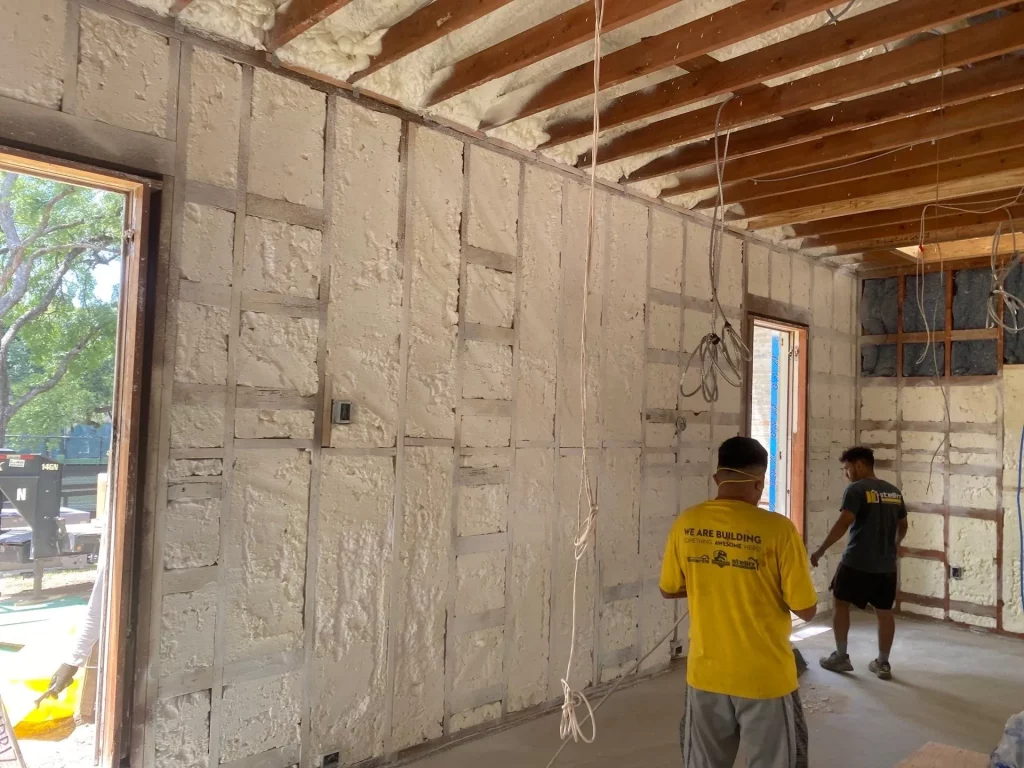
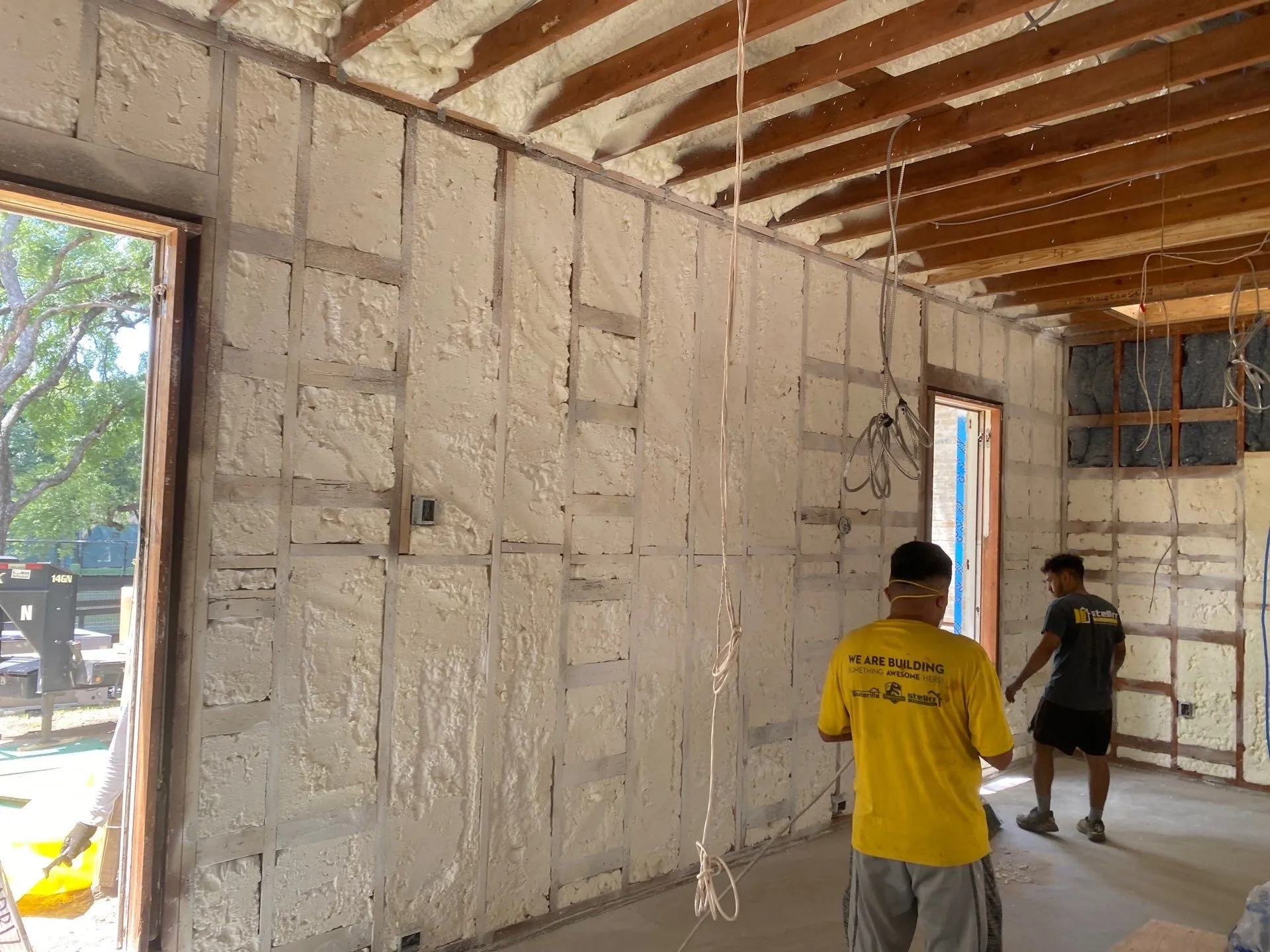
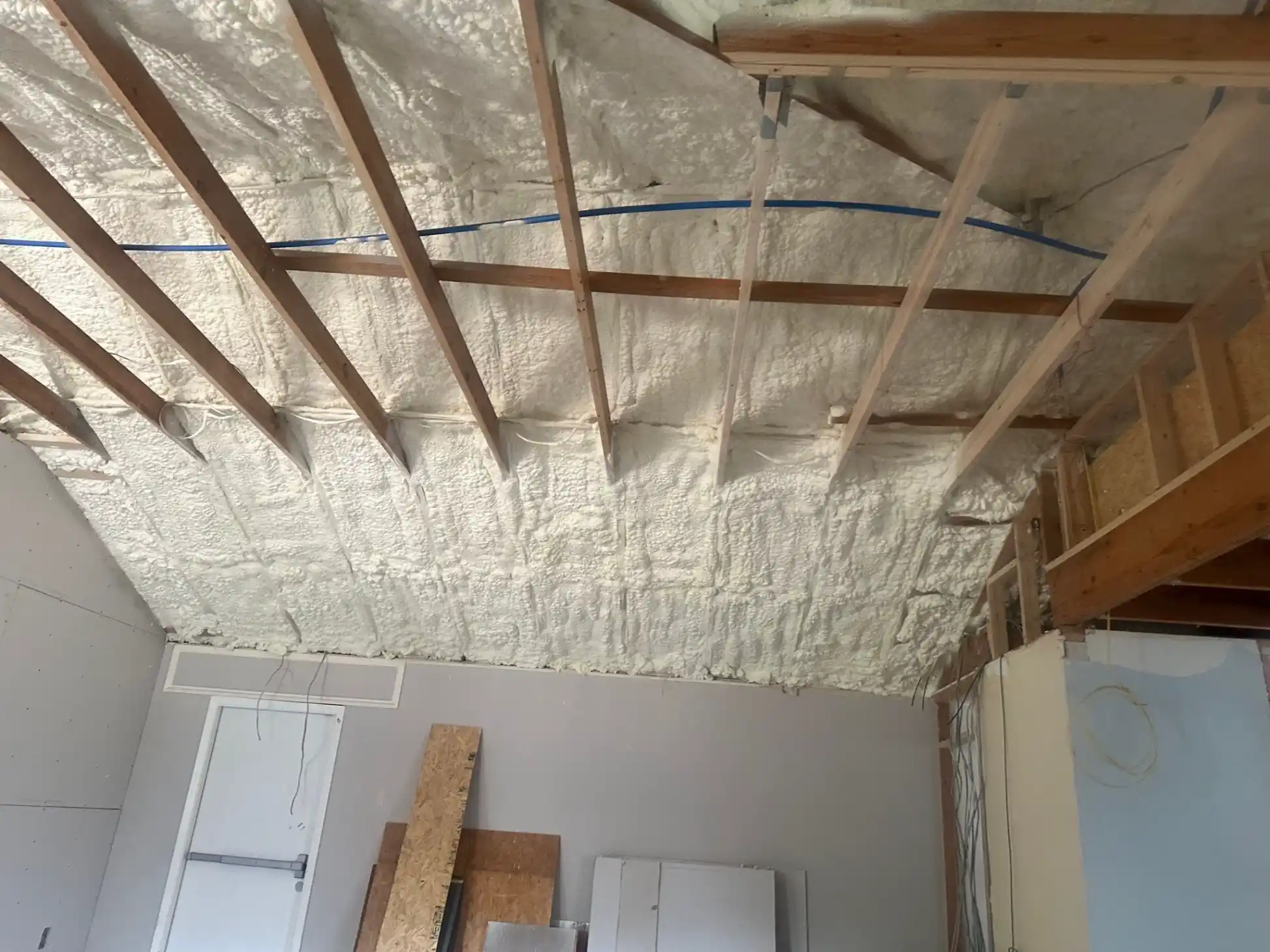
Spray foam insulation, both open-cell foam and closed-cell, addresses this problem by expanding to fill gaps, cracks, and voids while simultaneously creating an air barrier. This dual function is what makes it so effective at solving temperature imbalance problems.
R-Value Requirements for Austin Homes
The City of Austin Residential Energy Code, based on the 2021 IECC with amendments, sets the following minimum requirements:
| Building Component | New Construction | Existing Homes (Code Minimum) | Recommended for Comfort |
|---|---|---|---|
| Attic (flat ceiling) | R-38 | R-30 | R-49 to R-60 |
| Attic (cathedral ceiling) | R-38 | R-30 | R-49 |
| Wood frame walls | R-20 cavity | R-13 cavity | R-23 cavity + R-5 sheathing |
| Floor over unconditioned space | R-30 | R-19 | R-30 |
Meeting code minimums will keep you legal, but it will not necessarily solve temperature imbalance problems. The gap between code minimums and what actually delivers consistent comfort is significant, especially in older Austin homes where the existing insulation may have settled, compressed, or been damaged over decades.
Insulation Type Comparison for Austin Homes
| Insulation Type | R-Value per Inch | Air Barrier | Moisture Barrier | Best Application |
|---|---|---|---|---|
| Closed-cell spray foam | R-6.5 to R-7 | Yes | Yes | Walls, attics, crawl spaces |
| Open-cell spray foam | R-3.5 to R-3.7 | Yes | No | Wall cavities, attics (vented) |
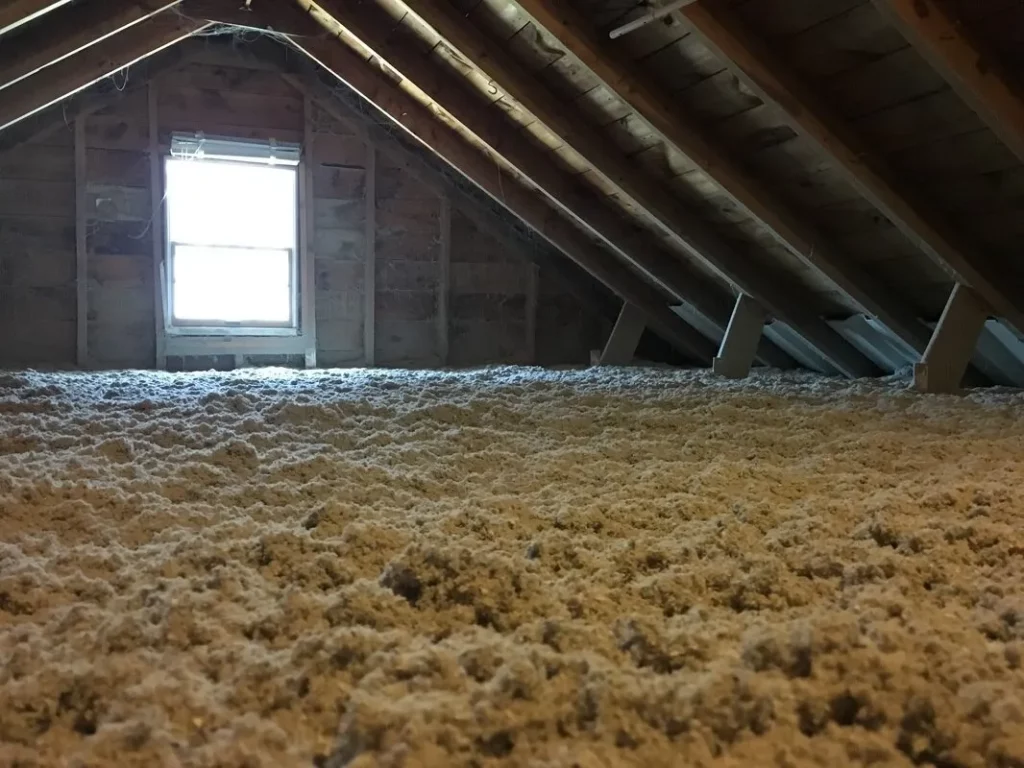
| Blown-in fiberglass | R-2.2 to R-2.7 | No | No | Attic floors (flat ceiling) |
| Blown-in cellulose | R-3.1 to R-3.8 | No | No | Attic floors, dense-pack walls |
| Fiberglass batts | R-2.9 to R-3.8 | No | No | Standard wall cavities (new build) |
Common Causes of Temperature Imbalance in Austin Homes
Understanding the specific causes helps target the right solution. Here are the most frequent culprits we encounter in Austin:
Inadequate Attic Insulation
Most Austin homes built before 2000 have attic insulation levels of R-11 to R-19, well below the current minimum of R-30 and far below what is needed for consistent comfort. Fiberglass batts settle over time, losing up to 20% of their thickness and effective R-value. Blown-in insulation can also settle and develop voids where wind washing through soffit vents displaces the material.
Ductwork in Unconditioned Spaces
When your HVAC ductwork runs through a 130°F attic, any air passing through those ducts picks up heat before reaching your rooms. If your ducts are also leaky, which is common in homes with flex duct more than 10 to 15 years old, you are losing 15 to 30% of your conditioned air into the attic. Rooms furthest from the air handler suffer the most because they receive the least volume of cooled air by the time it travels through that hot, leaky ductwork.
Air Leakage and Infiltration
Gaps around recessed lights, attic hatches, plumbing penetrations, and wall top plates allow hot attic air to dump directly into your living spaces. A single unsealed attic hatch can represent the equivalent of a 2-square-foot hole in your ceiling. These leaks create localized hot spots and force your HVAC system to work harder to compensate.
Inconsistent Wall Insulation
Many older homes have walls with no insulation in Austin at all, or insulation that has settled to the bottom of the cavity. Two-story homes often have better-insulated first floors and poorly insulated second floors, contributing to the common complaint that the upstairs is always hotter.
Real-World Scenarios: How Insulation Solves Temperature Imbalance
| Scenario | Home Type | Problem | Solution | Outcome |
|---|---|---|---|---|
| Two-story in West Lake | 1994 build, 3,200 sq ft | Upstairs 10°F hotter than downstairs all summer | Closed-cell foam in attic deck (R-38), air sealed all penetrations | Temperature difference reduced to 2°F, AC runtime dropped 35% |
| Ranch in Round Rock | 1987 build, 1,800 sq ft | Master bedroom over garage always hot, rest of house comfortable | Open-cell foam in garage ceiling, R-30 blown-in fiberglass over existing attic insulation | Master bedroom within 1°F of hallway, energy bill dropped $85/month |
| Cottage in East Austin | 1952 build, 1,100 sq ft | No wall insulation, single-room AC additions inconsistent | Dense-pack cellulose in walls, R-49 blown-in attic | Whole home comfortable with single central system for first time |
| Modern build in Mueller | 2015 build, 2,400 sq ft | Rooms over garage 8°F warmer, builder-grade insulation inadequate | R-60 blown-in fiberglass over existing R-30, duct sealing in attic | Over-garage rooms equalized within 3°F of rest of house |
| Home in Cedar Park | 2001 build, 2,800 sq ft | Huge energy bills, hot spots near ceiling, cold air drops fast | Spray foam attic encapsulation, sealed can lights and duct boots | Energy bill reduced 40%, eliminated all hot and cold spots |
Actionable Strategies for Solving Temperature Imbalance
If you are a homeowner dealing with uneven temperatures, or a contractor looking to provide better solutions for your clients, these steps will guide you toward the right fix.
1. Get a Professional Energy Audit First
Before adding any insulation, hire a certified energy auditor to perform a blower door test and thermal imaging scan. This will identify exactly where air is leaking, where insulation is missing or settled, and whether your ductwork is losing conditioned air. Spending a few hundred dollars on an audit can save thousands by ensuring you address the right problems.
2. Prioritize the Attic
In Austin’s Climate Zone 2, the attic is the single most important area to insulate and air seal. According to Energy Star, attics in Climate Zones 1 through 3 should have a minimum of R-30 to R-38, but R-49 or higher is recommended for optimal comfort and energy savings. Address the attic first, measure the results, and then move to walls and other areas.
3. Seal Before You Insulate
Air sealing must happen before or simultaneously with insulation installation. If you add R-60 of blown-in fiberglass over an attic floor full of air leaks, you are essentially putting a thick blanket over a screen door. The insulation will slow conductive heat transfer, but convective heat will continue pouring through the gaps. Common air sealing targets include recessed light housings, attic hatches, plumbing and electrical penetrations, and the top plates of interior walls.
4. Consider Spray Foam for Hard-to-Treat Areas
Spray foam is not the right solution for every situation, but it excels in applications where traditional insulation struggles. Cathedral ceilings, attic knee walls, rooms over garages, and rim joist areas are all places where spray foam’s ability to air seal while insulating makes it the superior choice. In new construction or major renovations, a full spray foam attic encapsulation can eliminate the vented attic entirely, bringing ductwork into the conditioned space and solving duct-related temperature problems.
5. Address Ductwork Simultaneously
If your ducts are in the attic, sealing and insulating them should be part of any insulation upgrade. Leaky, uninsulated ducts in a 130°F attic will undermine even the best insulation improvements. Have your ducts tested for leakage, sealed with mastic (not tape), and insulated to at least R-8.
Factors That Affect Insulation Performance in Austin
Not every insulation job delivers the same results. Several variables determine how well your insulation will actually perform in Austin’s specific conditions.
Installation Quality
Insulation is only as good as its installation. Batts that are compressed, gaps around obstructions, uneven blown-in coverage, and voids behind electrical boxes all reduce effective R-value. A poorly installed R-60 can perform worse than a well-installed R-38.
Climate Zone Classification
Austin’s placement in Climate Zone 2 drives specific insulation requirements that differ from both cooler and hotter zones. The DOE’s climate region guide notes that Climate Zone 2 prioritizes cooling performance, which means radiant heat gain through roofs and walls is the primary concern, not just conductive heat loss as in northern zones.
Building Age and Construction Type
Homes built in different decades used different framing techniques, insulation materials, and code standards. A 1960s Austin ranch with no wall insulation presents different challenges than a 2010 build with code-minimum fiberglass that has settled. Pier-and-beam homes need crawl space insulation consideration that slab-on-grade homes do not.
Moisture and Humidity Management
Austin’s high summer humidity means that vapor diffusion and condensation risks must be considered, especially with closed-cell spray foam in wall assemblies. Improper vapor barrier placement can trap moisture inside walls, leading to mold and wood rot. This is where working with experienced contractors who understand building science makes the difference between a comfortable home and a building failure.
Ready to Fix Your Home’s Temperature Imbalance?
If your Austin home has rooms that never feel quite right, regardless of what you set your thermostat to, the solution is likely in your insulation, not your HVAC system. At Stellrr, we specialize in diagnosing and solving temperature imbalance problems for homeowners and contractors throughout the Austin area. Our team uses building science principles, not guesswork, to identify exactly where your home is losing the comfort battle and recommend the right insulation strategy to fix it.
Call us at (512) 710-2839 or email info@stellrr.com to get started. The sooner you address your insulation gaps, the sooner every room in your home starts feeling like it belongs to the same house.
FAQs
How do I know if my temperature imbalance is caused by insulation or my HVAC system?
If your system is sized correctly and maintained, and you still have rooms that are 4 or more degrees different from the thermostat setting, the problem is almost always insulation and air sealing. A quick test is to check temperatures in each room after the system has been running for 30 minutes. Consistent hot spots near ceilings, rooms above garages, and upstairs-downstairs differences are classic insulation problems.
Is spray foam worth the higher cost compared to fiberglass in Austin?
For many Austin homes, yes. Spray foam provides both insulation and air sealing in a single application, which means it solves two problems at once. In spaces like attic cathedral ceilings, knee walls, and rooms over garages, spray foam often performs significantly better than fiberglass because it eliminates air movement through the insulation assembly. The energy savings and comfort improvement frequently justify the higher upfront investment.
Can I add insulation over my existing attic insulation?
In most cases, yes. If your existing insulation is in reasonable condition, not damaged by moisture or pests, and free of vapor barriers between layers, you can add blown-in fiberglass or cellulose on top to increase your total R-value. However, if your existing insulation is damaged, contaminated, or was installed with a vapor barrier facing the wrong direction, removal and replacement is the better approach.
Why is my second floor so much hotter than my first floor?
Heat rises naturally, and in Austin’s climate, your attic is generating massive amounts of heat all summer long. If the insulation between your second-floor ceiling and the attic is inadequate, that heat pours into your upstairs rooms. Additionally, if your HVAC ductwork runs through the hot attic, the air reaching your second-floor registers has already picked up heat before it enters the room. Sealing and insulating the attic and moving ducts into the conditioned space, when possible, resolve this.
How long does an insulation upgrade take?
Most attic insulation projects take one day. Wall insulation projects, depending on whether dense-pack cellulose or spray foam is used, typically take one to three days depending on the size of the home. A full spray foam attic encapsulation may take two to three days. We provide a specific timeline during the assessment so you know exactly what to expect.
Sources
- Freedom HVAC – How Austin’s Unique Climate Impacts HVAC System Performance – Information on Austin’s Climate Zone 2 classification and air conditioning runtime hours in Central Texas.
- Building Science Corporation – BSI-001: The Perfect Wall – Building science principles on combining continuous insulation with proper air barriers for effective thermal performance.
- Atlas Home Energy – Understanding and Solving Temperature Imbalances – Practical guidance on diagnosing temperature imbalance symptoms and insulation-related solutions.