
Proper insulation directly improves HVAC airflow by creating a consistent thermal barrier that prevents air mixing and temperature differentials. When insulation effectively separates interior and exterior temperatures, your HVAC system doesn’t work overtime to compensate for heat loss or gain through walls, ceilings, and floors. This thermal stability allows conditioned air to flow through ducts and vents as designed, reaching all areas of your home without mixing with unconditioned air that causes temperature variations. The result is balanced airflow and elimination of those frustrating hot and cold spots that make some rooms uncomfortable while others feel just right.
This article breaks down exactly how insulation affects your HVAC system’s performance, why it matters for comfort, and what homeowners need to know before making insulation decisions. The information comes from years of hands-on experience with residential HVAC systems and building science principles.
Understanding the Connection Between Insulation and Airflow
Insulation works by slowing the transfer of heat between your home’s interior and the outside environment. This thermal resistance, measured in R-value, directly impacts how your HVAC system operates. When heat transfer is uncontrolled, your system constantly battles temperature differentials, working harder to maintain your thermostat setting. This struggle affects airflow because the system must run longer cycles and push air more forcefully to overcome the temperature inconsistencies.
The physics is straightforward: heat naturally moves from warmer areas to cooler areas. Without proper insulation, warm air escapes in winter and infiltrates in summer through walls, attics, and crawlspaces. Your HVAC system responds by running longer and more frequently, which can actually reduce airflow efficiency over time as the system works beyond its optimal capacity.
A report from the U.S. Department of Energy shows that proper insulation can reduce heating and cooling costs by 15-20% on average. This reduction comes directly from improved system efficiency and more consistent airflow patterns throughout your home.
How Poor Insulation Creates Hot and Cold Spots
Hot and cold spots develop when different areas of your home heat or cool at different rates. These temperature variations typically occur near poorly insulated areas where outside temperatures influence interior conditions. Common problem areas include rooms above garages, corners of houses, and spaces near exterior walls with inadequate insulation.
When your HVAC system detects these temperature variations, it may attempt to compensate by adjusting airflow. However, if the underlying insulation problems aren’t addressed, the system can never achieve true balance. The ductwork might deliver the correct volume of air to each room, but that air immediately loses its heating or cooling effect when it encounters uncontrolled heat transfer through walls or ceilings.
The National Renewable Energy Laboratory found that 90% of U.S. homes are under-insulated, meaning most homeowners experience unnecessary hot and cold spots that impact comfort and increase energy costs. These temperature differences can range from 5 to 15 degrees between rooms in the same house.
Types of Insulation and Their Impact on HVAC Performance
Different insulation materials offer varying levels of thermal protection and affect HVAC performance differently. The choice depends on your home’s construction, climate zone, and specific problem areas you’re trying to address.
Insulation Material Comparison
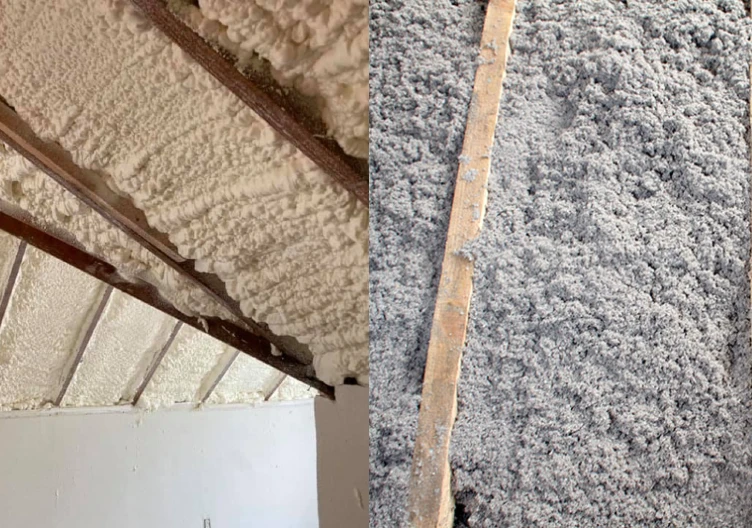
| Insulation Type | R-Value per Inch | Best Application | Airflow Impact |
|---|---|---|---|
| Fiberglass batts | 2.9-3.8 | Walls, attics, crawlspaces | Moderate |
| Spray foam | 3.5-6.5 | Hard-to-reach areas, air sealing | High |
| Cellulose | 3.2-3.8 | Attics, existing wall cavities | High |
| Rigid foam | 4.0-6.5 | Foundations, exterior walls | High |
| Mineral wool | 3.0-3.3 | Fire-resistant areas needed | Moderate |
Spray Foam Benefits
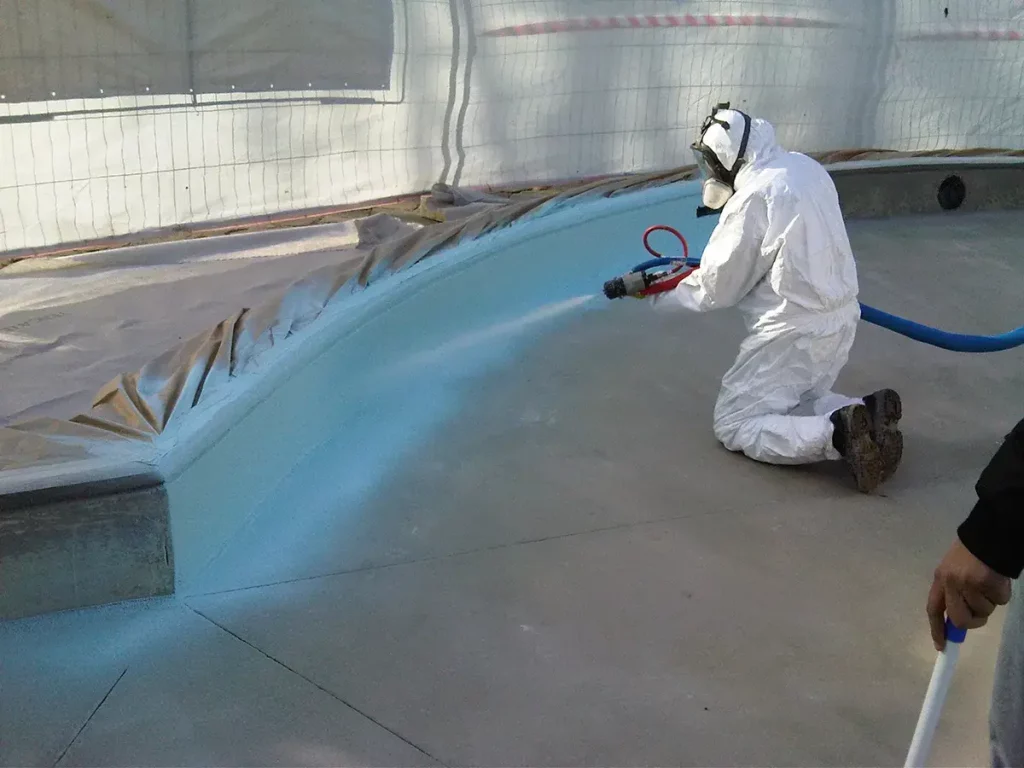
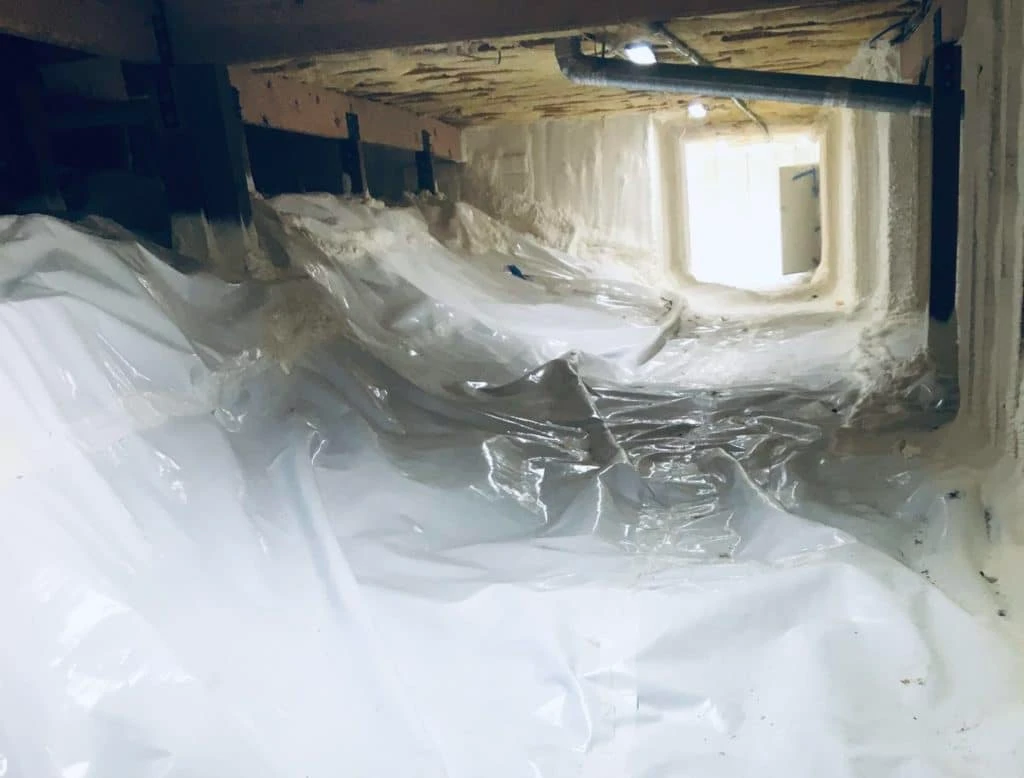
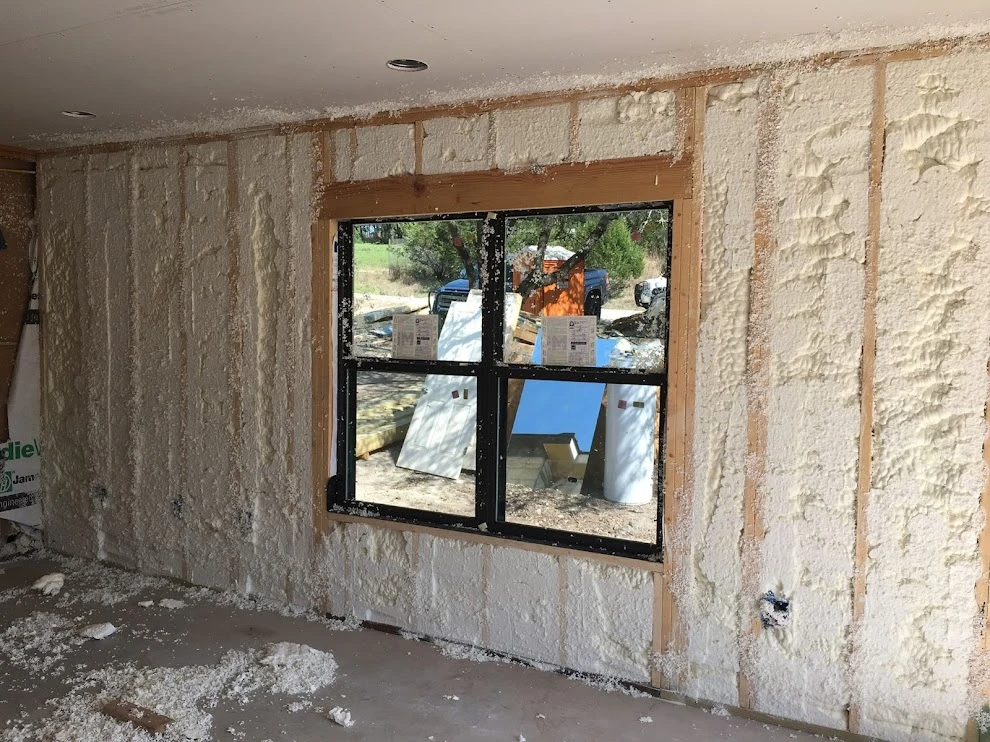
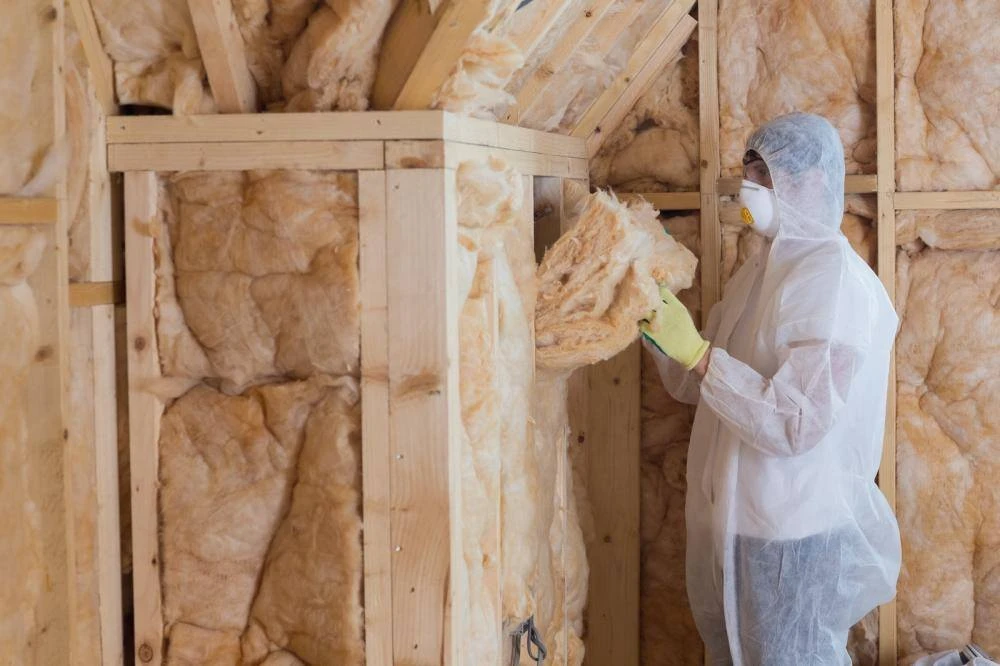
Spray foam insulation solutions particularly benefit HVAC airflow because it both insulates and air-seals in one application. This dual action prevents thermal bridging where heat transfers through framing materials, creating those annoying cold spots along walls and ceilings. By eliminating these pathways, spray foam allows your HVAC system to operate with the airflow patterns it was designed for, without fighting invisible heat loss.
Bonus Tip
When adding insulation to an existing home, focus on the attic first. Heat rises, making the attic the most critical area for preventing heat loss in winter and heat gain in summer. According to Energy Star, proper attic insulation can reduce your total heating and cooling costs by up to 10%.
Regional Considerations for Insulation
Your geographic location significantly impacts insulation requirements and HVAC performance. Homes in extreme climates need higher R-values to maintain consistent indoor temperatures and protect HVAC airflow efficiency.
In hot climates like Texas and Arizona, the focus is on preventing heat gain from the intense sun and high outdoor temperatures. Attic insulation becomes especially critical, as roof surfaces can reach 150-200 degrees in summer, creating massive heat transfer that battles your air conditioning system’s airflow.
Cold climate regions like Minnesota and Maine need insulation that prevents heat loss during long winters. Here, the priority is protecting against the cold while ensuring your heating system can maintain consistent airflow throughout your home without constantly cycling on and off.
The International Energy Conservation Code provides specific R-value recommendations for different climate zones, ranging from R-13 to R-60 for ceilings, depending on your location.
Things to Consider Before Making a Decision
Before installing new insulation to improve HVAC airflow, assess your home’s current situation thoroughly. A professional energy audit can identify exactly where heat transfer occurs and how it affects your system’s performance.
Start by checking existing insulation levels in your attic, walls, and crawlspaces. Many homes have insulation that has settled, compressed, or been damaged over time, reducing its R-value and effectiveness. Visual inspection often reveals gaps, compression from storage boxes, or moisture damage that compromises performance.
Consider your HVAC system’s age and condition as well. Older systems may struggle with airflow regardless of insulation quality. Sometimes upgrading insulation reveals underlying HVAC issues that were previously masked by the system constantly running to compensate for heat loss or gain.
Bonus Tip
Before adding insulation, seal all air leaks first. Air sealing around windows, doors, electrical outlets, and plumbing penetrations often provides more immediate improvement in HVAC airflow and comfort than adding insulation alone. The Lawrence Berkeley National Laboratory estimates that proper air sealing can reduce energy costs by 15% on its own.
Final Thoughts
Insulation directly impacts HVAC airflow by creating the thermal boundaries your system needs to operate efficiently. Hot and cold spots disappear when conditioned air can reach every room without fighting uncontrolled heat transfer through walls, ceilings, and floors. The right insulation approach depends on your home’s construction, climate, and existing conditions, but the connection between proper insulation and balanced airflow remains consistent across all applications.
Before making any insulation decisions, evaluate your current situation thoroughly. Start with a professional energy audit to identify specific problem areas, then prioritize solutions based on your comfort issues and budget. Remember that the goal is creating a consistent thermal envelope that allows your HVAC system to work as designed, delivering balanced airflow and even temperatures throughout your home.
Professional Assessment Services
For homeowners ready to address hot and cold spots and improve HVAC airflow, a professional evaluation can identify exactly where insulation upgrades will have the most impact. Contact Stellrr Insulation & Spray Foam at info@stellrr.com or call (512) 710-2839 to schedule a comprehensive home energy assessment. Our certified technicians use advanced diagnostic tools to pinpoint insulation deficiencies that affect airflow and recommend targeted solutions for optimal comfort and efficiency.
Frequently Asked Questions
What is the best insulation for improving HVAC airflow?
Spray foam insulation typically provides the most significant improvement in HVAC airflow because it both insulates and air-seals simultaneously. However, the best choice depends on your specific home construction and problem areas.
How much insulation do I need to eliminate hot spots?
The required R-value varies by climate zone and application, but most homes need at least R-38 in attics and R-13 in walls to significantly reduce hot and cold spots and improve airflow balance.
Will adding insulation make my HVAC system last longer?
Yes, proper insulation reduces the runtime and cycling frequency of your HVAC system, which can extend equipment life by reducing wear and tear on components.
Can I install insulation myself to improve airflow?
While DIY insulation installation is possible, professional installation ensures proper coverage, air sealing, and ventilation needed to optimize HVAC airflow without creating moisture problems.
How quickly will I notice improvements after adding insulation?
Most homeowners notice temperature balance improvements within 24-48 hours, but the full impact on energy bills and HVAC efficiency becomes apparent over the first few months as the system adjusts to the reduced heating and cooling load.
Sources
- U.S. Department of Energy – Official government resource on insulation types, R-values, and energy savings potential
- International Energy Conservation Code – Building code standards for insulation requirements by climate zone
- National Renewable Energy Laboratory – Research on residential energy efficiency and insulation effectiveness studies