
Proper insulation directly lowers energy bills by creating thermal barriers that prevent heat transfer between your home’s interior and the outdoor environment. In Georgetown’s climate, this means keeping hot air out during summer and warm air in during winter, reducing the workload on your HVAC system by up to 40%. The result is significantly lower monthly energy costs and improved home comfort year-round. This guide explains the mechanics of insulation, regional considerations for Georgetown homes, and practical steps homeowners can take to maximize energy savings through proper insulation.
Based on extensive experience with Texas home insulation projects, the information provided reflects real-world results and local building science. The focus here is on delivering practical, actionable insights that Georgetown homeowners can use to make informed decisions about their insulation needs.
The Science Behind Insulation and Energy Savings
Insulation works by slowing down heat transfer through three mechanisms: conduction, convection, and radiation. Materials with trapped air pockets, like fiberglass and cellulose, are most effective because air is a poor conductor of heat. The effectiveness of insulation is measured by R-value, which indicates thermal resistance, the higher the R-value, the better the material resists heat flow.
Heat naturally moves from warmer areas to cooler areas. In summer, heat tries to enter your air-conditioned home from outside. In winter, your heated home loses warmth to the colder outdoors. Without proper insulation, your HVAC system must constantly work to maintain comfortable temperatures, driving up energy consumption. Georgetown’s extreme summer temperatures make this cycle particularly costly.
Bonus Tip: The Department of Energy recommends different R-values for different climate zones. Georgetown falls in Zone 2, requiring R-30 to R-60 for attics and R-13 to R-15 for walls. Always exceed minimum recommendations for maximum savings.
Georgetown, TX Climate Challenges and Insulation Needs
Georgetown’s climate presents unique insulation challenges. Summer temperatures regularly exceed 95°F, while winters rarely drop below freezing. This means cooling loads dominate energy usage, making heat resistance the primary concern. Proper insulation services in Georgetown, TX must addresses both the intense solar radiation of summer months and occasional cold snaps in winter.
The local soil composition and housing stock also matter. Many Georgetown homes sit on expansive clay soils that can affect foundation performance and create air infiltration opportunities. Additionally, the area features a mix of historic homes and new construction, each requiring different insulation approaches.
According to the U.S. Energy Information Administration, Texas households spend an average of dollars annually on energy costs, with approximately 54% going to heating and cooling. This places Texas among the states with the highest residential energy expenses, making insulation upgrades particularly valuable for Georgetown homeowners.
Types of Insulation Materials for Texas Homes
Different insulation materials offer varying levels of effectiveness at different price points. The choice depends on your home’s construction, your budget, and specific performance needs in Georgetown’s climate.
| Material Type | R-Value per Inch | Best Application | Lifespan |
|---|---|---|---|
| Fiberglass Batts | 3.2-3.8 | Standard walls, attics | 80-100 years |
| Cellulose | 3.2-3.8 | Attics, wall cavities | 30-50 years |
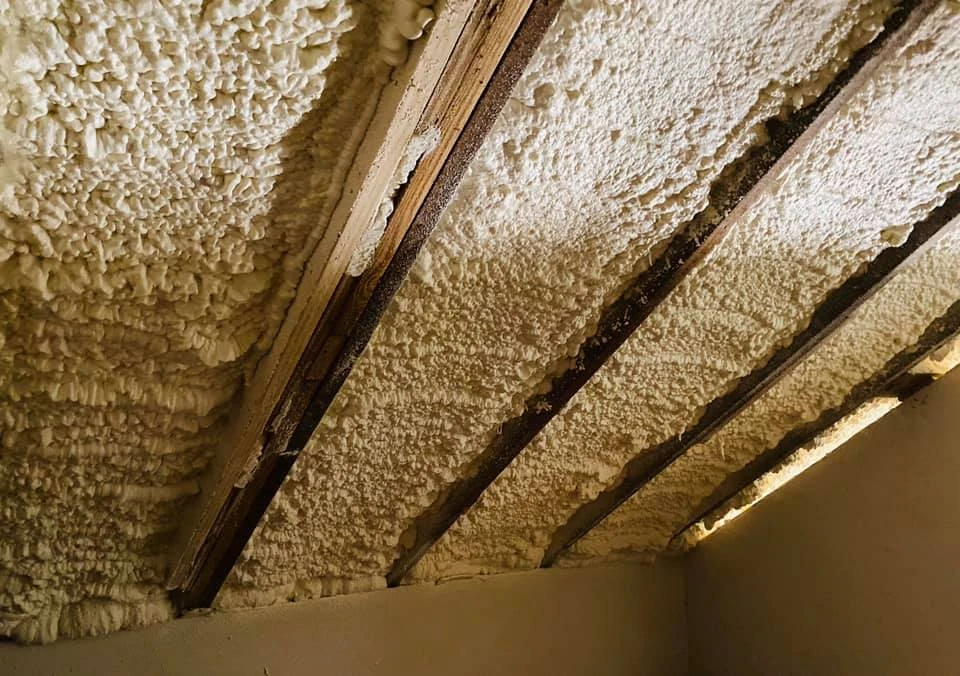
| Spray Foam | 6.0-8.0 | Air sealing, hard-to-reach areas | 80+ years |
| Mineral Wool | 3.0-3.5 | Fire barriers, sound-dampening | 100+ years |
| Rigid Foam | 4.0-6.5 | Foundations, exterior walls | 100+ years |
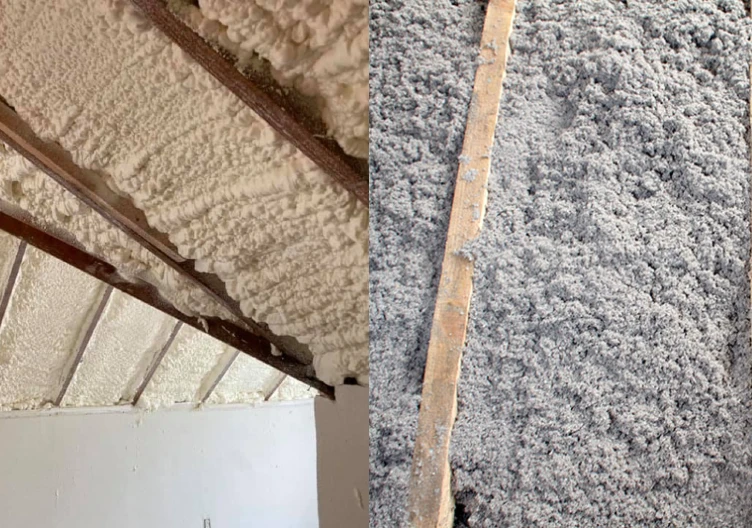
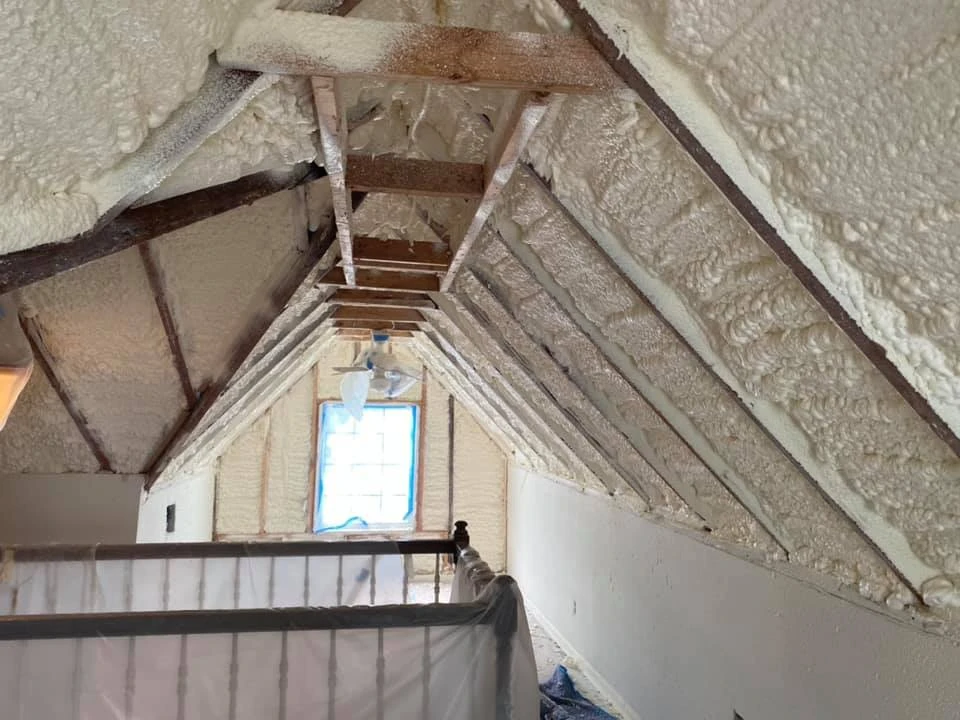
For Georgetown homes, cellulose insulation often provides the best value for attic applications due to its higher density and better air sealing properties compared to fiberglass. Spray foam, while more expensive, offers superior performance for air sealing and is ideal for specific applications like rim joists or cathedral ceilings.
Market Data: According to HomeAdvisor, the average cost to insulate an attic in Texas ranges in dollars, with most homeowners seeing a return on investment within 3-5 years through energy savings.
Critical Areas to Insulate in Georgetown Homes
Certain areas of your home offer the biggest impact for insulation investments. Prioritizing these areas ensures maximum energy savings for your investment.
The attic typically provides the highest return on investment. Heat rises and escapes through the roof, making attic insulation crucial in Georgetown’s hot climate. Most homes need at least 12-15 inches of insulation material to achieve recommended R-values for the region.
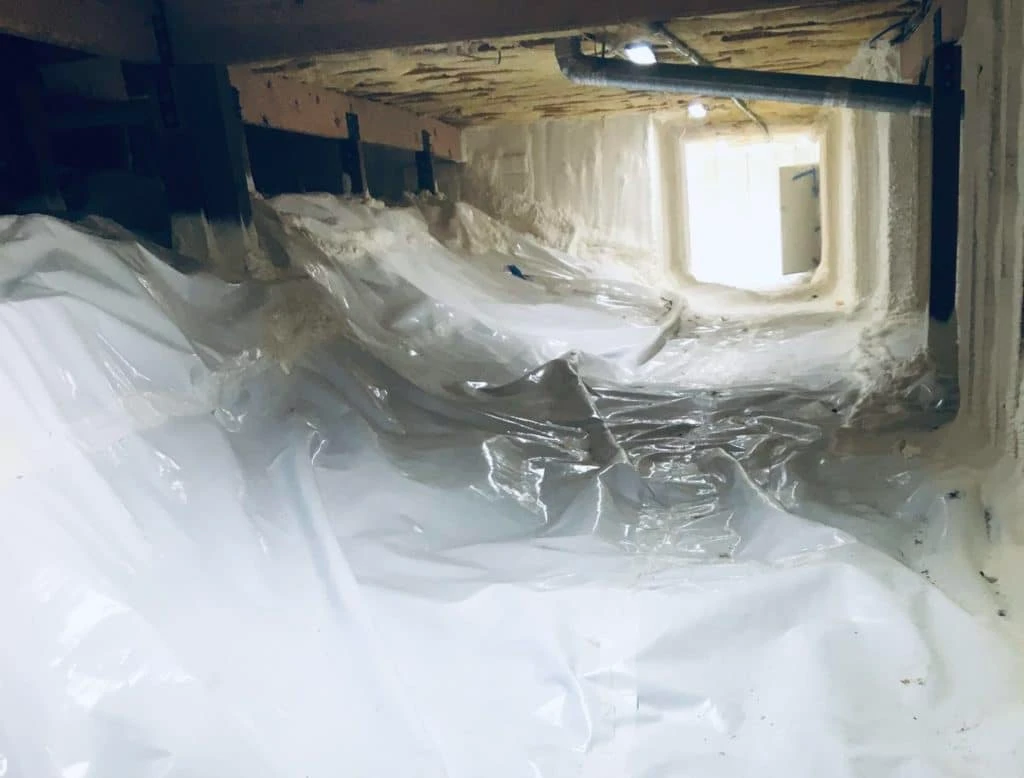
Wall insulation comes next, especially in older homes that may have little or no wall insulation. Crawl spaces and basements also require attention, as they can create significant air infiltration opportunities if not properly sealed and insulated.
Ductwork running through unconditioned spaces like attics or crawl spaces should be insulated to R-8 or higher. Uninsulated ducts can lose up to 30% of heating or cooling energy, particularly problematic in Georgetown’s extreme temperatures.
Windows and doors, while not traditionally insulated, contribute to energy loss. Sealing gaps and adding weatherstripping complements insulation efforts and reduces air infiltration.
Things to Consider Before Making a Decision
Before investing in insulation upgrades, assess your current situation. A home energy audit can identify specific problem areas and help prioritize improvements. Many utility companies offer free or discounted audit services.
Budget considerations should balance upfront costs against long-term savings. While spray foam offers superior performance, its higher initial cost may not fit every budget. Sometimes a combination of materials provides the best value.
Local building codes and rebate programs matter too. Austin Energy offers rebates for insulation improvements that may apply to Georgetown residents. These incentives can significantly reduce project costs and improve return on investment.
Consider the age and condition of your home. Historic properties may require special insulation approaches to preserve architectural integrity while improving energy efficiency. New construction offers opportunities to install optimal insulation from the start.
Bonus Tips for Maximum Efficiency
Air sealing should always precede insulation upgrades. Even the best insulation performs poorly if air can leak around it. Focus on sealing gaps around pipes, wires, and electrical boxes before adding insulation.
Proper ventilation works with insulation, not against it. Attics need adequate ventilation to prevent moisture buildup and heat accumulation. Ridge vents, soffit vents, or attic fans help maintain the right balance.
Don’t ignore the garage. Attached garages can significantly impact home energy efficiency if not properly separated from conditioned spaces. Insulating garage walls and ceilings provides additional benefits.
Key Takeaways for Georgetown Homeowners
Proper insulation significantly reduces energy costs by creating effective thermal barriers that minimize heat transfer. Georgetown’s extreme summer temperatures make this particularly valuable, with potential savings of 15-25% on heating and cooling expenses.
The most effective approach combines proper air sealing with appropriate insulation levels, prioritizing attics and walls first. Material choice depends on your specific needs, budget, and home construction, but cellulose and spray foam typically offer the best performance for the local climate.
Before making insulation decisions, assess your current situation, explore available rebates, and consider professional insulation installation in Georgetown to ensure optimal performance. The investment usually pays for itself within 3-5 years while improving home comfort.
Next Steps for Your Home
Ready to reduce your energy bills through better insulation? Contact Stellrr Insulation & Spray Foam for a comprehensive home energy assessment. Our team can evaluate your current insulation levels, identify problem areas, and recommend the most cost-effective solutions for your Georgetown home. Email info@stellrr.com or call (512) 710-2839 to schedule your consultation and start saving on energy costs today.
Frequently Asked Questions
What’s the best insulation type for Georgetown attics?
Cellulose insulation typically offers the best value for Georgetown attics. It provides higher density than fiberglass, better air sealing properties, and excellent resistance to heat flow in the local climate.
How much can I actually save on energy bills?
Georgetown homeowners typically save 15-25% on heating and cooling costs after proper insulation upgrades. The exact amount depends on your home’s condition, local energy rates, and the extent of improvements made.
Should I remove old insulation before adding new?
Not necessarily. If existing insulation is dry, intact, and free of pests, new insulation can often be added on top. However, damaged or contaminated insulation should be removed before installation.
How long does insulation installation take?
Most residential insulation projects take 1-2 days. Attic insulation can often be completed in a single day, while wall insulation projects may take longer depending on access and complexity.
Are there tax credits for insulation improvements?
Federal tax credits for energy-efficient home improvements, including insulation, are available through 2032. These credits cover 10% of the material, making insulation upgrades more affordable.
Sources
- U.S. Energy Information Administration – Official U.S. energy statistics and analysis including residential energy consumption data
- Austin Energy – Local utility company offering energy efficiency programs and rebates for Central Texas residents