
Old insulation often functions as a repository for allergens rather than a thermal barrier. Removing compromised insulation is frequently the most effective way to eliminate persistent indoor air quality issues that trigger respiratory problems. This guide explains the specific risks older insulation poses to allergy sufferers, outlines the insulation removal process, and details what property owners should consider before starting this project. Stelller provides this overview based on extensive field experience handling contaminated insulation systems.
The Hidden Allergen Problem in Insulation
Insulation materials, particularly fiberglass batts and blown-in cellulose, are porous. They trap dust, pollen, and pet dander over time. In humid climates, moisture intrusion leads to mold growth within the insulation fibers. Once mold establishes itself in porous materials, cleaning is no longer possible. The Asthma and Allergy Foundation of America lists dust mites and mold as among the most common indoor allergens that trigger asthma and allergy symptoms. Rodent infestations compound the issue. Rats and mice often nest in insulation, and the ammonia from urine mixed with dander creates a severe health hazard that simple vacuuming cannot resolve.
Signs It Is Time to Remove Old Insulation
Residents should look for specific indicators that insulation solution has become a health liability. Persistent respiratory symptoms that improve noticeably when leaving the home suggest an indoor irritant. Visible mold growth on the insulation or framing materials is a clear warning sign. Evidence of pests, such as droppings, tunnels, or chewed wiring in the material, requires immediate attention. A musty, earthy odor coming from the attic or crawl space usually indicates hidden moisture damage and microbial growth.
Bonus Tip: Use a high-powered flashlight to inspect the insulation’s underside. Touching the material is not necessary and can release particles. Look for matting or thinning, which indicates moisture issues or heavy pest traffic.
Comparison of Insulation Types and Allergen Risks
Different materials react differently to allergen exposure and moisture. Understanding the type of insulation present helps determine the urgency of removal.
| Material Type | Allergen Retention Risk | Susceptibility to Mold | Removal Difficulty |
|---|---|---|---|
| Fiberglass Batts | Moderate | Low (Glass does not feed mold) | Low to Moderate |
| Blown-in Fiberglass | High (Traps dust easily) | Low | High (Requires vacuum) |
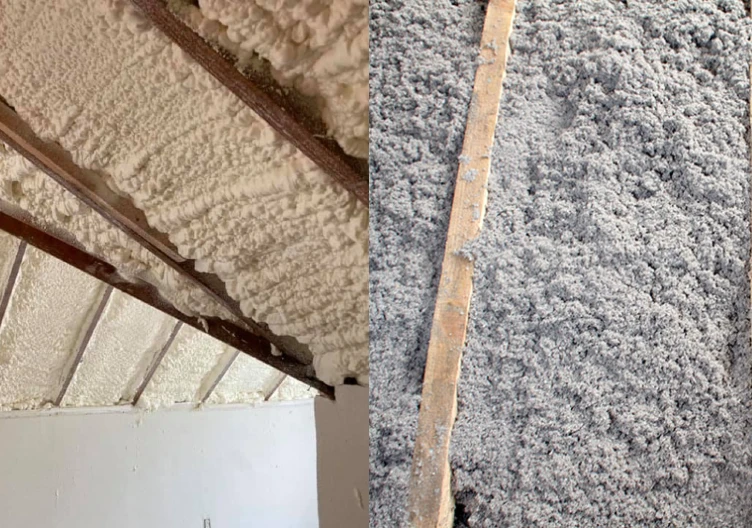
| Cellulose | Very High (Paper fibers hold debris) | High (Absorbs moisture) | High (Heavy and dusty) |
| Spray Foam | Low (Solid surface) | Low (if sealed) | Very High (Requires mechanical removal) |

Market Data and Indoor Air Quality
The focus on indoor air quality has grown significantly as building envelopes have tightened. According to the Environmental Protection Agency, indoor air pollution levels can be two to five times higher than outdoor levels. Poor indoor air quality ranks among the top environmental risks to public health. The agency notes that the immediate effects of indoor air pollution can appear after a single or repeated exposure, including irritation of the eyes, nose, and throat. These facts suggest that insulation removal is not merely a maintenance task but a health intervention for many properties.
Things to Consider Before Making a Decision
Removing insulation is a significant project. Property owners must evaluate several factors before proceeding.
- Cost vs. Value: Compare the removal cost with potential medical savings and energy-efficiency improvements. While removal is an upfront expense, the long-term health benefits often justify the investment.
- Disruption: The process requires sealing off the work area to prevent contamination of living spaces. Furniture and belongings near access points may need covering or moving.
- Regional Climate Factors: In areas with high humidity, like Central Texas, insulation holds moisture longer. Stelller often finds that attics in these regions suffer from rapid mold growth if ventilation is inadequate. Homeowners in humid zones must inspect insulation more frequently than those in arid climates.
- Air Sealing: Removal provides the perfect opportunity to seal air leaks before adding new material. Sealing gaps prevents future allergen infiltration.
Bonus Tip: Upgrade ventilation during removal. Installing ridge vents, soffit vents, or exhaust fans at the same time as insulation replacement helps prevent future moisture buildup and extends the life of the new insulation.
Final Thoughts
Removing old insulation is a direct way to improve indoor air quality and reduce allergy symptoms. Ignoring signs of contamination or pest damage allows health hazards to persist and worsen over time. Evaluating the specific risks of the current insulation, understanding the removal process, and planning for proper ventilation and air sealing ensures a lasting solution. Homeowners should assess their home’s history and current air quality to determine if removal is the right step for their health and comfort.
Contact for Professional Assessment
Stellrr Insulation & Spray Foam specializes in identifying insulation issues that affect indoor health. For a professional assessment of your insulation needs, contact Stelller at (512) 710-2839 or email info@stellrr.com.
Frequently Asked Questions
How long does insulation removal take?
Most standard residential projects take one day. Larger attics with significant debris or difficult access points can extend this timeline to 2 days.
Does removal improve energy bills?
It often does. Old insulation settles and loses effectiveness. Removing it allows for fresh material with the correct R-value, improving thermal performance and reducing the load on HVAC systems.
Is blown-in insulation removal messy?
It can be very messy without proper containment. Professionals use negative pressure and containment barriers to keep dust out of the living space.
Can old insulation make me sick?
Yes. Mold spores, rodent droppings, and accumulated dust in old insulation can trigger allergic reactions, asthma attacks, and other respiratory issues.
What is the best replacement for allergy-prone homes?
Spray foam creates a seal that prevents air and allergen movement. Alternatively, encapsulated batts resist dust absorption better than loose-fill materials.
Sources
- Asthma and Allergy Foundation of America – Provides data on common indoor allergens like mold and dust mites and their health effects.
- Environmental Protection Agency – Offers comprehensive information on indoor air quality risks and pollutant levels relative to outdoor air.