
Owning a home comes with a long list of invisible responsibilities. You check the roof, clean the gutters, and service the HVAC system, but how often do you think about what is sitting in your attic or crawlspace? Most homeowners never look up there until there is a problem. Yet, that fluffy material overhead acts as the primary barrier between your living space and the harsh outdoor elements. When it fails, the consequences ripple through your entire home, affecting your wallet, your health, and your comfort.
Many people assume insulation is a “set it and forget it” feature. The reality is quite different. Insulation degrades, settles, and gets contaminated over time. When it stops doing its job, simply adding new material on top of a mess is rarely the right solution. That approach is like putting a clean bandage over a dirty wound. To truly fix the problem, you often have to start fresh. This guide is built on years of field experience, having seen firsthand the difference a proper removal makes in a home’s performance. You will learn exactly when removal is necessary, how it is done safely, and the massive benefits it brings to your living environment.
What You Will Learn in This Guide
- The Red Flags: How to identify damaged, failing, or hazardous insulation in your home.
- The Health Connection: Understanding the risks of mold, pests, and airborne particles.
- Step-by-Step Process: A detailed look at professional removal methods versus DIY attempts.
- Safety First: The essential equipment and protocols required to protect your health.
- Efficiency Gains: How removing old insulation boosts your HVAC performance and lowers bills.
- The ROI: A breakdown of costs versus long-term savings.
Why Insulation Removal Matters
Insulation removal is not just about cleaning up a dirty attic. It is about resetting your home’s thermal boundary. Over time, insulation loses its ability to resist heat flow. This happens through a process called settling, where the material compresses under its own weight. When insulation compresses, it loses the air pockets that trap heat. A 12-inch layer of fiberglass that has settled to 6 inches has lost half of its insulating power.
Beyond settling, insulation acts like a filter for your home. It catches dust, allergens, and debris. If you have had any roof leaks, the insulation absorbs and holds that moisture. Wet insulation is a breeding ground for mold and mildew, which can circulate through your HVAC system and into the air you breathe. Stellrr has encountered countless attics where the insulation looked fine from a distance but was hiding significant moisture damage underneath. Removing it is the only way to be sure the problem is gone.
Key Takeaways
- Insulation settles over time, losing its thermal resistance (R-value) and effectiveness.
- Old insulation traps moisture, dust, and allergens that can impact your indoor air quality.
- Simply adding new insulation over old problems often masks issues rather than fixing them.
- A clean slate allows for air sealing, which is critical for modern energy efficiency.
Signs You Need to Remove Your Insulation
How do you know if you need a full removal or just a top-up? There are specific visual and physical cues that indicate your current insulation has failed.
Visible Moisture or Water Damage
If you see matted, flattened areas or dark stains on your insulation, water has been there. Fiberglass and cellulose do not dry out easily. Once they get wet, they tend to stay that way. Wet insulation loses its effectiveness immediately and creates a risk of mold growth within 24 to 48 hours.
Pest Infestations
Rodents, squirrels, raccoons, and bats love attics. They tear up insulation to make nests and leave waste behind. Rats and mice urinate and defecate constantly. This waste dries and turns into dust that carries viruses like Hantavirus. According to the Centers for Disease Control and Prevention, Hantavirus can be contracted by breathing in air contaminated with rodent urine or droppings. If you see tunnels, droppings, or notice a strong ammonia smell in your attic, the insulation is likely contaminated and needs to go.
Old Age and Material Type
If your home was built before the 1980s, you might have insulation that contains vermiculite. Much of the vermiculite insulation sold in the United States during that time came from a mine near Libby, Montana, which was contaminated with asbestos. Asbestos fibers are extremely dangerous when inhaled and can cause lung cancer and mesothelioma. If you suspect you have vermiculite insulation, do not disturb it. Call a professional for testing immediately.
Indoor Air Quality Issues
If your family suffers from unexplained allergies, excessive dust, or respiratory irritation that gets worse when the HVAC runs, your insulation might be the culprit. As air moves through the attic, it picks up particles from old insulation and pulls them down into your living space through ceiling can lights, attic hatches, and wall top plates.
Skyrocketing Energy Bills
If your heating and cooling bills keep climbing despite maintenance on your equipment, your thermal envelope is failing. Old, ineffective insulation forces your HVAC system to run longer and harder to maintain the temperature.
The Health Benefits of Removal
The impact of old insulation on human health is often underestimated. Your attic is directly connected to your living space through air leaks. Air pressure dynamics, especially the “stack effect” in which warm air rises and escapes through the top of the house, pull attic air into your home.
Eliminating Mold and Mildew
Mold spores are microscopic. Once they take hold in damp insulation, they can easily become airborne. Exposure to mold spores can trigger asthma attacks, allergic reactions, and respiratory infections. By removing the source material, you drastically reduce the mold load in your home environment.
Reducing Allergens
Dust mites, pollen, and construction debris accumulate in attic insulation over the years. Every time the attic door opens or a breeze blows through a roof vent, these particles get stirred up. Removing old fiberglass or cellulose eliminates this massive reservoir of allergens.
Removing Hazardous Materials
As mentioned earlier, older materials may contain asbestos. Even modern fiberglass can be an irritant. While fiberglass is not carcinogenic like asbestos, the tiny glass fibers can irritate the skin, eyes, and throat and lungs if inhaled. A professional removal ensures these fibers are contained and extracted without spreading them through the house.
The Impact on Energy Efficiency and ROI
Removing old insulation is an investment, but it pays for itself through energy savings. This is particularly true when the removal is paired with air sealing and modern insulation materials.
According to the U.S. Environmental Protection Agency, homeowners can save an average of 15% on heating and cooling costs (or 11% on total energy costs) by air-sealing their homes and adding insulation in attics, crawl spaces, and basement rim joists. You cannot achieve these results if you are air sealing over old, dirty, or wet insulation.
Understanding the “Reset”
When professionals remove old insulation, they gain access to the attic floor. This allows them to seal the gaps between the living space and the attic. These gaps, often found around plumbing stacks, electrical wires, and framing, are like holes in a boat. If you just add more insulation without plugging the holes, air still escapes. Removal provides the opportunity to permanently plug these holes.
Material Efficiency
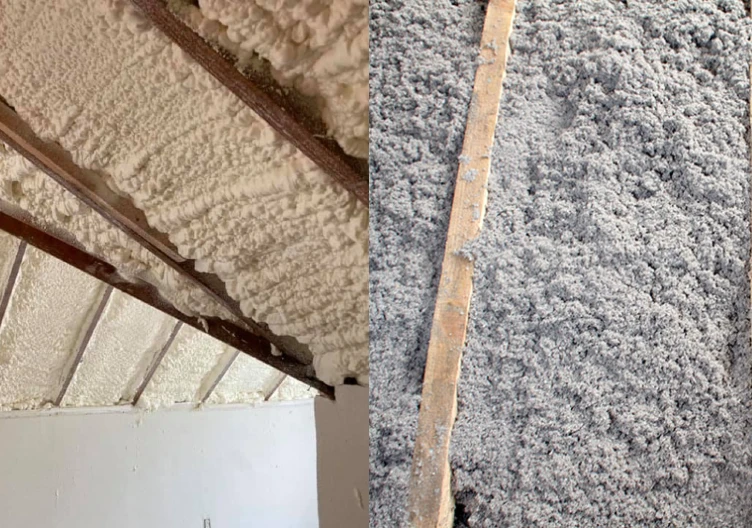
Modern insulation materials often outperform older versions significantly. For example, spray foam insulation creates both an air barrier and a thermal barrier, whereas traditional fiberglass insulation blocks heat but not air. By removing the old stuff, you make room for high-performance materials that do a better job with less thickness.
The table below compares the potential outcomes of keeping old insulation versus removing and replacing it.
| Scenario | Annual Energy Cost Estimate | Comfort Level | Air Quality | Longevity |
|---|---|---|---|---|
| Keep Old Insulation | High (15-20% above avg) | Poor (drafts, temp swings) | Poor (allergens present) | Degrading |
| Add New Over Old | Moderate (5-10% savings) | Moderate (some improvement) | Moderate (old issues remain) | Mixed |
| Remove & Replace | Low (Optimized efficiency) | High (consistent temps) | High (clean environment) | 20+ years |
Types of Insulation and Removal Challenges
Not all insulation is the same, and removing different materials requires different approaches.
Blanket Insulation (Batts and Rolls)
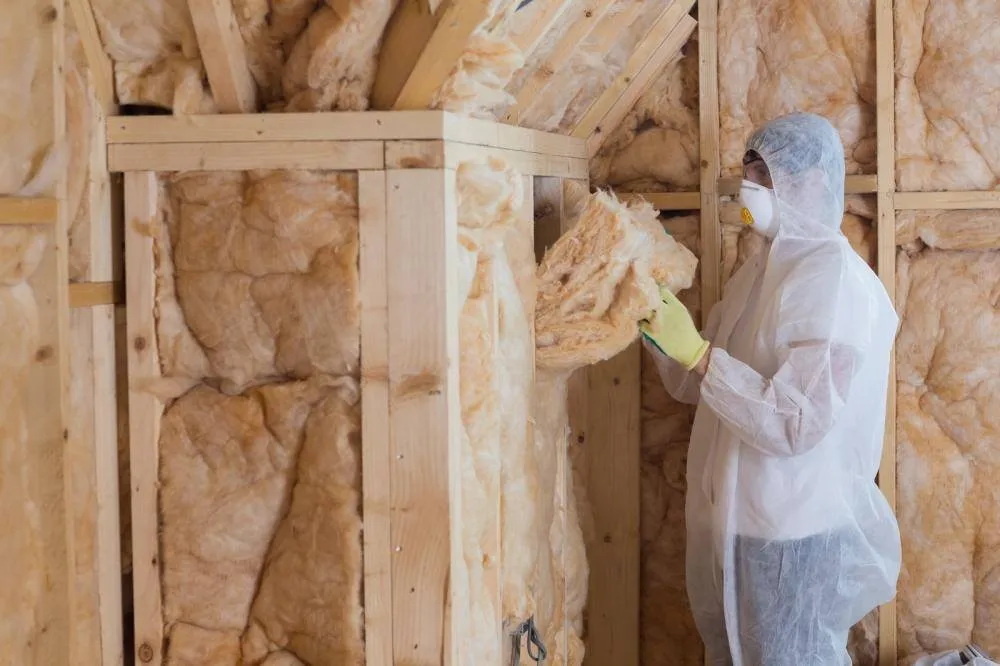
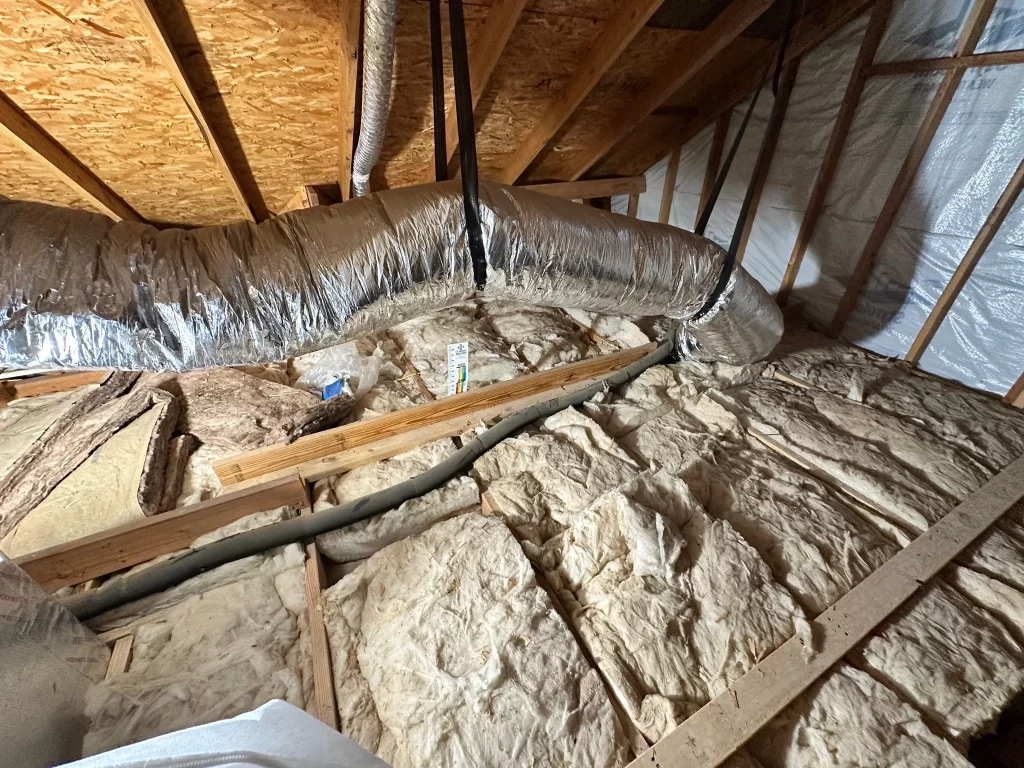
This is the pink or yellow fiberglass you often see in rolls. It is relatively easy to remove because it comes in large pieces. However, the glass fibers can be itchy and messy if handled without protection. If the paper backing is facing up, it can be a fire hazard and also creates a vapor barrier trap.
Loose-Fill (Blown-In Insulation)
This includes cellulose (made of recycled paper) and fiberglass loose fill. This is the most common type found in attics. It is challenging to remove because it gets into every nook and cranny. It is heavy, especially cellulose, which holds onto moisture. Removing blown-in insulation requires a high-powered commercial vacuum system. Using a shop vac is not feasible for a whole-attic job because it would take forever and the motor would burn out.
Spray Foam Insulation
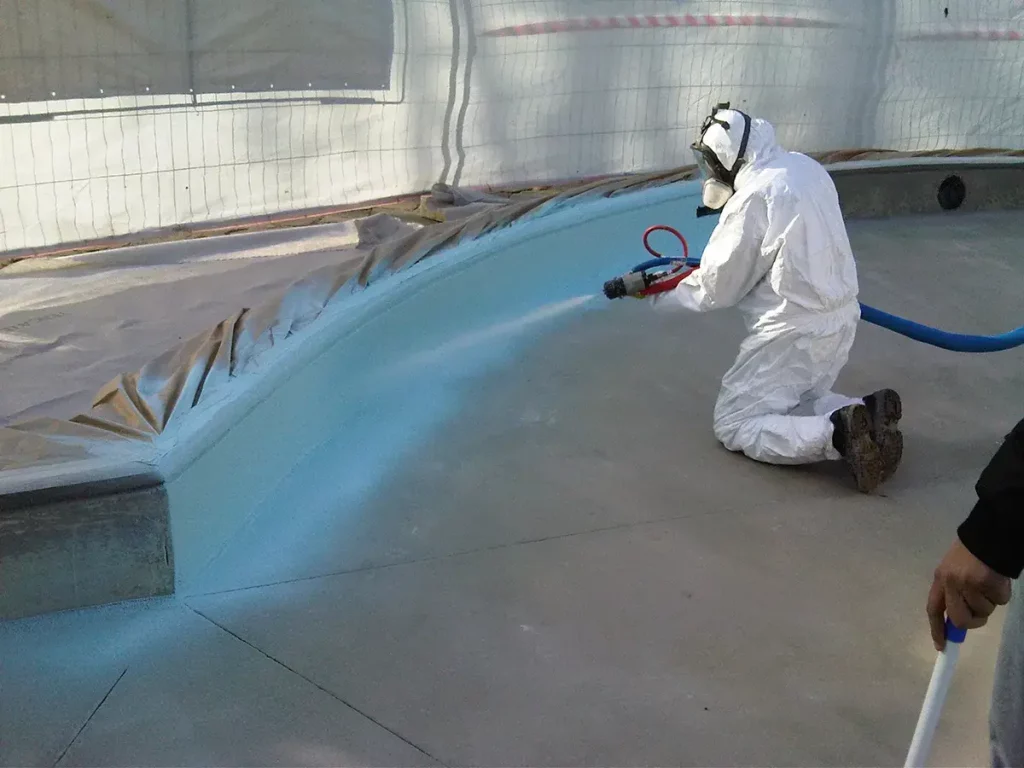
Removing spray foam is labor-intensive. If it is closed-cell foam, it is essentially hard plastic stuck to your roof deck or walls. Removal often involves scraping or grinding. This creates a massive amount of dust and debris. It is a job best left to professionals with specialized grinding tools and HEPA filtration systems.
Vermiculite
This looks like small pebbles or gravel. It pours easily. If you suspect you have this, do not try to remove it yourself. Disturbing it releases asbestos fibers. It requires a certified abatement contractor to remove it safely in accordance with federal regulations.
The Step-by-Step Removal Process
A professional removal job is systematic and thorough. It is not just about sucking up the material; it is about containment and protection.
Phase 1: Preparation and Containment
Before a single bag of insulation is touched, the work area must be prepped.
- Protection: The floor below the attic access is covered with heavy-duty plastic sheeting. HVAC vents in the house are often sealed off or covered with plastic to prevent dust from entering the ductwork.
- Lighting and Power: Temporary lighting is set up in the attic to ensure visibility. Heavy-duty extension cords are run to power the vacuum equipment.
- Setup: A large commercial vacuum hose is run from the attic, through a window or door, to a truck or a large filtration bag outside. This ensures the dust is collected outside the living space.
Phase 2: The Removal
With the equipment running, the technician enters the attic wearing personal protective equipment.
- Manual Removal: Large debris, wood scraps, or rodent nests are removed by hand and bagged.
- Vacuuming: For loose-fill insulation, a large hose (often 8 to 10 inches in diameter) is used. One technician feeds the hose while another manages the equipment outside. The vacuum pulls the insulation out at high speed.
- Batt Removal: For blanket insulation, it is rolled up and bagged manually or fed into the hose if it is chopped up.
- Accessing Tight Spots: Technicians use rakes and specialized whips to pull insulation out of hard-to-reach eaves and soffits.
Expert Tip: Removing insulation is the perfect time to have your attic air sealed. Stellrr recommends air-sealing the attic floor before installing any new insulation. Seal around wire penetrations, plumbing stacks, and the top plates of interior walls. This step is often overlooked by DIYers but is critical for energy efficiency.
Phase 3: Cleaning and Sanitizing
Once the insulation is gone, the attic floor is not yet ready for new material.
- Final Vacuum: A shop vac with a HEPA filter is used to remove the remaining fine dust and debris from the joists and floor decking.
- Sanitization: If there were signs of pests or mold, a specialized sanitizer or fungicide is fogged or sprayed onto the wood surfaces. This kills any remaining bacteria, viruses, or mold spores and deodorizes the space.
Phase 4: Disposal
The old insulation is collected in large filtration bags or stored in a truck. This material is heavy. A typical attic can hold several tons of insulation. Disposal must comply with local landfill regulations, especially if the material is suspected to contain asbestos or hazardous chemicals.
Safety Protocols and PPE
If you are considering tackling this yourself, you must understand the risks. Insulation removal is physically demanding and hazardous.
Essential Personal Protective Equipment (PPE)
- Respiratory Protection: A simple dust mask is not enough. You need a half-face respirator with P100 filters rated for fine particulates. If mold is present, the cartridge should be rated for organic vapors as well.
- Eye Protection: Goggles are necessary. Insulation fibers and dust can scratch your cornea.
- Skin Protection: Wear long sleeves, pants, and gloves. Tyvek suits are the gold standard because they are disposable and keep dust off your street clothes. Tucking pant legs into boots is a must to prevent insulation from getting into your shoes.
- Head Protection: Attics have low rafters and nails poking through the roof decking. A hard hat protects you from bumps and scrapes.
Structural Safety
Walking in an attic is dangerous. You must only step on the ceiling joists, not the drywall between them. Falling through the ceiling is a common and serious injury risk. Professionals often use “crawl boards” or “attic walk boards” to distribute their weight and move safely across the attic.
Electrical Safety
There are often wires running across the joists. Be extremely careful not to step on, snag, or cut electrical wiring. Knob and tube wiring in older homes can be particularly dangerous and brittle. Turn off the power to the attic circuits if possible before working.
Expert Tip: Never work alone in an attic. If you fall or get trapped, you need someone there to call for help. The heat in an attic can also be extreme, leading to heat exhaustion. Drink plenty of water and take breaks.
Disposal and Environmental Responsibility
Once the insulation is out of the house, it becomes a waste management issue.
Landfill Considerations
Most insulation ends up in a landfill. Fiberglass and cellulose are bulky. Contractors often use a specialized truck that compacts the material as it sucks it up, reducing the volume significantly. This saves on disposal fees because landfills charge by volume or weight.
Recycling Options
Recycling insulation is difficult but possible in some areas. Fiberglass can sometimes be recycled into new products, but the facilities are rare. Cellulose is essentially recycled paper, so it is biodegradable, but additives like fire retardants complicate the recycling process. Check with local waste management facilities to see if they accept construction and demolition debris for recycling.
Handling Hazardous Waste
If testing reveals asbestos, the disposal process changes entirely. It cannot go to a regular landfill. It must be transported to a designated hazardous waste facility. The paperwork and chain of custody requirements for asbestos disposal are strict. This is one of the main reasons to leave vermiculite removal to certified pros.
Post-Removal: Preparing for Re-Insulation
Removing the old insulation opens the door to a truly efficient home. The attic is now a clean slate.
Air Sealing
This is the most critical step between removal and installation. You must seal the gaps in the attic floor.
- Caulk: Use fire-rated caulk around framing gaps, electrical boxes, and wire penetrations.
- Spray Foam: Use low-expanding spray foam for larger gaps around plumbing stacks and chimneys.
- Weatherstripping: Install weatherstripping around the attic access hatch or stairs to prevent air leakage at the entry point.
Choosing the Right Replacement
Now that the attic is clean and sealed, you can choose the best insulation for your climate and needs.
- Blown-In Fiberglass: A popular, cost-effective choice that offers good coverage.
- Blown-In Cellulose: Higher density than fiberglass, better for blocking air flow, and made from recycled material.
- Spray Foam: The most expensive option, but it offers the highest R-value per inch and creates an air barrier.
Vapor Barriers and Ventilation
Ensure your attic has proper ventilation. Soffit vents intake cool air at the eaves, and ridge vents exhaust hot air at the peak. This airflow keeps the roof deck dry and prolongs the life of shingles. If you are installing insulation in the floor of the attic, ensure you install “baffles” or “rafter vents” at the eaves to keep the insulation from blocking the soffit vents.
Calculating the ROI of Removal
It can be hard to justify the cost of removal, but looking at the numbers helps.
Energy Savings
Data suggests that air sealing and insulating can save a homeowner up to 15% on heating and cooling costs. If your energy bill is $300 a month, that is $540 a year in savings. If the removal and replacement project costs $4,000, the payback period is roughly 7-8 years based solely on energy savings. However, insulation lasts for decades, so the savings continue long after the project is paid off.
HVAC Longevity
By improving your home’s envelope, your HVAC system works less. It turns on less frequently and runs for shorter cycles. This reduces wear and tear on the motor, compressor, and blower. A system that lasts 25 years instead of 15 saves you thousands of dollars in replacement costs.
Home Value
Energy efficiency is a selling point. An attic with clean, fresh, properly installed insulation is a mark of a well-maintained home. Home inspections often flag poor insulation as a problem item. Having it done proactively removes that objection during the sales process.
Common Challenges and How to Overcome Them
Even with a plan, challenges arise during removal.
Access Issues
Some attics have very small scuttle holes. Getting a large vacuum hose into the space can be tricky. In some cases, the access hole might need to be temporarily enlarged. This is a common issue in older homes where access was an afterthought.
Wiring and Junction Boxes
Removing insulation around electrical boxes requires care. You want to pull the insulation away from the box, not pull the box out of the ceiling. If the wiring is old or frayed, it must be addressed before covering it up again. Knob and tube wiring often needs to be replaced entirely because the insulation covering it creates a fire hazard.
Pest Re-infestation
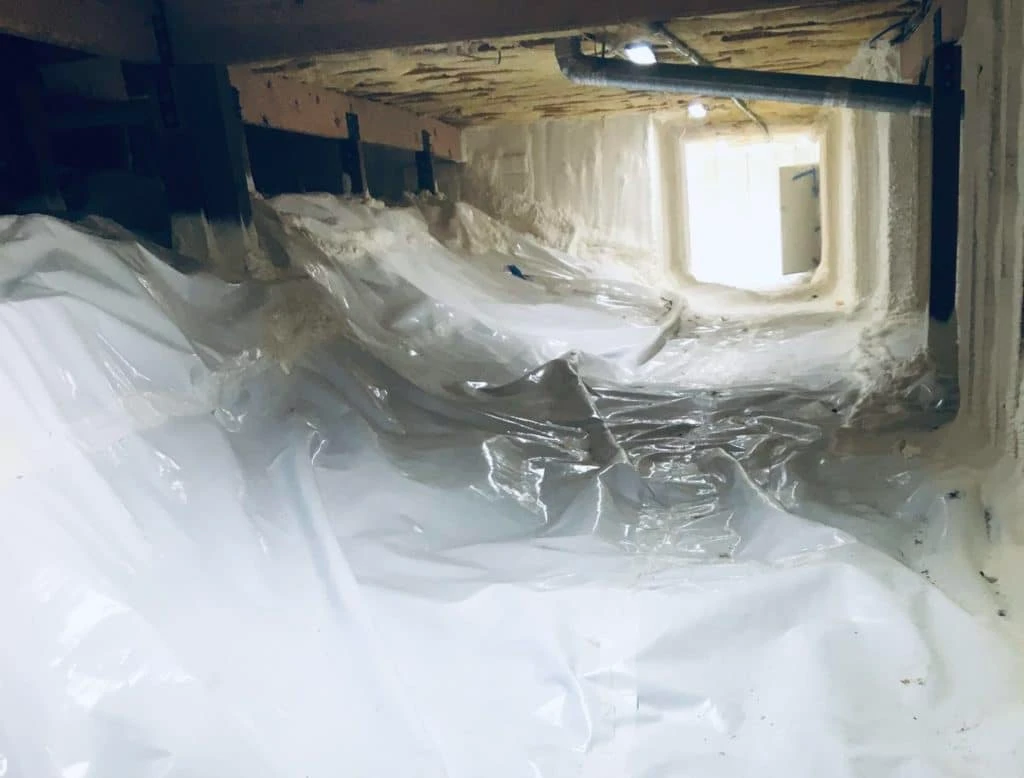
Once the insulation is gone, you might see damage to the wood structure from pests, such as tunnels or chew holes. These must be repaired and sealed before new insulation is installed. If you don’t plug the holes the pests used to get in, they will simply ruin your new insulation.
Putting Your Insulation Removal Strategy into Action
Dealing with old insulation is not a glamorous home improvement project, but it is one of the most impactful. You have seen how failing insulation hurts your health through allergens and mold, and how it hurts your wallet through high energy bills. You have learned the risks involved and the specific steps required to do the job right.
This guide provides the roadmap, but execution matters. If you are seeing signs of failure, or if your home is over 20 years old with its original insulation, it is worth investigating further. Start by looking in your attic safely from the access hatch. Look for dampness, animal droppings, or severely compressed areas. If you see any of these red flags, a professional assessment is the next step. A clean, efficient attic is the foundation of a comfortable, healthy home.
Need Expert Guidance?
Deciding to remove your insulation is a big step. If you are unsure about the condition of your insulation or just want a professional opinion, Stelller is here to help. You do not have to navigate this process alone. For a consultation, you can reach out via email at info@stellrr.com or call (512) 710-2839.
Frequently Asked Questions About Insulation Removal
How long does the process take?
Most residential attic removals take between 4 to 8 hours. The time depends on the size of the attic, the depth of the insulation, and the accessibility. If the insulation is wet or heavy with debris, it takes longer to vacuum.
Can I remove the insulation myself?
You can, but it is difficult and dangerous. Rental centers sometimes carry insulation vacuums, but they are often smaller and less powerful than commercial units. You will still need to buy PPE and rent a truck for disposal. For most homeowners, the health risks and physical toll outweigh the cost savings of hiring a professional.
Will removing insulation disturb my house?
If done correctly, no. Professionals use containment barriers and negative pressure to keep dust inside the attic and out of the living space. The vacuum hose exhausts outside, so the dust never enters the HVAC system.
Do I need a permit for removal?
In most municipalities, removing simple fiberglass or cellulose does not require a permit. However, if asbestos or vermiculite is found, or if you are modifying the structure significantly, permits might be required. Always check with your local building department.
How do I know if the old insulation has asbestos?
You cannot tell by looking at it. Vermiculite insulation looks like small gravel or pebbles, but not all vermiculite contains asbestos. The only way to know for sure is to have a sample tested by a certified laboratory. If you suspect it, stop work and call a pro.