
Modern insulation removal using high-powered commercial vacuums is safer, faster, and more thorough than traditional manual removal methods. While manual removal involves raking and bagging material by hand, modern techniques use specialized equipment to extract insulation directly into sealed containers. This approach minimizes airborne dust and significantly reduces the time spent on the job. Stelller consistently observes that vacuum extraction provides superior results for both fiberglass batts and loose-fill materials.
Homeowners facing insulation replacement need to understand these differences to make informed choices. This comparison breaks down the mechanics, costs, and safety implications of both approaches. The goal is to provide a clear picture of how the industry operates in 2026 and what that means for a property.
Traditional Manual Removal Methods
Manual removal is the older way of handling insulation. Workers enter the attic space with rakes, shovels, and heavy-duty bags. They physically rake the insulation toward the access point, scoop it into bags, and carry it out through the home. This method is labor-intensive and physically demanding.
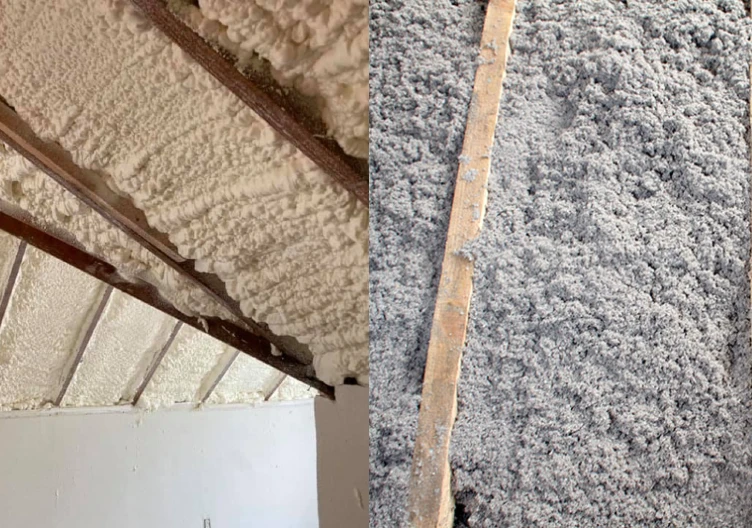
For batt insulation, workers cut the material into manageable strips, roll them up, and bag them. Loose-fill insulation, like cellulose or fiberglass, is raked into piles and shoveled into bags. The primary issue with this method is the disturbance it causes. Agitating insulation releases particulates into the air. Without advanced containment systems, this dust settles throughout the home.
Drawbacks of Manual Removal
The biggest downside to manual removal is the lack of containment. Even with plastic sheeting set up in the living space below, fine dust often escapes. This poses health risks to the occupants and the workers. Fiberglass particles can irritate skin and lungs, and older insulation might contain rodent droppings or mold spores.
Another issue is the physical strain on the workers. Attics are tight, hot, and difficult to move through. Manual removal takes longer, which increases labor hours. While the upfront equipment cost is lower, the total project cost often rises due to the extended time required.
Bonus Tip: If manual removal is the only option due to physical constraints, ensure the work area uses negative-pressure fans. These fans pull air from the work area to the outside, preventing dust from drifting into the living space.
Modern Vacuum Extraction Techniques
Modern removal relies on gas-powered or electric high-volume insulation removal vacuums. A long, flexible hose extends from the vacuum unit outside into the attic space. Workers feed the insulation into the hose, and the suction pulls it directly into a large disposal bag or dumpster. This method creates a closed loop for the debris.
This technique handles both loose-fill and batt insulation efficiently. For batts, workers use a commercial insulation blower set to vacuum mode, or break the insulation apart before feeding it into the hose. The power of these vacuums allows them to pull material from tight corners and hard-to-reach areas that rakes cannot easily access.
Advantages of Modern Equipment
The primary benefit is dust control. Since the material travels through a hose directly to a sealed container outside, very few particulates enter the home’s living space. According to safety guidelines from the EPA, minimizing dust is critical when dealing with older insulation that might contain asbestos or vermiculite. Modern vacuums are essential for meeting these safety standards.
Speed is another major factor. A commercial vacuum can remove an entire attic of loose-fill insulation in a fraction of the time it takes to bag it manually. The Insulation Institute notes that efficient removal allows for quicker installation of new insulation, reducing the overall disruption to the household. This efficiency often offsets the higher cost of renting or operating the machinery.
Comparison of Techniques
The table below highlights the operational differences between the two methods.
| Feature | Traditional Manual Removal | Modern Vacuum Extraction |
|---|---|---|
| Dust Control | Low (high airborne particulates) | High (sealed containment) |
| Speed | Slow (labor intensive) | Fast (mechanized) |
| Containment | Requires extensive plastic sheeting | Minimal plastic needed for outside access |
| Best For | Small, inaccessible areas or tight crawlspaces | Standard attics, large areas, contaminated material |
| Waste Handling | Multiple small bags are carried through the home | Large bags/dumpster outside the home |
Market Trends and Data
The shift toward modern removal is driven by both safety regulations and consumer demand for cleaner service. The insulation contractors industry has seen steady growth as homeowners retrofit older homes for energy efficiency. Market analysis from IBISWorld indicates that revenue for insulation contractors has grown over the past five years, encouraging investment in better equipment.
This investment allows contractors to offer cleaner, faster services. Homeowners now expect the removal process to be as clean as the installation. Companies that stick strictly to manual methods often find it difficult to compete with the efficiency and cleanliness of modern vacuum operations.
Things to Consider Before Making a Decision
Several factors determine which method is appropriate for a specific project.
Type of Insulation Loose-fill cellulose and fiberglass are best removed with vacuums. They are light and flow easily through hoses. Heavy, wet, or matted insulation might be difficult to vacuum and may require manual pre-breaking.
Attic Accessibility Modern equipment requires a clear path to run the hose. If the attic access is too limited or the crawl space is too tight for a worker to move around with a hose, manual removal might be the only option. Stelller evaluates the access point before recommending a specific technique.
Contamination Levels If the insulation is heavily contaminated with rodent waste or mold, vacuum removal is the safer choice. It limits the movement of hazardous particles. Manual removal in these scenarios poses a significant health risk to the occupants.
Bonus Tip: Always ask the contractor how they plan to protect the home during removal. The answer should involve sealing off the HVAC system and covering floors, regardless of the removal method used.
Regional and Climate Guidance
Climate plays a role in the condition of the insulation. In hot and humid climates, attics are prone to moisture accumulation, especially if the HVAC system is located there. Wet insulation is heavy and loses its R-value. Vacuuming wet cellulose can be difficult because the moisture causes it to clump.
In these regions, contractors may need to allow the insulation to dry or use larger vacuum hoses to handle the heavier, clumped material. Additionally, scheduling the removal during the cooler parts of the day is vital for worker safety in extreme heat.
Bonus Tip: Check with the waste management company beforehand. Some types of insulation require special disposal fees at the landfill, which affects the total project cost.
Final Thoughts
The choice between manual and vacuum removal comes down to safety, efficiency, and the specific conditions of the attic. Modern vacuum techniques offer clear advantages in terms of dust control and speed, making them the standard for most projects in 2026. However, physical constraints of the home may still require manual intervention in specific areas.
Evaluating the type of insulation, the level of contamination, and the accessibility of the space will dictate the best approach. Prioritizing methods that minimize airborne dust ensures the home remains safe and healthy during the process.
Need a Professional Assessment?
Determining the right removal method requires an expert evaluation of the attic space and insulation type. Stellrr Insulation & Spray Foam provides detailed assessments to identify the most efficient and safe approach for any home. Contact the team for specific advice or to schedule a consultation by calling (512) 710-2839 or emailing info@stellrr.com.
Frequently Asked Questions
Can I remove insulation myself?
DIY removal is possible but physically demanding and risky. Without commercial vacuums, the dust will spread throughout the home. Professional equipment ensures safety and containment.
How long does removal take?
Most standard attics take between 4 to 8 hours to clear using modern vacuum equipment. Manual removal can take a full day or longer, depending on the crew size and attic accessibility.
Is old insulation dangerous?
It can be. Insulation installed before the 1990s might contain vermiculite contaminated with asbestos. Disturbing this material releases fibers. The EPA recommends testing vermiculite before removal and hiring professionals if asbestos is present.
Does the insulation need to be removed before adding more?
Not always. Sometimes new insulation can be added over old material. Removal is necessary if the old insulation is wet, moldy, damaged by pests, or if the homeowner wants to upgrade the air sealing and ductwork.
What happens to the insulation after removal?
The vacuumed material goes into large disposal bags. These bags are usually hauled to a landfill. Some materials, like dry fiberglass, can sometimes be recycled, though options vary by location.
Sources
- U.S. Environmental Protection Agency (EPA) – Provides safety guidelines and risks associated with vermiculite and asbestos in older insulation.
- Insulation Institute – An industry resource offering technical data on insulation performance, best practices, and efficiency standards.
- IBISWorld – A market research firm providing industry reports and statistics on the insulation contractors market and growth trends.