
Insulation upgrades directly improve commercial property performance by reducing energy costs by 20-50%, increasing property values by 5-15%, extending building system lifespans, and enhancing tenant retention rates. These improvements create a compound effect on financial returns through lower operating expenses, higher net operating income, and increased asset appreciation over the building’s lifecycle.
The following comprehensive guide breaks down exactly how insulation upgrades deliver these results, including specific ROI calculations, implementation strategies, and critical decision factors. Based on extensive experience with commercial properties across various climate zones, this analysis provides actionable insights for property owners seeking to maximize their building’s long-term value and efficiency.
Financial Benefits Breakdown
The financial impact of insulation upgrades extends far beyond monthly energy bills. Commercial properties typically see energy savings between 20-50% after proper insulation installation, with payback periods ranging from 2 to 7 years, depending on building type and climate conditions. According to data from the U.S. Department of Energy, Commercial buildings can achieve significant per-square-foot savings annually through improved insulation alone
Property value increases represent another significant benefit. Energy-efficient buildings command premium rental rates and higher sale prices. Market research from Building Owners and Managers Association International shows that energy-efficient commercial properties sell for 5-15% more than comparable inefficient buildings. This premium reflects both the reduced operating costs and growing tenant demand for sustainable spaces.
Bonus Tip: Focus insulation upgrades first on areas with the highest energy loss potential typically roofs and exterior walls. These upgrades typically deliver the fastest ROI and most noticeable energy savings.
Insulation Type Comparison and ROI
| Insulation Type | Energy Savings | Payback Period | Lifespan (Years) |
|---|---|---|---|
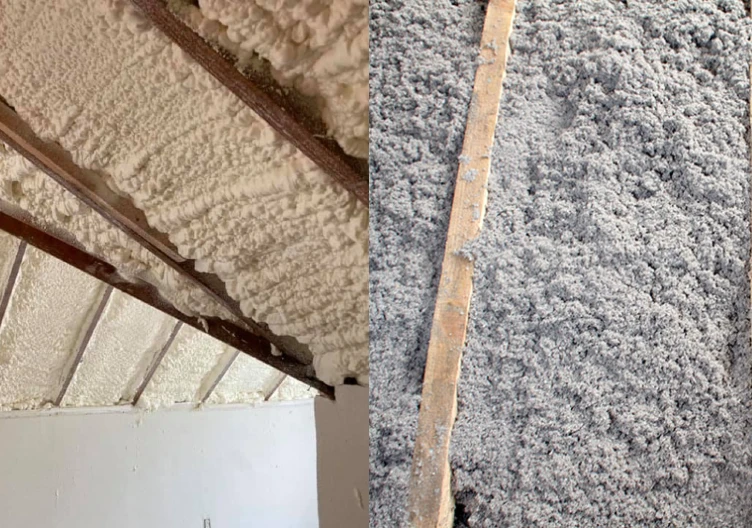
| Spray Foam | 30-50% | 3-5 years | 20-30 |
| Rigid Foam | 25-40% | 4-6 years | 25-40 |
| Mineral Wool | 20-35% | 5-7 years | 30-50 |
| Cellulose | 15-30% | 6-8 years | 20-30 |
Operational Improvements
Insulation upgrades fundamentally improve building operations beyond just energy savings. Enhanced temperature regulation reduces HVAC system runtime by 30-40%, directly extending equipment lifespan by 5-10 years. The reduction in system cycling frequency also decreases maintenance costs by approximately 15-25% annually, as HVAC components experience less wear and tear.
Temperature consistency throughout the building eliminates hot and cold spots that typically plague older commercial properties. This improved thermal comfort reduces tenant complaints and maintenance requests related to environmental systems. Buildings with proper insulation maintain temperature within 2 degrees of setpoints across all areas, compared to variations up to 8 degrees in underinsulated properties.
The structural benefits of insulation often get overlooked, but contribute significantly to building longevity. Proper insulation reduces thermal expansion and contraction in building materials, decreasing stress on structural components and facade systems. This reduction in thermal movement helps prevent cracks, leaks, and other structural issues that lead to expensive repairs over time.
Tenant Satisfaction and Retention
Tenant satisfaction directly correlates with occupancy rates and rental income, making it a critical factor in property performance. Insulation upgrades improve tenant experience through enhanced comfort, reduced noise transmission, and better air quality control. These improvements are particularly valuable in multi-tenant office buildings where environmental control directly impacts productivity and employee retention.
Bonus Tip: In office environments, prioritize acoustic insulation alongside thermal insulation. Studies show that reduced noise levels improve worker productivity by up to 15%, making your property more attractive to quality tenants.
Noise reduction benefits extend beyond individual tenant spaces to create a more professional environment throughout the building. Proper insulation reduces sound transmission between floors and between adjacent spaces by 50-75%, creating a quieter, more focused atmosphere that tenants value and are willing to pay premium rents for.
According to JLL Global Real Estate Perspectives report, 73% of tenants now consider sustainability features important in their leasing decisions. Energy efficiency upgrades like improved insulation have become a competitive differentiator in commercial real estate, particularly for corporate tenants with environmental, social, and governance (ESG) requirements.
Things to Consider Before Making a Decision
Before initiating insulation upgrades, a comprehensive building assessment is essential. This evaluation should include thermal imaging to identify heat loss areas, air leakage testing to determine infiltration rates, and an energy audit to establish baseline consumption patterns.
Climate considerations significantly influence insulation selection and installation methods. Buildings in hot, humid climates require different insulation strategies than those in cold, dry regions. For example, properties in the Southeast United States benefit most from reflective roofing materials combined with high-R-value insulation, while properties in northern climates should prioritize vapor barriers and air sealing to prevent moisture issues.
Bonus Tip: Consider phased implementation for large commercial properties. Start with the highest-impact areas like roofing and exterior walls, then expand to interior spaces based on tenant feedback and budget availability.
Budget planning should account for both direct installation costs and indirect expenses like temporary tenant relocation or business interruption. While insulation installation typically causes minimal disruption, coordination with tenants remains crucial for maintaining positive landlord-tenant relationships throughout the upgrade process.
Regional Climate Considerations
| Climate Region | Primary Focus | Recommended R-Value | Special Considerations |
|---|---|---|---|
| Hot-Humid | Reflective properties, moisture control | R-30 to R-49 | Vapor barriers, reflective roofing |
| Cold-Dry | Heat retention, air sealing | R-38 to R-60 | Vapor barriers, thermal breaks |
| Mixed-Humid | Balanced performance | R-30 to R-60 | Moisture control, ventilation |
| Hot-Dry | Solar reflection, night cooling | R-30 to R-49 | Radiant barriers, proper ventilation |
Making Your Insulation Investment Decision
Insulation upgrades deliver measurable improvements in commercial property performance through reduced operating costs, increased asset value, enhanced tenant satisfaction, and extended building lifespan. The key to maximizing these benefits lies in proper planning, material selection, and professional installation tailored to your specific building and climate conditions.
Before proceeding with insulation upgrades, conduct a comprehensive building assessment, calculate a realistic ROI based on local energy costs, and develop an implementation schedule that minimizes tenant disruption. The upfront investment typically pays for itself through energy savings alone within 3-7 years, with additional long-term benefits continuing to accumulate throughout the building’s lifecycle.
Contact for a Professional Insulation Assessment
For a comprehensive commercial insulation evaluation and personalized upgrade recommendations, contact Stellrr Insulation & Spray Foam at info@stellrr.com or call (512) 710-2839. Our team specializes in commercial property insulation solutions that maximize energy efficiency and ROI while minimizing disruption to your tenants and operations. Schedule your building assessment today to start realizing the long-term benefits of improved insulation performance.
FAQS
What R-value is recommended for commercial properties?
The recommended R-value varies by climate zone and building type. For most commercial buildings, exterior walls should have R-13 to R-21, roofs should have R-30 to R-49, and floors over unconditioned spaces should have R-19 to R-30. Local building codes provide minimum requirements, but exceeding these standards typically delivers better ROI.
How long does commercial insulation installation take?
The installation timeline depends on building size and accessibility. A typical 50,000 square foot commercial building requires 2-4 weeks for complete insulation installation when working during normal business hours. Phased approaches can extend the timeline but minimize disruption.
Can insulation upgrades qualify for LEED certification?
Yes, insulation upgrades contribute significantly to LEED certification through the Energy and Atmosphere credit category. Improved insulation helps buildings meet the energy performance prerequisites and earns points for optimized energy performance. Many properties achieve LEED certification primarily through envelope improvements, including insulation upgrades.
What maintenance does insulation require?
Modern insulation materials require minimal maintenance, typically limited to periodic inspection for damage or moisture infiltration. Spray foam insulation can last 20-30 years without degradation, while mineral wool and cellulose may require occasional reinstallation in high-traffic areas or where damage has occurred.
How do insulation upgrades affect property insurance premiums?
Energy-efficient upgrades, including insulation improvements, may reduce property insurance premiums by 5-10%. Insurance companies recognize the reduced risk associated with modern materials and improved building performance, particularly regarding fire resistance and structural integrity.
Sources
- U.S. Department of Energy – Official government resource on commercial building energy efficiency and insulation standards
- Building Owners and Managers Association International – Leading industry association providing commercial property performance data and market research
- JLL Global Real Estate Perspectives – Real estate market research including tenant preferences for sustainable and energy-efficient buildings