Creating a leak-free home envelope requires applying a continuous barrier of spray polyurethane foam (SPF) to the building’s structural boundaries, explicitly targeting the attic roof deck, rim joists, and crawl space foundations. Unlike traditional fiberglass or cellulose, spray foam expands upon application to fill microscopic cracks, voids, and gaps that allow air to pass through. This expansion creates a monolithic seal that stops the “stack effect,” the natural movement of air that pushes heat out of the roof and pulls outside air in through the foundation, thereby stabilizing indoor temperatures and humidity levels.
Homeowners frequently struggle with inconsistent room temperatures and high energy bills because their homes breathe too much. A leaky house allows conditioned air to escape and unconditioned, allergen-filled air to enter. This guide explains the specific physics of air movement and provides a step-by-step breakdown of how spray foam insulation addresses these issues to secure the building envelope. Drawing on established building science principles, the following sections detail the process of transforming a drafty structure into an energy-efficient system.
The Physics of Air Leakage: Why Homes Leak
Before applying a solution, it is necessary to understand the problem. Most homes operate like a chimney due to a phenomenon known as the stack effect. In the winter, heated air becomes buoyant and rises. It escapes through gaps in the ceiling, light fixtures, and attic hatches. As this air leaves the top of the house, it creates a negative-pressure zone at the bottom, sucking in cold air through the rim joists, windows, and crawl space.
This constant cycle forces your HVAC system to run continuously to condition new air entering the home. A study from the U.S. Department of Energy indicates that reducing air leakage is one of the most effective ways to cut heating and cooling costs and improve durability. Breaking this cycle requires sealing the top and bottom of the structure, not just the walls.
Critical Application Zones for a Complete Seal
To achieve a truly leak-free envelope, the installation must focus on the pressure boundaries of the home. Treating walls alone is rarely sufficient.
The Attic and Roof Deck
The attic is the primary exit point for conditioned air. Traditional insulation sits on the attic floor (the ceiling of the living space), but it often fails to stop air movement through wire holes, plumbing stacks, and light fixtures.
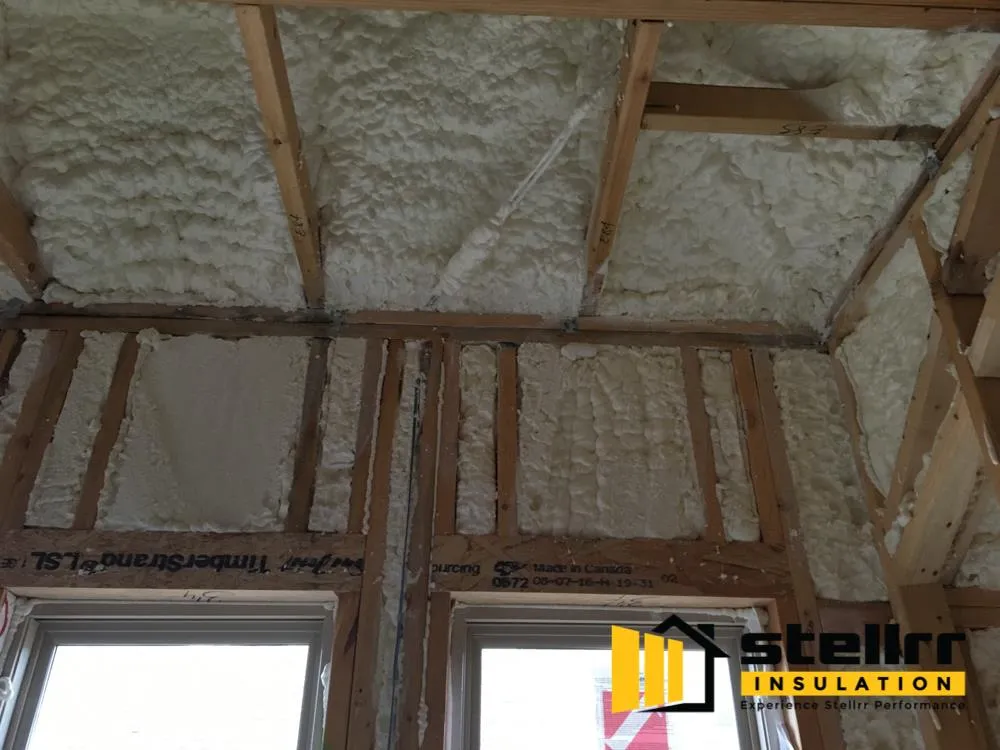
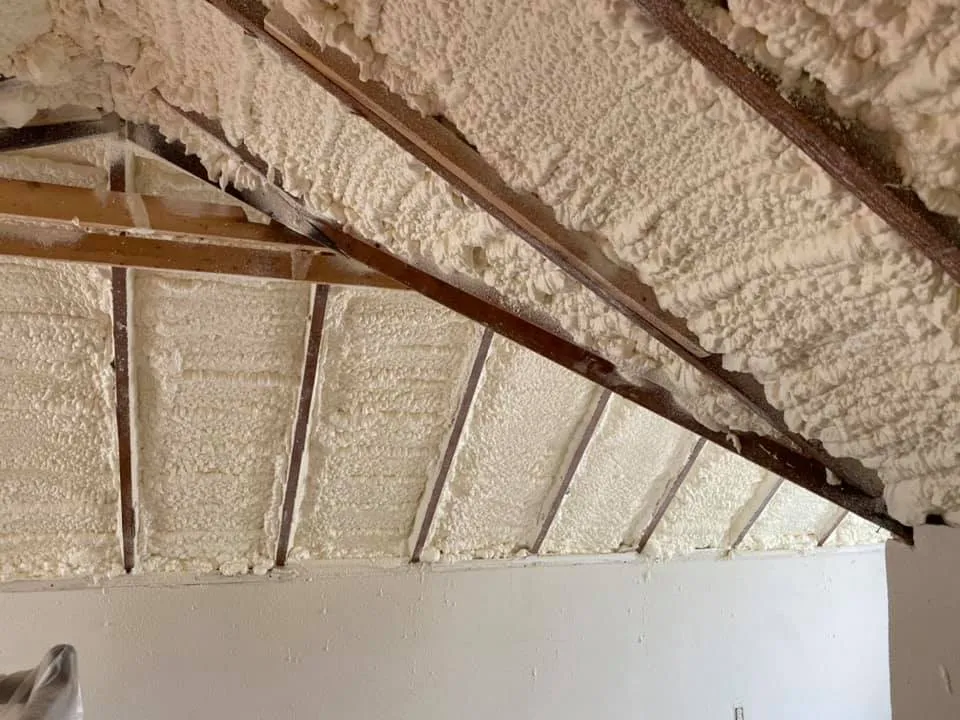
Applying spray foam directly to the underside of the roof deck moves the thermal boundary from the attic floor to the roofline. This method, often called an “unvented attic assembly,” brings the attic space into the home’s conditioned envelope. Ductwork in the attic no longer has to battle extreme summer heat or winter cold, which increases system efficiency.
Bonus Tip: When encapsulating an attic, ensure that all combustion appliances (such as gas furnaces) located in that space are sealed-combustion units or have a dedicated fresh-air intake to prevent back-drafting.
The Rim Joist
The rim joist is the perimeter board where the floor joists rest on the foundation wall. In many homes, this area is a significant source of air infiltration. Fiberglass batts stuffed in these cavities act like air filters rather than air barriers; they trap dust but let air pass right through.
Spray foam is the ideal material here because it adheres to both wood and concrete. It seals the seam where the house meets the foundation, effectively stopping the intake of cold air at the ground level.
Crawl Space Encapsulation
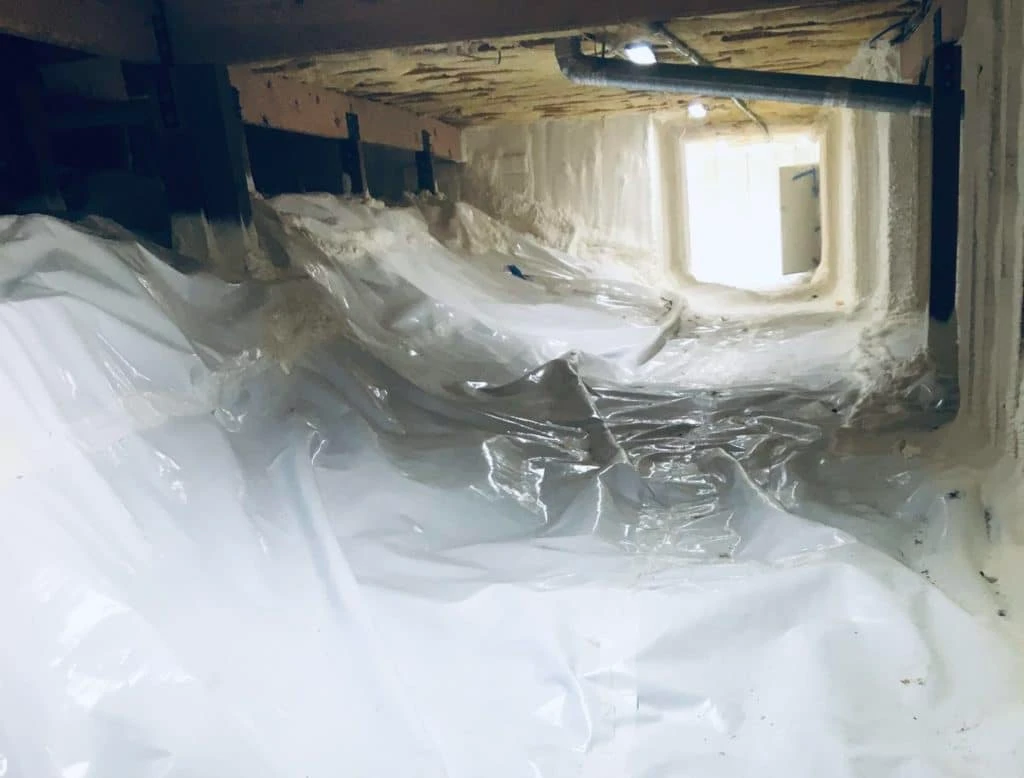
Homes with crawl spaces often suffer from moisture issues that migrate upward into the living space. Encapsulation involves lining the floor with a heavy vapor barrier and spraying the foundation walls with closed-cell foam.
This process separates the house from the damp earth. It prevents earth gases, humidity, and odors from entering the home stack. According to guidelines from Building Science Corporation, sealing crawl spaces is more effective at controlling moisture than venting, especially in humid climates.
Selecting the Right Foam: Open Cell vs. Closed Cell
Not all foam serves the same purpose. Understanding the difference between open-cell and closed-cell SPF is vital for proper application.
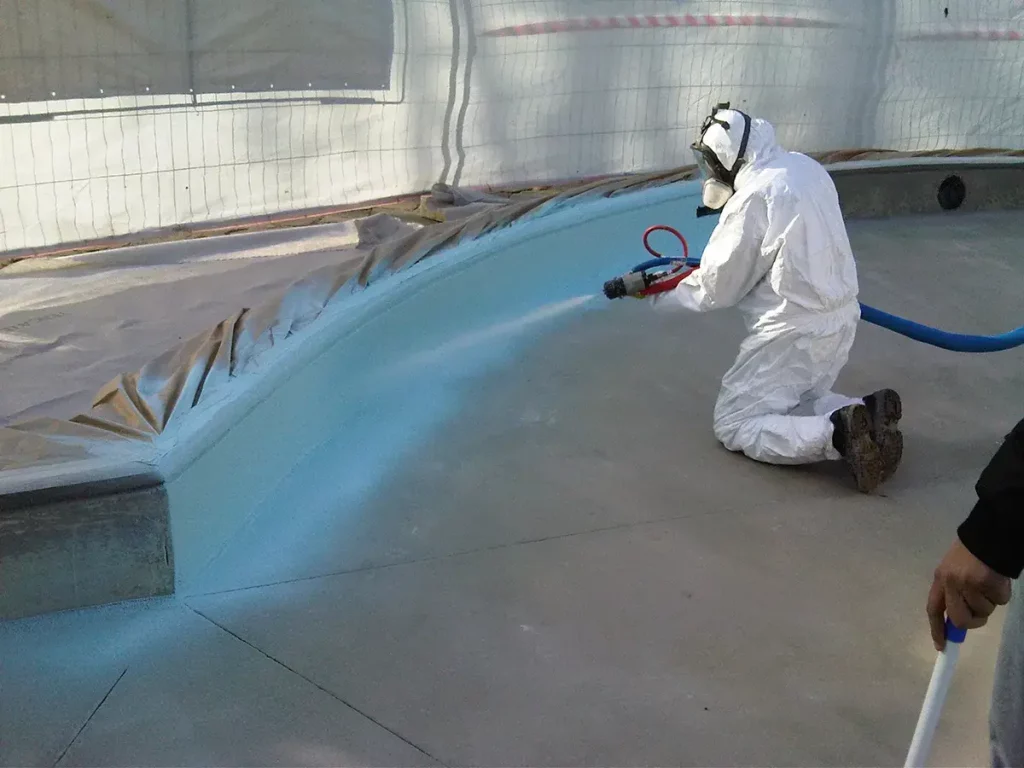
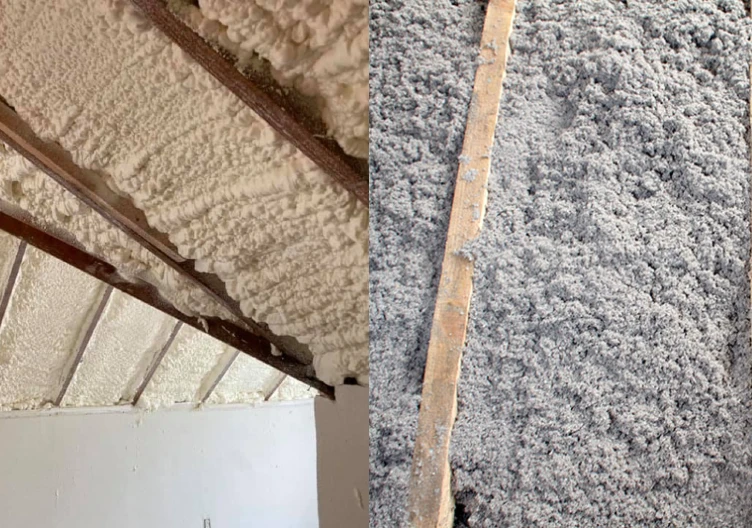
Closed-Cell Foam: This material is dense and rigid. The cells are fully encapsulated, making it a Class II vapor retarder. It adds structural strength to the building and is impermeable to water. It is the only option for below-grade applications, such as crawl spaces or basements, where moisture contact is possible.
Open-Cell Foam: This material is lighter and softer. The cells are broken, allowing water vapor to pass through, although it still blocks airflow. It expands significantly more than closed-cell foam, making it excellent for filling deep cavities in roof decks or walls. It also offers superior sound-dampening properties.
Technical Comparison of Foam Types
| Feature | Closed-Cell Foam | Open-Cell Foam |
|---|---|---|
| Density | High (~2.0 lb/cu ft) | Low (~0.5 lb/cu ft) |
| R-Value per Inch | ~6.0 – 7.0 | ~3.5 – 3.8 |
| Moisture Barrier | Yes (Water Resistant) | No (Permeable) |
| Air Barrier | Yes | Yes |
| Expansion Rate | ~30-40x | ~100x |
| Best Application | Crawl spaces, exterior applications, and metal buildings | Attics, interior walls, soundproofing |
Things to Consider Before Application
Securing a home envelope is a significant construction event that requires preparation. A homeowner must evaluate the building’s current condition.
Electrical Wiring: In older homes with knob-and-tube wiring, insulation cannot be in contact with the wires due to fire risks. An electrician must verify that the system is modern and safe to be encapsulated.
Existing Insulation: You cannot spray foam over wet or degraded fiberglass. Old insulation usually needs to be removed to allow the foam to bond directly to the substrate (wood or concrete). This removal also allows for the inspection of hidden water damage or pest issues.
Ventilation Requirements: A “leak-free” home means the house stops breathing naturally through cracks. While this saves energy, humans still need fresh air. When a home is sealed very tightly, mechanical ventilation, such as an Energy Recovery Ventilator (ERV), may be necessary to ensure fresh air exchange without losing energy.
Market Data on Envelope Efficiency
The impact of a sealed envelope is measurable. Data published by the EPA Energy Star Program suggests that sealing air leaks and adding insulation can save homeowners an average of 15% on heating and cooling costs (or 11% on total energy costs). In older housing stock with severe leakage, these savings can be significantly higher.
Furthermore, the insulation market is shifting toward these high-performance materials. Industry analysis indicates a growing preference for residential spray foam over traditional materials in retrofits, due to its dual ability to insulate and air-seal in a single step.
Bonus Tips for Maximum Efficiency
- Seal the Hatch: The attic access door is often the weakest link. Ensure the foam installer treats the back of the hatch and installs weatherstripping around the perimeter.
- Check the Windows: While foam seals the frame, the glass itself matters. If windows are single-pane, the envelope will still transfer heat via conduction, even if air leakage is stopped.
- Don’t Forget Cantilevers: Overhanging floors (like bay windows or rooms over porches) are notorious for cold floors. These cavities must be filled with foam to block airflow from the exterior.
Conclusion
Creating a leak-free home envelope is less about adding thickness to insulation and more about establishing a continuous air barrier. By addressing the physics of the stack effect and applying spray foam to the attic, rim joists, and foundation, a homeowner can stop the uncontrolled movement of air. This results in a structure that is easier to heat and cool, and healthier to live in.
Before proceeding, evaluate the property’s specific needs, including ventilation and current structural conditions. A tight envelope is the foundation of energy independence and home comfort.
Ready to Stop the Leaks?
If you are tired of fluctuating temperatures and rising energy costs, it is time to secure your home’s envelope. Stellrr Insulation & Spray Foam specializes in diagnosing air leakage and applying precision foam solutions to maximize comfort and efficiency.
Contact Stellrr Insulation & Spray Foam:
- Phone: (512) 710-2839
- Email: info@stellrr.com
Verify your home’s performance and start your journey toward a more efficient living space today.
Frequently Asked Questions
Is spray foam insulation permanent?
Yes, spray polyurethane foam is an indefinite material. It does not sag, settle, or degrade over time like fiberglass or cellulose. Unless physically removed or exposed to UV light (sunlight) for extended periods, it will remain in place for the life of the building.
Does sealing the house cause mold?
Mold requires moisture and organic material to grow. By sealing air leaks, you reduce the entry of humid air, which often causes condensation in wall cavities. However, proper mechanical ventilation is required in tight homes to manage internal humidity generated by cooking and showering.
Can I apply spray foam myself with a DIY kit?
“Froth packs” are available for minor touch-ups, but they are not suitable for large envelope projects. The chemical mixture requires precise temperature and pressure control to cure correctly. Poorly mixed foam can remain tacky, smell permanently, or shrink, compromising the seal. Professional equipment is necessary for whole-home applications.
What is the return on investment (ROI)?
ROI varies based on energy prices and climate. While the upfront cost is higher than traditional materials, the monthly energy savings typically pay for the investment over 5 to 7 years. Additionally, reducing HVAC wear and tear contributes to long-term savings.
Sources
- U.S. Department of Energy – Information on the importance of air sealing for energy efficiency and comfort.
- Building Science Corporation – Technical guidelines on crawl space encapsulation and moisture control.
- EPA Energy Star Program – Methodology and data regarding energy savings from sealing and insulating.