
Old insulation acts like a filter that has not been changed in decades. Over time, insulation materials degrade, settle, and absorb contaminants. This process allows dust, mold spores, and rodent waste to circulate through the living space, significantly lowering indoor air quality. Fixing the problem requires a three step approach. First, homeowners must identify if the existing material is compromised. Second, the old insulation usually requires removal and proper disposal. Third, the attic or crawlspace needs air sealing before installing new, high-performance insulation.
Many homeowners assume insulation lasts forever, but it loses its ability to resist heat flow and block air pollutants as it ages. Understanding the lifecycle of building materials helps maintain a healthy home environment. This guide explains the specific risks of aging insulation and provides clear steps for remediation.
The Hidden Dangers of Aging Insulation
Insulation does not just sit there quietly. It interacts with the air moving through a home. When insulation ages, it becomes brittle or compresses. This reduces its effectiveness and creates physical pathways for pollutants to enter the living area.
Particulate Matter and Fiber Shedding
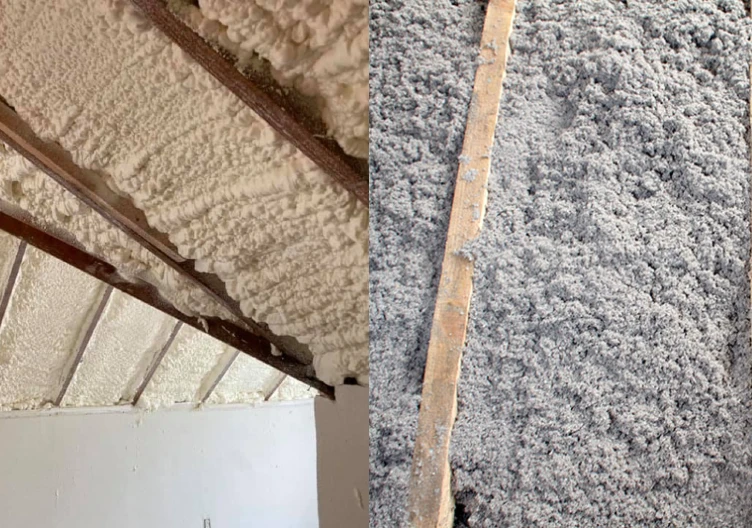
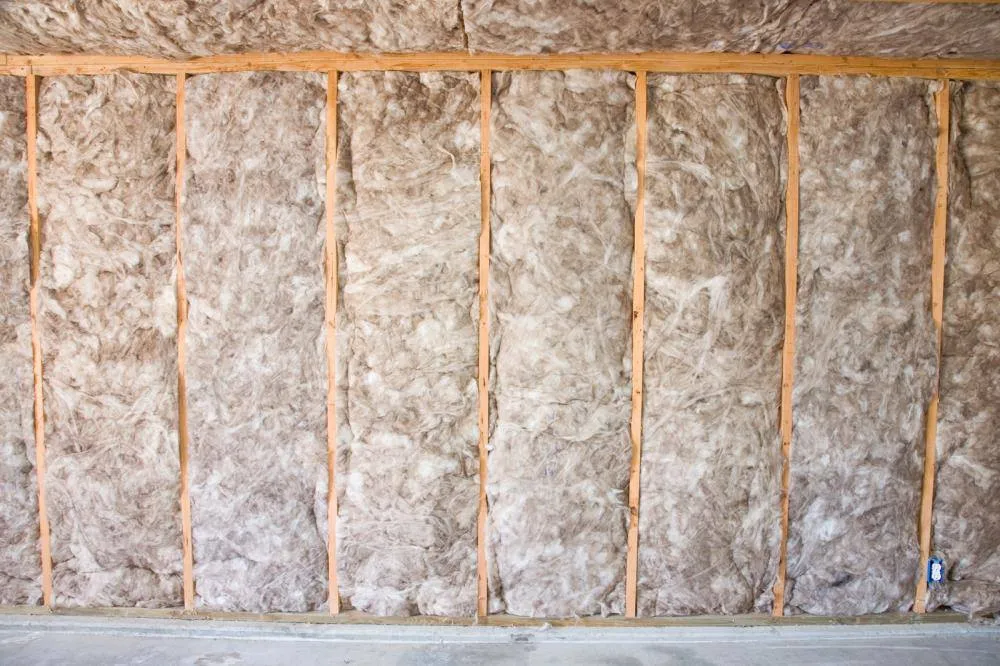
Fiberglass batts and loose-fill cellulose are common in older homes. As fiberglass breaks down, it releases tiny glass fibers into the air. These fibers can irritate the eyes, skin, and respiratory system. Cellulose, made from recycled paper, produces excessive dust as it dries out and settles. This dust circulates through HVAC vents and settles on furniture.
Moisture and Mold Growth
Moisture is the enemy of insulation. Roof leaks, condensation, or high humidity can wet the material. Once wet, fiberglass loses its R value, which measures thermal resistance. Damp insulation provides a perfect breeding ground for mold and mildew. Mold spores can easily move from the attic into the main living space, causing allergic reactions and respiratory issues.
Pests and Biological Contaminants
Rodents and insects often nest in insulation because it offers warmth. Urine, droppings, and decaying carcasses accumulate in the material. These biological contaminants release harmful airborne particles and bacteria. Hantavirus, a serious respiratory disease, can spread through rodent droppings found in attics and crawlspaces.
Volatile Organic Compounds
Older insulation materials may contain binders and fire retardants that off-gas chemicals. Many insulation products manufactured decades ago used formaldehyde-based resins. As these materials degrade, they release volatile organic compounds into the air. Long-term exposure to high levels of VOCs can cause headaches, dizziness, and more serious health effects.
How Old Is Too Old?
The lifespan of insulation depends on the material and installation quality. However, environmental factors play a huge role.
Regional Climate Factors
In hot, humid climates like those in Texas, insulation faces unique challenges. Extreme heat in attics can degrade fiberglass binders faster than in milder climates. High humidity levels increase the risk of moisture retention in cellulose insulation. Stelller frequently observes that homes in regions with temperature extremes often show insulation failure sooner than the manufacturer’s stated lifespan.
Visual Signs of Failure
Homeowners should look for several warning signs that insulation has become a health hazard. Discoloration indicates moisture damage or mold growth. Compression or matting suggests the material has lost its thickness and effectiveness. Visible animal droppings or tunnels are clear signs of infestation. A musty odor coming from vents or the attic often signals mold growth within the insulation layer.
Comparing Insulation Types and Risks
Different materials age differently and pose specific risks to indoor air quality.
| Insulation Type | Typical Lifespan | Primary Air Quality Risks When Aged | Moisture Resistance |
|---|---|---|---|
| Fiberglass Batts | 20-30 years | Fiber shedding, dust, and formaldehyde off-gassing | High (glass fibers do not absorb water) |
| Loose Fill Cellulose | 20-30 years | Excessive dust, mold growth, fire retardant chemicals | Low (absorbs water easily) |
| Vermiculite | Indefinite | Asbestos fibers (if manufactured pre-1990) | Low |
| Spray Foam | 20+ years | Off-gassing during installation, rare long-term VOCs | High (acts as a vapor barrier) |
The Remediation Process
Removing old insulation is not a simple DIY project. It requires specialized equipment to safely contain contaminants without spreading them throughout the home.
Assessment and Planning
A thorough inspection determines the extent of the contamination. Professionals check for air leaks, moisture sources, and pest entry points. According to data from Energy Star, sealing air leaks before adding insulation can improve heating and cooling efficiency by up to 15%. This step is critical to prevent new insulation from suffering the same fate as the old.
Safe Removal Techniques
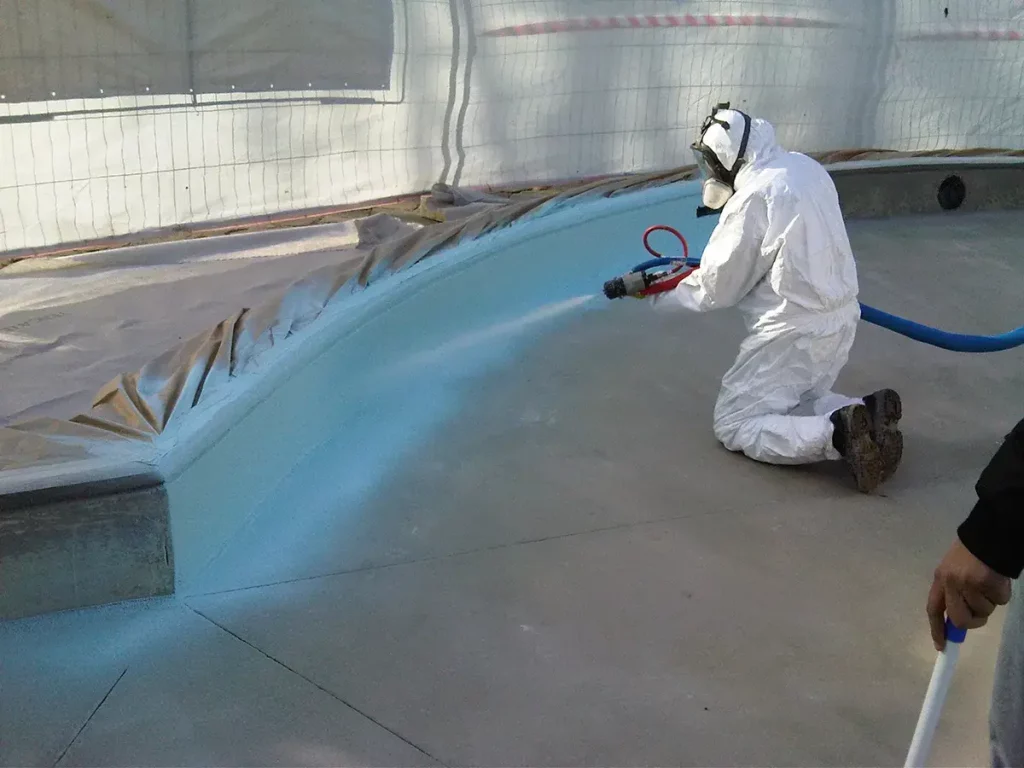
Removal begins with establishing a containment zone. Workers use negative-pressure machines to suck dust and fibers out of the space. High-powered insulation vacuums remove loose fill materials. For batt insulation, workers bag the material by hand to prevent fibers from becoming airborne. All waste gets sealed in heavy-duty bags and disposed of according to local regulations.
Air Sealing the Envelope
Once the old material is gone, the real work begins. Air sealing stops the uncontrolled flow of air between the attic and the living space. Technicians seal gaps around chimneys, recessed lights, plumbing stacks, and framing studs using spray foam or caulk. This step prevents dust and pollen from entering the home and keeps conditioned air from escaping.
Installing New Insulation
With the space sealed, fresh insulation goes in. Modern materials offer better performance and fewer air quality risks. Dense pack cellulose treated with borates resists pests and mold. High-quality fiberglass does not contain formaldehyde. Spray foam insulation creates an air-tight seal and high R-value in a thin layer. The choice depends on the climate, budget, and the home’s structure.
Things to Consider Before Making a Decision
Homeowners must weigh several factors before starting an insulation replacement project.
- Health Symptoms: If residents experience chronic allergies, headaches, or respiratory issues that improve when away from home, the insulation is likely a contributing factor.
- Air Sealing Necessity: Simply adding new insulation on top of old is rarely effective. The old layer must often be removed to properly access and seal the attic floor.
- Ventilation Requirements: Attics need proper intake and exhaust vents to prevent moisture buildup. Installing baffles ensures soffit vents remain clear after adding insulation.
- Return on Investment: While removal is an added cost, the improvement in air quality and energy efficiency often offsets the expense over time. The U.S. Environmental Protection Agency estimates indoor air can be two to five times more polluted than outdoor air, making remediation a health priority.
Bonus Tips for Homeowners
- Check Ductwork: Leaky air ducts in the attic pull dust and insulation fibers directly into the HVAC system. Sealing ducts during an insulation project protects air quality.
- Radiant Barriers: In hot climates, installing a radiant barrier under the roof rafters can reduce attic temperatures by up to 30 degrees, lowering the load on the insulation and HVAC system.
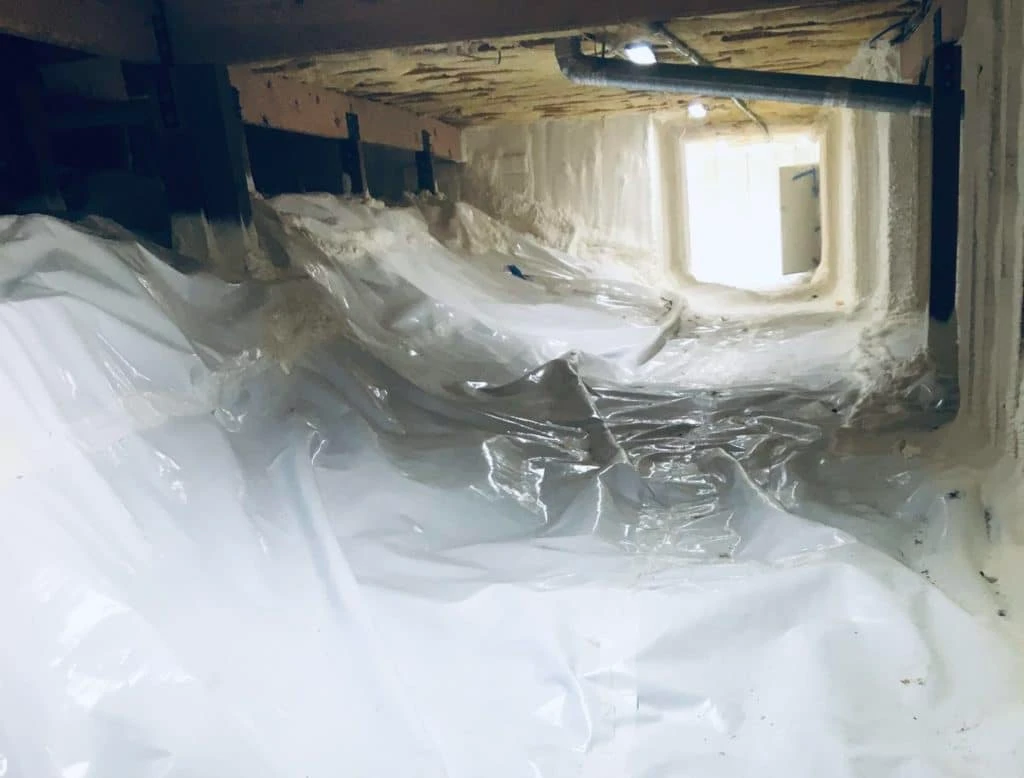
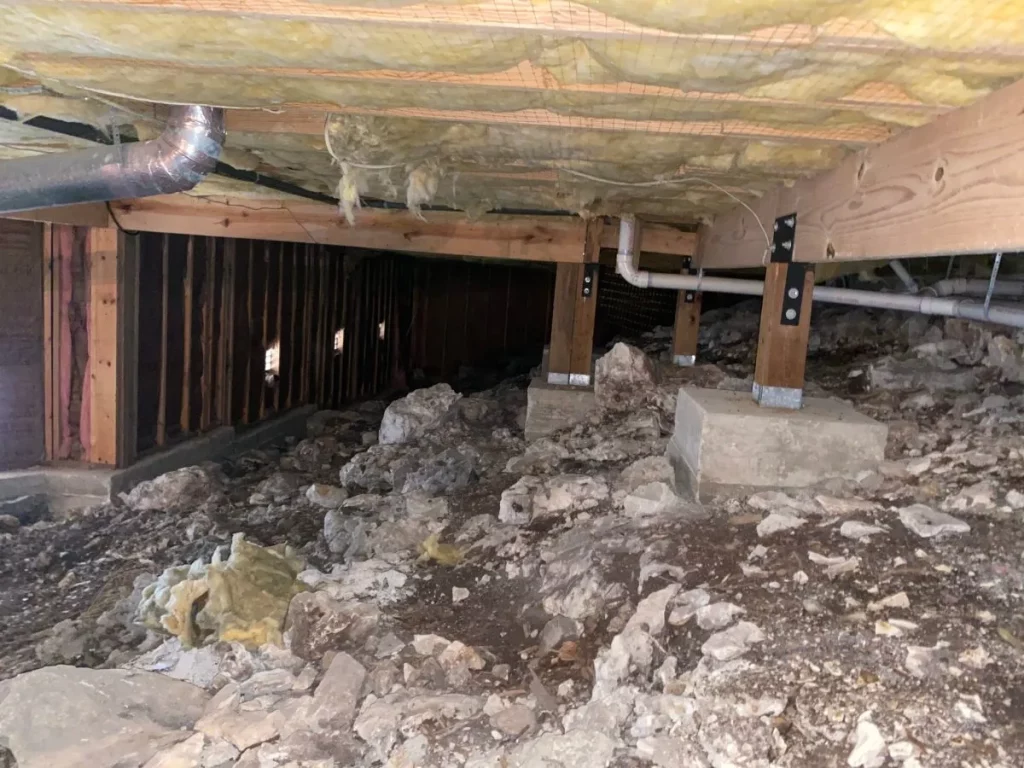
- Vapor Barriers: In crawlspaces, a thick plastic vapor barrier on the ground is essential to stop ground moisture from rising into the insulation and floor joists.
Final Thoughts on Indoor Air Quality
Old insulation acts as a silent filter that eventually becomes a source of pollution rather than a defense against it. Ignoring degraded material puts the health of the home’s occupants at risk and wastes energy. The solution requires more than just adding another layer. It involves removing the source of contamination, sealing the building envelope, and installing modern materials that meet today’s efficiency standards. Homeowners should evaluate their insulation every few years to ensure it continues to protect their home and their health.
Get Professional Help
Improving indoor air quality starts with a professional assessment. Contact Stelller to schedule an inspection and receive a customized plan for insulation removal services. The team can identify specific air quality issues in the home and recommend the best solutions. Reach out by email at info@stellrr.com or call (512) 710-2839 to discuss the project needs.
Frequently Asked Questions
What are the signs of mold in insulation?
Mold on insulation often looks like black, gray, or greenish staining. Fiberglass does not feed mold, but dust on the fibers does. A strong, musty odor is often the first indicator of a mold problem in the attic.
Is removing insulation a messy job?
Yes, it is a very messy process. Professionals use industrial vacuums and containment barriers to keep the mess contained to the attic. Attempting this without proper equipment will spread dust and fibers throughout the home.
Does old insulation cause allergies?
Old insulation is a common reservoir for allergens. It traps dust mites, pollen, and pet dander. As the air moves through the attic, these allergens enter the home and can trigger allergic reactions.
What is the best insulation for air quality?
Spray foam insulation offers the best air quality benefits because it seals cracks and gaps completely, preventing air infiltration. It does not settle or shed fibers over time. Mineral wool is another good option because it is fire- and mold-resistant and does not contain formaldehyde.
Sources
- U.S. Environmental Protection Agency – Information on indoor air quality risks and the impact of building materials on health.
- Energy Star – Data on the energy savings associated with sealing and insulating homes effectively.