Achieving optimal R-value in a Leander home requires targeting specific resistance levels based on Central Texas’s hot, humid climate zone (IECC Zone 2). For the best energy efficiency and comfort, residential properties in this area should aim for an insulation rating of R-49 to R-60 in the attic, R-13 to R-19 in the walls, and R-19 to R-25 in floors over unconditioned spaces. While local building codes may permit a minimum of R-38 for attics, pushing toward R-49 provides a superior buffer against the intense summer heat that defines the region.
Simply adding more material is not enough. The effectiveness of these R-values relies heavily on proper air sealing to stop heat transfer through leaks and gaps. This guide outlines the specific steps, materials, and technical considerations necessary to maximize thermal performance in Leander homes, drawing on years of field work in the local construction environment.
Understanding Local Climate Demands
Leander sits within a climate zone that demands a defensive strategy against heat gain rather than heat loss. The primary goal here is to keep the conditioned air inside and the humid, hot air outside. Leander, TX insulation solution slows the flow of conductive heat, and the R-value quantifies this resistance. A higher number indicates better insulating properties.
In this region, the sun beats down on roof decks, raising attic temperatures well above 130 degrees Fahrenheit during summer. Without sufficient R-value, this heat radiates down into the living space, forcing HVAC systems to run continuously. Data from the Department of Energy indicates that properly insulating and air-sealing a home in this climate zone can reduce heating and cooling costs by an average of 15%. This reduction directly impacts monthly utility bills and extends the lifespan of air conditioning units.
Target R-Values for Maximum Efficiency
Building codes provide a baseline, but “optimal” performance often requires exceeding these minimums. The following table compares the target R-values for different areas of a Leander home with standard code requirements.
Insulation Targets for Central Texas (Zone 2)
| Home Component | Code Minimum (2015 IECC) | Optimal Performance Target | Priority Level |
|---|---|---|---|
| Attic / Roof Deck | R-38 | R-49 to R-60 | High |
| Exterior Walls | R-13 | R-15 to R-21 | Medium |
| Floors (over garage/crawlspace) | R-13 | R-19 to R-25 | Medium |
| Cathedral Ceilings | R-30 | R-38 | High |
Bonus Tip: When upgrading attic insulation, verify that the new material’s weight does not exceed the ceiling drywall’s load-bearing capacity, especially if using dense materials like cellulose.
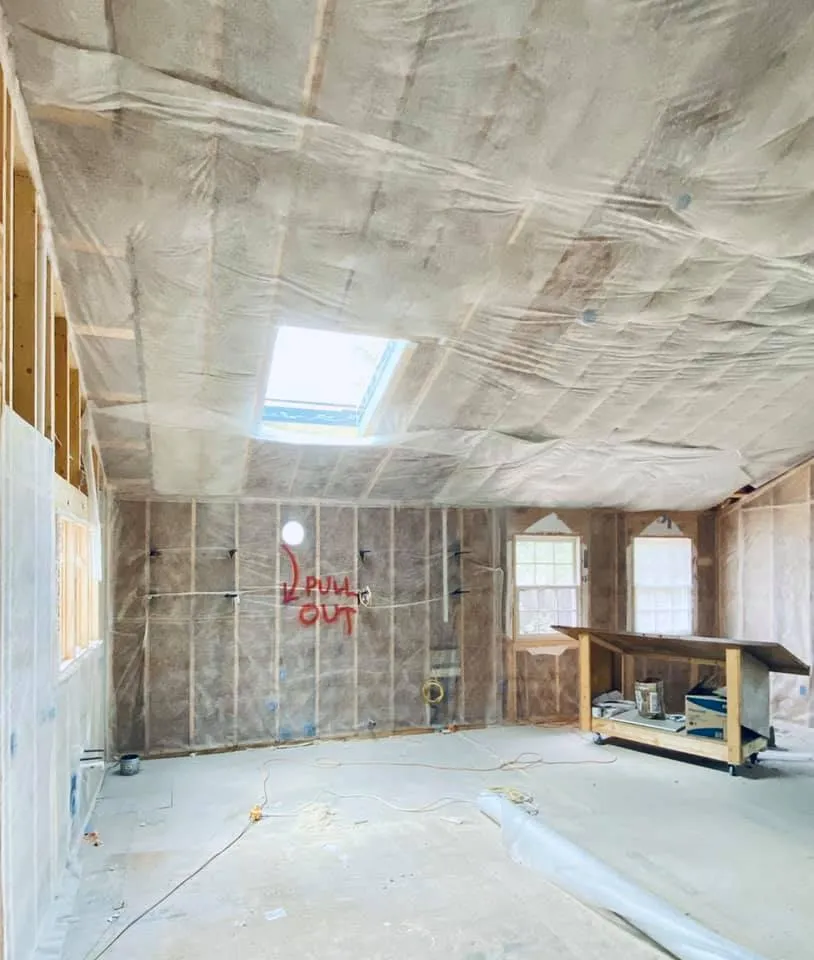
Evaluating Insulation Materials
Different materials achieve these R-values at various thicknesses. Understanding the “R-value per inch” helps in planning, especially in wall cavities where space is limited.
Fiberglass Batts and Blown-in
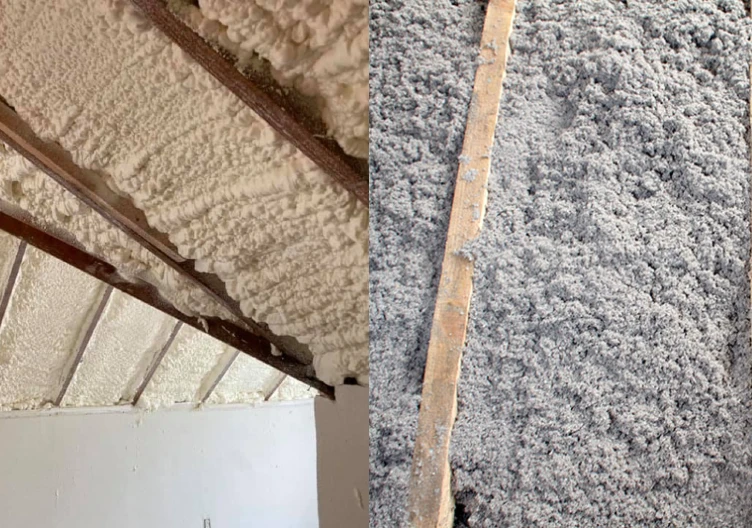
Fiberglass is standard and cost-effective. Loose-fill fiberglass works well in attics because it fills corners and gaps better than batt insulation. It offers an R-value of approximately 2.2 to 2.7 per inch. However, fiberglass allows air to pass through it, meaning it does not stop airflow. In Leander, where humidity is high, air movement can carry moisture into the walls or attic, potentially leading to mold issues if not paired with a separate air barrier.
Cellulose
Made from recycled paper products, cellulose has a higher density than fiberglass and an R-value of roughly 3.2 to 3.8 per inch. It settles over time, which can reduce its effectiveness if not installed at the correct initial density.
Spray Foam Insulation
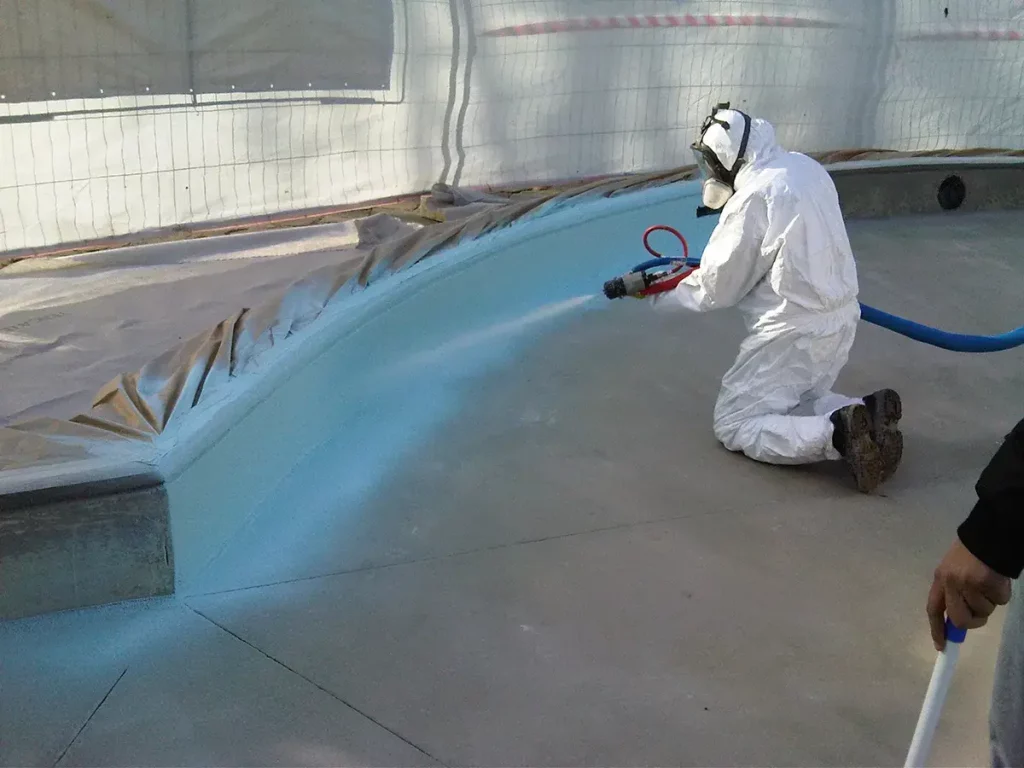
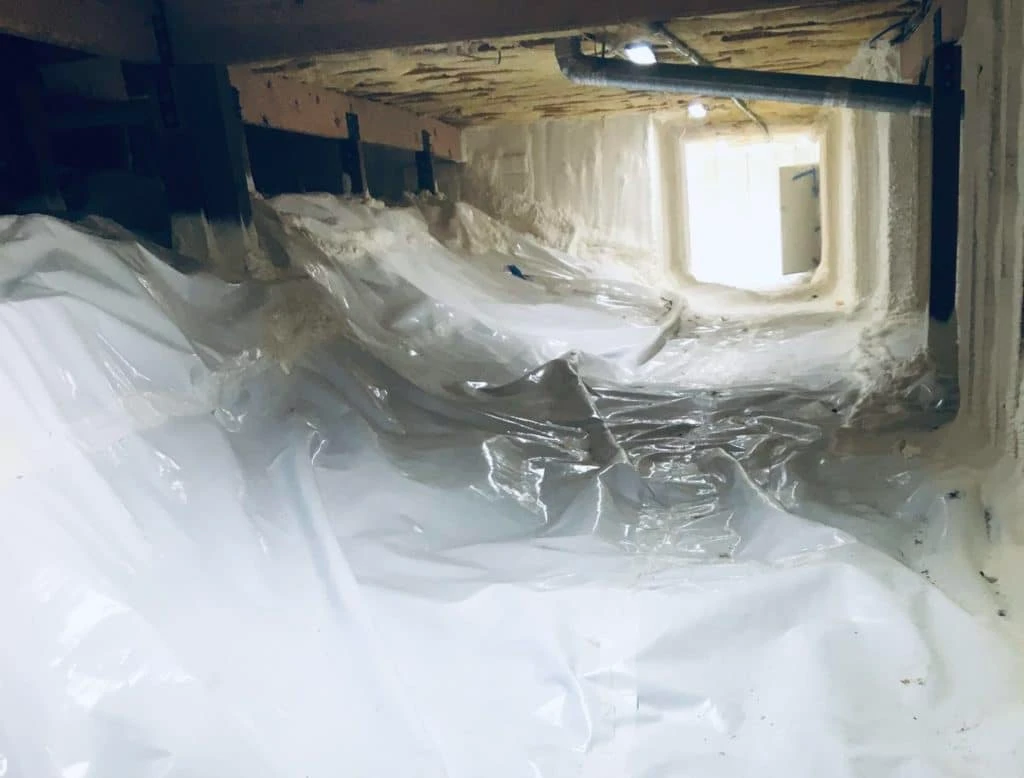
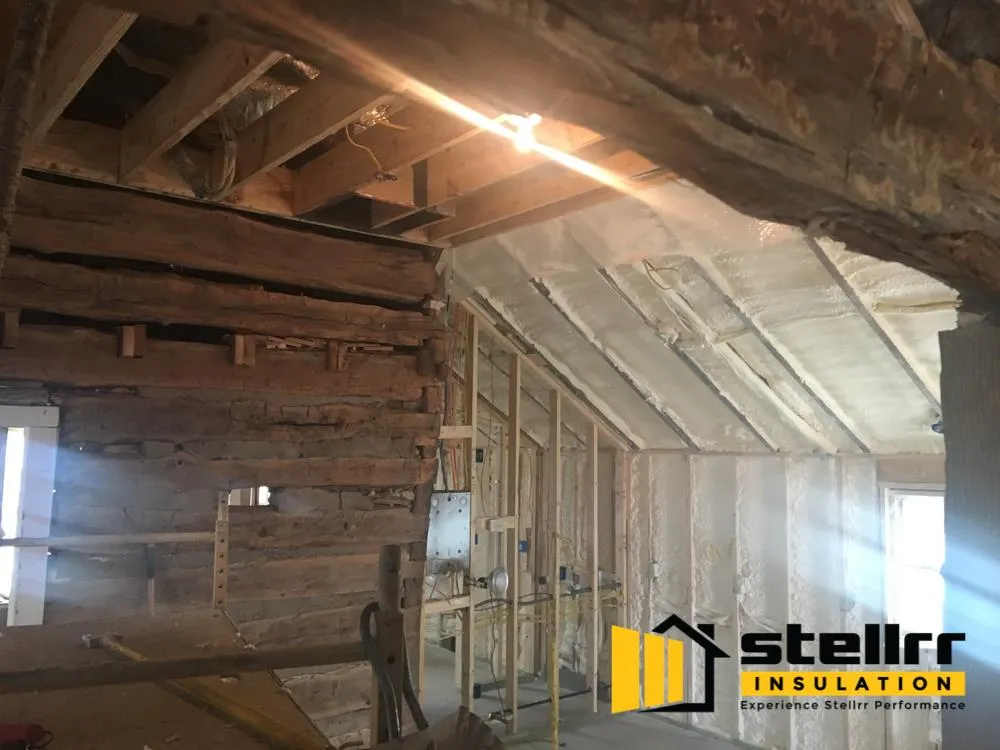
Spray foam insulation in Leander, TX offers the highest performance per inch and serves a dual purpose as both insulation and an air seal. Closed-cell spray foam provides about R-6 to R-7 per inch, while open-cell foam offers around R-3.5 to R-3.8 per inch. A report by the Building Science Corporation highlights that unvented attic assemblies with spray foam can significantly reduce moisture load and duct leakage, particularly beneficial in humid climates like Texas.
Things to Consider Before Making a Decision
Homeowners must evaluate the property’s current condition before selecting a product.
Current Insulation Quality
Existing insulation may not need total removal. If the old material is dry and pest-free, adding a new layer on top (capping) can boost the total R-value. However, if the existing material is compressed, wet, or damaged by rodents, complete removal is necessary to sanitize the space and ensure the new installation performs correctly.
Air Leakage Points
Insulation slows heat flow, but it does not stop air leaks. Recessed light fixtures, plumbing vents, and top plates in walls are familiar sources of energy loss. Sealing these gaps before adding insulation is mandatory for optimal results. Putting new insulation over a leaky attic floor is like wearing a wool sweater on a windy day; the wind cuts right through it.
Ductwork Location
In many Leander homes, ductwork runs through the unconditioned attic. If the ducts leak, you lose paid-for air directly to the outside. According to Energy Star, about 20% to 30% of the air that moves through the duct system is lost due to leaks, holes, and poorly connected ducts. Insulating the roof deck (creating an unvented attic) brings these ducts into the conditioned space, protecting them from extreme attic temperatures.
Bonus Tip: Install rigid foam board on the attic hatch or pull-down stairs. This access point is often the weakest link in the thermal barrier, effectively a large hole in your insulation layer.
Final Assessment of Your Insulation Needs
Achieving the right R-value is about more than just buying bags of material. It involves a strategic assessment of the Leander climate, the specific construction of the house, and the goals for energy reduction. A holistic approach that combines high-R-value materials with rigorous air sealing delivers the most consistent temperature control and the most significant financial savings. Evaluate the attic depth, check wall temperatures, and inspect the crawlspace to identify weak points. Addressing these areas with the correct thermal resistance will transform the comfort level of any property.
Secure Your Home Comfort
Take the next step in protecting your home from the Texas heat. Accurate assessment and professional residential spray foam installation ensure your property meets the highest standards of energy efficiency. Contact Stellrr Insulation & Spray Foam to discuss your project specifics. Reach the team at (512) 710-2839 or send details to info@stellrr.com.
Frequently Asked Questions
What is the minimum R-value required for an attic in Leander?
The 2015 International Energy Conservation Code (IECC), widely adopted in Texas, requires a minimum of R-38 for ceiling insulation in Climate Zone 2. However, many builders and experts recommend R-49 or higher to effectively combat local heat loads.
Can I mix different types of insulation?
Yes, you can layer different types. For example, you can blow loose-fill fiberglass over existing fiberglass batts. However, you should generally avoid installing a vapor barrier over existing insulation, as it can trap moisture inside the structure.
How do I calculate the R-value I currently have?
Measure the thickness of your existing insulation in inches. Multiply this number by the average R-value per inch of the material type (Fiberglass: ~2.5, Cellulose: ~3.5, Rockwool: ~3.0). For instance, 10 inches of blown fiberglass equals roughly R-25.
Does removing old insulation improve energy efficiency?
Removal itself does not improve efficiency, but it allows for air sealing of the attic floor. Sealing the gaps and cracks revealed after removal stops air leakage, which is a significant factor in energy waste. Once sealed, fresh insulation is installed to the target R-value.
How often does insulation need to be replaced?
Most insulation lasts 20 to 80 years. However, if it becomes wet, compressed, disturbed by pests, or heavily settled, it loses its R-value. Periodic inspections every 5 to 10 years ensure it remains effective.
Sources
- Department of Energy – Information on insulation benefits and climate zone recommendations.
- Building Science Corporation – Technical digest on attic ventilation and moisture control in hot-humid climates.
- Energy Star – Data regarding efficiency losses due to duct leakage and the importance of sealing.