
Spray foam insulation creates an air barrier that prevents both air leaks and moisture intrusion through its cellular structure and expansion properties. The material seals gaps, cracks, and penetrations where air typically escapes or enters, while its closed-cell variety also blocks moisture vapor transmission. This dual protection makes spray foam particularly effective for preventing condensation, mold growth, and structural damage caused by moisture infiltration.
This guide explains exactly how spray foam accomplishes these protective functions, compares different types available, and helps identify where it makes the most sense in your building envelope. The information comes from hands-on experience with hundreds of insulation projects across different climate zones and building types.
How Spray Foam Works for Air and Moisture Control
Spray foam insulation works through a chemical reaction that creates expanding plastic foam. When applied, the foam expands 30-100 times its original volume, filling every gap and creating a continuous seal Spray Polyurethane Foam Alliance. The resulting material consists of tiny closed or open cells that trap air or gas, providing both thermal insulation and air sealing in one application.
For moisture control, closed-cell spray foam acts as a vapor barrier due to its plastic cell structure. The closed cells prevent moisture vapor from passing through, which helps control condensation within wall assemblies. This differs from traditional insulation materials that require separate vapor barriers and air sealing steps.
The effectiveness of spray foam for air sealing comes from its ability to conform to irregular surfaces and penetrate small cracks that other materials miss. This comprehensive sealing reduces air leakage rates by an average of 40-50% compared to traditional insulation methods, according to research from the Building Science Corporation.
Types of Spray Foam Insulation
Two main types of spray foam serve different purposes in building construction. Closed-cell spray foam has a denser structure with completely sealed cells, making it impermeable to both air and moisture vapor. It typically has an R-value of 6.5-7 per inch and can add structural strength to assemblies.
Open-cell spray foam has partially open cells that allow some moisture vapor transmission while still blocking air movement. It has an R-value of about 3.5-3.8 per inch and remains flexible after curing. The choice between types depends on climate, building design, and specific moisture control needs.
Bonus Tip: In mixed climates like the American Midwest, using closed-cell foam in basements and crawl spaces while using open-cell in interior walls often provides the best balance of moisture control and cost-effectiveness.
Spray Foam vs Traditional Insulation Methods
| Material | Air Sealing Required | Vapor Barrier | R-Value Per Inch |
|---|---|---|---|
| Closed-Cell Spray Foam | No | Yes | 6.5-7.0 |
| Open-Cell Spray Foam | No | Partial | 3.5-3.8 |
| Fiberglass Batts | Yes | Yes (separate) | 2.9-3.8 |
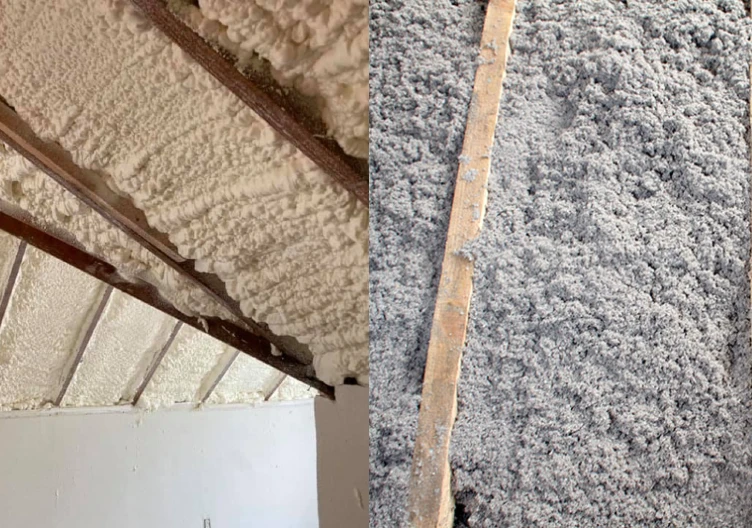
| Cellulose | Partial | Yes (separate) | 3.1-3.8 |
The table shows how spray foam combines multiple functions into one application. Traditional materials require separate air sealing and vapor barrier steps, increasing installation time and potential for errors. Spray foam’s integrated approach reduces labor costs and eliminates common failure points in building envelopes.
Common Problem Areas Where Spray Foam Excels
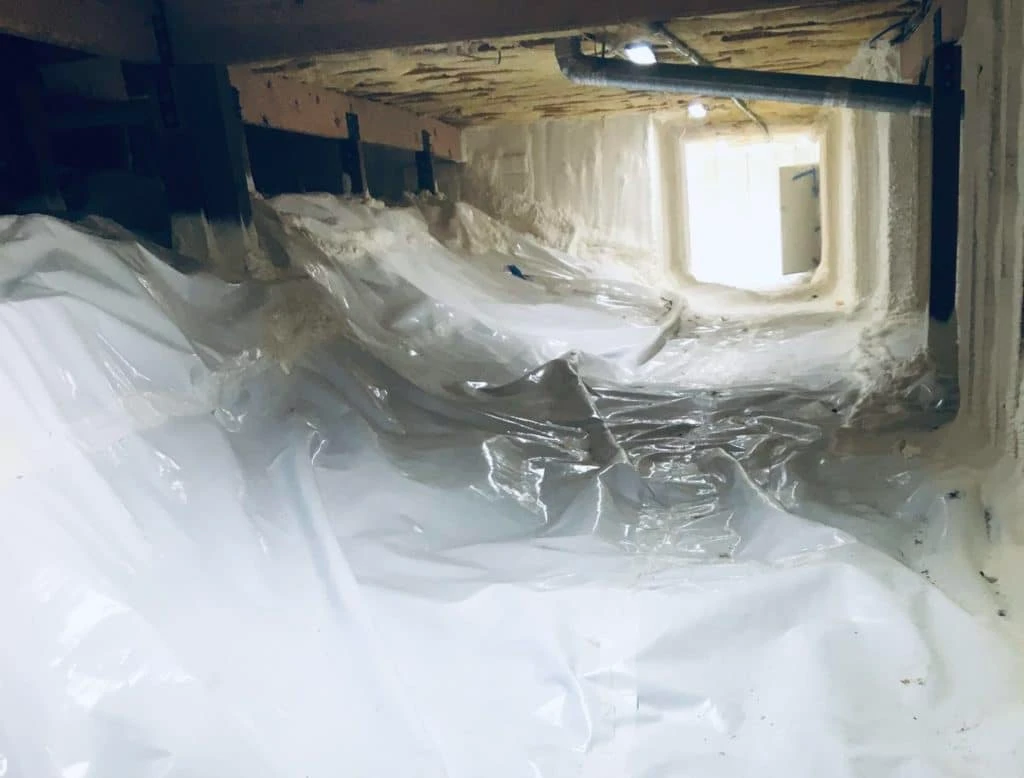
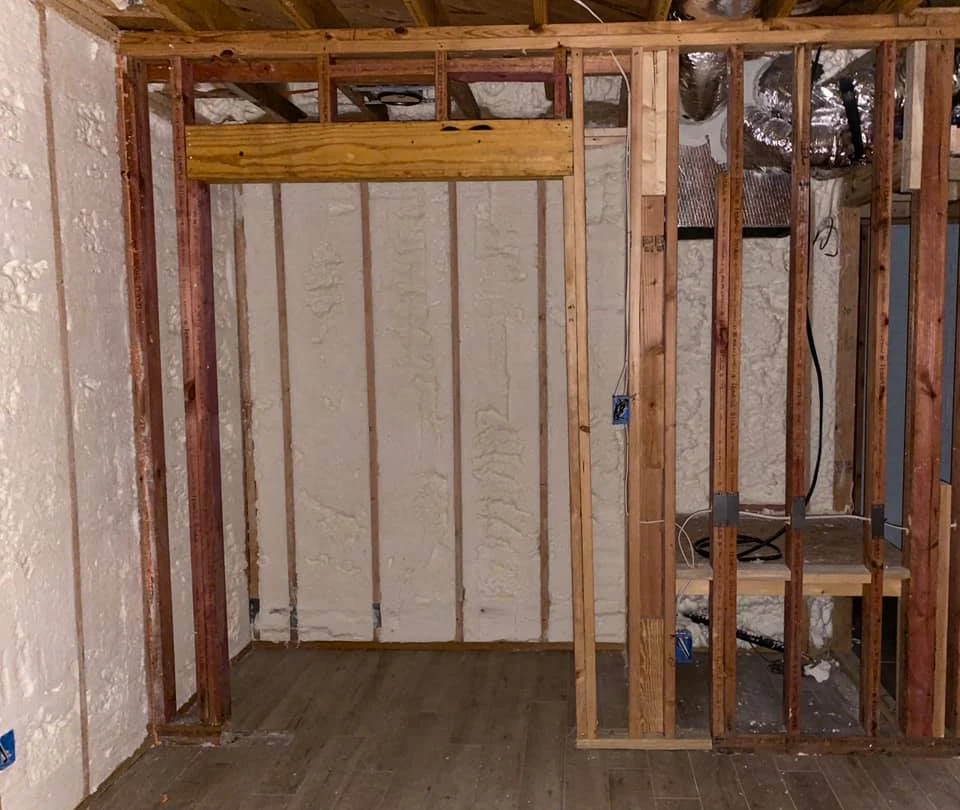
Certain locations in buildings consistently cause air leakage and moisture problems. Rim joists at the foundation top typically have numerous gaps between joist ends and foundation walls. Spray foam completely seals these irregular spaces, preventing both air infiltration and moisture from the ground.
Window and door penetrations create another problematic area. Traditional sealing methods often fail around the rough openings, allowing air movement that can cause condensation and rot. Spray foam applied properly around these openings eliminates these pathways while providing continuous insulation.
Bonus Tip: Pay special attention to pipe and wire penetrations through top plates. These small openings account for a surprising amount of air leakage. Stellrr Insulation & Spray Foam frequently finds that sealing just these penetration points can reduce air exchange rates by 15-20% alone.
Cantilevered floors, bay windows, and soffits present unique challenges due to their complex geometry. Spray foam’s ability to expand into cavities and around framing makes it ideal for these areas where traditional insulation materials often leave gaps and cold spots.
Installation Requirements and Best Practices
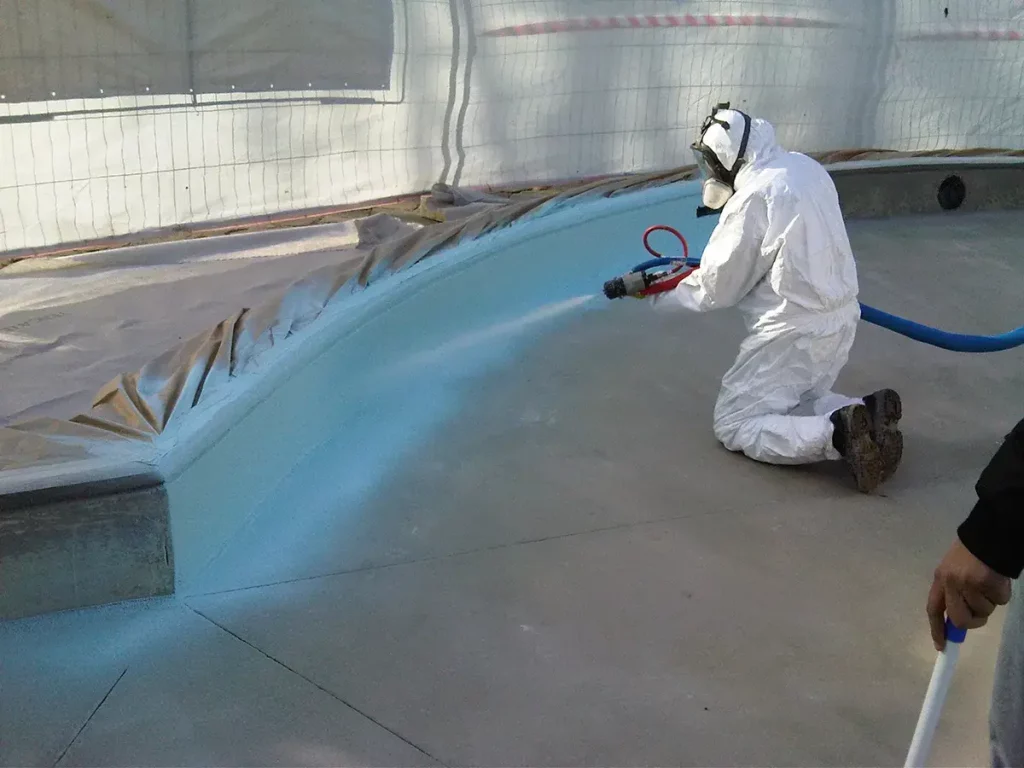
Proper spray foam application requires specific training and equipment. Professional installers must wear protective equipment, including respirators, as the chemicals can cause respiratory irritation before curing. The installation area typically needs to be ventilated for 24-72 hours after application, depending on the product used.
Temperature conditions affect spray foam application significantly. Most products require substrate and ambient temperatures between 60-80°F for optimal expansion and adhesion. U.S. Environmental Protection Agency. Installing in cold conditions can reduce expansion and leave gaps, while hot weather may cause excessive expansion and waste.
Bonus Tip: For retrofit applications, consider combining spray foam with other insulation materials. Using closed-cell foam to seal rim joists and penetrations while filling larger cavity spaces with cellulose often provides the best value while maintaining superior air sealing.
Moisture control during installation is critical. Applying spray foam to wet surfaces will prevent proper adhesion and can trap moisture against building materials, potentially causing rot or mold. All surfaces must be dry and clean before application.
Things to Consider Before Making a Decision
Building location and climate significantly influence spray foam requirements. Cold climates benefit most from closed-cell foam’s vapor barrier properties, while hot-humid climates often prefer open-cell or hybrid systems that allow some drying potential. Local building codes may dictate specific requirements for vapor barriers and air sealing.
Budget constraints often affect the choice between foam types and application scope. While spray foam typically costs more upfront than traditional insulation, the combined air sealing and insulating properties often reduce overall project costs by eliminating separate vapor barriers and reducing HVAC system size requirements.
The existing building structure matters too. Spray foam adds significant structural strength to assemblies, which can be beneficial in some retrofits but problematic in older structures designed without consideration for this added rigidity. A structural engineer should evaluate applications in historic buildings or structures with known deficiencies.
Long-term maintenance considerations differ from traditional insulation. Spray foam typically lasts the life of the building without degradation, unlike some traditional materials that may settle or become damaged by moisture. This longevity should factor into life-cycle cost calculations.
Key Takeaways for Your Project
Spray foam insulation provides superior protection against both air leaks and moisture intrusion when properly selected and installed. The material’s ability to expand and seal irregular spaces makes it particularly effective for hard-to-insulate areas where traditional materials fail.
Evaluate your specific climate zone, building structure, and budget constraints when choosing between foam types and determining application scope. Consider combining spray foam for critical air sealing areas with other insulation materials for the most cost-effective solution.
For detailed guidance on your specific project needs, contact Stellrr Insulation & Spray Foam at info@stellrr.com or call (512) 710-2839 to discuss how spray foam insulation can address your air leakage and moisture concerns while meeting your performance and budget requirements.
Frequently Asked Questions
Is spray foam worth the higher initial cost?
The payback period typically ranges from 3-7 years through energy savings alone, not counting the value of improved comfort and moisture protection. When factoring in reduced HVAC equipment sizing and elimination of separate air sealing steps, the total cost difference becomes smaller.
Can homeowners install spray foam themselves?
DIY spray foam kits are available but limited to small projects. Professional equipment and training are necessary for whole-house applications to ensure proper coverage, density, and safety. The chemicals require careful handling and proper protective equipment.
Does spray foam require a separate vapor barrier?
Closed-cell spray foam acts as its own vapor barrier and does not require additional vapor retarders. Open-cell foam still needs a vapor barrier in cold climates, typically applied as a coating over the foam surface.
Can spray foam be used in all climate zones?
Spray foam works effectively in all climates but the appropriate type varies by region. Cold climates benefit from closed-cell foam’s vapor barrier properties, while hot-humid climates often require specialized systems that allow wall assemblies to dry.
How thick should spray foam insulation be?
The required thickness depends on the type of foam and local energy codes. Most applications require 2-3 inches of closed-cell foam or 4-5 inches of open-cell foam to meet minimum R-value requirements. Additional thickness may be needed for optimal performance.
Sources
- Building Science Corporation – Research organization providing building science research and guidance on building envelope performance
- U.S. Environmental Protection Agency – Information about spray foam insulation types, safety considerations, and performance characteristics
- Spray Polyurethane Foam Alliance – Industry association providing technical data, safety guidelines, and performance standards for spray foam insulation