
The recommended R-values for residential homes vary significantly by climate zone, ranging from R-13 to R-60 depending on location and specific building components. Homes in colder northern regions require substantially higher residential insulation values than those in warmer southern climates to maintain energy efficiency and comfort. The U.S. Department of Energy has established eight distinct climate zones with specific insulation recommendations for walls, attics, floors, and crawl spaces to optimize thermal performance and reduce energy costs across different environmental conditions.
Understanding these regional requirements is essential for homeowners, builders, and contractors making insulation decisions. This comprehensive guide breaks down the specific R-value recommendations for each climate zone, explains the science behind thermal resistance, and provides practical insights for implementation. With proper insulation matching your local climate requirements, homes can achieve up to 15% reduction in heating and cooling costs according to Energy Star.
Climate Zone Classifications and R-Value Basics
Climate zones in the United States are divided into eight regions based on average annual temperature ranges. Zone 1 covers the hottest areas, like southern Florida, while Zone 8 encompasses the coldest region, such as northern Alaska. The middle zones (2-7) represent the majority of residential construction areas, with Zone 4 covering much of the central United States and Zone 5 covering the northern portions of the Midwest and Northeast.
R-value measures thermal resistance, the ability of insulation material to resist heat flow. Higher R-values indicate better insulating performance. The Department of Energy’s recommendations account for both heating and cooling needs, with colder zones requiring higher R-values to prevent heat loss during winter and warmer zones needing sufficient insulation to reduce heat gain during summer months.
Specific R-Value Recommendations by Zone
The following table outlines the recommended R-values for different building components across climate zones:
| Climate Zone | Attic | Wall Cavity | Floor | Crawlspace |
|---|---|---|---|---|
| Zone 1 (Hot-Humid) | R-30 | R-13 | R-13 | R-13 |
| Zone 2 (Hot-Humid) | R-30 | R-13 | R-13 | R-13 |
| Zone 3 (Hot-Dry/Mixed) | R-30 | R-13 | R-19 | R-19 |
| Zone 4 (Mixed) | R-38 | R-13 | R-19 | R-19 |
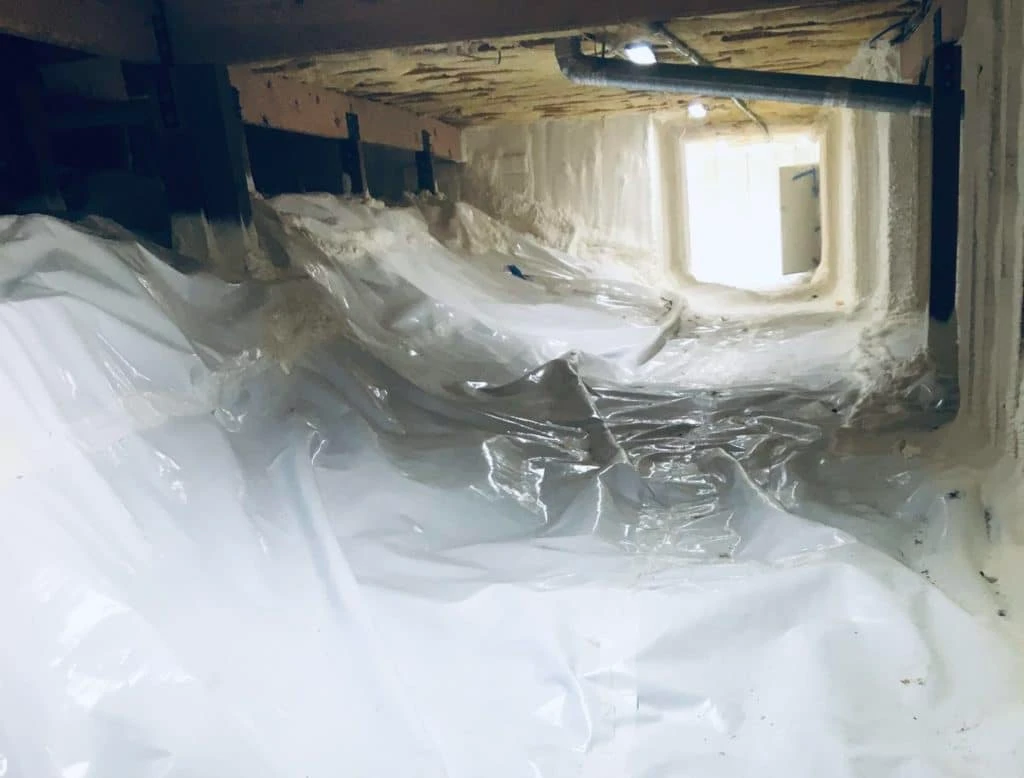
| Zone 5 (Cold) | R-49 | R-13-R-15 | R-25 | R-25 |
| Zone 6 (Cold) | R-49 | R-15-R-21 | R-25 | R-30 |
| Zone 7 (Very Cold) | R-49 | R-21 | R-30 | R-30 |
| Zone 8 (Subarctic) | R-60 | R-21 | R-30 | R-30 |
These recommendations come from the International Code Council building codes, which serve as the foundation for most local building requirements. The values represent minimum recommendations for optimal energy efficiency rather than code minimums.
Material Selection for Different Applications
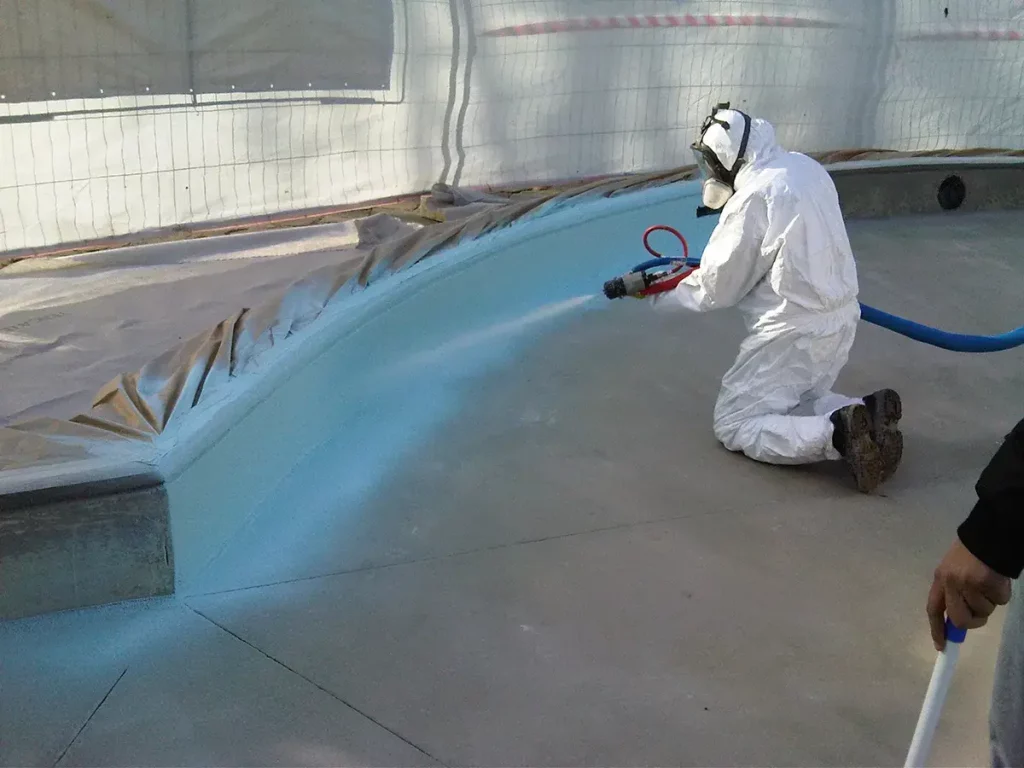
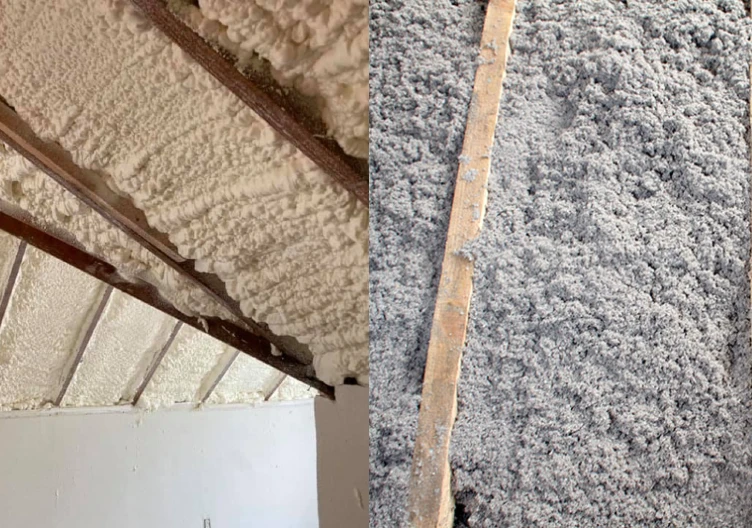
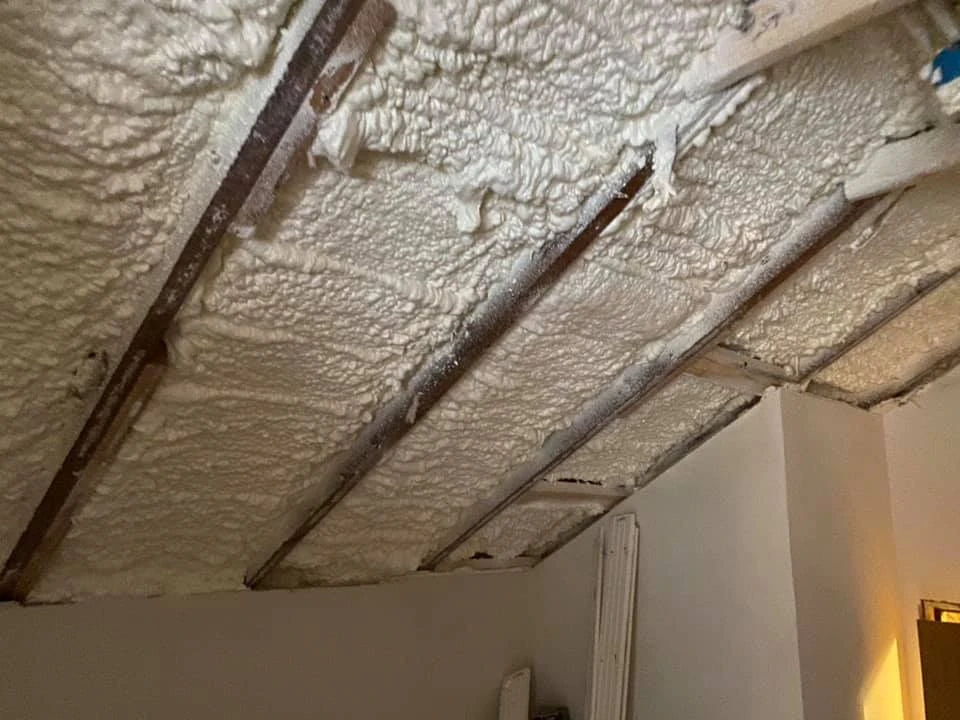
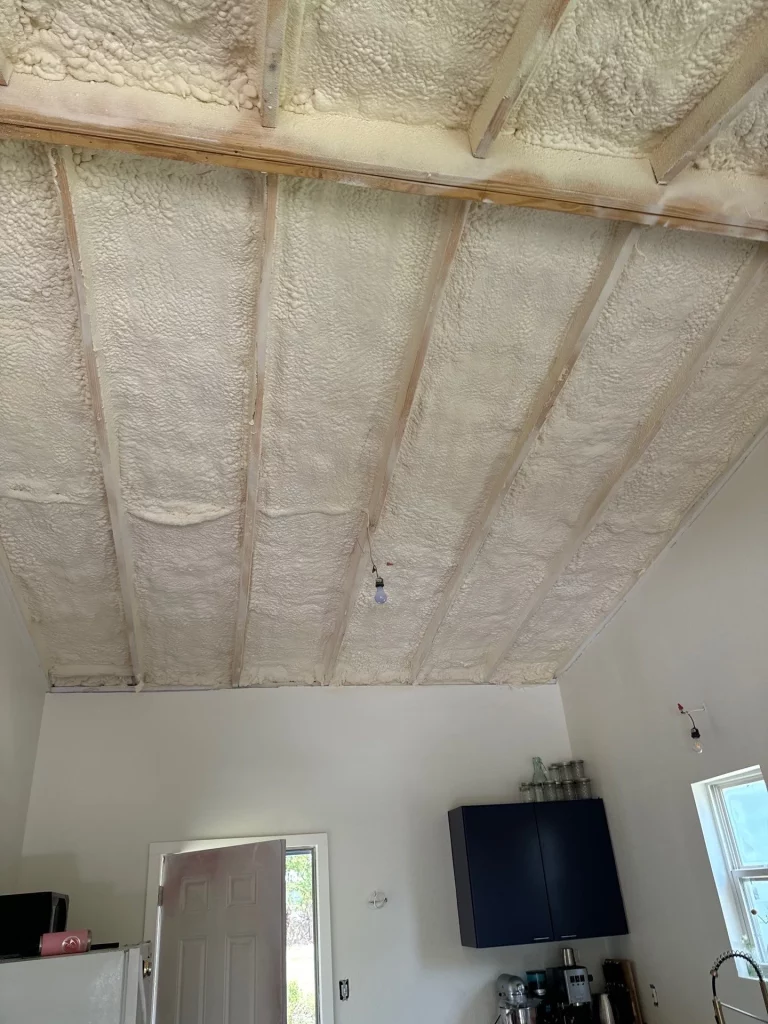
Different insulation materials offer varying R-values per inch of thickness. Fiberglass batts typically provide R-3.1 to R-3.4 per inch, while spray foam insulation offers R-6 to R-7 per inch. Cellulose insulation delivers approximately R-3.2 to R-3.8 per inch. This variation means achieving the same overall R-value requires different thicknesses depending on material choice.
For confined spaces like wall cavities with standard 2×4 construction (3.5 inches deep), high-R-value materials like spray foam or dense-packed cellulose may be necessary to achieve target R-values in colder climates. Attic spaces typically offer more room for thicker insulation layers, making them ideal for achieving higher overall R-values.
Bonus Tip: When adding insulation to existing walls, consider injection foam or blown-in cellulose rather than retrofitting with fiberglass batts, which often leave gaps and reduce overall effectiveness.
Things to Consider Before Making a Decision
Local building codes may have different requirements from the Department of Energy recommendations. Always verify minimum standards with your local building department before beginning insulation projects. Some jurisdictions require specific R-values for new construction, but have different standards for existing homes.
The structure and condition of your existing building assembly also impact material choice. Older homes may have moisture issues or inadequate ventilation systems that affect insulation performance. In such cases, addressing moisture problems and improving ventilation should precede insulation upgrades to prevent potential mold growth or material degradation.
Climate change projections are another factor worth considering. As weather patterns shift, some regions may experience more extreme temperatures than historical averages, potentially making slightly higher R-values a prudent investment for long-term comfort and efficiency.
Cost Considerations and Return on Investment
Insulation costs vary widely by material and insulation installation method. According to the North American Insulation Manufacturers Association, the average cost ranges in dollars per square foot for professional installation, with spray foam being significantly more expensive than fiberglass or cellulose options.
Despite higher upfront costs for premium materials, the return on investment typically ranges from 3-5 years through energy savings alone. Homes with upgraded insulation also demonstrate higher resale values, with energy-efficient features becoming increasingly attractive to buyers concerned with utility costs and environmental impact.
Bonus Tip: Many utility companies offer rebates for insulation upgrades that meet or exceed recommended R-values. These incentives can offset 10-30% of project costs, significantly improving return on investment timelines.
Making Informed Insulation Decisions
Choosing the right R-values for your home requires understanding both your local climate requirements and the specific characteristics of your building structure. The Department of Energy’s climate zone recommendations provide excellent starting points, but individual homes may need adjustments based on construction methods, local weather patterns, and household energy priorities.
Before beginning any insulation project, conduct a thorough energy audit to identify the most cost-effective upgrades. Many utility companies offer free or discounted energy audits that provide customized recommendations based on your home’s unique characteristics and your local climate conditions.
Professional Guidance for Your Insulation Project
Making the right insulation choices requires expertise in both materials and local building requirements. Stellrr Insulation & Spray Foam provides comprehensive insulation consultations to help homeowners determine optimal R-values for their specific climate zone and building conditions. For personalized guidance on meeting Department of Energy recommendations in your area, contact us at info@stellrr.com or call (512) 710-2839 to schedule a professional assessment.
Frequently Asked Questions
How do different insulation materials compare in terms of fire safety?
Most modern insulation materials are treated with fire retardants, but their performance varies during actual fires. Fiberglass and mineral wool are naturally fire-resistant and don’t produce toxic smoke when exposed to flames. Cellulose, while treated with fire retardants, can burn more readily. Spray foam insulation may produce toxic fumes when burned, making proper fire barriers essential.
What impact does insulation have on indoor air quality?
Properly installed insulation improves indoor air quality by reducing air infiltration from outside, which brings in pollutants and allergens. However, poor installation can trap moisture and lead to mold growth, negatively affecting air quality. Additionally, some insulation materials may off-gas volatile organic compounds (VOCs) during and shortly after installation.
How often should attic insulation be replaced?
Most insulation materials last 20-30 years or more when properly installed and protected from moisture. However, insulation should be inspected every few years for signs of compression, water damage, or pest infestation. Compressed or contaminated insulation loses effectiveness and should be replaced.
Is additional insulation worth it in older homes?
Older homes typically benefit significantly from insulation upgrades. Many homes built before 1980 have little to no insulation in walls and insufficient attic insulation by modern standards. Adding insulation to these homes can reduce energy costs by 20% or more while dramatically improving comfort levels.
Bonus Tip: When insulating older homes, consider addressing air sealing before adding insulation. Even the best insulation performs poorly when air leaks allow heat transfer through convection rather than conduction.
Sources
- Energy Star – U.S. Environmental Protection Agency program providing energy efficiency information and recommendations for homes and buildings
- International Code Council – Organization that develops model building codes used throughout the United States, including insulation requirements
- North American Insulation Manufacturers Association – Trade association representing insulation manufacturers with technical data on insulation materials and performance