Removing damaged insulation stops moisture from destroying the wood framing of a house. When insulation gets wet or becomes a host for pests, it traps water against the structure. This trapped moisture causes rot, mold growth, and attracts termites. Removing the compromised material allows the structure to dry completely and reveals hidden damage that requires immediate repair.
Many homeowners assume insulation lasts forever once installed. The reality is quite different. Materials degrade over time or fail due to unexpected water intrusion. Stelller has observed that homes with old, compacted, or wet insulation often suffer from significant structural weakening that goes unnoticed for years. Addressing the insulation is often the only way to see the true condition of the beams and joists holding the roof up.
How Moisture Compromises Structural Integrity
Insulation works by trapping air to stop heat transfer. It does not stop liquid water. When a roof leaks or a pipe bursts, the insulation absorbs the moisture. Fiberglass and cellulose act like a sponge. Instead of draining away, the water sits against the roof decking and wall studs.
Wood requires a specific moisture content to remain strong. Prolonged exposure to water raises this content, causing the wood to swell and eventually rot. Rot compromises the structure’s load-bearing capacity. A study from the Environmental Protection Agency indicates that mold can begin growing on damp surfaces within 24 to 48 hours. Once mold takes hold in the wood framing, it further weakens the fibers and creates poor indoor air quality.
Signs Insulation Must Be Removed
Not every situation requires a full teardown. However, certain signs indicate the material is doing more harm than good.
- Visible Mold: If insulation shows black, white, or green streaks, it must go.
- Animal Waste: Rodent droppings and urine carry diseases and ruin air quality.
- Compression: Insulation that has lost its thickness cannot insulate effectively and often harbors moisture.
- Water Stains: Dark rings on the insulation suggest past or present leaks.
Bonus Tip
Always check the eaves and overhangs. This area is prone to wind-driven rain and often hides the first signs of water damage that travel inward.
The Impact of Pest Infestations
Pests view loose-fill insulation as an ideal nesting ground. Rats, squirrels, and raccoons tunnel through cellulose and fiberglass to create dens. Their activity pushes the material away from the structure, creating thermal bridges and cold spots.
More importantly, animals chew on wood beams and electrical wires. The combination of nesting materials and animal waste creates a damp, acidic environment that accelerates wood decay. The Centers for Disease Control and Prevention warns that rodents can spread serious diseases through their waste. Removing the soiled insulation is the only way to eliminate the health hazard and inspect the wiring for chew marks that could cause fires.
Material Comparison and Risks
Different insulation materials react to water in different ways. Understanding these differences helps determine the urgency of removal.
| Material Type | Water Absorption | Drying Potential | Action After Water Damage |
|---|---|---|---|
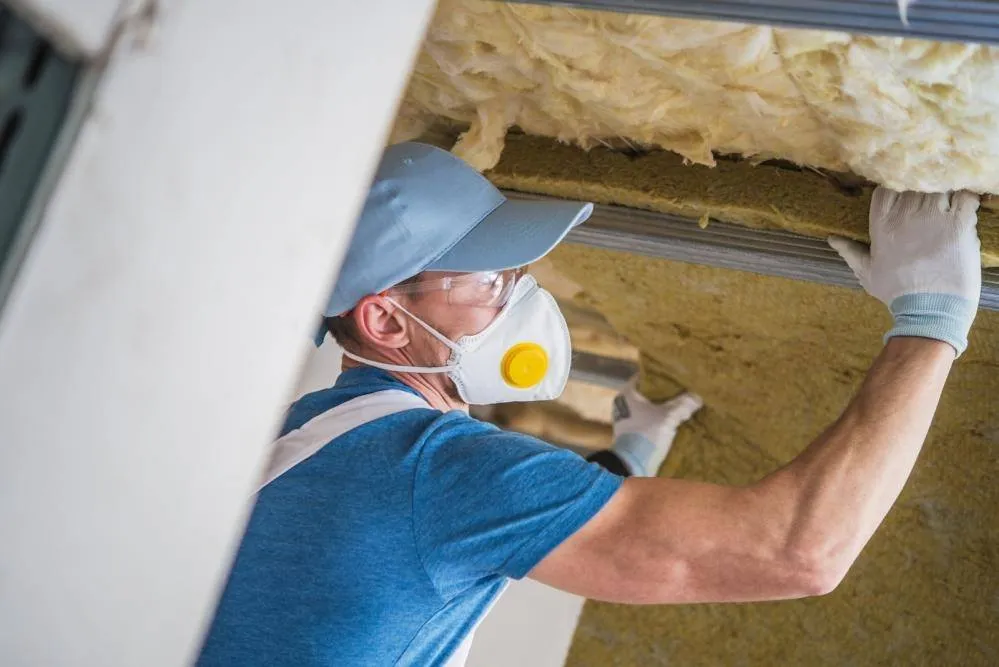
| Fiberglass Batts | Low | High (if air can circulate) | Dry out if clean, replace if contaminated |
| Cellulose (Blown-in) | High | Very Low | Always remove and replace |
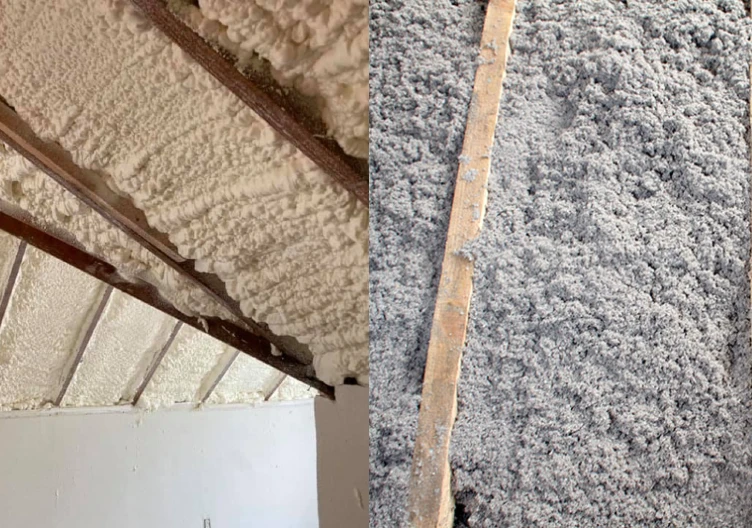
| Spray Foam (Open Cell) | High | Very Low | Remove the affected section |
| Spray Foam (Closed Cell) | Negligible | None | Usually salvageable unless water accumulates behind it |
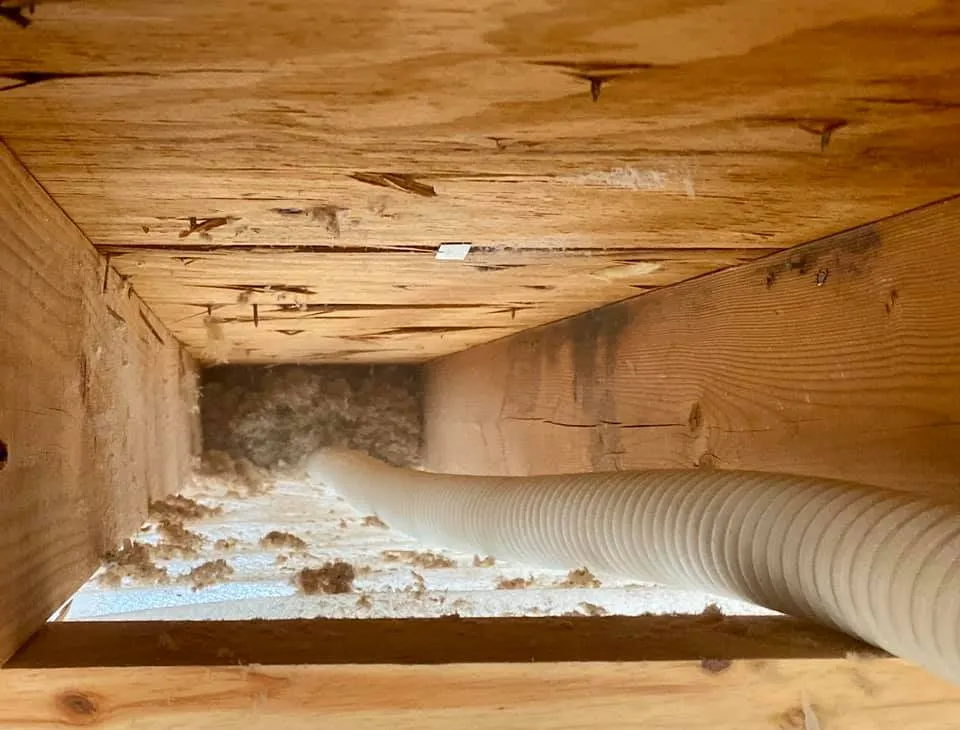
Cellulose poses the highest risk for long-term structural damage. Made from recycled paper, it absorbs water deep into its fibers. It does not dry out easily because it compacts tightly. Even after the source of the leak is fixed, cellulose often holds moisture against the wood for months.
Things to Consider Before Making a Decision
Deciding to remove insulation involves weighing costs against the risks. Several factors influence the best course of action.
- Age of Material: Insulation older than 15 years may have settled or degraded, making removal a good opportunity for an upgrade.
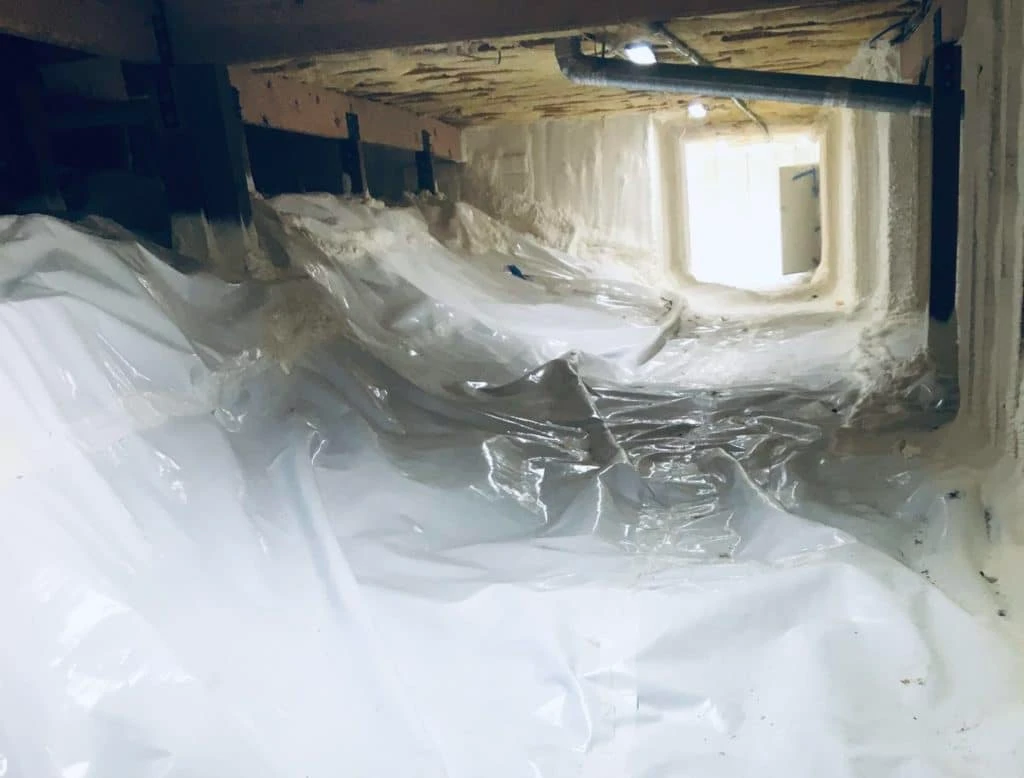
- Access Requirements: Crawl spaces and tight attics make removal difficult and may require specialized vacuum equipment.
- Disposal Regulations: Wet or contaminated insulation cannot be thrown in regular trash in many municipalities. It requires specific disposal methods.
- Air Sealing Opportunities: Removing old insulation provides a perfect chance to seal air leaks in the floor or ceiling before adding new material.
Bonus Tip
Always turn off the HVAC system before starting removal work. Disturbing old insulation sends dust and particulates into the air, which will circulate through the house if the system is running.
Regional Climate Factors
Climate plays a significant role in insulation health. In hot, humid areas like Texas, attics can reach extreme temperatures. This heat creates a stack effect, pulling hot air up from the living space.
If the attic is poorly ventilated, this hot air meets the cooler air in the evening, causing condensation. The moisture drips down into the insulation, creating a cycle of wetness and slow drying. High humidity levels also make it harder for materials to dry out naturally. Data from Energy Star shows that sealing and insulating the attic and crawl spaces can save homeowners up to 15% on heating and cooling costs, but this savings evaporates if the insulation is wet or damaged.
Bonus Tip
Take photos of the insulation before removal. These images are useful for insurance claims if the damage resulted from a sudden leak or storm event.
Final Thoughts
Leaving damaged insulation in place creates a ticking time bomb for a home’s structure. Moisture, pests, and mold work together to weaken wood and lower air quality. Removing the material exposes the problems, allows the structure to dry, and provides a clean slate for future efficiency. Homeowners should evaluate their specific situation, check for the warning signs of moisture, and prioritize the health of their home’s framing over the temporary cost of replacement.
Stellrr Insulation & Spray Foam can help assess the condition of attic and crawl space insulation. To schedule an inspection or discuss removal options, contact info@stellrr.com or call (512) 710-2839.
Frequently Asked Questions
Is it safe to handle old insulation?
Some older insulation may contain asbestos, particularly vermiculite insulation installed before the 1990s. Disturbing these materials releases dangerous fibers. Testing is required before removal to ensure safety.
Will removing insulation immediately lower energy bills?
No. Bills might actually rise temporarily until new insulation is installed. However, removing wet and damaged material is a necessary step to restoring efficiency and preventing higher costs caused by structural repairs.
What happens if mold is found on the joists?
The insulation must be removed to expose the wood. The wood can then be treated with a fungicide or sanded. Encapsulating the wood is possible after proper drying. The insulation must be removed to allow these treatments to work.
How often should attic insulation be inspected?
Homeowners should inspect their attics at least once a year. Look for water stains, pests, or displaced insulation after major storms. Catching these issues early prevents the need for major structural repairs.
Sources
- Environmental Protection Agency – Information on mold growth timelines and moisture control in homes.
- Centers for Disease Control and Prevention – Health risks associated with rodent infestations in insulation.
- Energy Star – Data on energy savings from proper sealing and insulation practices.