
When you receive that monthly energy bill, do you ever wonder where all that money is going? For many homeowners, a significant portion of their energy costs literally flies out the window or walls, attic, and floors. The good news is that proper residential insulation can dramatically reduce these costs while making your home more comfortable year-round. This comprehensive guide breaks down everything you need to know about insulation materials, R-values, and the actual savings you can expect from making smart insulation choices.
After years of working with homeowners to improve their homes’ energy performance, I’ve seen firsthand how the right insulation can transform a drafty house into an efficient, comfortable living space. This guide brings together that practical experience with the latest industry data to help you make informed decisions for your home.
Understanding the Basics of How Insulation Works
Before diving into materials and R-values, it’s essential to understand what insulation actually does. Insulation works by reducing heat transfer between your home’s interior and exterior. In winter, it keeps warm air inside, and in summer, it blocks hot outdoor air from entering. This resistance to heat flow is what makes your heating and cooling systems work less, which directly translates to lower energy bills.
Heat moves through three primary mechanisms: conduction (direct transfer through materials), convection (air movement), and radiation (electromagnetic waves). Quality insulation addresses all three types. Fiberglass insulation traps air in tiny pockets to slow conduction, while radiant barriers reflect thermal radiation. Modern insulation systems often combine these approaches for maximum effectiveness.
The effectiveness of insulation depends on several factors beyond just the material itself. Installation quality matters tremendously poorly installed insulation can leave gaps that allow significant air leakage, reducing overall performance by up to 25%, according to research from the Lawrence Berkeley National Laboratory. Moisture control is equally important, as wet insulation loses much of its insulating properties and can lead to mold growth.
R-Values Explained: The Universal Language of Insulation
If you’ve shopped for insulation before, you’ve encountered R-values. Simply put, R-value measures an insulation material’s resistance to heat flow—the higher the R-value, the better it insulates. However, this seemingly simple number comes with important context that many homeowners miss.
R-values are calculated by dividing the thickness of the material by its thermal conductivity. This means thicker insulation generally has higher R-values, but material quality matters just as much. Some materials achieve higher R-values per inch than others, which matters when you have limited space but need maximum insulation performance.
R-Value Requirements by Climate Zone
The U.S. Department of Energy recommends different R-values based on climate zones. Here’s what that looks like in practice:
| Climate Zone | Recommended Attic R-Value | Recommended Wall R-Value | Recommended Floor R-Value |
|---|---|---|---|
| 1 (Hot-Humid) | R30 to R49 | R13 to R15 | R13 |
| 2 (Hot-Humid) | R30 to R60 | R13 to R15 | R13 to R19 |
| 3 (Mixed-Humid) | R30 to R60 | R13 to R15 | R19 to R25 |
| 4 (Mixed-Dry) | R38 to R60 | R13 to R15 | R25 to R30 |
| 5 (Cold) | R49 to R60 | R13 to R20 | R25 to R30 |
| 6 (Very Cold) | R49 to R60 | R13 to R20 | R25 to R30 |
| 7 (Very Cold) | R49 to R60 | R13 to R20 | R25 to R30 |
| 8 (Subarctic) | R49 to R60 | R13 to R20 | R25 to R30 |
Key Takeaways
- Climate zone is the most important factor in determining appropriate R-values
- Attics typically require the highest R-values due to heat rising
- Whole-wall R-values differ from cavity insulation R-values due to thermal bridging
- More insulation always helps, but diminishing returns occur beyond certain points
Whole-Wall vs. Cavity R-Values
Here’s something most homeowners don’t realize: the R-value printed on insulation batting represents the insulation material alone, not the entire wall assembly. Wood studs conduct heat much better than insulation, creating “thermal bridges” that reduce overall wall performance. A 2×6 wall with R-19 cavity insulation might only achieve R-13 to R-15 whole-wall performance.
Expert Tip: When comparing insulation options, always ask for whole-assembly R-values rather than just material R-values. Advanced framing techniques with 24-inch stud spacing and insulated headers can significantly improve overall wall R-values without changing insulation materials.
Comprehensive Guide to Insulation Materials
Choosing the right insulation material involves balancing performance, cost, installation considerations, and environmental impact. Here’s a detailed look at the most common options available today.
Fiberglass Insulation
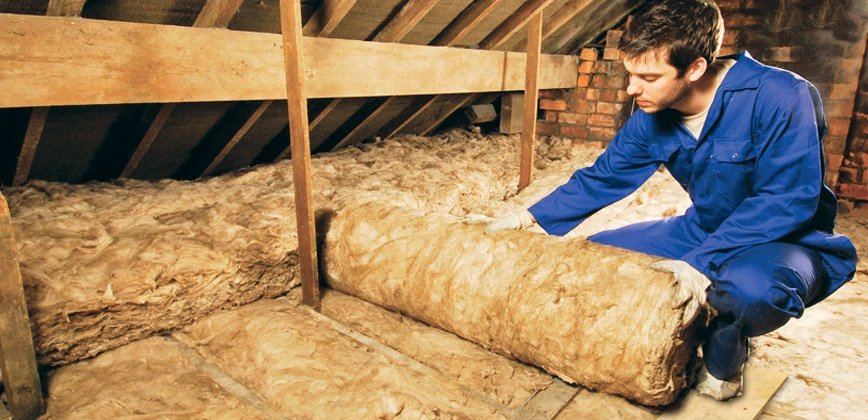
Fiberglass remains the most popular insulation material in North America, accounting for about 70% of the market according to Insulation Institute data. It’s made from fine glass fibers and comes in batts, rolls, or loose-fill forms.
Advantages:
- Cost-effective
- Widely available and familiar to most contractors
- Naturally fire-resistant without chemical treatments
- Good moisture resistance when properly installed with vapor barriers
Disadvantages:
- Lower R-value per inch (R-2.9 to R-3.8)
- Can settle over time, reducing effectiveness
- Installation requires protective equipment due to skin and lung irritation
- Performance drops significantly when compressed
Cellulose Insulation
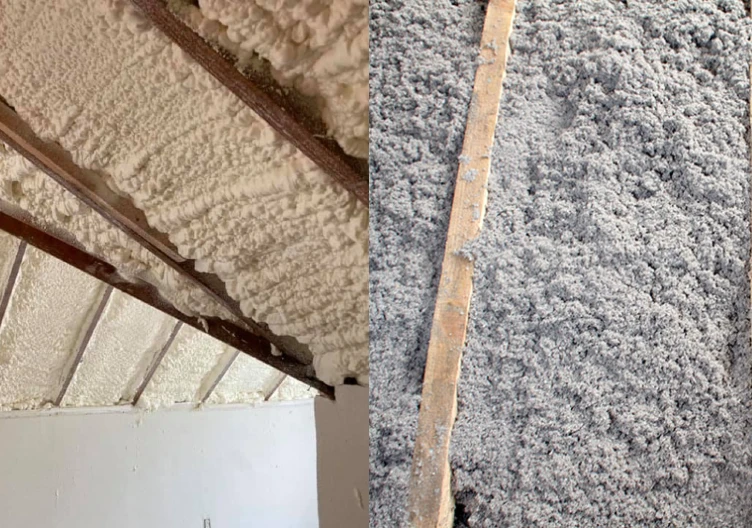
Cellulose insulation consists of recycled paper products treated with fire retardants. It’s typically installed as loose-fill using specialized equipment that blows it into cavities.
Advantages:
- Higher R-value per inch than fiberglass (R-3.2 to R-3.8)
- Made from 75-85% recycled content, making it environmentally friendly
- Fills gaps and voids better than batts, reducing air infiltration
- Lower cost than spray foam options
Disadvantages:
- Can absorb moisture if exposed to water intrusion
- Heavier than fiberglass, requiring careful installation in ceiling areas
- May settle over time, requiring a deeper initial installation
- Not ideal for exposed horizontal surfaces like basement rims
Spray Foam Insulation
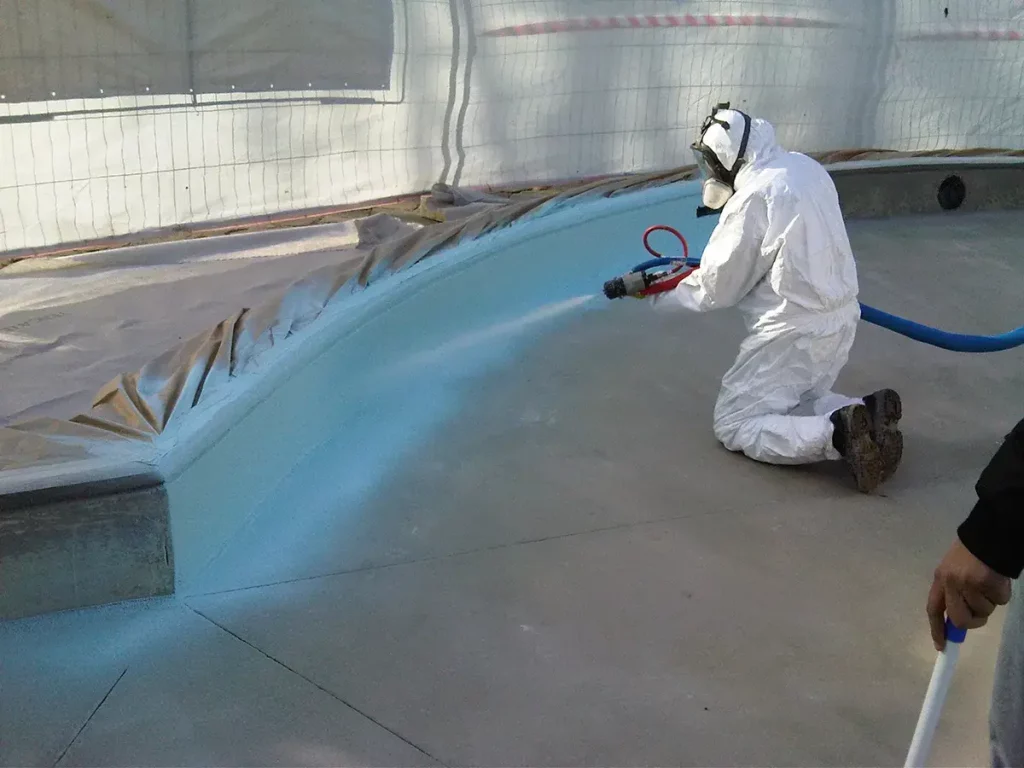
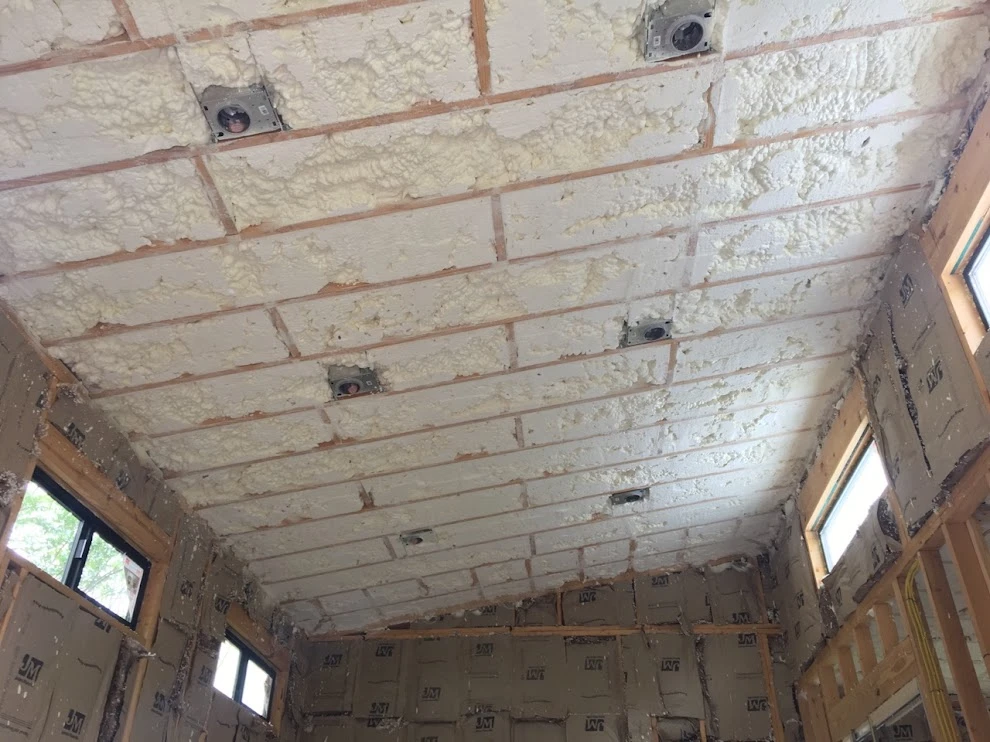
Spray foam insulation comes in two varieties: open-cell and closed-cell. It’s applied as a liquid that expands and hardens in place.
Open-Cell Spray Foam (R-3.5 to R-3.6 per inch):
- Lower cost than closed-cell foam
- Expands significantly, sealing air gaps effectively
- Remains somewhat flexible after curing
- Allows moisture vapor to pass through, which can be good in some applications
Closed-Cell Spray Foam (R-6.0 to R-6.5 per inch):
- Higher R-value per inch than any other common insulation
- Creates an excellent air and vapor barrier
- Adds structural strength to assemblies
- Resists moisture effectively, but is more expensive
Mineral Wool Insulation
Mineral wool (also called rock wool or slag wool) is made from molten rock or industrial slag spun into fibers. It’s available in batts, boards, and loose-fill forms.
Advantages:
- Excellent fire resistance, able to withstand temperatures above 1,800°F
- Superior sound-dampening properties
- Repels water and doesn’t lose insulating properties when wet
- Higher density than fiberglass, providing better air barrier properties
Disadvantages:
- Higher cost than fiberglass
- Heavier weight can make installation challenging
- Less common, so contractors may be less familiar with proper installation techniques
Rigid Foam Board
Rigid foam boards come in three main types: expanded polystyrene (EPS), extruded polystyrene (XPS), and polyisocyanurate (polyiso). They’re often used for exterior insulation, basement walls, and special applications.
| Foam Type | R-Value Per Inch | Best Applications |
|---|---|---|
| EPS | R-3.6 to R-4.0 | Walls under siding, foundations |
| XPS | R-4.5 to R-5.0 | Below-grade roofs, perimeter insulation |
| Polyiso | R-5.6 to R-6.5 | Roof decks, exterior wall sheathing |
Key Takeaways
- No single insulation material is best for every application
- Spray foam offers the highest performance, but at a premium price
- Traditional materials like fiberglass and cellulose remain cost-effective when properly installed
- Combining different materials (hybrid assemblies) often provides the best balance of performance and cost
Strategic Areas for Home Insulation
Knowing where to insulate is just as important as choosing the right materials. Here are the key areas that typically offer the best return on investment.
Attic and Roof Assembly
Heat naturally rises, making the attic one of the most critical areas for insulation. According to Energy Star, proper attic insulation can reduce heating and cooling costs by up to 15%. The approach varies based on your attic configuration:
Unfinished Attics: The most straightforward application, with insulation laid between ceiling joists or blown across the entire floor area. In cold climates, consider adding insulation to the roof deck to create a conditioned attic space that protects HVAC equipment and plumbing.
Finished Attic Rooms: More complex, requiring careful insulation of knee walls, roof decks, and dormers. Air sealing is particularly important in these applications to prevent uncomfortable drafts and moisture problems.
Expert Tip: Always check for and seal air leaks before adding attic insulation. The biggest culprits are around plumbing vents, electrical boxes, recessed lighting, and the attic hatch. Using spray foam or caulk to seal these gaps can dramatically improve performance before adding any insulation.
Wall Insulation
Walls represent your home’s largest surface area and can be significant sources of heat loss. Options include:
New Construction: Wide range of options, including cavity insulation, exterior rigid foam, and advanced systems like structural insulated panels (SIPs).
Existing Homes: More challenging but still important. Options include blown-in insulation (through holes drilled in walls), injection foam, or adding exterior insulation during siding replacement.
Foundation and Basement Insulation
Many homeowners overlook foundation insulation, but basement walls can account for 20-25% of a home’s heat loss. Proper basement insulation also helps with moisture control and makes below-grade spaces more comfortable.
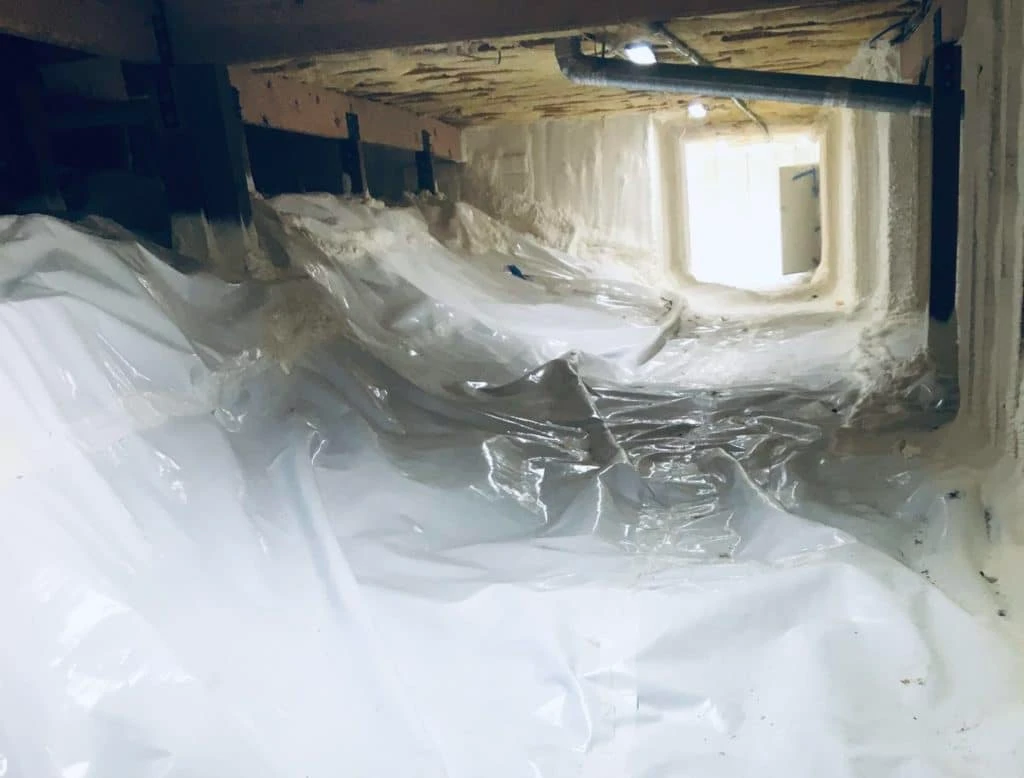
Crawl Spaces: Should be sealed and insulated rather than vented in most climates. Insulate crawl space walls rather than the ceiling to protect plumbing and HVAC equipment.
Basement Walls: Best insulated on the exterior if possible, but interior insulation is more practical for existing homes. Use moisture-resistant materials like rigid foam or closed-cell spray foam for below-grade applications.
Duct Insulation
If your home has ductwork running through unconditioned spaces like attics or crawl spaces, insulating those ducts is essential. Uninsulated ducts can lose up to 30% of the energy used for heating and cooling through heat gain and loss.
Calculating Real Energy Savings and Payback
Understanding the financial impact of insulation upgrades helps you make informed decisions. Here’s how to calculate potential savings and determine if an insulation project makes economic sense for your situation.
Estimating Energy Savings
The U.S. Department of Energy provides guidelines for estimating savings, but your actual results will vary based on climate, home construction, fuel costs, and current insulation levels. As a general rule:
- Adding insulation when you have none can save 10-50% on heating bills
- Upgrading from inadequate to adequate insulation typically saves 5-20%
- The exact percentage depends on the climate and how much insulation you add
For a more precise estimate, you can use home energy modeling software or work with a professional energy auditor. They’ll consider your specific home characteristics and local climate conditions to provide a customized savings projection.
Many utilities and government programs offer rebates that can significantly improve payback periods. The Database of State Incentives for Renewables & Efficiency maintains a comprehensive list of available programs by location.
Expert Tip: Don’t forget the non-energy benefits when calculating value. Improved comfort, reduced noise transmission, better moisture control, and increased home value all contribute to the overall return on investment. Homes with proper insulation typically appraise higher and sell faster than comparable under-insulated properties.
Installation Best Practices and Common Pitfalls
Even the best insulation material won’t perform well if installed incorrectly. Here are the key considerations for getting maximum performance from your insulation investment.
Professional vs. DIY Installation
Some insulation projects are suitable for DIY, while others require professional expertise. Here’s how to decide:
Good DIY Candidates:
- Adding attic insulation over existing insulation
- Insulating accessible walls during renovations
- Small projects like insulating around electrical outlets
Hire a Professional For:
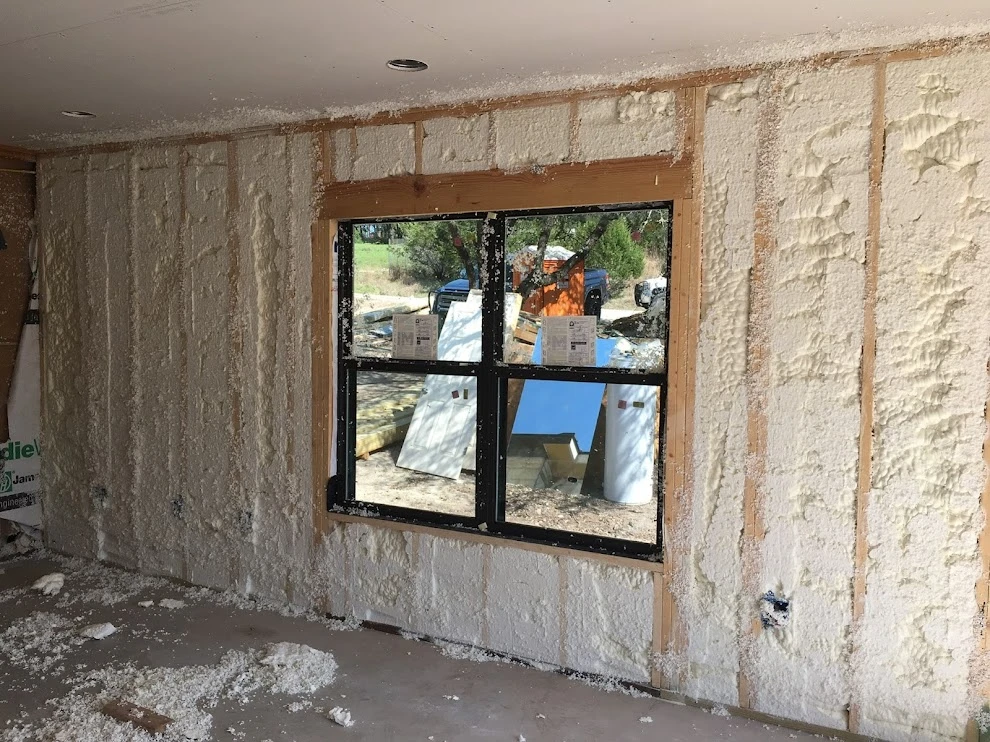
- Spray foam applications (requires specialized equipment and training)
- Dense-packing wall cavities with blown-in insulation
- Complex projects involving air sealing and moisture control
- Projects requiring code compliance documentation
Expert Tip: When hiring a contractor, ask about their experience with your specific insulation type and request photos of similar projects. Look for certifications from organizations like the Building Performance Institute (BPI) or Air Conditioning Contractors of America (ACCA).
Critical Installation Details
These installation details make the difference between mediocre and exceptional insulation performance:
Air Sealing: Always air seal before insulating. The Department of Energy recommends a “build it tight, ventilate it right” approach. Focus on the top, bottom, and sides of the building assembly where air typically leaks most.
Vapor Barriers: Installation depends on your climate. In cold climates, place vapor barriers on the warm side of insulation. In mixed climates, vapor-permeable barriers or variable-perm barriers may be more appropriate to allow drying potential.
Compression: Never compress insulation to fit into tight spaces. Compressed fiberglass loses R-value proportionally to its compressed thickness. Use thinner insulation in narrow cavities or choose a material with a higher R-value per inch.
Coverage: Gaps in insulation coverage create thermal highways that negate much of the benefit. Ensure complete coverage without voids, particularly around obstacles like electrical boxes and plumbing.
Common Problems and Solutions
Even well-installed insulation can develop problems over time. Here are common issues to watch for:
Settling: Loose-fill insulation can settle over time, reducing effectiveness. Solution: Overfill by 20-25% to account for settling or choose materials with minimal settling characteristics.
Moisture Problems: Wet insulation loses R-value and can lead to mold. Solution: Address water intrusion sources, use appropriate vapor barriers, and ensure proper flashing and drainage.
Pest Damage: Rodents and insects can damage insulation. Solution: Use pest-resistant materials like mineral wool in vulnerable areas and seal entry points to prevent access.
Building Codes, Standards, and Verification
Insulation requirements have evolved significantly over the past decade as building science has advanced. Understanding current requirements helps ensure your home meets or exceeds minimum standards.
Current Building Code Requirements
The International Energy Conservation Code (IECC) establishes minimum insulation requirements for new construction and major renovations. These requirements vary by climate zone and have become progressively stricter with each code cycle.
As of 2021, most states have adopted versions of the IECC that require significantly higher insulation levels than homes built even a decade ago. Some states and municipalities have gone beyond these minimums with their own “stretch codes” or energy efficiency programs.
Expert Tip: When renovating, many jurisdictions require you to bring insulation up to current code standards for any assemblies you’re altering. Check local requirements before beginning work to avoid surprises during inspections.
Verifying Insulation Performance
How do you know if your insulation is actually performing as intended? Here are several verification methods:
Visual Inspection: The most basic verification method, looking for gaps, compression, and proper depth of insulation. Use a flashlight to check into hard-to-see areas.
Thermal Imaging: Infrared cameras can show temperature differences on surfaces, revealing missing insulation and thermal bridges that aren’t visible to the naked eye.
Blower Door Testing: Measures overall home air leakage. Before-and-after tests can quantify the improvement from added insulation and air sealing.
Energy Modeling: Software like REM/Rate or EnergyGauge can predict energy use based on your home’s specific characteristics and insulation levels.
Third-Party Certification Programs
For homeowners wanting assurance of quality, consider these certification programs:
ENERGY STAR Certified Homes: Requires third-party verification of insulation installation quality along with comprehensive energy efficiency requirements.
Passive House Institute US (PHIUS): Uses stringent standards for building performance, including exceptional insulation levels and air tightness.
LEED for Homes: Includes requirements for insulation and air sealing as part of a broader green building certification system.
Putting Your Residential Insulation Strategy into Action
Now that you understand the fundamentals of home insulation, it’s time to put this knowledge into practice. Start by assessing your current insulation levels in accessible areas like the attic, then prioritize improvements based on your climate, budget, and comfort goals. Remember that insulation works best as part of a comprehensive approach that includes air sealing, proper ventilation, and efficient HVAC systems.
The most effective strategy typically involves tackling the biggest sources of heat loss first—usually the attic and rim joist areas before moving to more extensive wall insulation projects. Take advantage of available rebates and tax credits to improve the economics of your upgrades, and consider working with a qualified energy auditor to develop a customized improvement plan for your specific home.
Use this guide as a reference as you plan and implement your insulation improvements. The combination of proper materials, correct installation, and strategic application will reward you with lower energy bills, improved comfort, and a more valuable home for years to come.
Need Expert Guidance?
Making the right insulation decisions for your home can feel overwhelming with so many options and technical considerations. The professionals at Stellrr can help you navigate these choices and ensure you get maximum value from your insulation investment. Contact Stellrr at info@stellrr.com or call (512) 710-2839 for a personalized consultation about your home’s insulation needs and potential energy savings.
Frequently Asked Questions About Residential Insulation
Can I add new insulation over old insulation?
Yes, in most cases you can add new insulation over existing material without removing the old layer, assuming the existing insulation is dry and in good condition. When adding fiberglass over existing insulation, use unfaced batts to avoid moisture trapping between vapor barriers. If the old insulation is compressed, wet, or shows signs of pest infestation, removal and replacement may be necessary for optimal performance.
How do I know if my home needs more insulation?
Signs you need more insulation include uneven heating/cooling, high energy bills, ice dams on your roof in winter, cold floors in winter, drafts near windows and walls, and rooms that are difficult to keep comfortable. For a definitive assessment, you can measure current insulation depths in accessible areas like the attic and compare them to Department of Energy recommendations for your climate zone. Professional energy audits with blower door testing and thermal imaging can provide the most comprehensive evaluation.
Is spray foam insulation worth the higher cost?
Spray foam insulation typically costs 2-3 times more than traditional materials like fiberglass, but it offers unique advantages that can justify the expense in certain applications. Its superior air sealing properties, higher R-value per inch, and resistance to moisture make it ideal for crawl spaces, rim joists, and renovations where space is limited. For standard wall cavities in new construction, well-installed traditional insulation with proper air sealing often provides better value, but spray foam excels in problem areas and high-performance building projects.
How long does home insulation last?
Most insulation materials last the lifetime of the building when installed correctly in a dry environment. Fiberglass and mineral wool insulation don’t degrade over time, though they can settle if not properly dense-packed. Cellulose insulation may settle 10-20% over several years, which is why professionals typically install it thicker than needed initially. Spray foam insulation is extremely durable and maintains its properties for decades. The main threats to insulation longevity are moisture intrusion, pest damage, and physical disturbance during renovations.
Can I over-insulate my house?
While more insulation is generally better, there are practical limits to how much insulation makes sense. Beyond certain levels, you’ll experience diminishing returns where each additional inch provides smaller energy savings but costs the same. In very tight homes with high insulation levels, you must ensure adequate ventilation to prevent indoor air quality problems. The Department of Energy provides recommended R-value ranges that balance cost-effectiveness with performance—exceeding the upper end of these ranges typically makes economic sense only in extreme climates or for homeowners with specific energy independence goals.
Do I need a vapor barrier with my insulation?
Vapor barrier requirements depend on your climate zone and the type of insulation you’re using. In cold climates (zones 5-8), vapor barriers on the warm-in-winter side of insulation help prevent moisture problems. In mixed-humid climates (zones 1-3), vapor-impermeable barriers can trap moisture and are generally not recommended. Many modern insulation materials, like closed-cell spray foam and rigid foam board, serve as their own vapor barrier. When in doubt, consult local building code requirements or a building science professional familiar with your specific climate conditions.
Sources
- Lawrence Berkeley National Laboratory – Research institution studying energy efficiency and building science
- Insulation Institute – Industry organization providing insulation education and resources
- Energy Star – EPA program promoting energy efficiency, including insulation guidelines
- Database of State Incentives for Renewables & Efficiency – Comprehensive database of energy efficiency rebates and incentives