
Regular residential insulation maintenance keeps Austin homes energy efficient and comfortable throughout the year. Homeowners should inspect insulation twice annually, check for moisture damage, seal air leaks, and ensure proper ventilation to combat Texas heat and humidity. These tasks prevent energy waste, extend insulation lifespan, and maintain indoor comfort levels.
Austin’s unique climate presents specific challenges for home insulation. The intense summer heat combined with high humidity can degrade insulation performance if not properly maintained. This guide provides practical maintenance strategies specifically tailored for Central Texas weather conditions, helping homeowners protect their investment and reduce monthly energy bills.
Seasonal Inspection Schedule
Austin homeowners should follow a biannual inspection schedule that aligns with seasonal changes. Spring inspections prepare insulation for the approaching summer heat, while fall checks ensure readiness for winter temperature swings. During inspections, look for compression, gaps, wet spots, and pest damage, which can significantly reduce insulation effectiveness.
The summer months in Austin place particular stress on insulation systems. According to data from the U.S. Department of Energy, proper insulation can reduce cooling costs by up to 20% in hot climates. High temperatures can cause insulation to settle and compress over time, creating thermal bridges that allow heat transfer into living spaces.
Winter Considerations
Although Austin winters are generally mild, the region experiences occasional cold fronts that can drop temperatures below freezing. These temperature fluctuations stress insulation materials, especially at junction points where walls meet ceilings. Checking these areas during fall inspections prevents heat loss during cold snaps and reduces strain on heating systems.
Moisture Management in Humid Climates
Moisture control is critical for insulation performance in Austin’s humid environment. Excess moisture reduces insulation’s R-value and can lead to mold growth and structural damage. Homeowners should check for water stains around vents, chimneys, and plumbing penetrations where moisture commonly enters attic spaces.
Proper attic ventilation works with insulation to manage moisture and heat. Austin Energy recommends a minimum of 1 square foot of ventilation for every 150 square feet of attic space in Central Texas homes. This balance prevents moisture accumulation while allowing hot air to escape during the summer months.
Bonus Tip: Install a humidity monitor in your attic to track moisture levels year-round. Readings above 60% indicate inadequate ventilation or potential water intrusion that requires immediate attention.
Common Insulation Problems in Austin Homes
Pest Damage
Texas homes face particular challenges from rodents and insects seeking shelter from extreme temperatures. These pests often tunnel through insulation, creating air gaps and reducing thermal performance. Look for droppings, nesting materials, or unusual pathways through insulation during inspections.
Compression and Settling
Over time, insulation naturally settles, especially in older homes. Fiberglass insulation can lose up to 20% of its R-value when compressed, creating cold spots in winter and hot spots in summer. Flattened insulation should be replaced or supplemented to maintain consistent coverage.
Air Leakage Gaps
Gaps around electrical boxes, light fixtures, and attic access hatches compromise insulation effectiveness. These small openings create significant energy loss, accounting for up to 30% of a home’s air leakage according to Energy Star. Sealing these gaps with appropriate caulk or spray foam maintains insulation performance.
Insulation Types and Maintenance Needs
| Insulation Type | Maintenance Frequency | Austin-Specific Concerns | Typical Lifespan |
|---|---|---|---|
| Fiberglass Batts | Annual inspection | Prone to compression in high heat | 15-20 years |
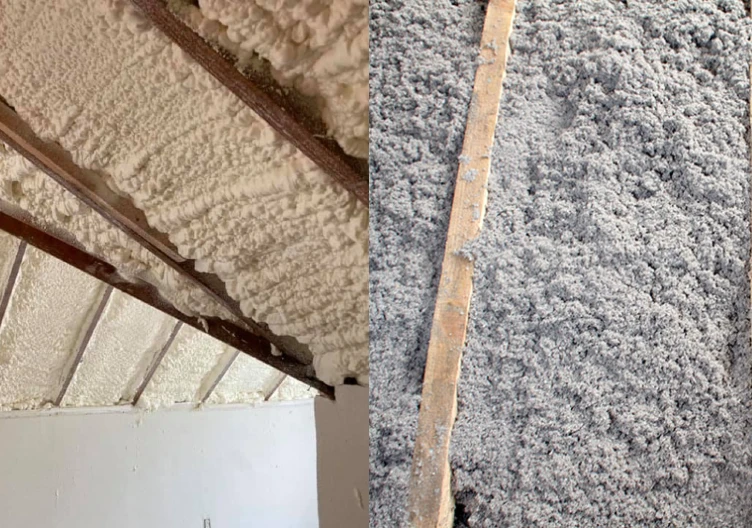
| Cellulose | Annual inspection | Can settle more in humid conditions | 20-30 years |
| Spray Foam | Every 3-5 years | May expand/contract with temperature swings | 30+ years |
| Rigid Board | Every 5 years | Can degrade in UV-exposed areas | 25-40 years |
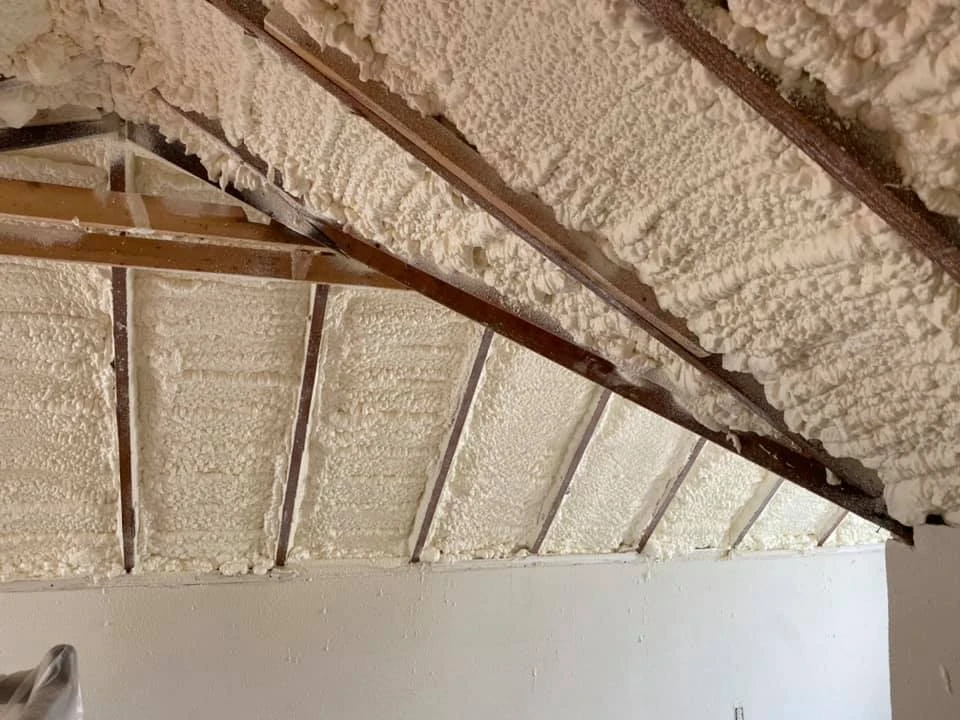
Different insulation materials require distinct maintenance approaches. Spray foam insulation generally needs less frequent maintenance, but should be checked for cracking or separation from framing members. Cellulose insulation may require periodic top-up applications as it settles, particularly in older Austin homes.
Things to Consider Before Making a Decision
Before undertaking insulation maintenance or upgrades, assess your home’s specific needs and constraints. Consider the age of your current insulation, recent energy bills, and comfort issues in different seasons. Homes built before 2000 typically have inadequate insulation by today’s standards.
Local building codes and utility rebate programs also factor into maintenance decisions. Austin Energy offers incentives for improving home insulation performance, which can offset the cost of professional assessments or upgrades. Understanding these programs helps make financially sound maintenance choices.
Budget considerations should balance immediate costs against long-term savings. While professional insulation inspections involve upfront costs, they often identify issues that prevent larger expenses down the road. Energy savings from proper maintenance typically pay for themselves within 2-3 years in Austin’s climate.
Bonus Tip: When adding insulation over existing layers, choose unfaced insulation to prevent moisture condensation between vapor barriers.
Signs Your Insulation Needs Immediate Attention
Multiple warning signs indicate urgent insulation problems requiring immediate action. Unusually high energy bills without corresponding rate increases often signal insulation failure. Ice dams on roof edges during winter freeze events, though rare in Austin, indicate attic heat loss through compromised insulation.
Musty odors or visible mold growth near insulation indicate moisture problems that can affect indoor air quality. These issues require immediate professional attention to prevent health hazards and structural damage. Similarly, pest infestations in insulation spaces need quick resolution to prevent further material degradation.
Bonus Tip: Use a thermal camera or smartphone app during extreme temperature days to identify insulation gaps visually. Cold spots in winter or hot spots in summer clearly show where insulation performance is compromised.
Key Decision Points for Austin Homeowners
When maintaining insulation, focus on high-impact areas that deliver the greatest energy savings. Attic insulation typically offers the best return on investment in Austin’s climate, responsible for up to 50% of heat transfer in homes. Prioritize sealing attic bypasses around chimneys, plumbing stacks, and electrical penetrations before adding additional insulation.
Consider the interaction between insulation and other home systems. HVAC efficiency depends directly on insulation performance, while proper ventilation protects insulation from moisture damage. Taking a systems approach ensures all components work together effectively rather than addressing problems in isolation.
Professional Assessment Benefits
While homeowners can perform basic maintenance, professional insulation assessments provide a comprehensive evaluation using specialized tools. Energy audits with blower door tests identify hidden air leaks that basic inspections miss. Infrared thermography reveals temperature variations and moisture issues invisible to the naked eye.
Professional services like those offered by Stellrr Insulation & Spray Foam provide detailed insulation analysis with specific recommendations tailored to Austin’s climate conditions. These assessments calculate exact R-value needs based on home construction, orientation, and local weather patterns.
Moving Forward with Insulation Maintenance
Effective insulation maintenance in Austin requires regular attention to specific regional challenges. Focus on moisture control, air sealing, and preventing compression to maintain energy efficiency year-round. Address small problems promptly to prevent larger issues that compromise home comfort and increase energy costs.
Homeowners should create a maintenance schedule aligned with seasonal changes, prioritizing spring preparations for summer heat and fall checks for winter cold snaps. Documentation of inspections and maintenance helps track insulation performance over time and justifies improvements when necessary.
Evaluate your current insulation condition against Austin’s climate demands and energy costs. Consider a professional assessment for a comprehensive evaluation, especially if experiencing comfort issues or rising energy bills. Proper insulation maintenance protects your home investment while ensuring comfortable indoor temperatures throughout Austin’s extreme weather patterns.
Get Professional Insulation Assessment
For comprehensive Austin’s insulation evaluation tailored to unique climate demands, contact Stellrr Insulation & Spray Foam at info@stellrr.com or call (512) 710-2839. Professional assessments identify hidden issues that basic inspections miss and provide specific solutions for your home’s insulation needs. Schedule an evaluation before Austin’s next summer heat wave arrives to ensure optimal energy efficiency and home comfort.
Frequently Asked Questions
What is the recommended R-value for Austin attics?
The Department of Energy recommends R-38 to R-60 for Austin attics, approximately 12-20 inches of insulation depending on material type. This range provides optimal energy efficiency for Central Texas climate conditions.
How often should insulation be replaced in Texas homes?
Most insulation materials last 20-30 years with proper maintenance. However, homes with moisture issues, pest problems, or physical damage may need replacement sooner. Regular inspections extend insulation lifespan significantly.
Does insulation maintenance help with Austin’s allergy season?
Yes, proper insulation maintenance reduces pollen infiltration by sealing air leaks. Well-maintained insulation also prevents mold growth, which can exacerbate allergy symptoms during Austin’s high pollen periods.
Can insulation maintenance reduce cooling costs?
Absolutely. Properly maintained insulation can reduce cooling costs by 15-20% in Austin’s climate. The effect is most pronounced during peak summer months when air conditioning systems work hardest.
What should I look for during insulation inspections?
Check for moisture stains, compression, gaps, pest damage, and inadequate coverage. Pay special attention to areas around ductwork, vents, and attic access hatches where air leakage commonly occurs.
Sources
- U.S. Department of Energy – Federal resource providing energy efficiency guidelines and insulation recommendations for various climate zones including Texas
- Austin Energy – Local utility company offering specific insulation guidelines for Austin homeowners and rebate program information
- Energy Star – EPA program providing energy efficiency standards and air sealing information for residential insulation systems