
Residential insulation solutions directly reduce dust, pollen, and air leaks by creating a continuous barrier that blocks airborne particles from entering living spaces. When properly installed, insulation seals gaps, cracks, and voids in walls, attics, and floors, preventing outdoor allergens and dust from circulating indoors while also stopping conditioned air from escaping. This dual action significantly improves indoor air quality and energy efficiency simultaneously.
Most homeowners don’t realize their walls and attic are essentially Swiss cheese when it comes to air movement. Every small opening becomes a highway for dust, pollen, and other particles to travel through. Stellrr Insulation & Spray Foam has identified that proper insulation acts like a filter, trapping these particles before they reach your breathing zone while also maintaining consistent temperatures throughout your home. The following sections break down exactly how this works and what you need to know to achieve the best results.
How Insulation Blocks Airborne Particles
Insulation materials work through three main mechanisms to reduce dust and pollen infiltration. The first is physical blocking – dense insulation fibers create a maze-like path that particles struggle to navigate. Second, insulation acts as a filter, trapping smaller particles within its structure. Third, when properly installed, insulation eliminates the air pressure differences that draw outdoor contaminants inside.
Fiberglass insulation, for example, consists of millions of tiny glass fibers that create air pockets. These pockets slow down air movement significantly, causing dust and pollen to settle within the material rather than continuing into your living space. Similarly, cellulose insulation made from recycled paper contains added fire retardants that help bind the fibers together, creating an even denser barrier against particle penetration.
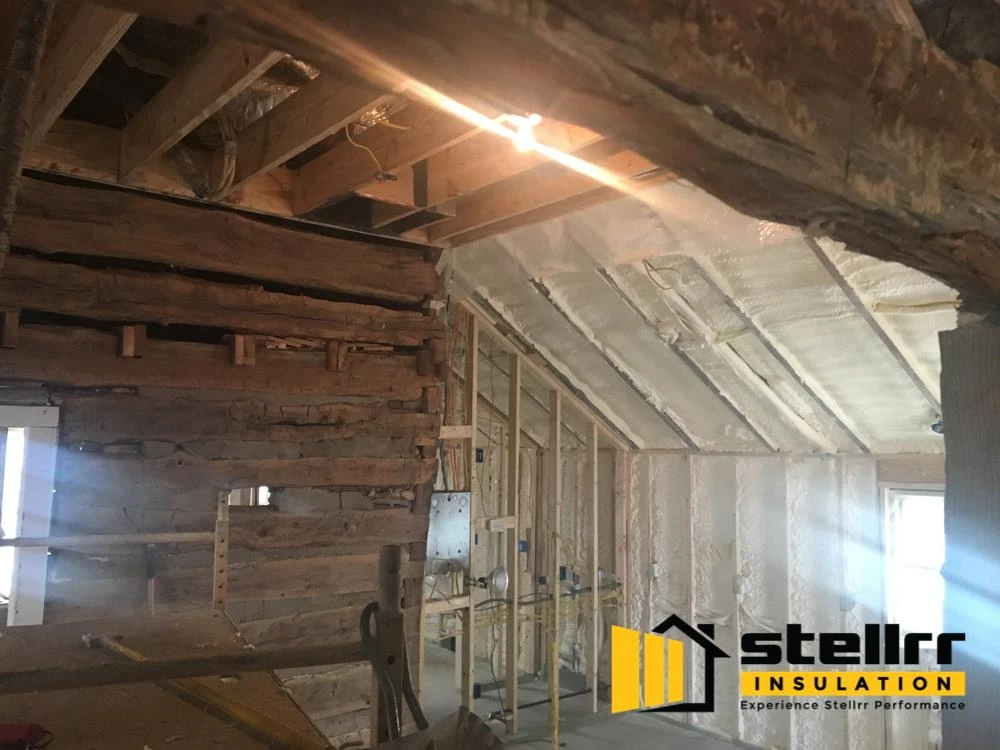
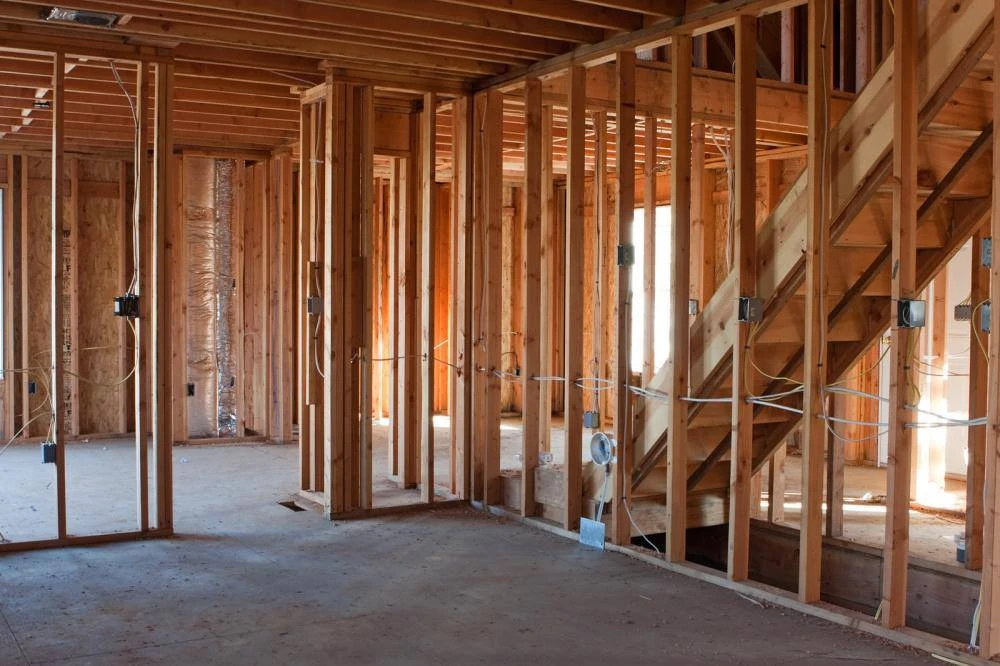
The effectiveness of particle blocking depends heavily on proper installation. Even the best insulation material won’t perform well if there are gaps around electrical outlets, plumbing penetrations, or framing members. That’s why professionals focus on creating a complete thermal envelope – essentially wrapping your home in a continuous blanket of insulation that leaves no pathways for air or particles to travel.
Different Insulation Types and Their Air Sealing Properties
Not all insulation materials perform equally when it comes to air sealing and particle filtration. The table below compares common insulation options based on their air blocking capabilities, particle filtration efficiency, and typical applications.
| Insulation Type | Air Sealing Ability | Particle Filtration | Best Applications | R-Value per Inch |
|---|---|---|---|---|
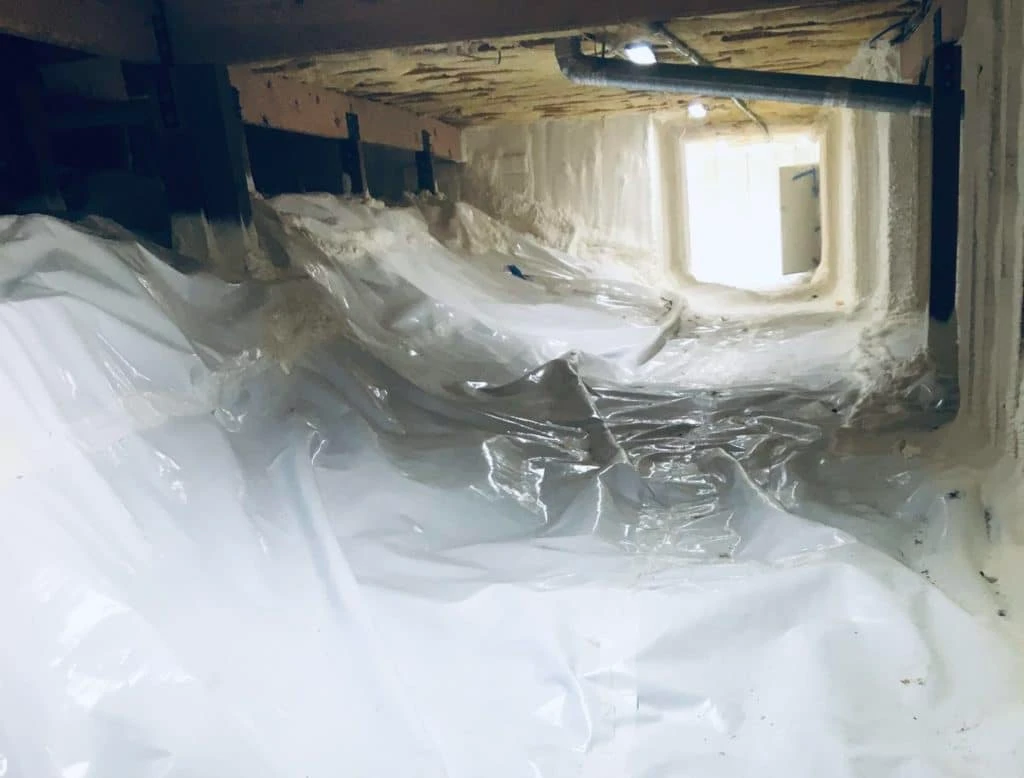
| Spray Foam | Excellent | High | Attics, crawl spaces, rim joists | 3.5-6.5 |
| Dense-Pack Cellulose | Very Good | High | Walls, attics | 3.2-3.8 |
| Fiberglass Batts | Moderate | Moderate | Walls, floors, ceilings | 2.9-3.8 |
| Mineral Wool | Good | Moderate-High | Walls, attics, fire barriers | 3.1-4.0 |
| Rigid Foam | Excellent | Low | Foundations, exterior walls | 4.0-6.5 |
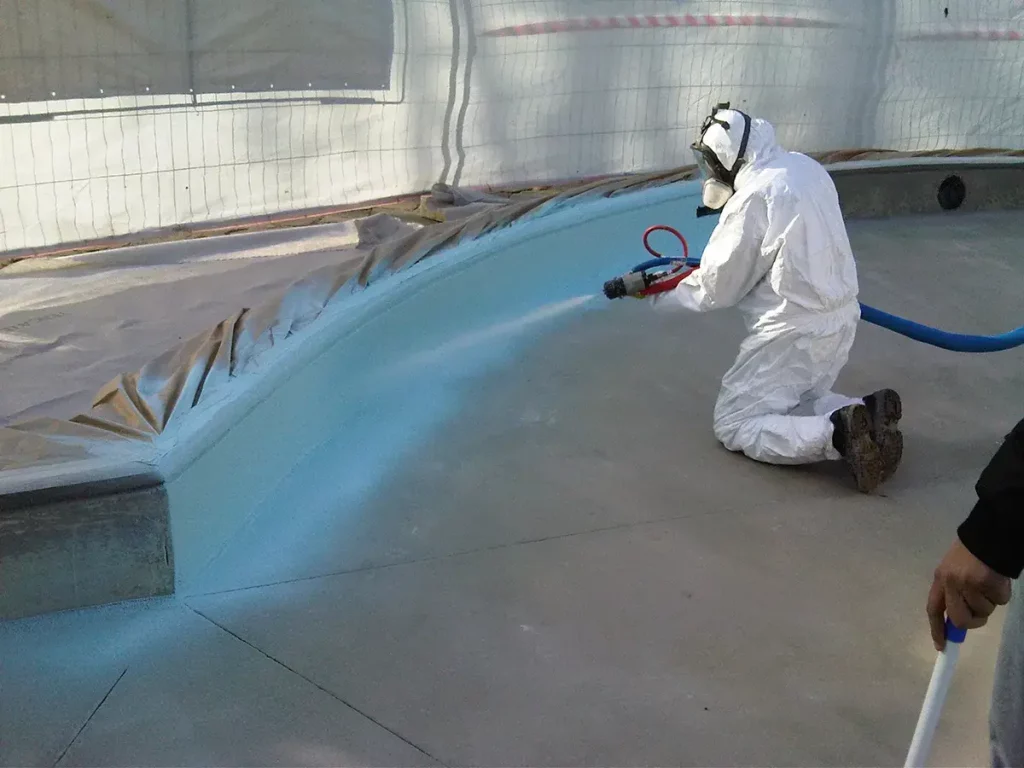
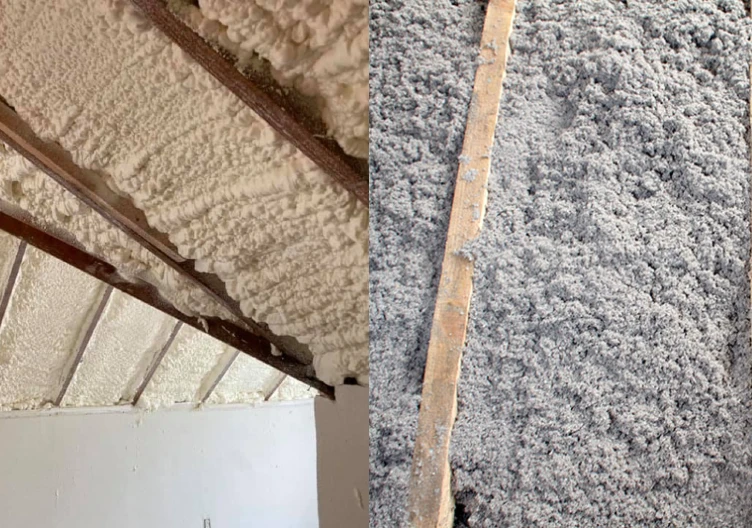
Spray foam insulation stands out for air sealing because it expands to fill every crack and crevice, creating an airtight seal that also blocks dust and pollen movement. According to research from Lawrence Berkeley National Laboratory, spray foam can reduce air leakage by up to 95% compared to traditional insulation methods.
Cellulose insulation performs exceptionally well for particle filtration due to its dense, interlocking fibers. When installed using the dense-pack technique, cellulose achieves air sealing performance close to that of spray foam but at a lower cost point. The material’s small particle size and density make it particularly effective at trapping pollen and dust particles.
Bonus Tip: The Blower Door Test Connection
A blower door test is essential before and after insulation installation to measure air leakage rates. This diagnostic tool pressurizes or depressurizes your home to reveal hidden air leaks that insulation alone might not address. Stellrr recommends using the results to target air sealing efforts where they’ll have the most impact on both energy efficiency and air quality.
Regional Considerations for Dust and Pollen Control
The type and amount of insulation needed varies significantly based on local climate and allergen patterns. In regions with high pollen counts, like the southeastern United States, homeowners benefit most from insulation materials with superior filtration properties. Dense-pack cellulose works particularly well in these areas due to its ability to trap small pollen particles.
In desert regions where dust is the primary concern, spray foam insulation provides the best protection against fine dust infiltration. The material’s seamless application prevents dust from entering through tiny cracks that might develop with other insulation types over time.
Coastal areas face unique challenges with salt spray and humidity. Mineral wool insulation performs well in these environments because it resists moisture absorption and maintains its air sealing properties even in damp conditions. The material’s natural density also helps block airborne salt particles that can corrode home components.
According to the Environmental Protection Agency, proper insulation combined with air sealing can reduce airborne particle infiltration by 30-50%, significantly improving indoor air quality regardless of regional conditions. The key is matching the insulation type to local environmental factors for optimal performance.
Things to Consider Before Making a Decision
Before choosing insulation for dust and pollen control, evaluate several key factors. First, assess your home’s current air leakage using a blower door test to understand the scope of the problem. This baseline measurement helps determine whether you need insulation alone or a combined approach with additional air sealing measures.
Consider your specific health concerns. If household members suffer from allergies or asthma, prioritize insulation materials with proven filtration capabilities like dense-pack cellulose or spray foam. The initial investment may be higher, but the health benefits often justify the cost.
Evaluate your climate zone requirements. The International Energy Conservation Code provides specific insulation recommendations for different regions that balance energy efficiency with moisture management. Following these guidelines ensures your insulation system performs well year-round without creating moisture problems.
Factor in installation quality. Even premium insulation materials won’t deliver results if installed poorly. Look for contractors with specific experience in air sealing techniques and ask for references from homeowners with similar air quality concerns.
Budget considerations should include both upfront costs and long-term savings. While spray foam typically costs more initially, its superior air sealing properties often result in lower energy bills and better indoor air quality over time. Calculate the payback period for different options to make an informed decision.
Bonus Tip: Combine Mechanical Filtration with Insulation
For the best indoor air quality, pair proper insulation with high-quality mechanical filtration. While insulation reduces particle infiltration, a good HVAC filter with a MERV rating of 11-13 catches the particles that still make it inside. This two-pronged approach provides comprehensive protection against dust, pollen, and other airborne contaminants.
Making Your Home Healthier Through Insulation
The right insulation system transforms your home’s indoor environment by controlling what enters through your building envelope. By thoughtfully selecting materials based on your specific needs and ensuring proper installation, you create a healthier living space with less dust, fewer allergens, and better air quality throughout every season.
Evaluate your current insulation levels, identify your primary air quality concerns, and consult with professionals who understand both insulation performance and indoor air quality principles. The investment pays dividends in comfort, health, and energy savings for years to come.
Get Professional Assessment
For a comprehensive evaluation of how insulation can improve your home’s air quality, contact Stellrr Insulation & Spray Foam at info@stellrr.com or call (512) 710-2839. Professional assessment ensures you select the right insulation solution for your specific situation and achieve maximum dust and pollen reduction benefits.
Frequently Asked Questions
How much can insulation actually reduce dust in my home?
Proper insulation can reduce visible dust accumulation by 40-60% in most homes by blocking the primary pathways through which dust enters. The exact reduction depends on your home’s construction quality, local dust levels, and the insulation type used.
Will insulation completely eliminate seasonal allergies?
While insulation significantly reduces pollen infiltration, it won’t completely eliminate allergies. Most homeowners experience a 30-50% reduction in allergy symptoms after proper insulation installation, especially when combined with good HVAC filtration and regular maintenance.
Can I add insulation to improve air quality without major construction?
Yes, several options exist for retrofitting insulation with minimal disruption. Blown-in cellulose or fiberglass can be added through small access holes in walls. Attic insulation upgrades typically require no interior work and provide immediate air quality benefits.
How long does insulation maintain its air sealing properties?
Most insulation materials maintain their air sealing performance for 20-30 years or more. Spray foam typically lasts the longest since it doesn’t settle or degrade. Loose-fill insulation may need periodic top-ups in attics where settling can occur over time.
Is professional installation necessary for air quality benefits?
While DIY insulation can provide some benefits, professional installation is crucial for optimal air sealing. Professionals have specialized equipment for dense-packing cellulose and applying spray foam, plus the expertise to identify and seal critical air leakage pathways that homeowners often miss.
Sources
- Lawrence Berkeley National Laboratory – Research institution studying building science, energy efficiency, and indoor air quality impacts of insulation
- Environmental Protection Agency – Federal agency providing guidelines on indoor air quality and insulation benefits
- International Energy Conservation Code – Building code standards specifying insulation requirements for different climate zones