
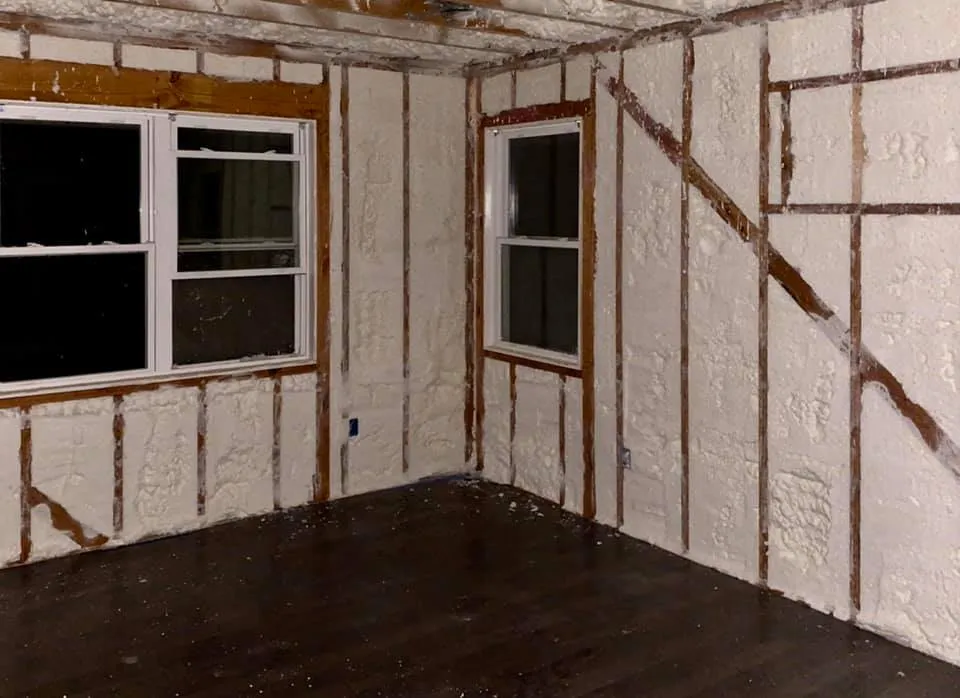
Spray foam insulation reduces outside noise by creating a continuous, airtight barrier that seals gaps, cracks, and crevices where airborne sound waves typically enter a home. Unlike traditional fiberglass batts that can leave small voids around wiring and studs, expanding foam fills every available space to block the physical pathways through which sound travels. Open-cell spray foam is specifically effective for acoustic control because its semi-flexible, sponge-like structure absorbs sound energy and dampens vibrations rather than transmitting them through the wall assembly.
Living near a busy highway, an active airport, or a noisy neighborhood park often results in disrupted sleep and higher stress levels. Many homeowners assume that thicker walls are the only solution, but the real issue usually lies in air leakage. Years of analyzing building envelopes show that if air can move through a wall, noise will move with it. Addressing these leaks with the right insulation material can transform a house’s acoustic profile.
The Mechanism of Sound Transfer and Air Sealing
Understanding how noise enters a home requires examining two specific types of sound transfer: airborne and structure-borne. Airborne noise includes traffic sounds, voices, and music that travel through the air. Structure-borne noise occurs when physical vibrations travel through building materials, such as footsteps on a floor or a door slamming.
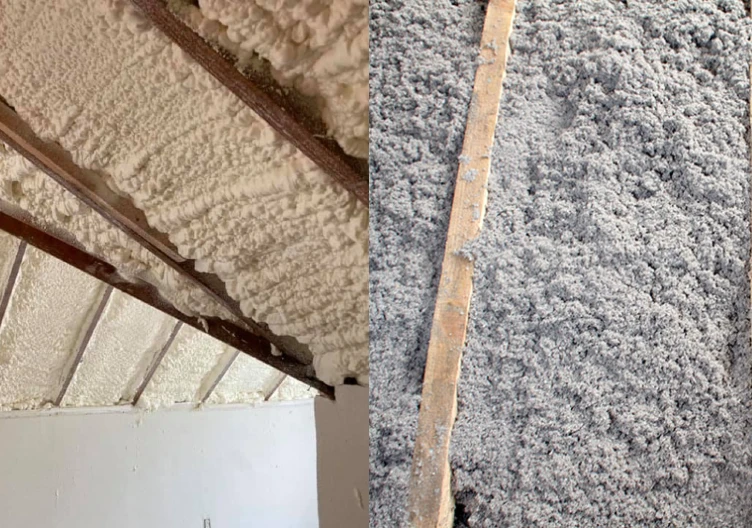
Fiberglass and cellulose insulation work primarily to resist heat flow, but they do not form an air seal. Sound waves easily flank these materials, slipping through gaps around electrical outlets, window frames, and baseboards. A ScienceDirect report notes that even minor openings in a partition can significantly reduce its sound insulation.
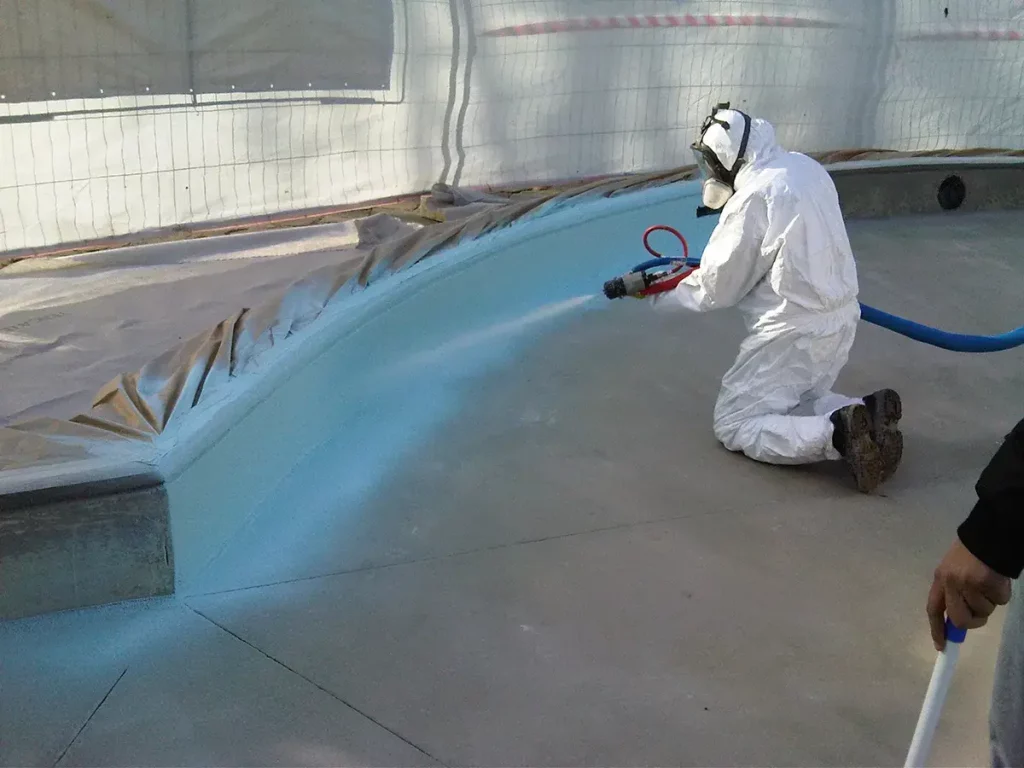
Spray foam expands up to 100 times its original liquid volume upon application. This expansion forces the material into the nooks and crannies that other insulation types miss. By stopping air movement, the foam cuts off the primary vehicle for airborne noise. This creates a “dead air” space that is difficult for sound waves to penetrate.
Breaking the Vibration Path
Beyond air sealing, the physical composition of the insulation plays a role in dampening structural noise. When a wall vibrates from external pressure (like a heavy truck passing by), rigid materials transfer that energy to the inside. Soft, absorptive materials interrupt that transfer. The foam acts as a shock absorber inside the wall cavity. It decouples the exterior sheathing from the interior drywall to some degree, breaking the bridge that lets sound march right into the living room.
Bonus Tip: For maximum sound reduction, apply acoustic caulking around the perimeter of the drywall and electrical boxes before painting. The foam seals the cavity, but caulking seals the interior shell.
Comparing Open-Cell and Closed-Cell for Acoustics
Not all spray foams perform equally when the goal is a quieter home. The industry divides foam into two main categories: open-cell and closed-cell.
Open-Cell Foam This material is lighter and less dense, similar to the foam found in sofa cushions. The cells within the foam structure are not completely closed, which makes the material softer and more flexible. This structure is superior for soundproofing. The open cells trap sound waves and dissipate them as heat energy within the foam matrix. It typically offers a higher Sound Transmission Class (STC) rating per inch compared to closed-cell options.
Closed-Cell Foam This variation is dense, rigid, and waterproof. While it creates an exceptional air seal and adds structural rigidity to a house, its hardness can sometimes work against acoustics. Because it is so rigid, it can conduct structure-borne vibrations more easily than the softer open-cell variety. It still outperforms fiberglass thanks to its air seal, but it is not the primary choice for pure sound damping.
Insulation Performance Comparison
The following table outlines how different insulation materials stack up in terms of acoustic performance and sealing capabilities.
| Material | Air Seal Quality | Sound Absorption | STC Rating Impact | Best Application |
|---|---|---|---|---|
| Open-Cell Spray Foam | Excellent | High | Significant Improvement | Interior walls, media rooms, exterior walls (noise focus) |
| Closed-Cell Spray Foam | Excellent | Low/Medium | Moderate Improvement | Basements, flood zones, exterior structural reinforcement |
| Fiberglass Batts | Poor | Medium | Minimal Improvement | Basic thermal control, budget-conscious projects |
| Blown-In Cellulose | Fair | Medium/High | Moderate Improvement | Attics, retrofitting existing walls (dense pack) |
Strategic Areas to Insulate for Noise Control
Treating every square inch of a home might not be necessary. Focusing on the walls facing the noise source yields the best return on investment. If a home faces a busy street, the front exterior walls and the rim joist (where the floor meets the foundation) are the critical areas.
Attics and Roof Decks Noise from airplanes or heavy rain enters through the roof. Applying open-cell foam to the underside of the roof deck creates an unvented attic assembly. This absorbs noise before it enters the attic space, preventing it from filtering down through the ceiling drywall into bedrooms.
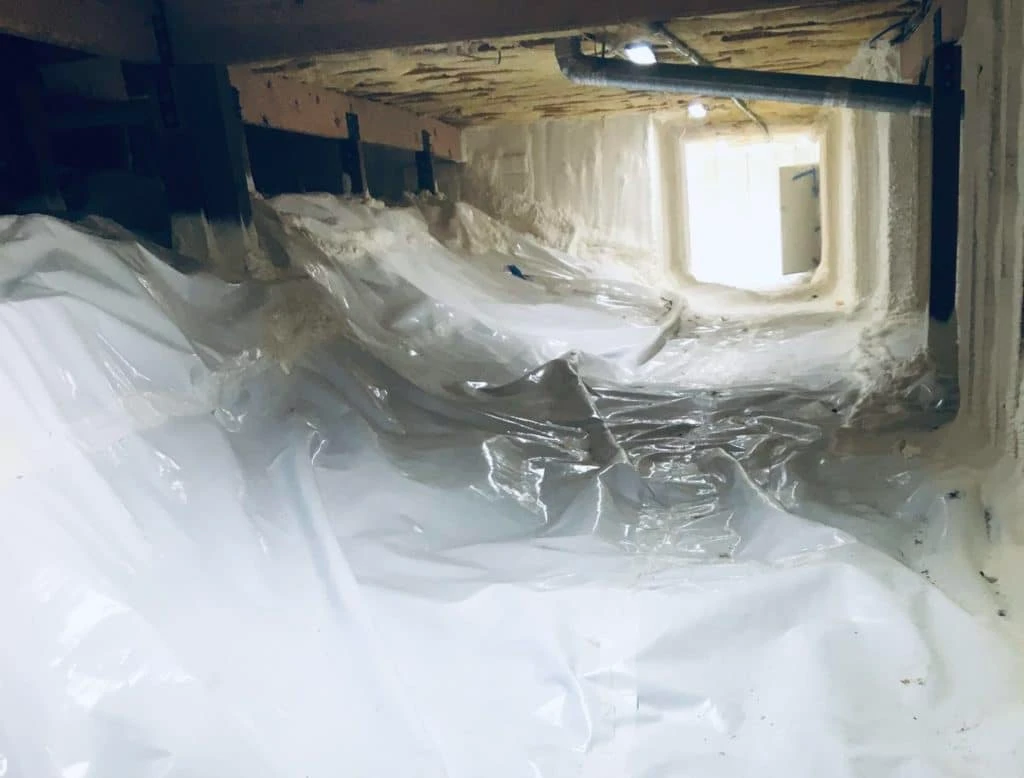
Floors Above Crawl Spaces For homes on pier-and-beam foundations, traffic noise can bounce off the ground and come up through the floor. Sealing the underside of the subfloor blocks this pathway and also helps keep floors warmer in winter.
Interior Partition Walls While outside noise is the main enemy, privacy between rooms matters too. Using foam in walls separating a master bedroom from a living room or a bathroom creates a sound buffer that standard hollow walls cannot match. CertainTeed.
Things to Consider Before Making a Decision
Before scheduling an installation, evaluating the home’s current condition is necessary.
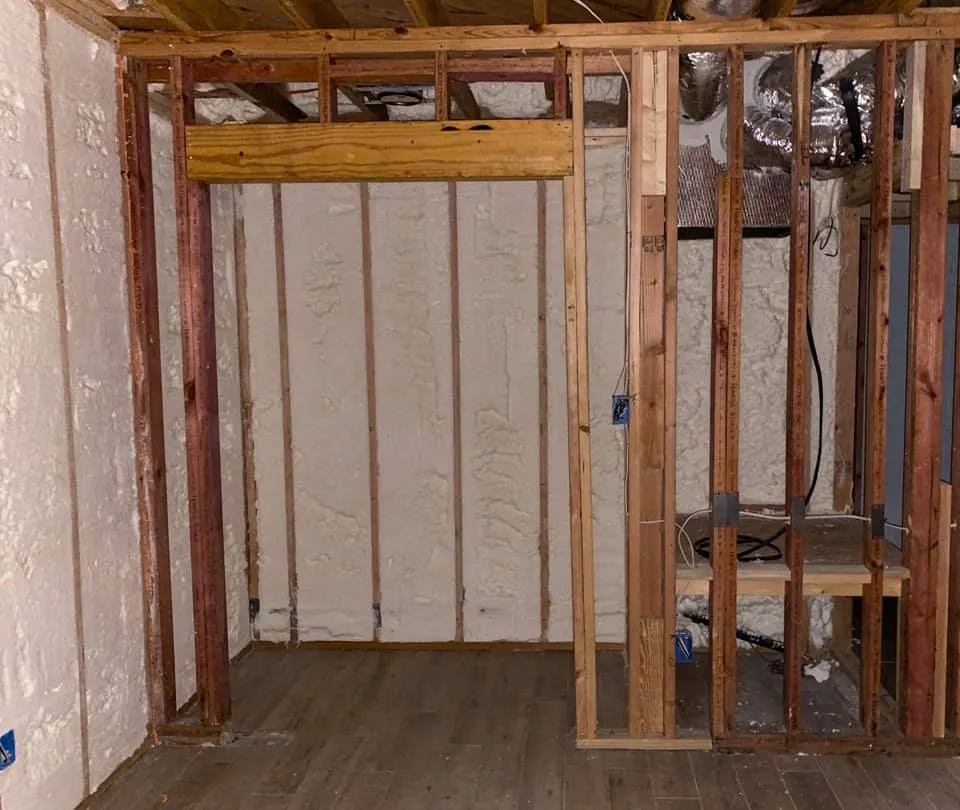
- Existing Drywall: Spray foam is most easily installed in new construction or during major renovations when wall cavities are open. Injecting foam into existing closed walls (retrofitting) is possible but technically complex and often requires removing sections of drywall to ensure proper coverage.
- Window Quality: Insulation only covers the opaque parts of a wall. If a home has single-pane windows or gaps in the weatherstripping, sound will continue to pour in regardless of how well-insulated the walls are. High-performance windows are a necessary partner for residential spray foam to achieve total noise control.
- Ventilation Needs: Because foam creates such a tight seal, the home stops “breathing” through cracks. This is good for energy and sound, but may require mechanical ventilation (such as an ERV or HRV unit) to ensure that fresh air circulates properly.
According to a Grand View Research market analysis, demand for acoustic insulation is rising rapidly as homeowners increasingly view acoustic comfort as a key factor in property value and quality of life.
Bonus Tip: Sound behaves like water. It will find the path of least resistance. If you insulate the walls but leave the mail slot in the front door unsealed, the noise reduction will be compromised.
Summary
Reducing outside noise requires a strategy that eliminates air leaks and absorbs sound energy. Spray foam insulation achieves both by creating a seamless, custom-fit barrier within wall cavities. Open-cell foam offers the superior choice for acoustic dampening due to its cellular structure, though closed-cell foam still offers improvements over traditional materials by sealing gaps.
Homeowners should assess their windows and doors alongside their insulation choices to create a comprehensive defense against noise. A quieter home creates a calmer environment, improving rest and daily comfort.
Contact Stellrr Insulation & Spray Foam
If outside noise is disrupting your peace of mind, upgrading your insulation is one of the most effective steps you can take. Stellrr Insulation & Spray Foam helps homeowners transform their living spaces into quiet, energy-efficient sanctuaries.
Get a solution for your home today:
- Phone: (512) 710-2839
- Email: info@stellrr.com
Frequently Asked Questions
Can I install spray foam myself to save money?
DIY spray foam kits exist, but they are generally intended for minor touch-ups rather than whole-room soundproofing. Achieving the correct chemical mix and temperature is vital for the foam to expand and cure properly. Poorly applied foam can shrink, leaving gaps that defeat the purpose of soundproofing or release lingering odors. Professional equipment ensures a consistent application.
Does spray foam insulation deteriorate over time?
When protected from UV light (which degrades spray foam), it lasts indefinitely. It does not settle, sag, or compress like fiberglass or cellulose. The acoustic and thermal barrier created on day one remains consistent for the life of the building.
Will spray foam help with plumbing noise?
Yes. Wrapping plumbing pipes in walls with foam (or encapsulating the pipe runs within a foamed wall cavity) significantly reduces the “rushing water” sounds that travel through a house. It dampens the pipe’s vibration and blocks airborne water noise.
Is open-cell foam safe for moisture control?
Open-cell foam is vapor permeable, meaning it allows moisture to dry out if it gets into the assembly, but it does not act as a vapor barrier. In very humid climates or specific basement applications, a vapor retarder paint or closed-cell foam might be required to prevent moisture accumulation. Consulting a local expert is best to determine the right balance between acoustics and moisture management.
Sources
- ScienceDirect – Overview of airborne sound insulation principles and the impact of gaps on acoustic performance.
- CertainTeed – Technical data regarding STC ratings and insulation material performance.