Commercial buildings require new insulation when you observe unexplained spikes in energy costs, persistent temperature fluctuations between zones, or visible evidence of moisture intrusion, such as water stains and mold. These physical indicators indicate that the existing thermal barrier has either settled, deteriorated, or failed, resulting in significant operational inefficiencies. If your HVAC system runs constantly while tenants still complain about discomfort, the building envelope likely lacks the necessary R-value to maintain a controlled environment.
Ignoring these red flags often leads to accelerated structural decay and inflated overhead expenses. A failing thermal boundary forces mechanical systems to work harder than designed, shortening their lifespan and increasing maintenance tickets. Drawing from years of field diagnostics, identifying these warning signs early allows facility managers to address the root cause of energy waste rather than treating the symptoms.
Unexplained Increases in Energy Expenses
The most reliable indicator of insulation failure is a steady rise in heating and cooling costs that cannot be attributed to rate hikes or increased operational hours. When thermal barriers degrade, heat transfer accelerates. In winter, heat escapes through the roof and walls, while in summer, solar heat gain infiltrates the interior. This forces the HVAC system to consume more electricity or gas to maintain the setpoint.
Data published by the U.S. Environmental Protection Agency indicates that roughly 30 percent of the energy used in commercial buildings is wasted. A significant portion of this waste stems from poor insulation and air leaks. If a review of utility bills shows a year-over-year increase in consumption despite consistent weather patterns, the insulation performance has likely dropped.
Inconsistent Temperatures and Drafts
Commercial building spray foam a uniform temperature throughout the floor plan. When insulation gaps occur or materials settle, specific zones become difficult to regulate. You might find that south-facing offices are unbearably hot while interior conference rooms remain freezing.
Key areas to check for temperature variance:
- Perimeter Walls: Place a hand near the wall surface. If it feels significantly colder or hotter than the room air, the insulation in the wall cavity is likely insufficient.
- Floors above Unconditioned Spaces: Offices located above parking garages or loading docks often experience cold floors when the ceiling insulation below has failed.
- Top Floor Ceilings: Heat rises. If the top floor is consistently hotter than the lobby, roof insulation may be compromised.
Moisture Damage and Mold Growth
Water is the enemy of most traditional insulation materials. Once fiberglass or cellulose gets wet, it compresses and loses its ability to trap air, which is how it resists heat flow. More dangerously, wet insulation becomes a breeding ground for mold.
Visible signs include peeling paint, water stains on ceiling tiles, or a persistent musty odor. According to the Centers for Disease Control and Prevention, prompt remediation of water-damaged materials is necessary to prevent health risks to occupants. If you spot damp spots on walls or ceilings, the insulation behind those finishes is likely damaged and needs to be removed.
Excessive Noise Transfer
Insulation serves a dual purpose: thermal resistance and acoustic dampening. Commercial spaces situated near highways, airports, or industrial zones rely on the building envelope to block external noise.
If street noise sounds louder than usual inside the building, or if conversations carry clearly between supposedly soundproofed conference rooms, the insulation density has likely decreased. Sound waves travel easily through gaps where insulation has settled or shifted. Restoring the barrier improves acoustic privacy and tenant satisfaction.
Comparing Commercial Insulation Options
Understanding the lifespans and failure modes of different materials helps evaluate a building’s current condition.
| Insulation Material | Typical Lifespan | Common Failure Signs | Best Application |
|---|---|---|---|
| Fiberglass Batts | 15-20 Years | Sagging, gaps, black dust marks (air filtration) | Interior walls, drop ceilings |
| Cellulose | 20-30 Years | Settling deeply into cavities, moisture retention | Attic spaces, enclosed walls |
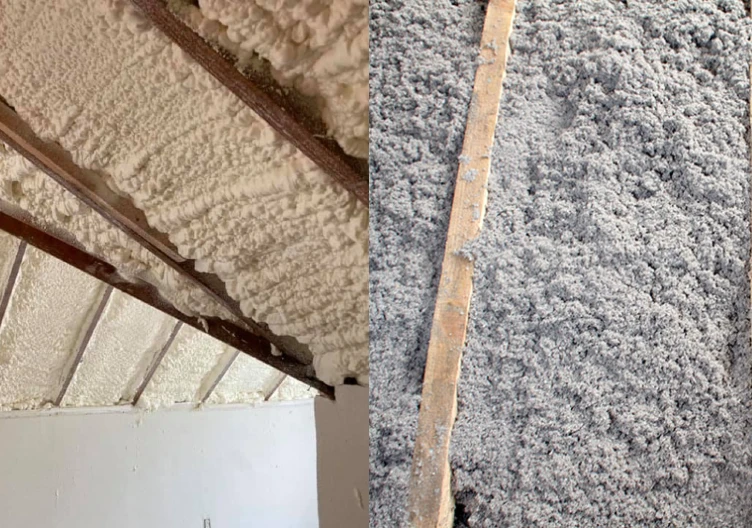
| Spray Polyurethane Foam | 80+ Years | Discoloration if exposed to UV, physical cracking | Roof decks, exterior walls, and foundations |
| Rigid Foam Board | 50+ Years | Seam separation, warping | Exterior sheathing, flat roofs |
Pest Infestations
Rodents and insects view deteriorating fiberglass and cellulose as ideal nesting materials. If pest control services report frequent activity in the walls or attic, it suggests that the insulation is not only compromised but may also be contaminated with urine and droppings.
Pests tunnel through insulation, creating voids that destroy the thermal barrier. This creates a cycle where the gaps allow more air and pests to enter, replacing contaminated materials with pest-resistant options like spray foam seals these entry points and restores sanitation.
Things to Consider Before Making a Decision
Before scheduling a retrofit, evaluate the facility’s specific needs.
- Building Usage: Warehouses have different thermal requirements than medical office buildings. The sensitivity of the inventory or occupants dictates the required R-value.
- Climate Zone: Buildings in hot climates prioritize radiant barriers and cooling efficiency, while cold climates need high thermal resistance to prevent heat loss.
- Long-term Plans: If the building is slated for sale or significant renovation in the next five years, the Return on Investment (ROI) calculation changes. High-performance insulation pays for itself over time through energy savings.
- Access: Consider how invasive the installation will be. Some methods require opening walls, while others can be injected through small holes.
Summary
Recognizing the signs of insulation failure, such as skyrocketing energy bills, moisture issues, and tenant discomfort, protects the long-term viability of a commercial asset. Upgrading the thermal envelope does more than lower monthly expenses; it reduces strain on mechanical systems and improves the indoor environment for all occupants. Building owners should evaluate their current insulation status to identify areas where efficiency upgrades will yield the highest financial returns.
Contact Us
If your building shows signs of thermal inefficiency, Stellrr Insulation & Spray Foam is ready to help you regain control of your energy costs. We provide comprehensive assessments to determine your facility’s exact needs.
Phone: (512) 710-2839
Email: info@stellrr.com
Frequently Asked Questions
What is the R-value and why does it matter?
R-value measures the resistance of an insulation material to conductive heat flow. The higher the R-value, the greater the insulating power. Commercial codes mandate specific R-values based on your geographic location to ensure minimum energy-efficiency standards.
How quickly will I see a return on investment?
Most commercial insulation retrofits achieve break-even within 3 to 5 years through reduced utility bills. A report by the Department of Energy highlights that proper insulation combined with air sealing can lower heating and cooling costs by an average of 15 percent.
Is old insulation a health hazard?
It can be. Older buildings may contain asbestos or fiberglass that has degraded into airborne particulates. If the material is disturbed or circulating through the HVAC system, it degrades indoor air quality. Professional removal minimizes these risks.
Does spray foam insulation seal air leaks?
Yes. Unlike batts or loose-fill, spray foam expands to fill cracks and crevices. This creates an air seal that prevents conditioned air from leaking out, which is often more valuable for energy savings than the R-value alone.
Sources
- U.S. Environmental Protection Agency – Information regarding energy waste statistics in commercial buildings and strategies for improvement.
- Centers for Disease Control and Prevention – Guidelines on the health risks associated with mold exposure in damp building materials.
- Department of Energy – Data on potential energy savings achieved through proper insulation and air sealing techniques.