
Residential insulation provides significant soundproofing benefits by reducing airborne and impact noise transmission between rooms and from outside sources. The material acts as a barrier that absorbs sound waves, preventing them from traveling through walls, floors, and ceilings. Effective soundproofing insulation can reduce noise levels by 25-50 decibels, which is comparable to turning down a loud television to a normal conversation volume.
This article covers everything you need to know about using insulation for sound control in homes, including material types, performance ratings, installation considerations, and cost factors. The information comes from extensive experience with residential soundproofing projects across different climate zones and building types.
How Insulation Reduces Sound Transmission
Soundproofing insulation works through three primary mechanisms: absorption, damping, and decoupling. Absorption occurs when sound waves enter the porous material and lose energy through friction. Damping converts sound energy into heat as it vibrates through the insulation. Decoupling creates air gaps that break the path of sound waves.
The effectiveness depends on several factors, including material density, thickness, and installation quality. Dense materials like mineral wool provide better sound absorption than lightweight alternatives. Thicker insulation layers capture more sound energy, especially at lower frequencies. Professional installation ensures complete coverage without gaps or compression points that could compromise performance.
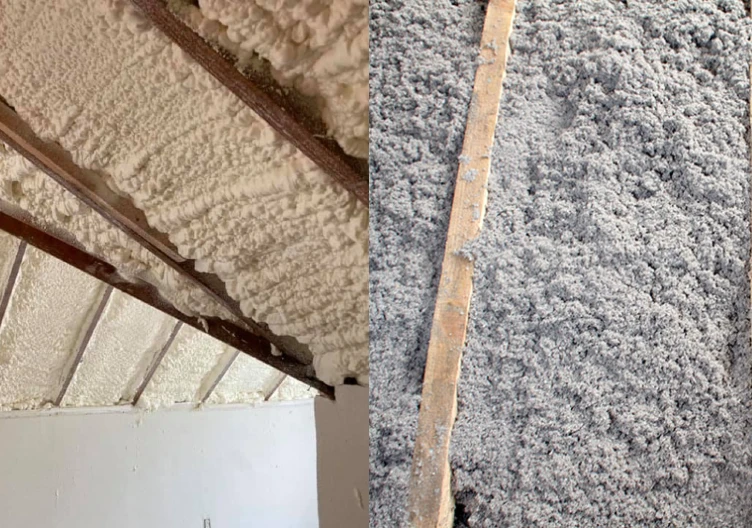
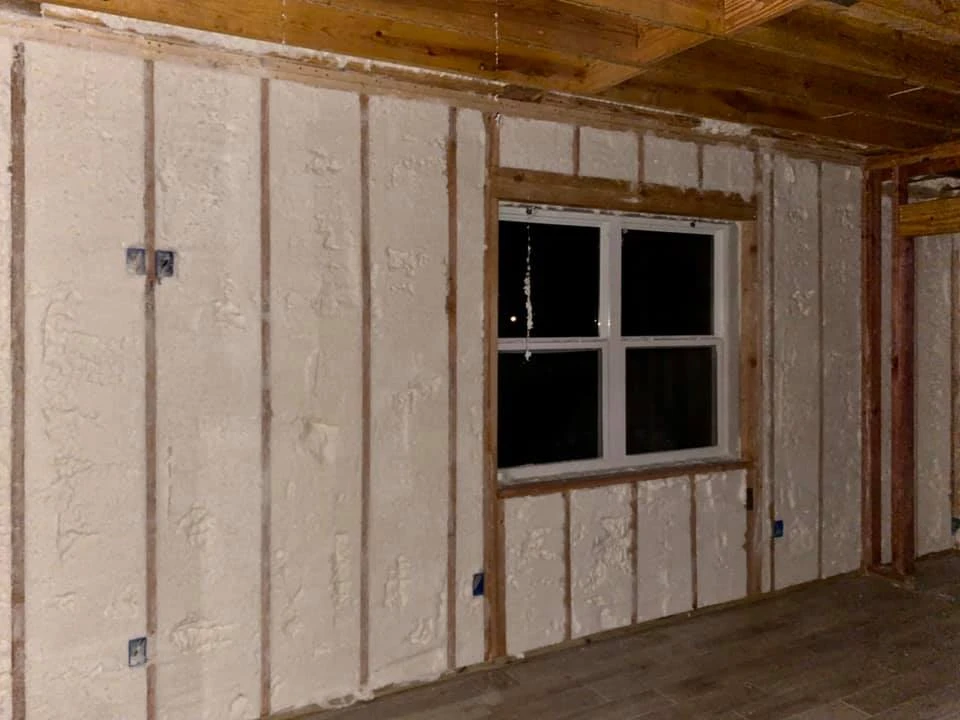
Different insulation types excel at blocking specific noise types. Fiberglass insulation effectively reduces high-frequency sounds like voices and television audio. Mineral wool handles both high and mid-range frequencies well. Spray foam insulation excels at blocking air leaks that transmit sound while adding structural rigidity.
Types of Insulation for Sound Control
Fiberglass Insulation
Fiberglass remains the most common residential insulation option due to its affordability and decent sound absorption capabilities. Standard batt insulation with an R-value of 11-13 reduces sound transmission by about 50% when properly installed. High-density acoustic fiberglass products offer even better performance but cost approximately 30% more than standard versions North American Insulation Manufacturers Association (NAIMA).
The material works best when installed with an air gap on both sides, creating a mass-air-mass assembly that dramatically improves sound blocking. Fiberglass should fill the entire cavity without compression, as gaps or voids become sound transmission pathways.
Mineral Wool Insulation
Mineral wool consists of natural rock or slag fibers bound together with adhesives. Its dense composition and fibrous structure make it superior to fiberglass for sound control. Mineral wool consistently achieves Sound Transmission Class (STC) ratings 5-8 points higher than equivalent thickness fiberglass.
The material also provides fire resistance and moisture management benefits. However, mineral wool costs roughly 40-60% more than fiberglass and can cause skin irritation during installation without proper protection.
Spray Foam Insulation
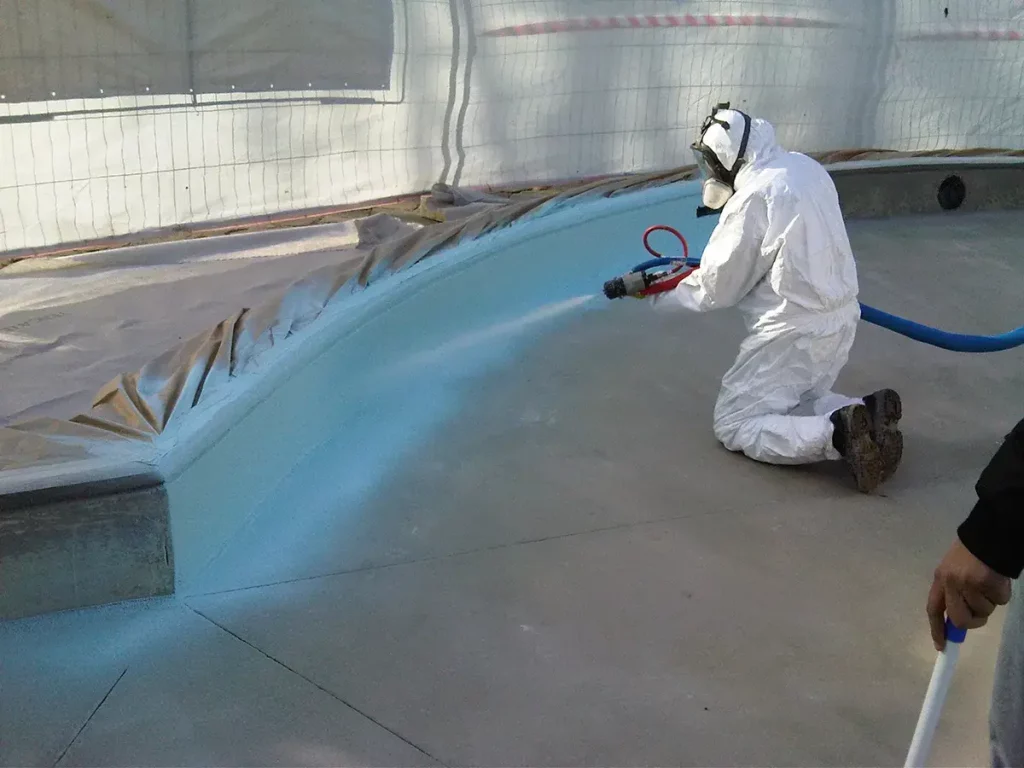
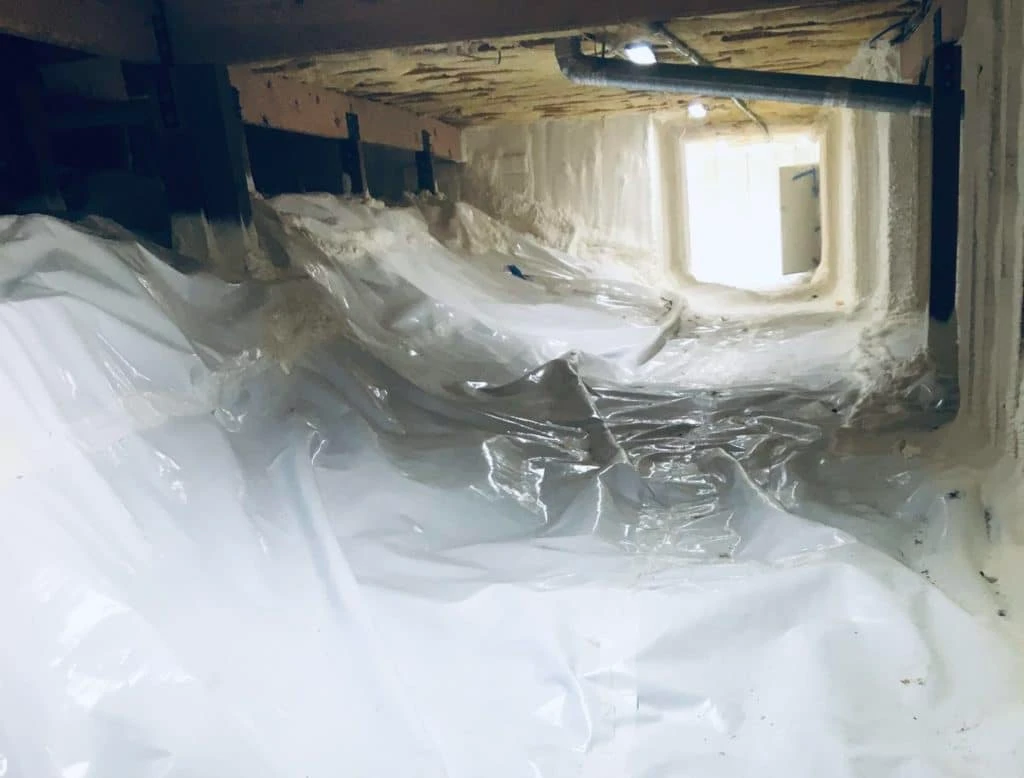
Closed-cell spray foam creates an air-tight seal that blocks airborne noise effectively. It adds structural strength and eliminates gaps where sound might travel. The material achieves excellent sound reduction ratings, with 2-inch thickness blocking most audible frequencies above 125 Hz.
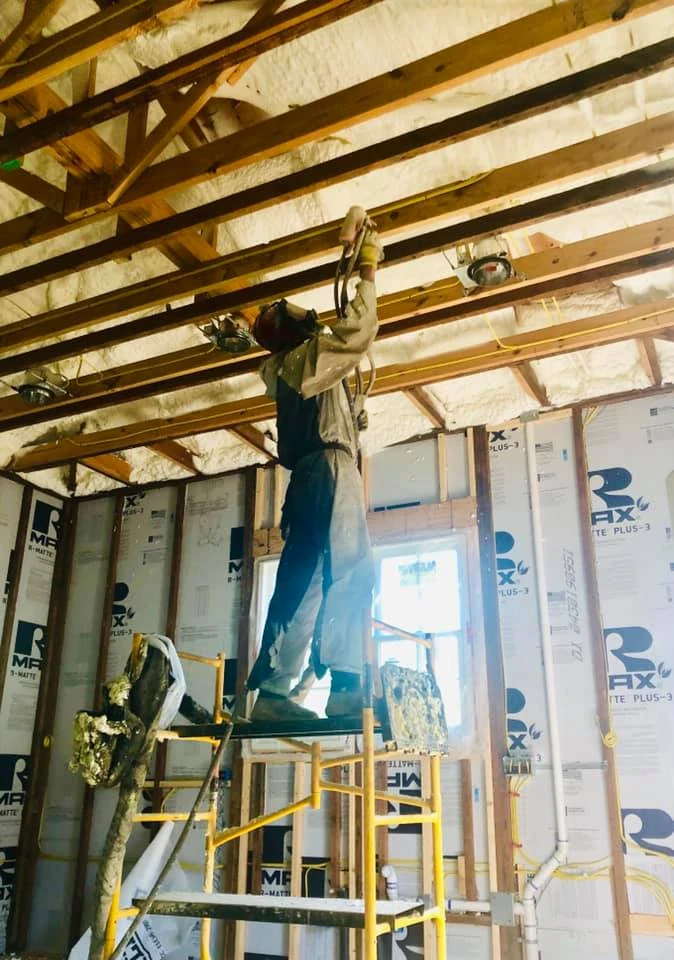
Open-cell spray foam offers better sound absorption than closed-cell but lower R-value per inch. Both types require professional installation and cost significantly more than traditional insulation options. Spray foam works particularly well in complex cavities where batt insulation cannot achieve complete coverage.
Soundproofing Performance Comparison
| Insulation Type | STC Rating (3″) | Best For | Fire Rating |
|---|---|---|---|
| Standard Fiberglass | 36-39 | Budget projects | Class A |
| High-Density Fiberglass | 42-45 | Home theaters | Class A |
| Mineral Wool | 44-48 | Multi-family units | Class A |
| Open-Cell Spray Foam | 38-42 | Irregular spaces | Class B |
| Closed-Cell Spray Foam | 40-43 | Moisture-prone areas | Class B |
Things to Consider Before Making a Decision
Climate conditions affect insulation performance and material selection. In humid regions like the Southeastern United States, moisture-resistant insulation prevents mold growth that could degrade soundproofing ability. According to the U.S. Environmental Protection Agency (EPA).
Indoor humidity above 60% can reduce insulation effectiveness by up to 15% over time.
Building construction type matters significantly. Wood-framed walls behave differently from concrete or steel structures when it comes to sound transmission. Stellrr Insulation & Spray Foam recommends matching insulation density to the structural system for optimal results. Older homes might require additional sealing of gaps and cracks before insulation installation.
Budget constraints often drive material selection, but long-term value should guide decisions. Premium acoustic insulation costs more upfront but provides better sound reduction and energy efficiency. Market data shows homeowners recoup 70-80% of insulation costs through energy savings alone, with soundproofing benefits adding further value Building Science Corporation.
Bonus Tip: Installing insulation in a staggered stud wall configuration can improve STC ratings by 5-8 points compared to standard construction methods.
Final Considerations
Soundproofing insulation offers a permanent solution to residential noise problems while improving energy efficiency. The right material choice depends on your specific noise issues, budget, and home construction. Focus on complete cavity coverage and proper installation for the best results.
Evaluate your noise sources before selecting materials. Airborne sounds from televisions or conversations respond well to mineral wool or high-density fiberglass. Impact noises require additional decoupling techniques beyond just insulation. Consider combining approaches for comprehensive sound control in challenging environments.
Need Professional Soundproofing Guidance
For personalized soundproofing recommendations, contact the experts at Stellrr Insulation & Spray Foam for a comprehensive noise assessment. Our team can identify specific sound transmission problems in your home and design effective solutions using appropriate insulation materials. Call (512) 710-2839 or email info@stellrr.com to schedule a consultation about your soundproofing needs.
Frequently Asked Questions
What R-value is best for soundproofing?
R-value measures thermal resistance, not sound blocking ability. For soundproofing, focus on material density and STC ratings instead. However, most good soundproofing insulation also provides R-13 to R-19 thermal performance in standard wall cavities.
Can soundproofing insulation be installed in existing walls?
Blown-in insulation can be added to existing walls through small holes drilled in the drywall. This retrofit approach improves sound control but won’t match the performance of insulation installed during construction when the wall cavity is completely accessible.
Does soundproofing insulation affect home value?
Properties with effective soundproofing command 2-3% higher resale values according to real estate data. Quiet homes appeal to buyers working from home or in noisy urban environments. The energy efficiency benefits also add to overall property value.
How long does soundproofing insulation last?
Quality insulation materials maintain their sound-blocking properties for 50+ years without degradation. The material doesn’t compress or settle significantly when properly installed, ensuring consistent performance throughout the building’s life.
Sources
- North American Insulation Manufacturers Association (NAIMA) – Industry association providing technical data on insulation performance including sound control capabilities and material comparisons
- U.S. Environmental Protection Agency (EPA) – Government resource on indoor environmental factors including how humidity affects insulation performance and effectiveness
- Building Science Corporation – Research organization publishing studies on sound transmission in buildings and the effectiveness of various insulation assemblies for noise control