
Homeowners in Austin can expect spray foam insulation to reduce energy bills by 30-50% and achieve a return on investment within 3-7 years, depending on the home’s size and current insulation. The savings come from spray foam’s superior air sealing properties, which are particularly valuable in Austin’s hot, humid climate, where cooling costs dominate energy bills. Austin’s long cooling season and extreme summer temperatures make spray foam especially effective compared to traditional insulation materials.
This guide breaks down exactly what Austin homeowners need to know about spray foam costs, energy savings, and ROI calculations. The information comes from years of experience with Austin homes and local energy patterns, plus data from building science studies.
How Spray Foam Performs in Austin’s Climate
Austin presents unique challenges for insulation that spray foam addresses particularly well. The city experiences over 100 days above 90°F annually, with humidity levels often exceeding 70% Building Science Corporation. Traditional fiberglass insulation allows air movement and moisture penetration, which directly impacts cooling efficiency.
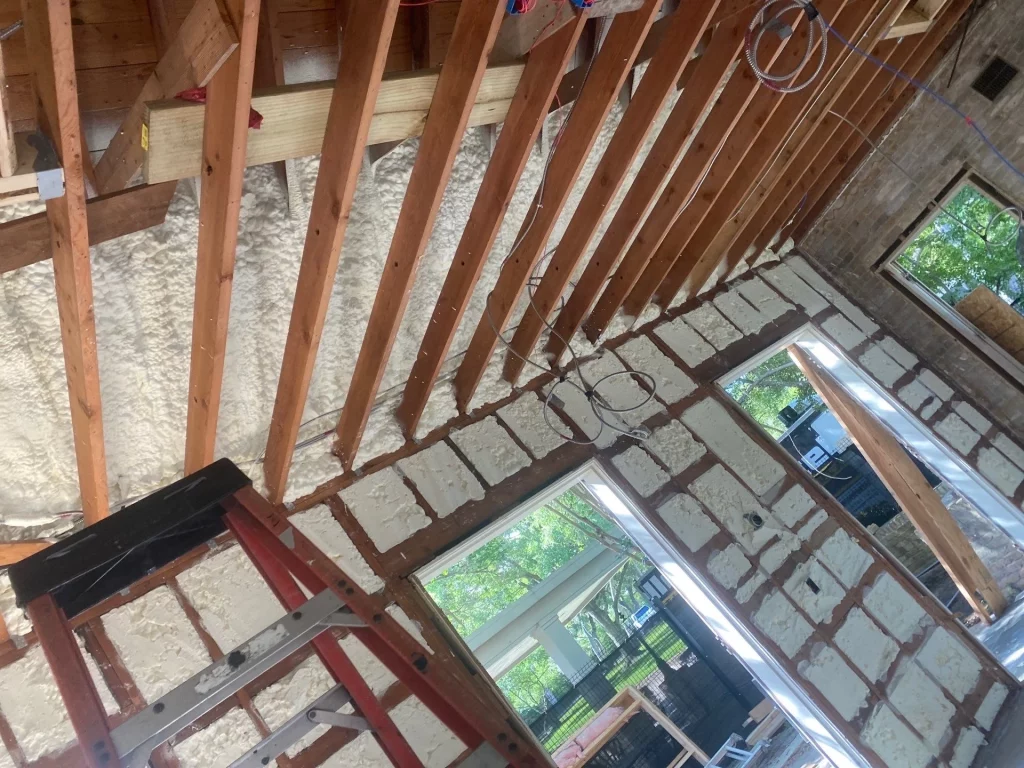
Spray foam in Austin creates an air-tight seal that prevents the exchange of indoor and outdoor air. This matters enormously in Austin because your AC system works harder whenever hot, humid air infiltrates your home. According to the U.S. Department of Energy, proper air sealing can reduce cooling costs by up to 20% before even considering insulation values.
The material’s moisture resistance also helps prevent mold growth, a common issue in Austin’s humid environment. This dual function of thermal protection and moisture control makes spray foam particularly suited to Central Texas homes.
Cost Comparison: Spray Foam vs Traditional Insulation
Understanding the financial investment requires looking at both upfront costs and long-term savings. The table below compares typical costs for a 2,000 square foot Austin home:
Here are a few ways to rewrite the table using qualitative descriptors and relative rankings instead of specific currency amounts.
Option 1: Descriptive Comparison
This option uses words to describe the relative cost and performance of each option.
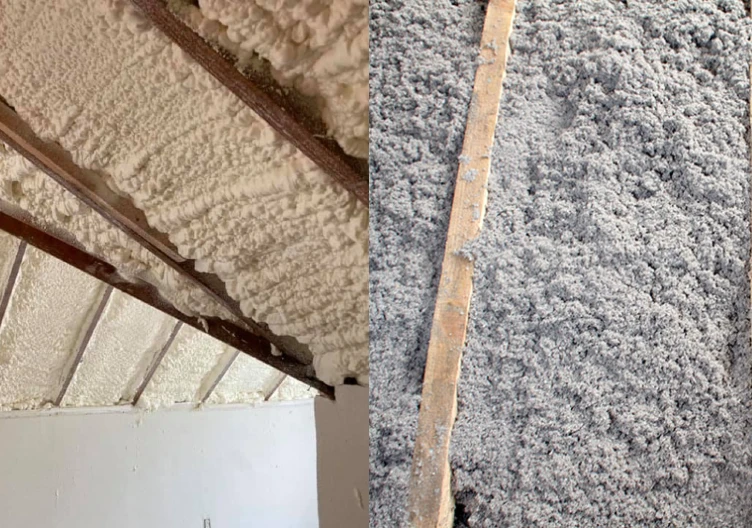
| Insulation Type | Material Expense | Installation Expense | Total Initial Investment | Energy Savings Potential | Return on Investment Speed |
|---|---|---|---|---|---|
| Fiberglass Batt | Very Low | Low | Lowest | Basic | Fastest |
| Cellulose | Low | Low to Moderate | Low | Moderate | Fast |
| Open-cell Spray Foam | High | High | High | Excellent | Moderate |
| Closed-cell Spray Foam | Very High | Very High | Highest | Superior | Long-term |
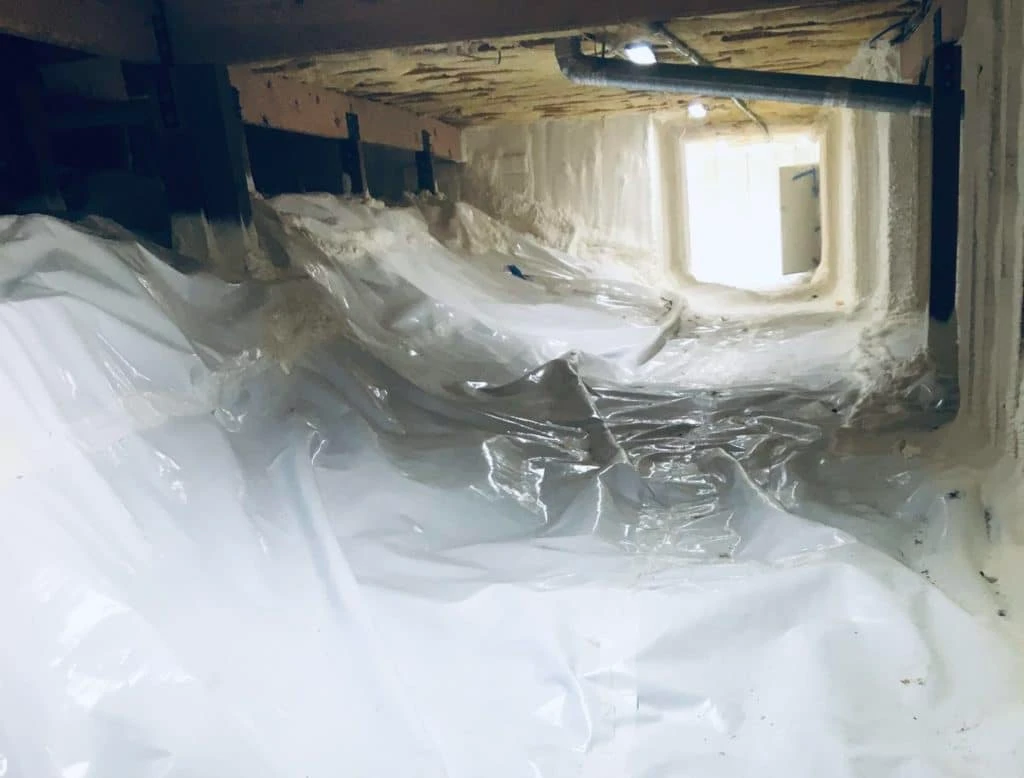
Bonus Tip: Many Austin homeowners choose hybrid solutions – closed-cell foam in moisture-prone areas like crawl spaces and rim joists, with open-cell foam in attics and walls to balance cost and performance.
Calculating Your Specific ROI
Your actual return depends on several factors unique to your home and energy usage patterns. Austin Energy’s rates and seasonal variations significantly impact calculations.
Start with your current monthly energy bills, averaging summer and winter usage. Austin Energy’s residential rates average about 11.5 cents per kilowatt-hour as of 2024.
Spray foam typically reduces air conditioning load by 30-40% during peak cooling months. Annually, this creates substantial cumulative savings. Factor in Austin Energy’s available rebates for energy efficiency improvements Austin Energy.
Things to Consider Before Making a Decision
Home Age and Construction matters more than many realize. Older Austin homes (pre-1980) often have more air leakage and less effective existing insulation, making spray foam upgrades more dramatic in their impact. New construction allows for optimal application techniques and better integration with building systems.
Your AC System’s Efficiency affects ROI calculations. If you’re running an older, inefficient air conditioner, spray foam’s air sealing benefits will be more pronounced. However, if you plan to upgrade to a high-efficiency HVAC system soon, you might want to coordinate these projects.
Local Building Requirements in Austin and surrounding jurisdictions may influence your insulation choices. Some areas have specific requirements for vapor barriers or insulation R-values that spray foam must meet. Always verify compliance with local building codes.
Making Your Decision
Spray foam insulation offers substantial energy savings and solid ROI for most Austin homeowners, particularly those in older homes or with high cooling costs. The key is calculating your specific situation – current energy usage, home construction, and how long you plan to stay in the property.
For Austin’s climate challenges, spray foam’s air sealing and moisture control provide benefits beyond simple thermal insulation. While the upfront investment is significant, the combination of energy savings, improved comfort, and potential HVAC downsizing creates compelling value over time.
Consider getting detailed quotes that include both material and installation costs, plus projected energy savings based on your actual utility bills. A thorough assessment will reveal whether spray foam makes financial sense for your specific Austin home.
Get a Professional Assessment for Your Austin Home
Understanding your home’s specific insulation needs requires professional evaluation. Stellrr Insulation & Spray Foam provides comprehensive energy assessments for Austin homeowners, calculating exact ROI projections based on your home’s characteristics and current energy usage. Contact the team at info@stellrr.com or call (512) 710-2839 to schedule a detailed insulation analysis. The consultation includes measurements of your current insulation levels, air leakage testing, and customized recommendations for Austin’s climate conditions.
Frequently Asked Questions
Does spray foam reduce my AC unit size requirements?
Yes, proper spray foam application often allows for smaller, more efficient HVAC systems. The reduced cooling load means you can typically downsize your AC unit by 0.5-1 ton while maintaining comfort levels.
Are there Austin-specific building code requirements for spray foam?
Austin follows the International Energy Conservation Code with local amendments. Spray foam must meet minimum R-value requirements (R-19 for walls, R-30 for ceilings) and include proper ignition barriers per local fire codes.
How does spray foam handle Austin’s termite issues?
Closed-cell foam provides some resistance to moisture but does not prevent termites. Installers leave inspection gaps around foundation areas to allow for termite inspections as required by Texas pest control regulations.
Is spray foam worth it for homes with good existing insulation?
If your home already has modern insulation and good air sealing, the ROI calculation changes. Spray foam might still be worthwhile in specific problem areas like bonus rooms over garages or sun-drenched west-facing walls.
Sources
- U.S. Department of Energy – Federal agency providing energy efficiency information and air sealing guidance for homeowners
- Austin Energy – Austin’s municipal utility offering current rebate programs and energy efficiency resources for local homeowners
- Building Science Corporation – Research organization providing studies on insulation performance and building envelope systems