
Spray foam insulation in Elgin, TX provides superior thermal resistance and air sealing compared to traditional materials, but it introduces specific fire safety risks that require careful management. While the material offers significant energy savings, particularly in the extreme Texas heat, it is a petroleum-based product that can burn rapidly if exposed to flame without proper protective barriers. Homeowners must balance the high performance of insulation with strict fire-safety code requirements. Stelller has observed that proper installation and the integration of ignition barriers are the deciding factors between a safe home and a hazardous environment in the Elgin area.
How Spray Foam Reacts to Fire
Spray foam insulation is essentially plastic. Like many plastics, it is derived from petrochemicals. When exposed to high heat or an open flame, it will melt, burn, and potentially contribute to the rapid spread of a fire. The concern is not just that the foam burns, but that it burns quickly and produces thick, black smoke.
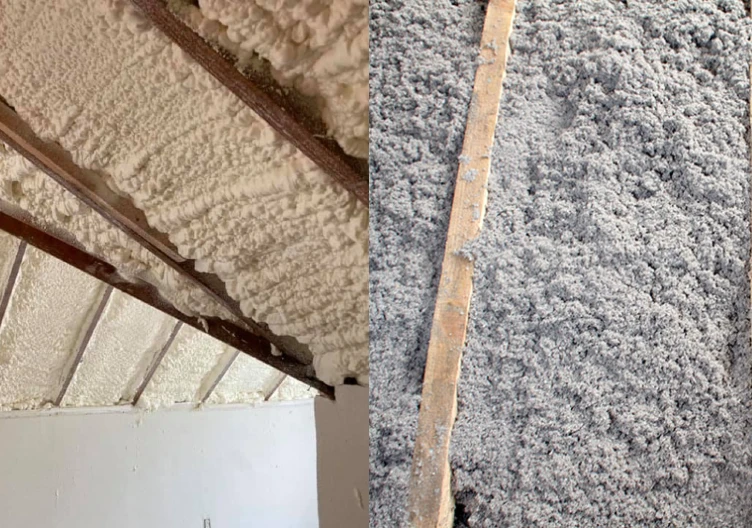
There are two main types of spray foam: open cell and closed cell. Closed cell foam is denser and expands less. It often has a higher flame spread rating than open cell, meaning fire might move across its surface slightly slower in a controlled test. However, both types require a thermal barrier to meet building codes.
The most commonly referenced testing standard is ASTM E84, which measures surface burning characteristics. This test looks at how fast the flame spreads and how much smoke is produced. To pass code for interior use, spray foam typically requires a protective covering, such as drywall, to separate it from the living space.
The Energy Efficiency Advantage
The primary reason homeowners choose spray foam in Elgin is the energy savings. Central Texas summers are brutal, with temperatures regularly exceeding 100 degrees. Traditional insulation, like fiberglass, allows air to pass through gaps and around studs. This forces air conditioners to work overtime to combat the heat gain.
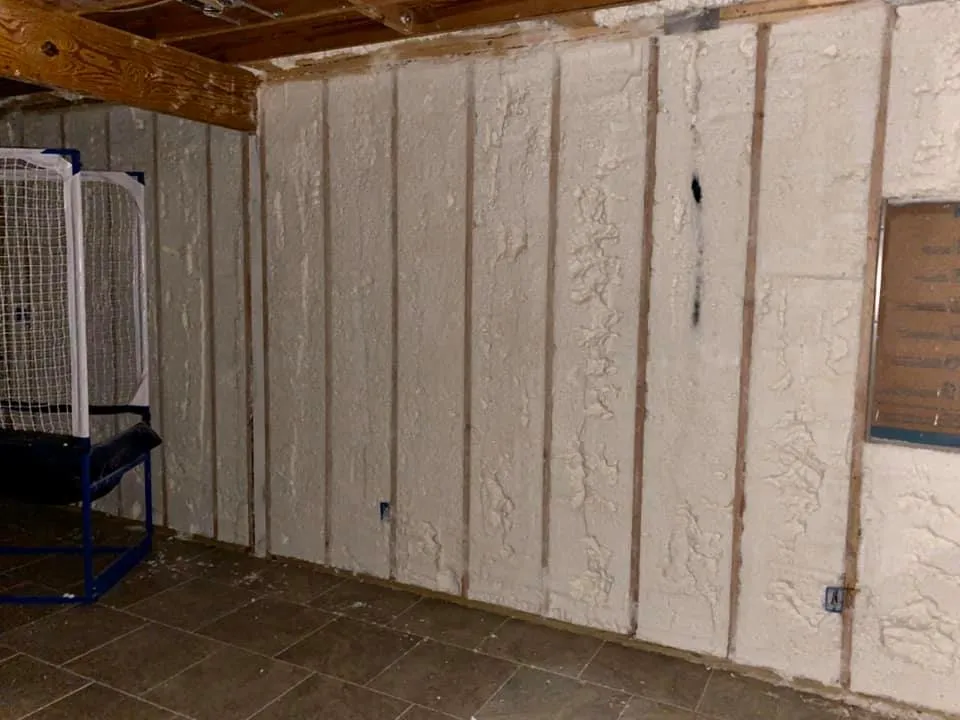
Spray foam expands to fill every crack, crevice, and void. This creates an airtight seal that prevents conditioned air from escaping and hot, humid air from entering. A report from the U.S. Department of Energy states that air sealing alone can save a homeowner up to 15% on heating and cooling costs.
In the Elgin climate, humidity control is almost as important as temperature control. Because spray foam stops air movement, it also stops moisture-laden air from penetrating the building envelope. This reduces the load on HVAC systems and helps maintain consistent indoor comfort levels.
Comparative Analysis of Foam Types
Understanding the differences between foam types helps in making an informed decision regarding both performance and safety profiles.
| Feature | Open Cell Foam | Closed Cell Foam |
|---|---|---|
| Density | Low (0.5 lbs/ft³) | High (2.0+ lbs/ft³) |
| Expansion | Expands significantly (up to 100x) | Expands moderately (30x-40x) |
| Air Barrier | Yes | Yes |
| Moisture Barrier | Vapor permeable (breathes) | Vapor impermeable (stops water) |
| Fire Retardant | Yes (intrinsic) | Yes (intrinsic) |
| Best Application | Interior walls, attics (vented) | Exposed areas, foundations, and metal buildings |
Regional Climate and Installation Standards
Elgin, TX, sits in a humid subtropical zone. This means the insulation must handle high heat loads and significant humidity. In the summer, attic temperatures can reach 150 degrees or more. This extreme heat puts the chemical stability of all building materials, including spray foam, under pressure.
Local building codes in Bastrop County and surrounding areas follow the International Residential Code (IRC) with specific amendments. One critical local requirement involves the separation of the foam from the living space. If the foam is installed in an attic, a thermal barrier is usually required if the attic is accessible.
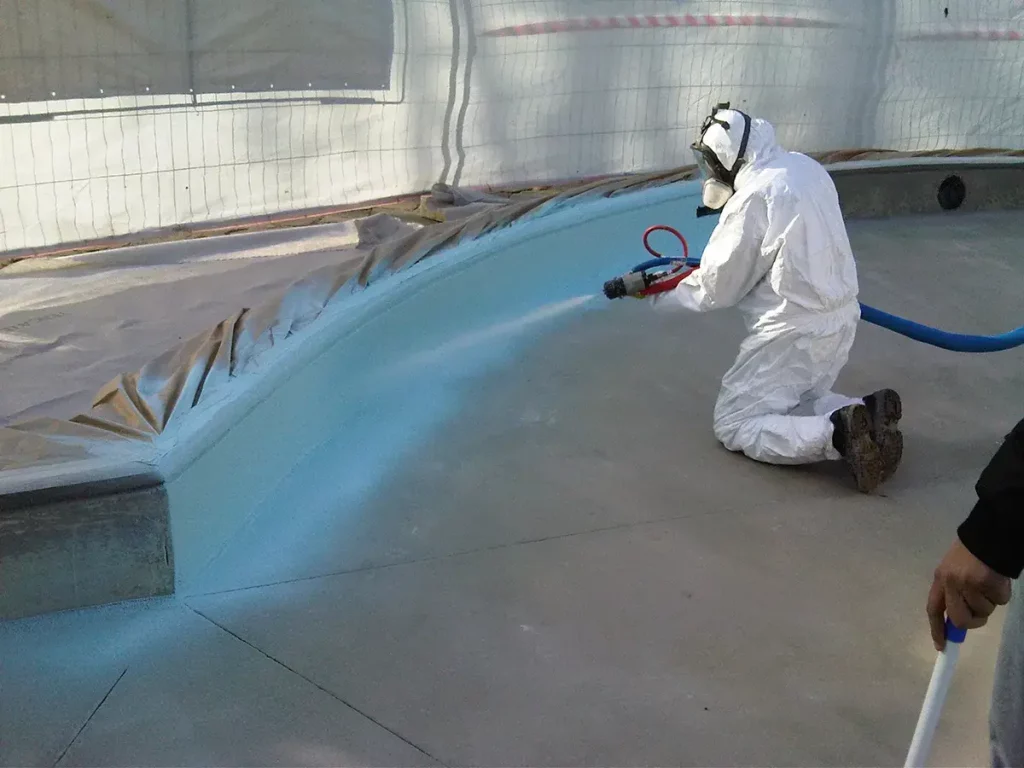
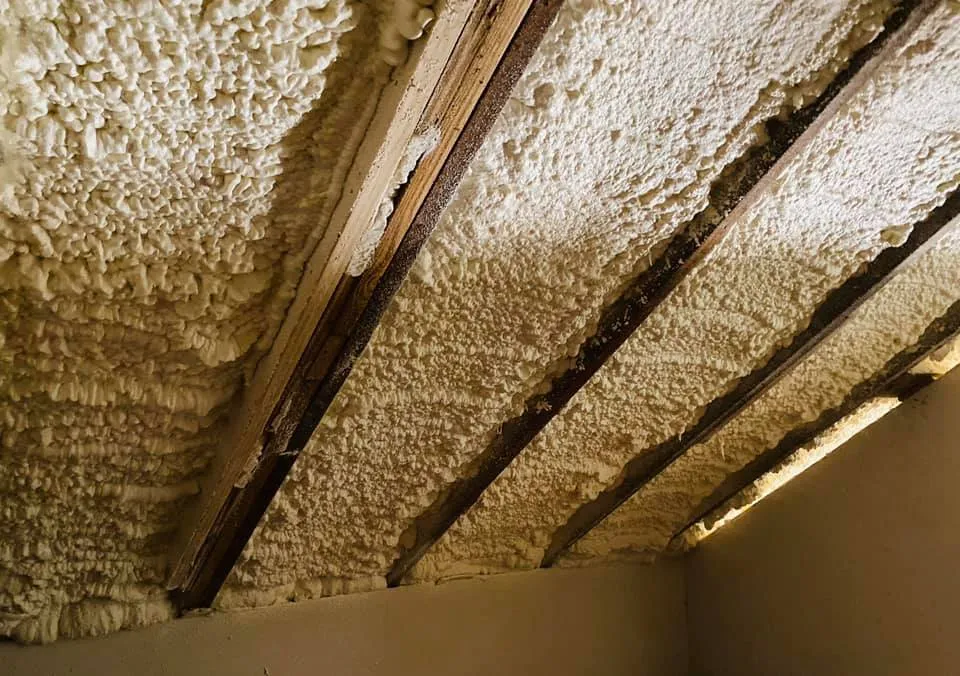
In many cases, homeowners opt for a “cathedralized” or conditioned attic where the insulation is applied directly to the roof deck. This method places the HVAC ductwork inside the conditioned envelope. While highly efficient, it requires strict attention to fire safety because the foam remains exposed on the roof deck. An ignition barrier, such as a specialized intumescent coating, is often applied directly to the foam in these scenarios to meet safety standards without adding the weight of drywall.
Fire Safety Risks and Mitigation
The primary risk associated with spray foam is the potential for rapid fire spread during the insulation installation phase and immediately after if the foam is left unprotected. Wet foam is highly flammable until it cures completely. Once cured, it is less flammable but still requires protection.
Recessed lighting fixtures pose a specific hazard. Older “can” lights generate significant heat. If spray foam is applied directly over a non-IC-rated light, the heat buildup can cause the foam to degrade, char, or ignite. Modern IC-rated fixtures are designed for direct contact, but clearance must still be verified.
According to the Spray Polyurethane Foam Alliance, proper training is essential to manage these risks. Installers must understand clearance requirements for electrical fixtures, chimneys, and flue pipes to ensure the foam does not create a fire bridge or trap heat where it does not belong.
Things to Consider Before Making a Decision
Before choosing spray foam, homeowners should evaluate the following factors to ensure safety and compliance.
- Ignition vs. Thermal Barriers: Understand the difference. A thermal barrier, like half-inch drywall, protects the foam from fire for 15 minutes. An ignition barrier protects the foam from accidental sparks, usually in attics or crawl spaces that are hard to access.
- Electrical Upgrades: Check all recessed lights. If they are not IC-rated, they must be replaced or boxed out to prevent contact with the foam.
- Code Compliance: Verify that the selected product has the required ICC-ES reports for the intended application. Not all foams are approved for all uses.
- Installer Certification: Ensure the installation team holds relevant certifications from organizations like the Spray Polyurethane Foam Alliance. Proper application affects both fire safety and long-term performance.
Bonus Tips for Safer Installation
- Battery-Powered Smoke Detectors: Install battery-powered smoke detectors in the attic space during installation to provide immediate warning if the curing foam generates excessive heat or smoke, a rare but possible occurrence known as exothermic reaction.
- Wiring Inspection: Have a licensed electrician inspect the wiring before foaming. Old wiring with brittle insulation should be evaluated, as the foam can trap heat around damaged wires.
- Ventilation: Ensure the work area is well-ventilated during and after installation to disperse fumes and manage the heat generated during the curing process.
Final Thoughts
Spray foam insulation offers a compelling solution for energy efficiency in the hot Elgin climate, but it is not a set-it-and-forget-it product. The fire risks are real and manageable through the use of thermal barriers, proper clearance around heat sources, and professional installation. Homeowners should prioritize safety features like ignition barriers and upgraded lighting fixtures just as much as the insulation’s R-value. Evaluating the specific needs of the building envelope and the installer’s capabilities will ensure the home remains comfortable and safe.
Contact Stelller
For homeowners in Elgin needing a professional assessment of their insulation options, expert guidance is available. Stellrr Insulation & Spray Foam provides detailed evaluations to help determine the safest and most effective insulation strategy for your specific property. Reach out to the team at info@stellrr.com or call (512) 710-2839 to discuss your project.
Frequently Asked Questions
Is spray foam insulation more flammable than fiberglass?
Yes, fiberglass is made of glass and does not burn. Spray foam is a plastic product and will burn if exposed to flame, which is why building codes require it to be covered by a thermal barrier like drywall.
Does spray foam off-gas after installation?
The foam may have a smell for a few days after installation while it fully cures. Once cured, it is inert and should not release odors or chemicals into the home. The International Association of Certified Home Inspectors notes that proper curing is essential to avoid lingering odors.
Can spray foam cause electrical fires?
Improperly installed foam around electrical fixtures can cause fires. Installers must maintain proper clearance around non-IC-rated lights and junction boxes. When installed correctly, spray foam does not pose a risk to electrical systems.
Do I need a fire barrier in my crawl space?
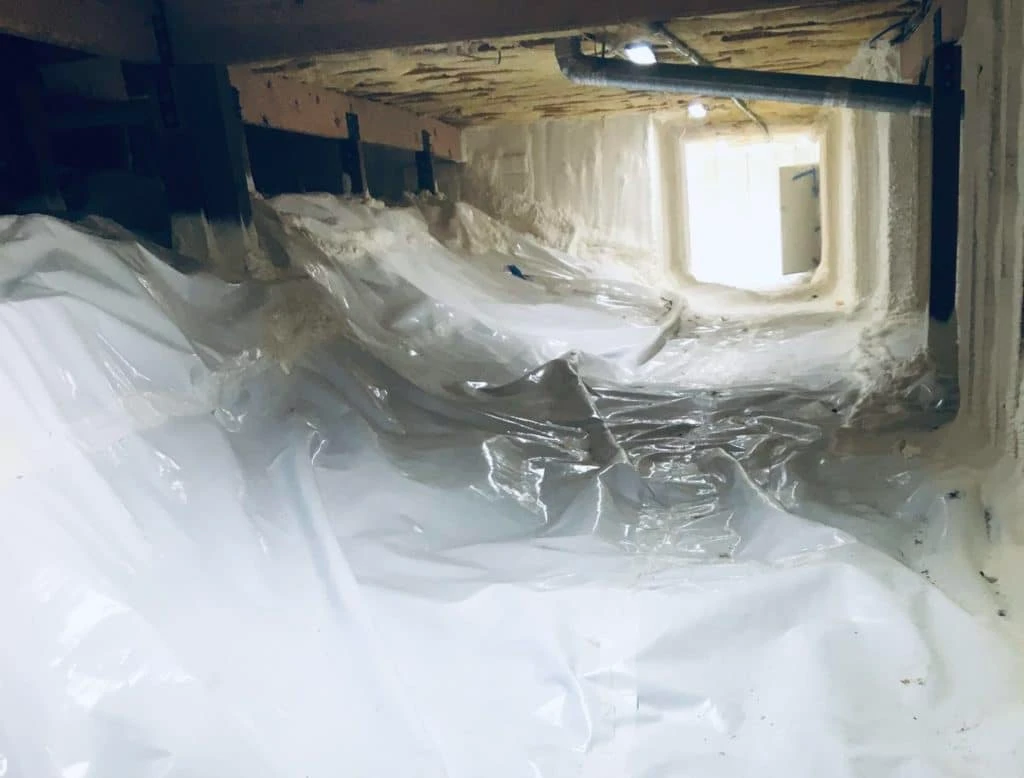
Yes, accessible crawl spaces typically require an ignition barrier or a thermal barrier. The specific requirement depends on whether the space is used for storage or utilities and local code interpretations. Often, an ignition barrier coating is accepted in these areas.
Will spray foam make my house too tight?
Spray foam makes a house very airtight. While this is great for efficiency, it requires proper ventilation systems to ensure fresh air exchange. Modern building codes address this by requiring mechanical ventilation in tightly sealed homes.
Sources
- U.S. Department of Energy – Official resource on energy efficiency and savings, providing data on air sealing and insulation performance.
- Spray Polyurethane Foam Alliance – The national trade association for the spray foam industry, offering technical data and safety guidelines.
- International Association of Certified Home Inspectors – A leading association for home inspectors providing educational resources on building materials and safety standards.