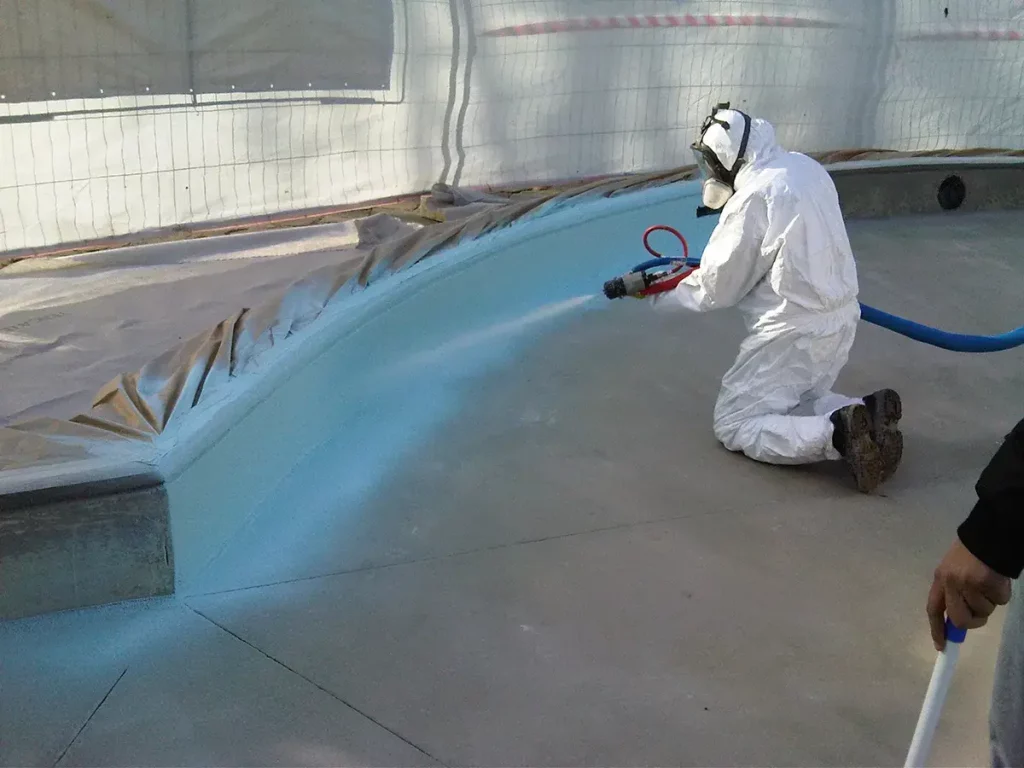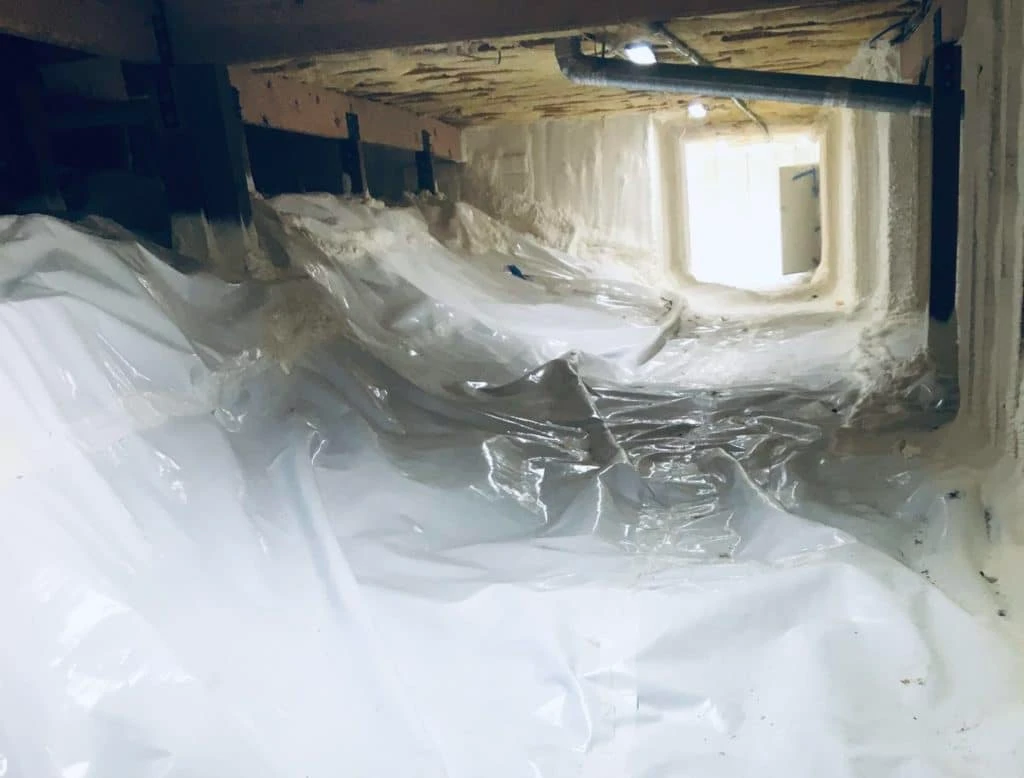

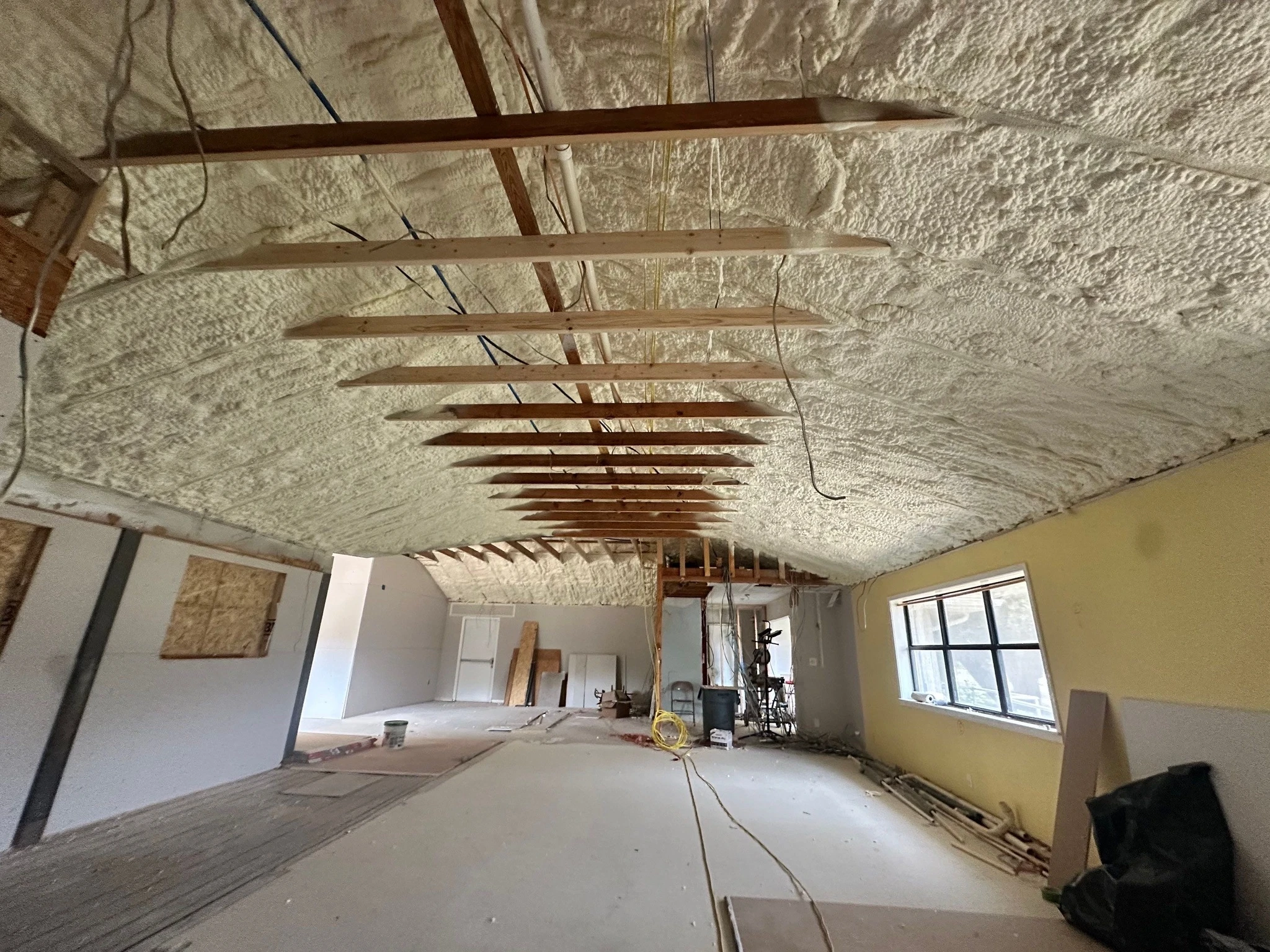
Spray foam insulation can be highly suitable for high-humidity commercial facilities when specified and installed correctly. Closed-cell spray foam, in particular, creates an air-impermeable barrier that prevents moisture infiltration and controls condensation, making it an excellent choice for environments like warehouses, food processing plants, and commercial kitchens where humidity levels consistently exceed 60%. The material’s ability to act as both insulation and a vapor barrier reduces the risk of mold growth and structural deterioration, which are common concerns in humid commercial spaces. This article explains the technical considerations, benefits, and potential drawbacks of using spray foam in these demanding environments.
How Spray Foam Performs in High-Humidity Conditions
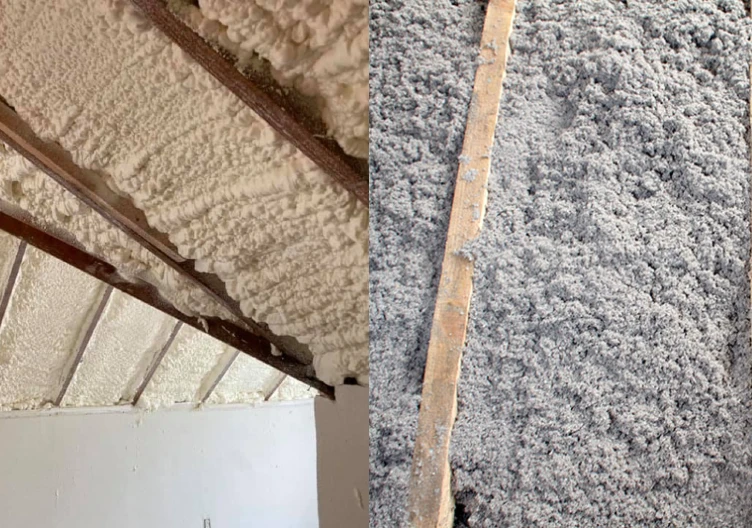
Spray foam insulation comes in two primary varieties, each with distinct properties that affect performance in humid environments. Closed-cell spray foam has a closed-cell structure that makes it dense and moisture-resistant, with R-values typically between 6.5 and 7.0 per inch. Open-cell spray foam features a more flexible, semi-permeable structure with R-values around 3.5 to 4.0 per inch. For commercial facilities in humid climates, closed-cell foam generally offers superior performance because it blocks both moisture vapor and air movement simultaneously.
The moisture management capabilities of spray foam make it particularly valuable in commercial applications. Research from the U.S. Environmental Protection Agency shows that controlling moisture infiltration is critical for preventing mold growth in commercial buildings. Spray foam’s ability to seal gaps and cracks eliminates pathways for humid air to enter building assemblies, reducing condensation risk within wall and roof cavities.
Regional Climate Considerations
Commercial facilities in coastal regions or tropical climates face unique humidity challenges that spray foam can help address. The Gulf Coast region, for instance, experiences average relative humidity levels above 75% during summer months, creating significant moisture management challenges for building envelopes. Facilities in these areas benefit from spray foam’s superior air sealing properties, which reduce the load on HVAC systems and prevent moisture-related issues.
In the Southeast United States, commercial buildings typically consume 15-20% more energy for humidity control compared to those in drier climates. Data from the U.S. Department of Energy indicates that proper insulation and air sealing can reduce these energy costs significantly, making spray foam an economically attractive option despite higher upfront costs.
Comparison of Spray Foam Types for Commercial Applications
| Property | Closed-Cell Spray Foam | Open-Cell Spray Foam |
|---|---|---|
| R-Value per Inch | 6.5-7.0 | 3.5-4.0 |
| Vapor Permeability | <1 perm (Class II vapor barrier) | 20-30 perms (permeable) |
| Moisture Resistance | Excellent | Good, but can absorb water |
| Air Sealing | Superior | Very Good |
| Recommended Use | High humidity, below-grade, metal buildings | Interior applications, dry climates |
Bonus Tip: For commercial facilities with both interior and exterior insulation needs, Stellrr Insulation & Spray Foam often recommends a hybrid approach using closed-cell foam for exterior applications and open-cell foam for interior walls where vapor permeability is beneficial.
Installation Requirements for Humid Environments
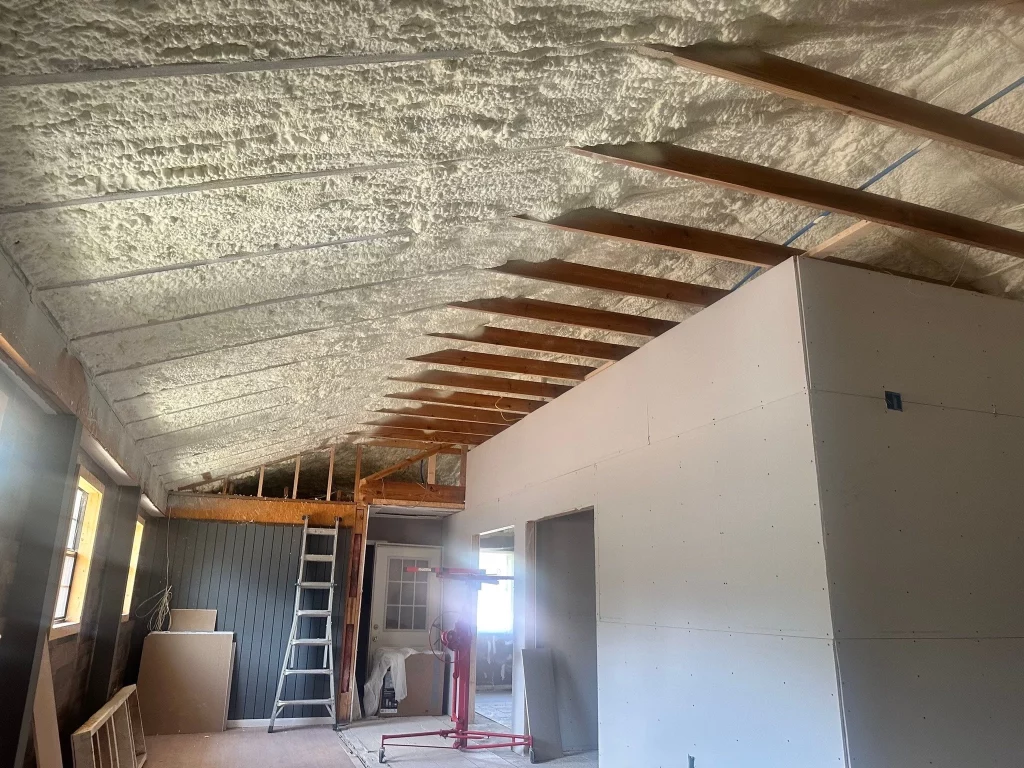
Proper installation becomes even more critical in high-humidity commercial facilities. Spray foam must be applied to clean, dry surfaces at the correct temperature and humidity levels to achieve optimal performance. Installers should maintain substrate temperatures between 60-80 degrees Fahrenheit and relative humidity below 85% during application to ensure proper curing and adhesion Building Science Corporation.
The thickness of commercial insulation application directly affects its moisture control capabilities. For most commercial applications in humid climates, a minimum of 2 inches of closed-cell foam provides adequate vapor barrier protection. Thicker applications increase both R-value and moisture resistance, but also raise costs and may require specialized application techniques for large commercial spaces.
Bonus Tip: In metal commercial buildings common in humid regions, apply spray foam directly to the interior metal surfaces to prevent condensation that can cause corrosion and dripping inside the facility.
Things to Consider Before Making a Decision
Building owners and facility managers should evaluate several factors before choosing spray foam for high-humidity commercial applications:
Building Usage and Occupancy Requirements determine the appropriate insulation strategy. Food processing facilities, pharmaceutical manufacturing, and data centers have stricter humidity control needs than warehouses or retail spaces. Each application type may require different foam specifications and installation approaches.
Budget Considerations play a significant role in material selection. While spray foam typically costs 3-5 times more than traditional insulation, the long-term energy savings and reduced maintenance costs often provide a favorable return on investment. Commercial facilities should calculate lifecycle costs rather than focusing solely on initial expenses.
Existing Building Conditions affect installation feasibility. Retrofitting spray foam into existing commercial buildings requires careful assessment of current moisture problems, structural integrity, and ventilation systems. Addressing underlying issues before insulation prevents trapping moisture within the building assembly.
Local Building Codes specify requirements for vapor barriers and insulation levels that vary by region. Commercial facilities must comply with both the International Building Code requirements and any local amendments that address climate-specific concerns.
Final Considerations
Spray foam insulation offers compelling benefits for commercial facilities operating in high-humidity environments, particularly when proper material selection and installation practices are followed. The combination of high R-values, air sealing, and moisture resistance addresses the core challenges faced by buildings in humid climates. Success depends on matching the foam type to the specific application, ensuring professional installation, and integrating the insulation system with appropriate HVAC and ventilation strategies. Commercial facility managers should evaluate their building’s unique requirements, climate conditions, and budget constraints when determining if spray foam is the right solution for their humidity control needs.
Get a Professional Assessment for Your Commercial Facility
Determining whether spray foam insulation meets your commercial facility’s humidity control needs requires professional evaluation of your specific building conditions and requirements. Stellrr offers comprehensive assessments that consider climate factors, building usage, and budget constraints. Contact Stellrr Insulation & Spray Foam at info@stellrr.com or call (512) 710-2839 to schedule a consultation and receive detailed recommendations for your commercial insulation project. The team provides technical expertise and practical solutions based on extensive experience with commercial installations in challenging humidity environments.
Frequently Asked Questions
Does spray foam prevent mold growth in commercial buildings?
Spray foam itself resists mold growth and, when properly installed, prevents moisture accumulation that leads to mold. However, it cannot prevent mold caused by plumbing leaks or other internal moisture sources. Proper installation includes addressing existing moisture problems before applying foam insulation.
Will spray foam completely eliminate humidity problems?
No. Spray foam controls moisture infiltration through the building envelope but doesn’t address internal humidity sources. Commercial facilities still need proper HVAC systems and ventilation to manage moisture generated by occupants, processes, and equipment.
How does spray foam affect commercial HVAC systems?
Properly installed spray foam reduces HVAC load by eliminating air leakage and moisture infiltration. Commercial facilities often see a 20-30% reduction in HVAC energy costs. However, buildings must maintain adequate ventilation to ensure indoor air quality, as spray foam makes buildings very airtight.
Can spray foam be used in all types of commercial construction?
Spray foam works well in most commercial construction types, including steel buildings, concrete structures, and wood frame facilities. However, certain applications, like historic buildings or facilities with special fire requirements, may need alternative solutions or additional fire barriers.
How thick should spray foam be for optimal humidity control?
For commercial facilities in humid climates, 2-3 inches of closed-cell spray foam provides adequate vapor barrier protection for most applications. Additional thickness increases R-value but doesn’t significantly improve moisture control beyond the minimum vapor barrier thickness.
Sources
- U.S. Environmental Protection Agency – EPA guidelines on mold prevention and moisture control in commercial buildings
- U.S. Department of Energy – DOE resources on commercial building energy efficiency and insulation requirements
- Building Science Corporation – Research organization providing building science research and guidance on building envelope performance