
High-performance spray foam turns an uncomfortable house into a stable environment by sealing the building envelope against air leaks and moisture. This material expands into gaps and cracks that traditional residential spray foam misses, creating a barrier that stops drafts and keeps indoor temperatures consistent from floor to ceiling. By blocking the entry of pollen, dust, and outdoor noise, spray foam helps create a quieter and cleaner living space.
Understanding the mechanics of air infiltration and thermal resistance is essential for any property owner looking to improve their home. This guide explains how different types of foam work, where they offer the most significant benefit, and what factors influence a building’s long-term comfort. Stellrr Insulation & Spray Foam provides these observations based on years of evaluating residential building performance.
Stopping Air Infiltration to Eliminate Drafts
Drafts are often the primary cause of discomfort in a home. Most houses lose significant amounts of conditioned air through the attic, crawl space, and around windows or doors. Data from Energy Star suggests that air leakage can account for up to 40% of the energy used to heat or cool a typical home. When air escapes, it creates pressure imbalances that pull outside air in through lower levels or cracks in the foundation.
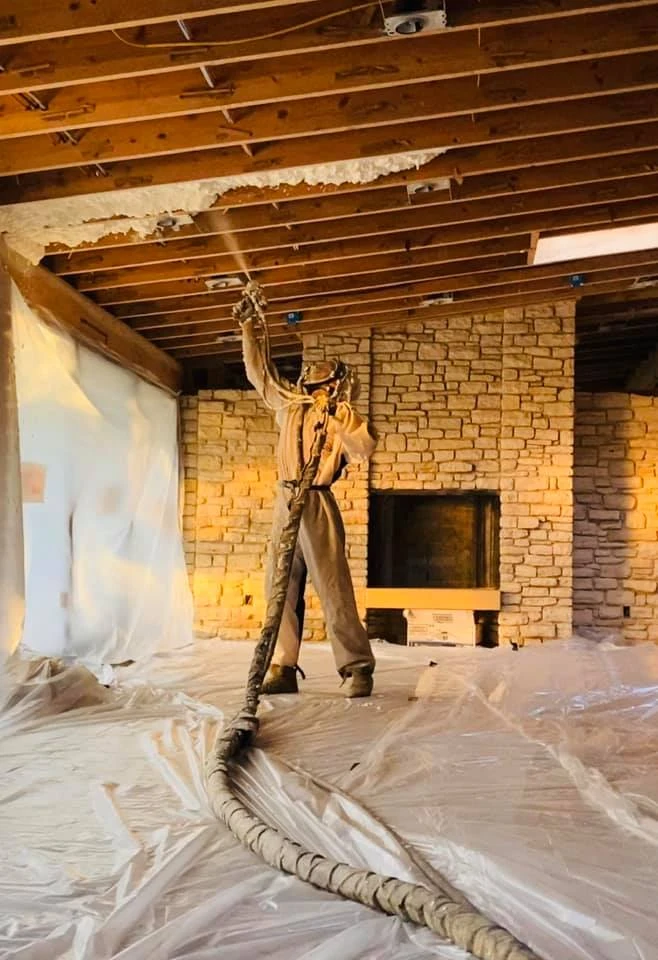
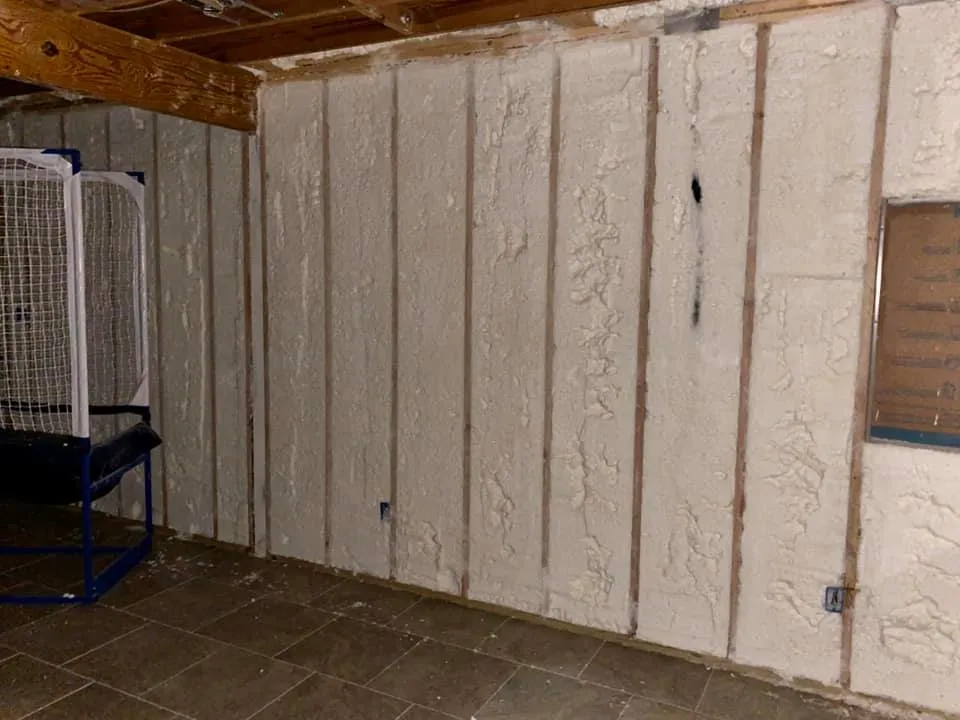
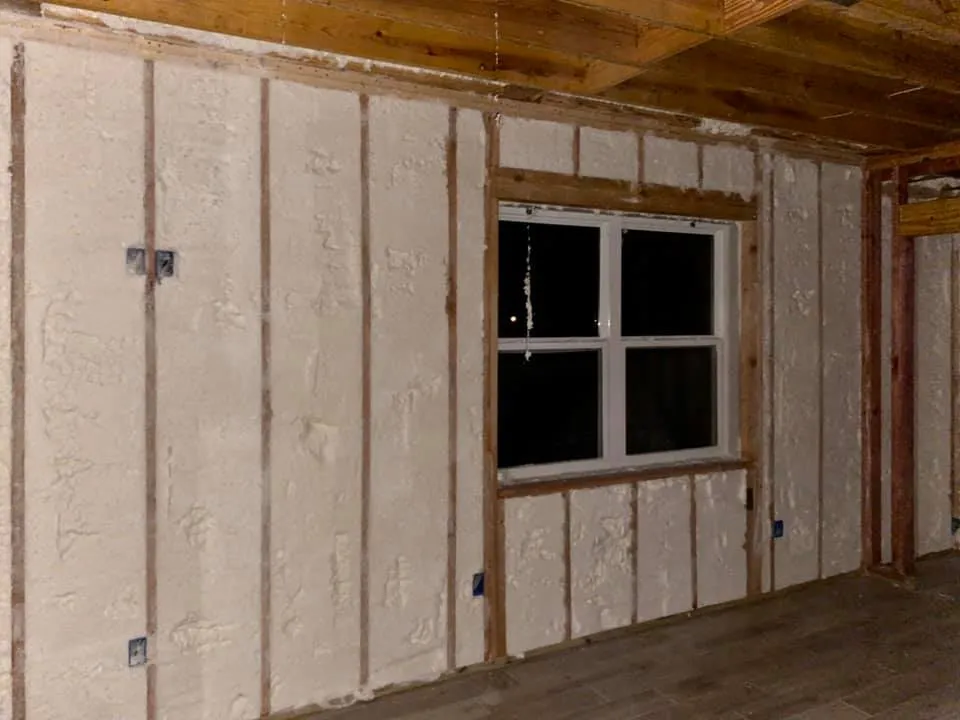
Spray foam addresses this by acting as both insulation and an air sealant. Unlike fiberglass batts or cellulose, which allow air to pass through their fibers, spray foam creates a solid gasket. This seal prevents the “chimney effect” where warm air rises and escapes through the roof while pulling cold air in through the floorboards.
Managing Thermal Consistency with High R-Values
Thermal resistance, measured as R-value, determines how well a material resists heat flow. When a home has poor insulation, the walls and ceilings become hot in the summer and cold in the winter. This results in radiant heat transfer, where a person feels cold even if the thermostat says 70 degrees because the cold walls are pulling heat away from their body.
According to the Department of Energy, proper insulation can save homeowners an average of 15% on heating and cooling costs. Spray foam offers a higher R-value per inch than many traditional materials, enabling better temperature control in thin-wall cavities.
Comparing Spray Foam Varieties
Choosing the right material depends on the structure’s specific needs. The following table highlights the differences between the two primary types of spray foam used in residential applications.
| Feature | Open Cell Spray Foam | Closed Cell Spray Foam |
|---|---|---|
| R-Value per Inch | 3.5 to 3.8 | 6.0 to 7.0 |
| Density | 0.5 lbs per cubic foot | 2.0 lbs per cubic foot |
| Expansion Rate | High (100:1) | Low (30:1) |
| Air Barrier | Yes (at 3.5 inches) | Yes (at 1 inch) |
| Moisture Barrier | No (vapor permeable) | Yes (vapor retarder) |
| Structural Strength | Minimal | Adds rigidity to walls |
Bonus Tip: Use open cell foam in interior walls or floor joists between stories to reduce sound transfer between rooms. Its softer, sponge-like structure absorbs vibrations better than the rigid closed cell version.
Improving Indoor Air Quality and Reducing Noise
A home feels more inviting when the air is fresh and the environment is quiet. Because spray foam seals small gaps, it effectively blocks the entry of outdoor pollutants. Dust, mold spores, and seasonal allergens often enter homes through “bypass” areas in the attic or around plumbing penetrations. By closing these pathways, the HVAC system can filter indoor air more effectively without constant contamination from the outside.
Sound control is another major factor in home comfort. Outdoor noises, such as traffic, lawnmowers, or loud neighbors, can disrupt the peace of a living space. Research from the National Research Council Canada shows that airtight construction significantly reduces the transmission of airborne sound. Spray foam fills the irregular spaces around wires and pipes that often act as “sound leaks,” resulting in a noticeably quieter interior.
Things to Consider Before Making a Decision
Before moving forward with an insulation project, several factors require careful thought. Insulation is a permanent change to the building, so getting the details right early is necessary.
- Existing Ventilation: When a home becomes airtight, it may require mechanical ventilation. A house that is too tight can trap humidity or indoor pollutants if there is no way for fresh air to circulate.
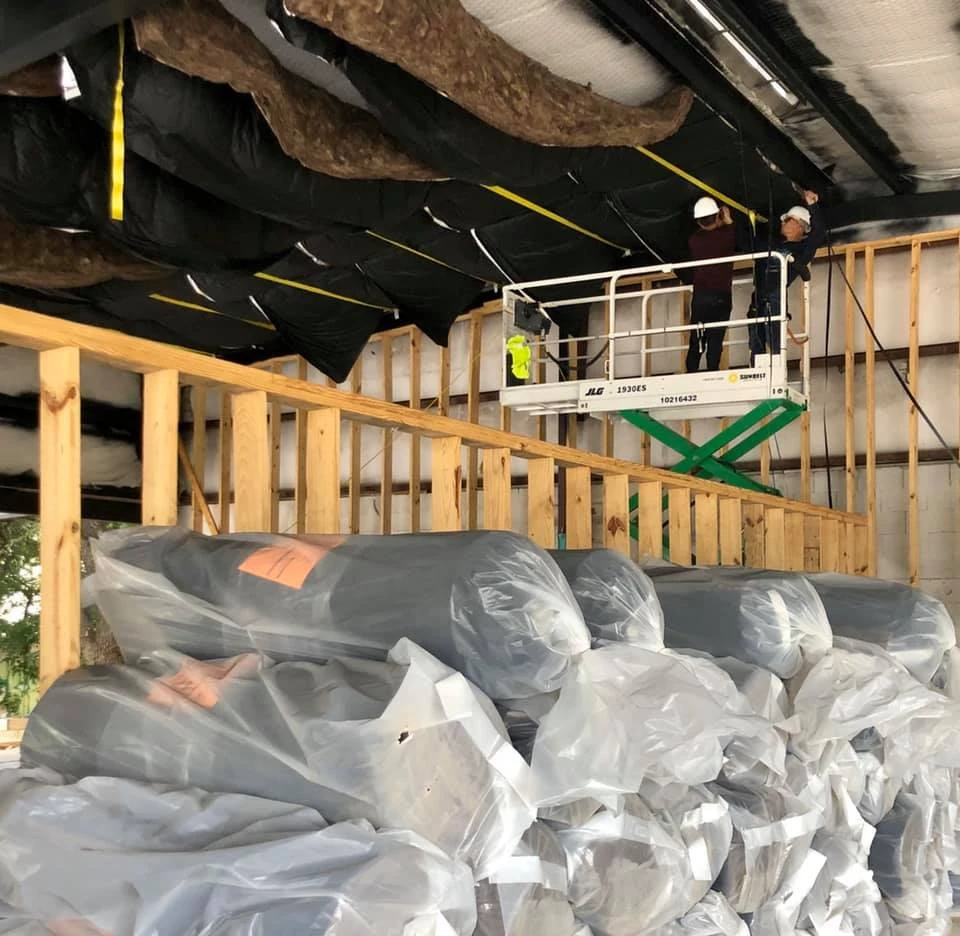
- Access and Preparation: Spray foam requires clear access to the wall cavities or attic floor. Homeowners should plan for the removal of old, dusty insulation before the new foam is applied.
- Budget vs. Long-Term Value: While the initial cost of spray foam is higher than fiberglass or cellulose, the long-term savings on utility bills and increased comfort often justify the investment over time.
- Cure Time: Residents must typically vacate the home for 24 hours while the foam cures. This ensures that any odors or vapors associated with the application process have completely dissipated.
Proper Placement for Maximum Impact
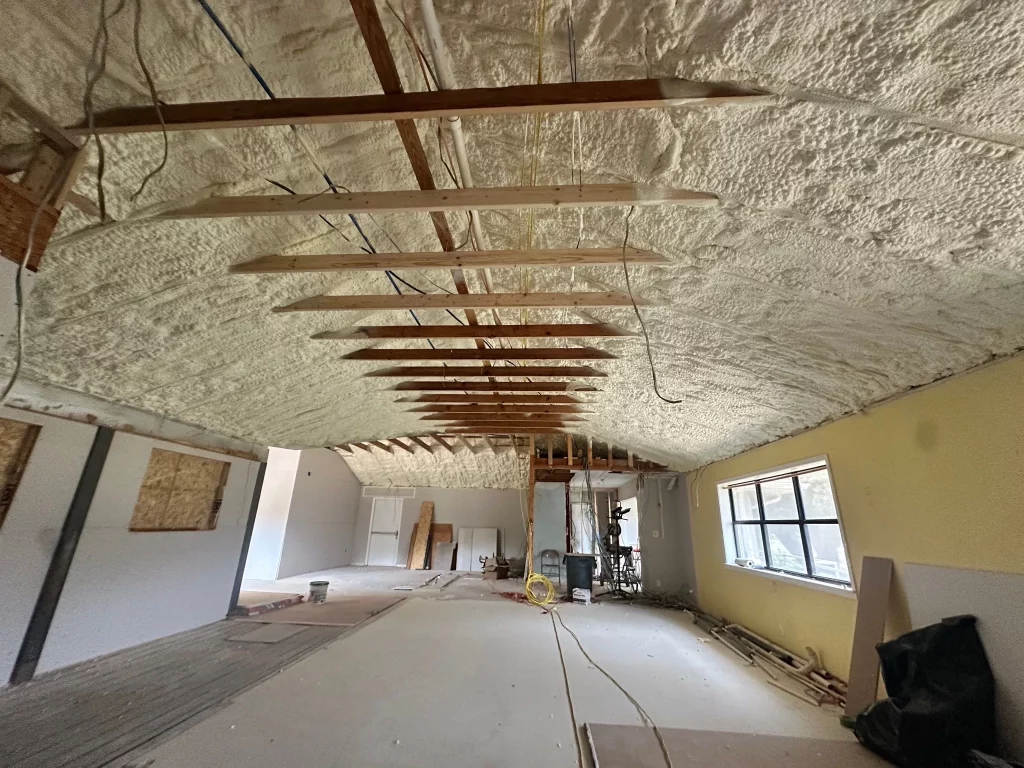
For the best results, focus on the areas where the most heat exchange occurs. The attic is usually the most important zone because heat naturally moves upward. By applying foam to the roof deck instead of the attic floor, the attic becomes a “conditioned” space. This prevents the HVAC equipment and ductwork from sitting in 130-degree heat during the summer, which allows the system to run more efficiently.
Crawl spaces are another high-impact area. Uninsulated crawl spaces allow cold air and moisture to seep up through the floorboards. Using closed cell foam on crawl space walls or the underside of the subfloor can prevent cold feet and protect the home from moisture-related issues like wood rot or mold.
Bonus Tip: When insulating a basement or crawl space, closed cell foam is the better choice because it acts as a moisture barrier, preventing ground moisture from entering the living areas.
Summary of Comfort Benefits
Improving a living space with spray foam solution involves more than just adding insulation. It is a systematic approach to sealing the building envelope. By stopping air leaks, increasing thermal resistance, and reducing noise, property owners create a more stable and pleasant environment. Individuals should evaluate their current energy bills and comfort levels to determine if their home would benefit from a more modern insulation strategy.
Professional Insulation Support
Stellrr Insulation & Spray Foam helps property owners identify the best ways to improve their home environment. For detailed information or to discuss specific building needs, contact info@stellrr.com or call (512) 710-2839. Stellrr Insulation & Spray Foam provides clear, technical guidance to help homeowners make informed decisions about their property’s long-term comfort and efficiency.
Frequently Asked Questions
Does spray foam emit a smell after installation?
When mixed and applied at the correct temperature and pressure, spray foam cures quickly. Any lingering odor usually disappears within 24 hours with proper ventilation. It is essential to follow the manufacturer’s guidelines regarding re-entry times.
Can spray foam help with pest control?
While spray foam is not a pesticide, it creates a physical barrier that discourages pests. Sealing the small cracks that mice or insects use to enter a home makes the structure less accessible to unwanted visitors.
Will spray foam make my house too tight?
Modern building science emphasizes “build tight and ventilate right.” While spray foam makes a home very airtight, which is suitable for energy efficiency, a simple Heat Recovery Ventilator (HRV) or Energy Recovery Ventilator (ERV) can provide controlled fresh air without losing energy.
Is spray foam fire-resistant?
Spray foam used in residential construction contains flame retardants. It must meet specific fire safety standards established by the International Residential Code, which often require a thermal barrier, such as drywall, to be installed over the foam in living areas.
How does spray foam affect the resale value of a home?
Energy-efficient features are increasingly popular with buyers. A home documented as airtight and well-insulated often has lower operating costs, which can be a strong selling point in a competitive real estate market.
Sources
- Energy Star – A program run by the EPA and Department of Energy providing data on home sealing and energy savings.
- National Research Council Canada – A leading research organization providing data on building science and acoustics.