Spray foam insulation is exceptionally durable and often lasts for the lifetime of a building without needing replacement. Unlike traditional materials that settle or degrade, cured spray foam is a stable polymer that resists moisture, mold, and pests. Most manufacturers offer warranties of 80 years or more, indicating a level of permanence that far exceeds that of standard insulation options. This article breaks down exactly what gives spray foam this longevity, what factors can shorten its lifespan, and what property owners should know before investing.
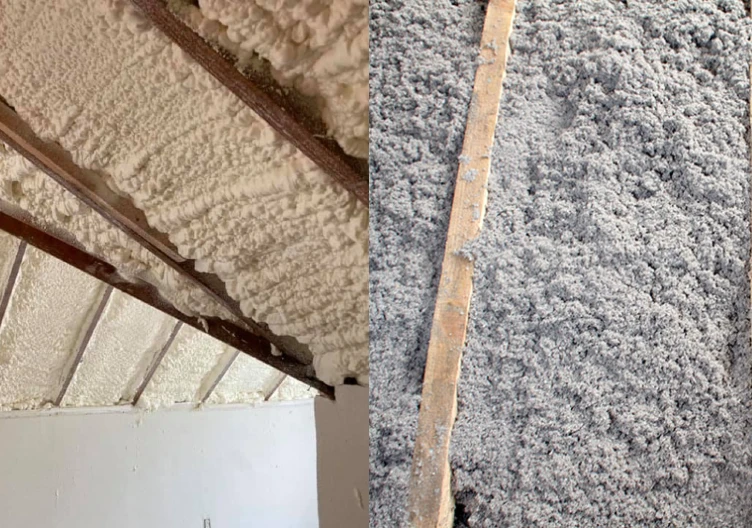
The durability of insulation relies heavily on chemical stability and physical resistance. Fiberglass batts can sag and cellulose can settle over time, creating gaps that compromise energy efficiency. Spray foam, however, expands to fill a cavity and then hardens in place. It adheres to the building materials, creating a permanent seal that does not shift. Stelller has observed that when installed according to the manufacturer’s specifications, this material maintains its R-value and air-sealing properties for decades without significant performance loss.
Why Spray Foam Outlasts Traditional Insulation
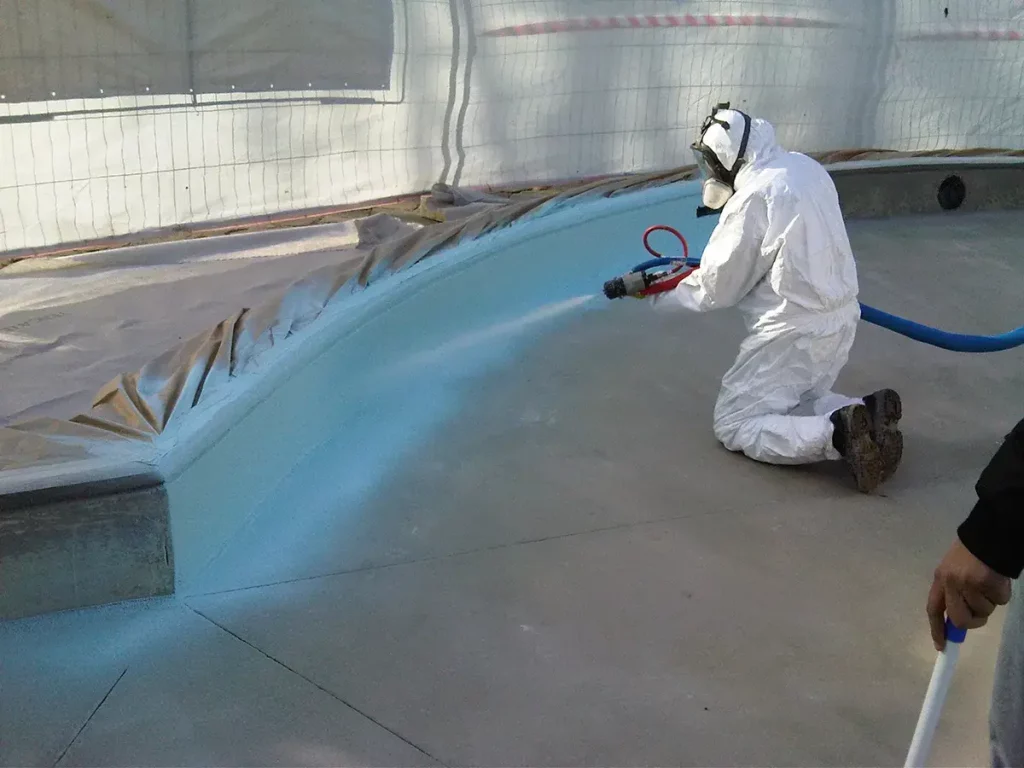
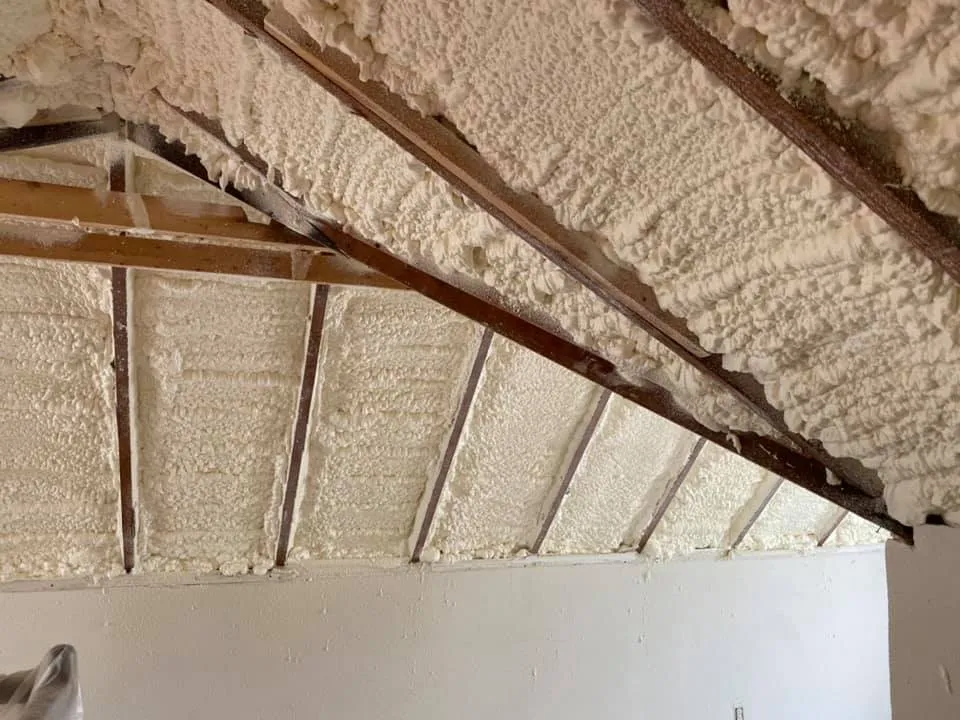
The longevity of spray foam insulation solution comes from its unique application and chemical composition. When the two liquid components mix at the tip of the spray gun, a chemical reaction occurs, causing the material to expand rapidly. This expansion allows it to fill every nook and cranny before hardening into a solid plastic. Once cured, the foam becomes inert. It does not break down chemically, nor does it serve as a food source for mold or pests. According to data from the Spray Polyurethane Foam Alliance, properly installed spray foam insulation is designed to last the life of the building without deterioration, essentially becoming a permanent part of the structure.
Traditional insulation materials suffer from environmental exposure. Fiberglass relies on air pockets within the glass fibers to trap heat. If those fibers get compressed or settle, the R-value drops. Cellulose, made of recycled paper, can absorb moisture if humidity levels rise, leading to compaction and potential rot. Spray foam eliminates these issues entirely. Closed-cell foam, in particular, creates a plastic barrier that is impervious to liquid water and water vapor.
Durability Comparison of Insulation Types
The following table highlights the expected lifespan and maintenance requirements of common insulation materials.
| Insulation Type | Expected Lifespan | Susceptibility to Settling | Moisture Resistance | Maintenance Needs |
|---|---|---|---|---|
| Spray Foam | 80+ Years / Lifetime | None | High (Closed Cell) / Moderate (Open Cell) | None |
| Fiberglass Batts | 10-20 Years | Moderate | Low (absorbs water, loses R-value) | High (check for sagging) |
| Cellulose | 20-30 Years | High | Low (absorbs water, compacts) | Moderate (add more over time) |
| Mineral Wool | 30+ Years | Low to Moderate | High (repels water) | Low |
Bonus Tip: Distinguish Between Cell Types
Not all spray foam is the same. Closed-cell foam is denser and more rigid, acting as both an insulator and a moisture barrier. Open-cell foam is softer and allows water vapor to pass through. While both are durable, closed-cell generally offers superior resistance to physical damage and water intrusion.
Critical Factors Influencing Longevity
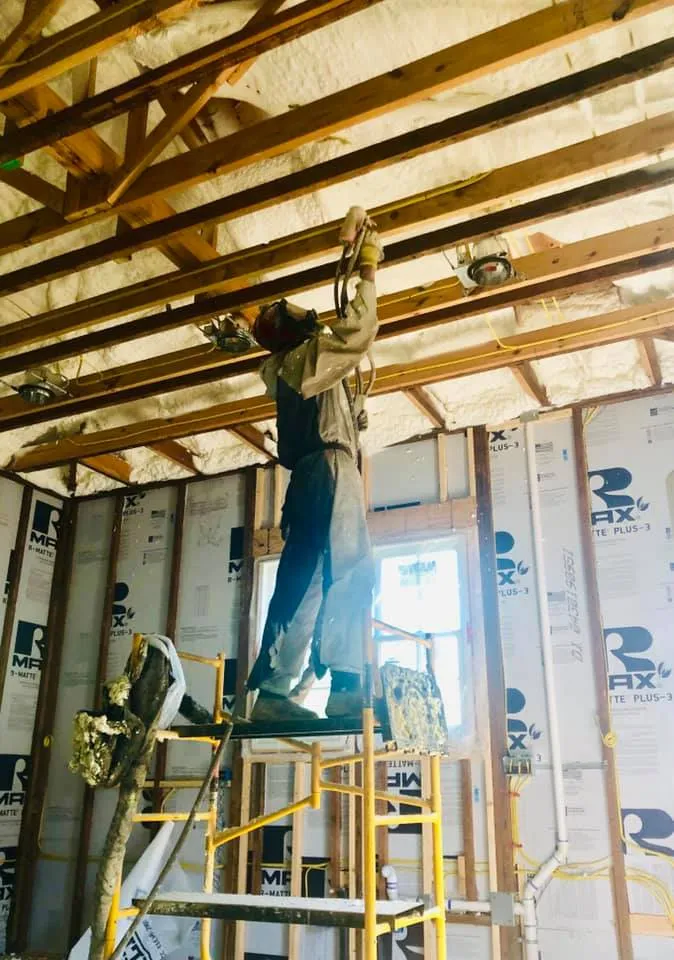
While the material itself is built to last, the installation process determines its actual performance in the real world. The biggest threat to spray foam durability is a poor installation. If the mixing ratio of the two chemical components is off, even slightly, the foam may not cure properly. Under-cured foam can shrink, pull away from studs, or give off unpleasant odors for years. This is why hiring certified professionals is non-negotiable. Stelller ensures that technicians verify temperature and chemical pressure before starting any project to prevent curing errors.
Another major factor is the substrate preparation. Spray foam adheres to wood, concrete, and metal. However, if the surface is dusty, oily, or wet, the bond may fail. Over time, gravity can cause delaminated foam to pull away from the roof deck or walls, creating gaps that render the insulation useless. Proper cleaning and cavity preparation are critical steps that are often rushed.
The environment inside the building also plays a role. Excessive heat buildup in unventilated attics can degrade some materials over time. While high-quality spray foam is rated for high temperatures, extreme conditions can still take a toll. This is why ventilation strategies or specific thermal barriers are sometimes required by building codes to protect the foam in high-heat areas.
Bonus Tip: Check the Age of the Chemicals
Polyurethane chemicals have a shelf life. If a contractor uses materials past their expiration date, the foam may not expand or cure properly. It is within your rights to ask about the age of the materials being used in your project.
Climate and Regional Performance
Regional climates dictate how insulation performs and which type holds up best over time. In hot and humid climates, like that of Central Texas, the vapor drive is significant. Moisture wants to move from the hot, humid exterior into the cool, air-conditioned interior. Closed-cell spray foam is often the preferred choice here because it acts as a vapor barrier, stopping moisture from entering the wall cavity. If moisture gets trapped in a wall assembly with traditional insulation, it can lead to wood rot and structural damage within a few years.
In colder climates, the vapor drive reverses, pushing warm indoor air toward the cold exterior. Here, the spray foam’s air-sealing prevents warm, moist air from escaping and condensing inside the walls. This prevents ice dams and frost accumulation in the attic. The durability of the building structure itself is enhanced because the framing stays dry year-round.
Things to Consider Before Making a Decision
Choosing spray foam requires looking beyond just the R-value. The initial cost is significantly higher than fiberglass or cellulose. However, the long-term value comes from energy savings and the fact that it never needs to be replaced. A report by Energy Star indicates that sealing air leaks with efficient insulation can save homeowners up to 15% on heating and cooling costs, which adds up over decades.
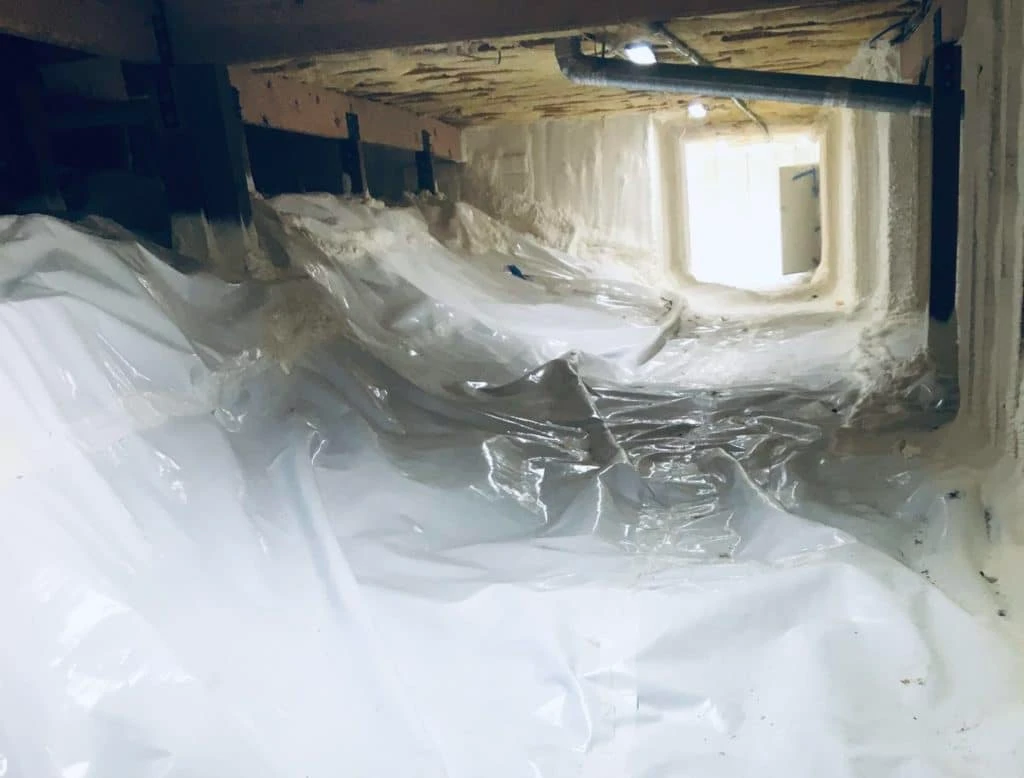
Retrofitting existing homes presents specific challenges. Installing spray foam in an existing wall requires drilling holes through the siding or drywall to inject the foam. This is less invasive than tearing down walls, but it does require patching and painting afterward. For attics and crawlspaces, retrofitting is much easier and highly effective.
Accessibility for future repairs is another consideration. Once a rim joist or wall cavity is filled with foam, it is difficult to run new electrical wires or plumbing pipes through that space. Planning for future access points before the foam goes in is a smart move.
Final Assessment
Spray foam insulation offers a level of durability that traditional materials simply cannot match. Its ability to adhere permanently, resist moisture, and maintain its shape for over 80 years makes it a long-term solution for energy efficiency. The success of the project relies entirely on the quality of the installation and the suitability of the foam type for the specific climate. When these factors are aligned, the investment pays dividends in comfort and savings for decades.
Professional Consultation
Evaluating your specific insulation needs requires a professional assessment of the building structure and local climate factors. For expert guidance on whether spray foam is the right choice for your property, contact Stelller. Reach out via email at info@stellrr.com or call (512) 710-2839 to schedule a comprehensive evaluation and ensure a durable installation.
Frequently Asked Questions
Can spray foam insulation cause roof rot?
Improperly installed foam in unvented attics can trap moisture against the roof deck if air leaks from the living space into the attic. This creates a risk of rot. Proper air sealing at the ceiling plane before insulating prevents this. The Insulation Institute emphasizes the importance of proper air sealing to prevent moisture issues that can compromise durability.
Does spray foam lose its R-value over time?
Unlike fiberglass, which loses R-value when it settles or gets damp, spray foam maintains its R-value over time. The gas inside the bubbles is eventually replaced by air through a process called thermal drift, but this stabilizes after a few years, and the insulation remains highly effective.
Is the smell harmful after installation?
The foam gives off a strong odor during application and for a short time afterward. This is why occupants must vacate the premises during installation and for 24 hours after. Once fully cured, the foam is inert and odorless.
Can old spray foam be removed?
Yes, but it is a difficult and messy process. It usually requires mechanical scraping or grinding. This difficulty is actually a testament to its durability; once it is there, it is there to stay.
Does it require a vapor barrier?
Closed-cell spray foam is a vapor barrier itself, so an additional barrier is not needed. Open-cell spray foam is not a vapor barrier and may require a separate vapor retarder depending on the climate zone and building design.
Bonus Tip: Request a Thermal Imaging Inspection
A few days after the installation is complete, ask for a thermal imaging scan. This camera can reveal any gaps or voids in the insulation that the naked eye might miss, ensuring the installation starts on the right foot and performs to the highest standards.
Sources
- Spray Polyurethane Foam Alliance – The national trade association for the spray foam industry, providing technical data on the lifespan and properties of spray polyurethane foam.
- Energy Star – A U.S. Environmental Protection Agency program providing data on energy efficiency savings and insulation best practices.
- Insulation Institute – An industry resource providing research and information on insulation performance, installation, and building science.