Traditional insulation materials like fiberglass and cellulose remain the standard for most residential retrofits due to low cost and proven reliability. However, 2026 has seen the rise of advanced materials like aerogel blankets and vacuum insulation panels that provide superior thermal resistance in thinner profiles. Choosing between these approaches requires balancing the wall cavity depth, budget constraints, and specific climate needs of the building.
Homeowners today face a wider range of options than ever before. Understanding the technical differences between established methods and emerging technologies ensures that a building envelope performs efficiently for decades. Stelller has evaluated numerous wall systems, confirming that the “best” choice depends heavily on the existing structure rather than a single superior product.
Traditional Wall Insulation Options
Traditional materials continue to dominate the market because they are predictable and affordable. Most builders and contractors know exactly how to install them, and local building codes are written around their performance characteristics.
Fiberglass Batts and Rolls
Fiberglass remains the most common wall insulation in North America. It consists of fine glass fibers spun into batts or rolls. It is non-combustible and generally resists moisture damage when installed correctly. The primary drawback is poor air sealing. If the framing is not straight or the cavity is obstructed, fiberglass leaves gaps that allow air to pass through. Compressing the material to fit around wires or outlets significantly reduces its thermal performance.
Blown-In Cellulose
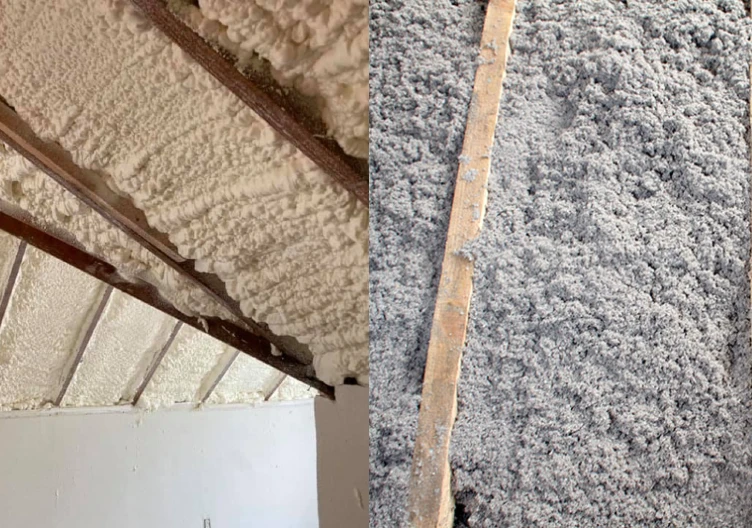
Cellulose insulation is made from recycled paper treated with fire retardants. It offers a higher density than fiberglass, which helps slow down airflow through the wall cavity. This material is excellent for retrofitting existing walls because it can be blown into small holes drilled through the siding or plaster. Cellulose also performs well in fire tests compared to fiberglass, often slowing the spread of flames through a wall assembly.
Mineral Wool
Mineral wool, often called rock wool, is made from basalt or slag. It is denser than fiberglass and offers superior soundproofing capabilities. It handles high temperatures better than other traditional options, making it ideal for walls adjacent to fireplaces or garages. While it costs more than fiberglass, its rigidity allows it to friction-fit into cavities without needing staples, reducing installation time.
Bonus Tip: When installing traditional batt insulation, always use a sharp utility knife to cut the material about an inch wider than the cavity. This ensures a friction fit that eliminates gaps around the edges without compressing the fibers.
Market data support the continued dominance of these materials. According to a Grand View Research report, the global insulation market was valued at over USD 60 billion in 2023, with fiberglass and mineral wool accounting for the majority share due to their cost-effectiveness and widespread availability in residential construction.
Cutting-Edge Wall Insulation Approaches
2026 brings new materials that solve specific problems traditional insulation cannot address, primarily related to space limitations and thermal bridging. These options often cost more upfront but provide a higher R-value per inch of thickness.
Aerogel Blankets
Aerogel is a gel where the liquid component has been replaced with gas, resulting in a material that is mostly air. It is extremely lightweight and offers one of the highest R-values per inch of any solid material. Aerogel blankets are flexible and hydrophobic, repelling water while insulating. This makes them perfect for insulating historic masonry walls where cavity space is nonexistent or for wrapping irregular pipes and ducts. The cost is significantly higher than traditional options, but the space savings can be justified in retrofits where every inch of interior floor space matters.
Vacuum Insulation Panels (VIPs)
Vacuum insulation panels consist of a rigid, porous core encased and sealed in a gas-tight envelope. By removing the air from the panel, heat transfer via convection and conduction is virtually eliminated. VIPs provide an R-value of R-20 to R-30 per inch, compared to roughly R-3.7 for fiberglass. However, they are fragile. If the vacuum seal is punctured during installation, the panel loses its insulating power. These are best used in commercial applications or high-end residential projects where the wall assembly can protect the panel from damage.
Advanced Spray Foams
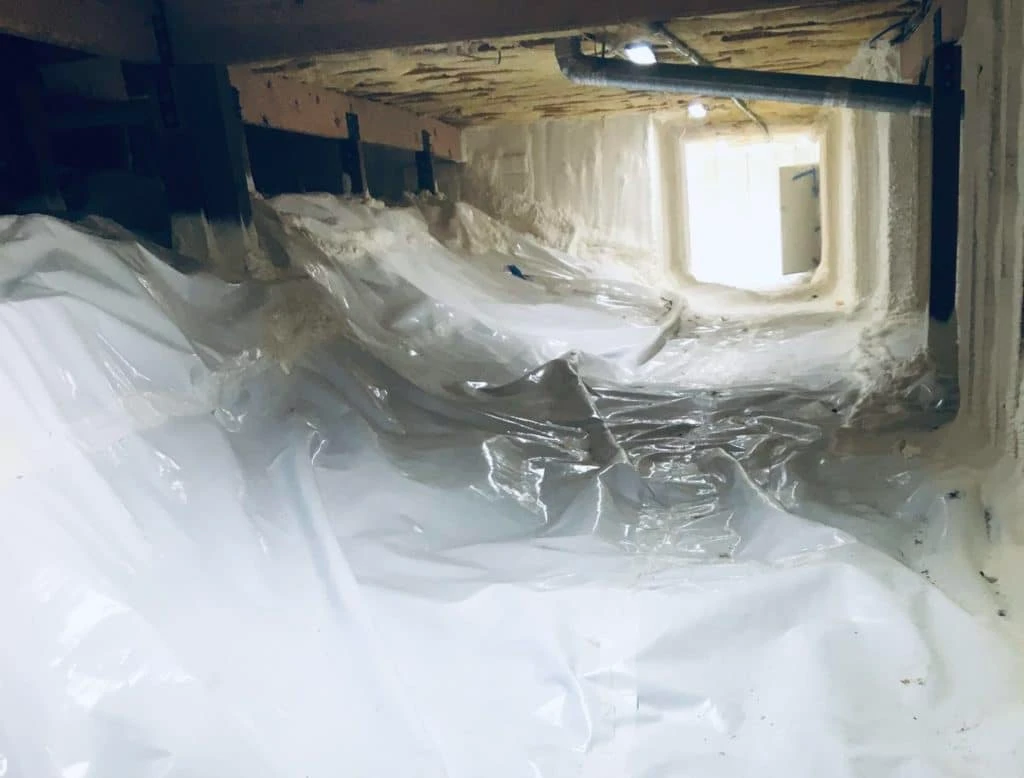
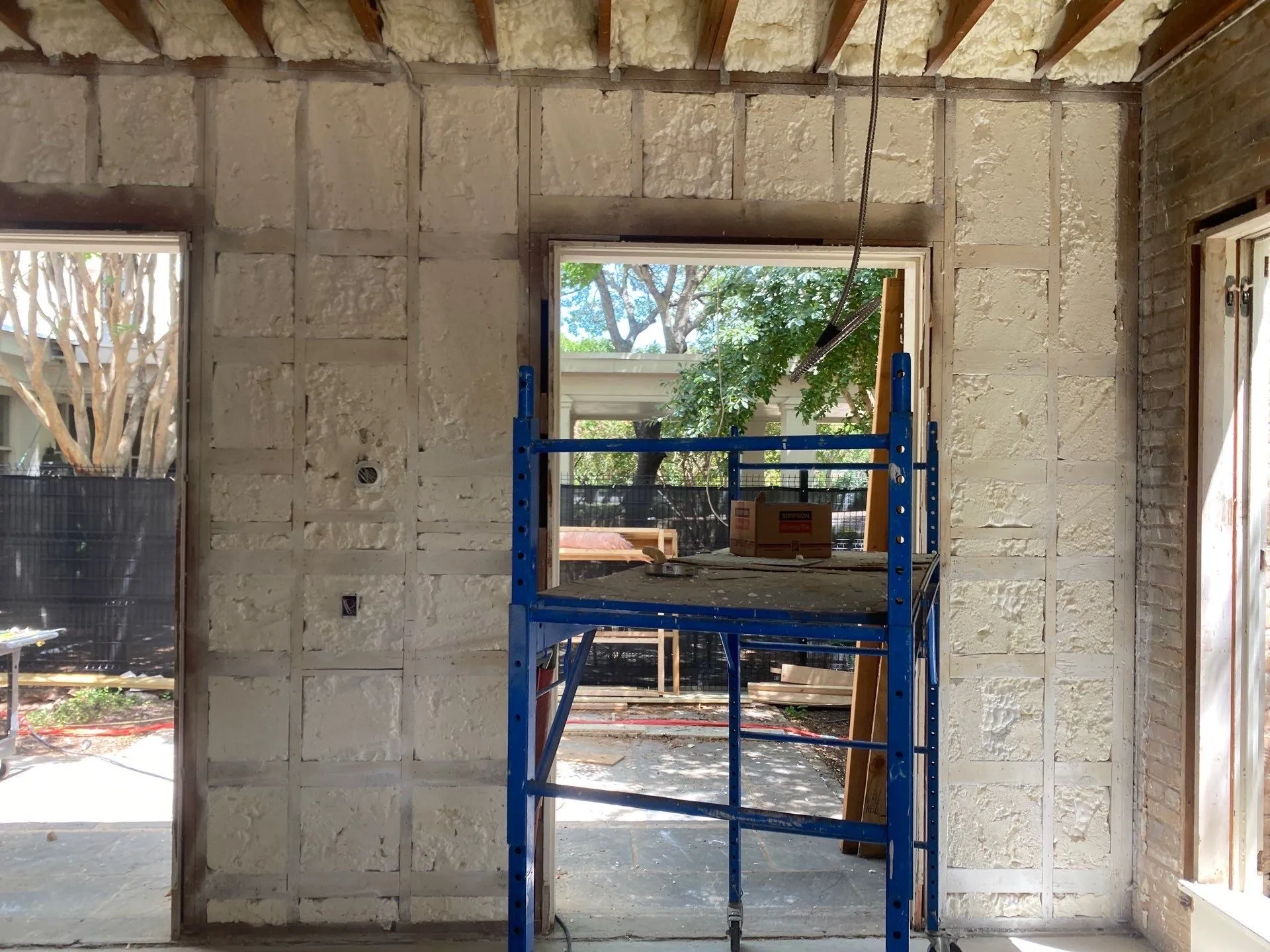
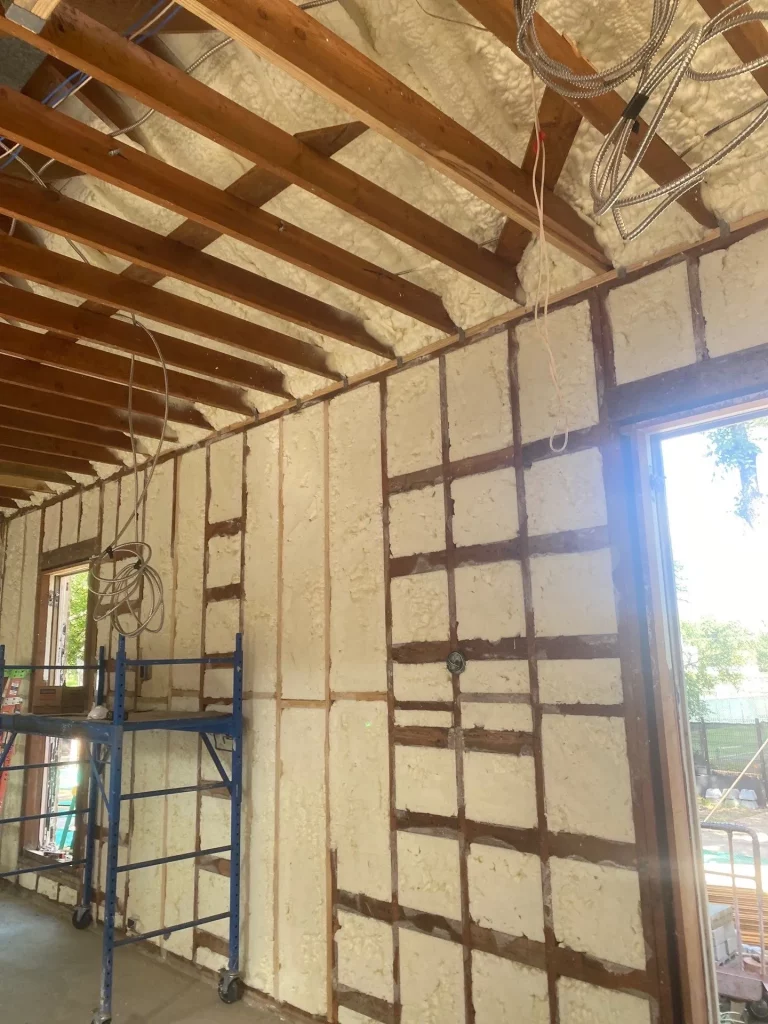
While spray foam insulation is not new, formulations in 2026 have become more environmentally friendly. Low-global-warming-potential (GWP) blowing agents are now standard in many regions. Closed-cell spray foam creates an air and vapor barrier in one application, making it ideal for humid climates where moisture control is the top priority. Open-cell foam remains a cheaper alternative that allows for vapor permeability while stopping air movement.
Bonus Tip: When using spray foam in existing walls, be mindful of “flash and batt” methods. A thin layer of closed-cell foam seals the wall, and the remaining cavity is filled with cheaper fiberglass to reduce cost while maintaining air tightness.
The shift toward these high-performance materials is driven by stricter energy codes. Data from the U.S. Department of Energy indicates that modern energy codes often require higher insulation levels that are difficult to achieve with standard fiberglass in narrow wall cavities, pushing builders toward high-performance alternatives.
Technical Comparison
The table below breaks down the key performance metrics of traditional versus cutting-edge materials.
| Material Type | R-Value Per Inch | Cost Per Sq Ft | Vapor Permeability | Best Application |
|---|---|---|---|---|
| Fiberglass Batts | 3.1 – 3.4 | Low | Semi-permeable | Standard new construction |
| Cellulose (Loose) | 3.2 – 3.8 | Low | Permeable | Retrofitting existing walls |
| Mineral Wool | 3.0 – 3.3 | Medium | Permeable | Fire-rated walls, sound-dampening |
| Aerogel Blankets | 10.0+ | Very High | Permeable | Thin walls, historic renovations |
| VIPs | 20.0 – 30.0 | Very High | Impermeable | Specialty projects, space-constrained |
| Closed-Cell Foam | 6.0 – 7.0 | High | Impermeable | Humid climates, air sealing |
Things to Consider Before Making a Decision
Selecting the right insulation requires looking beyond just the R-value. The wall assembly must work as a system to manage moisture, air, and heat flow.
Climate plays a massive role in this decision. In hot and humid climates like Texas, installing a vapor-impermeable insulation on the wrong side of the wall can trap moisture inside the structure, leading to mold growth. Energy Star recommends specific insulation levels and vapor barrier placement based on climate zones to prevent these issues. Stelller often sees moisture problems that stem from ignoring regional climate data rather than material failure.
The existing structure also dictates options. If the walls are already closed with drywall, blown-in cellulose, or foam injection is usually the only viable choice. If a major renovation is underway, expensive options like VIPs or Aerogel become feasible because the labor cost of opening the wall is already accounted for.
Budget allocation should look at lifecycle costs rather than just upfront material prices. Aerogel is expensive, but if it saves three inches of wall thickness in a high-rise apartment building, the cost per square foot of floor space recovered might offset the material cost.
Final Thoughts
The insulation market in 2026 offers a spectrum of choices ranging from time-tested fiberglass to space-age aerogels. Traditional materials continue to provide excellent value for standard construction, while cutting-edge options solve specific problems related to space constraints and extreme thermal performance. A successful project depends on selecting the material that fits the specific climate, wall structure, and long-term goals of the homeowner rather than simply choosing the material with the highest advertised R-value. Stelller advises that proper installation and air sealing are ultimately more important than the specific material chosen.
Contact Stelller for an Assessment
Choosing the right wall insulation method can be complex without professional experience. For homeowners needing a detailed analysis of their current wall performance, Stelller provides comprehensive evaluations to determine the most efficient insulation strategy. Contact the team at info@stellrr.com or call (512) 710-2839 to discuss specific needs and schedule a consultation.
Frequently Asked Questions
Which insulation type provides the best soundproofing?
Mineral wool generally offers the best sound reduction due to its density and fibrous structure that absorbs sound vibrations. While fiberglass and cellulose help, mineral wool is specifically engineered for acoustic control.
Can I mix different types of insulation in the same wall?
Yes, combining materials is often effective. A common strategy is to use a thin layer of spray foam for air sealing, followed by fiberglass or cellulose for bulk insulation. This provides the air tightness of foam at a lower cost than a full foam fill.
Is it worth paying extra for high R-value per inch?
Paying for high R-value per inch makes sense when wall depth is limited. In standard 2×4 construction with ample depth, traditional materials often provide the best return on investment. For historic renovations or steel stud walls where space is restricted, aerogel or foam becomes economically viable.
How do I know if my existing insulation needs to be replaced?
Signs of failing insulation include rising energy bills, drafts near outlets, and visible settling in attics. In walls, infrared thermography can reveal cold spots where insulation has settled, been compacted, or is missing entirely.
Sources
- U.S. Department of Energy – Offers official guidelines on insulation levels, installation techniques, and the relationship between building codes and material performance.
- Energy Star – Provides information on climate zones, vapor barriers, and recommended insulation levels for energy efficiency.