
Insulation matters most in your attic, walls, and crawl spaces areas where heat transfer occurs most frequently and where proper insulation installation can reduce energy costs by up to 20%. These three zones account for approximately 80% of a home’s heat loss in winter and heat gain in summer, making them the critical priority points for any insulation project. Beyond these primary areas, secondary attention should go to rim joists, ductwork, and floors over unconditioned spaces.
This guide breaks down exactly where to focus your insulation efforts for maximum comfort and energy savings. With years of hands-on experience in home insulation assessment and installation, Stellrr Insulation & Spray Foam has identified the specific areas that deliver the biggest return on investment for homeowners across different climate zones.
Critical Areas for Home Insulation
Your attic deserves first priority for home insulation upgrades. Hot air naturally rises, making the attic the primary source of heat loss during the winter months. In summer, attic temperatures can reach 150 degrees, creating a heat oven that radiates downward into your living spaces. The Environmental Protection Agency recommends insulation levels of R-38 to R-60 for most attics, depending on your climate region.
Walls represent the second critical area. Most homes lose 35% of their heating and cooling through uninsulated or poorly insulated walls. This is particularly true for older homes built before modern insulation standards became common. Exterior walls should have insulation filling the entire cavity between studs, with no gaps or compression points that would reduce effectiveness.
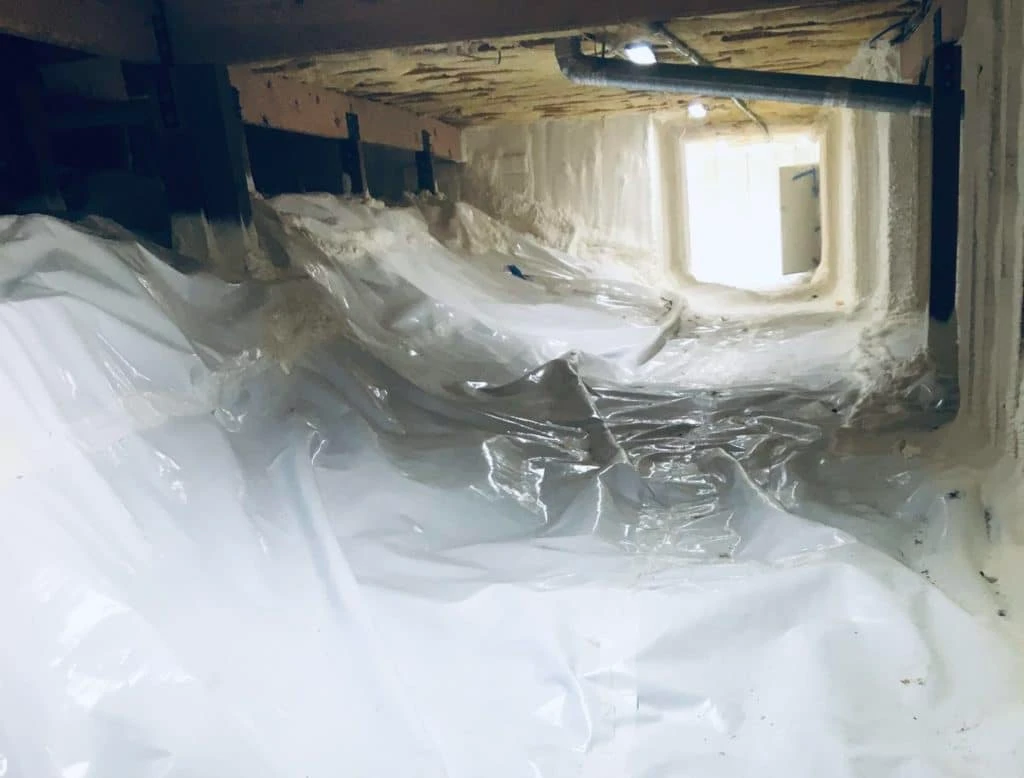
Crawl spaces and basements round out the top three priority areas. These areas connect directly to the ground and can draw in moisture and cold air year-round. Insulating crawl space walls and rim joists prevents cold floors upstairs and reduces moisture problems that can lead to mold growth and structural damage.
Bonus Tip: When checking existing insulation, look for dirty spots—these often indicate air leaks that need sealing before adding new insulation.
Types of Insulation and Their Applications
Different insulation materials work better in specific areas of your home. Understanding these differences helps ensure you’re using the right product for each application.
| Insulation Type | Best Applications | R-Value Per Inch |
|---|---|---|
| Fiberglass batts | Walls, attics | 2.9-3.8 |
| Spray foam | Attics, rim joists | 3.5-6.5 |
| Cellulose | Attics, walls | 3.1-3.8 |
| Rigid foam | Basement walls, slabs | 4-6.5 |
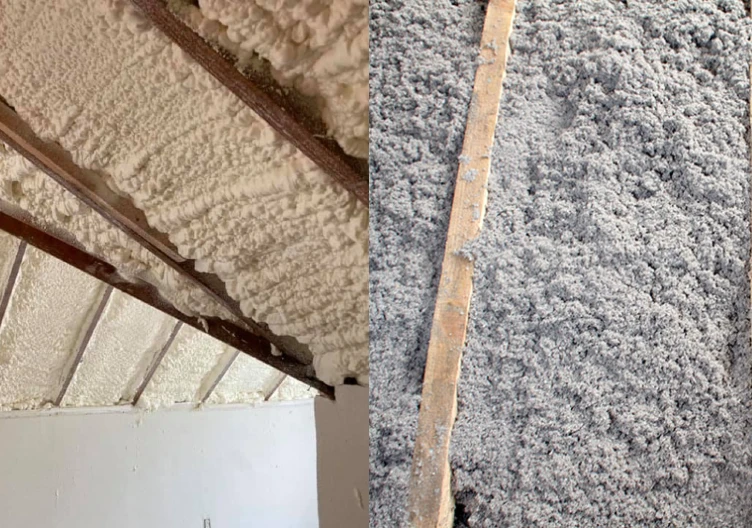
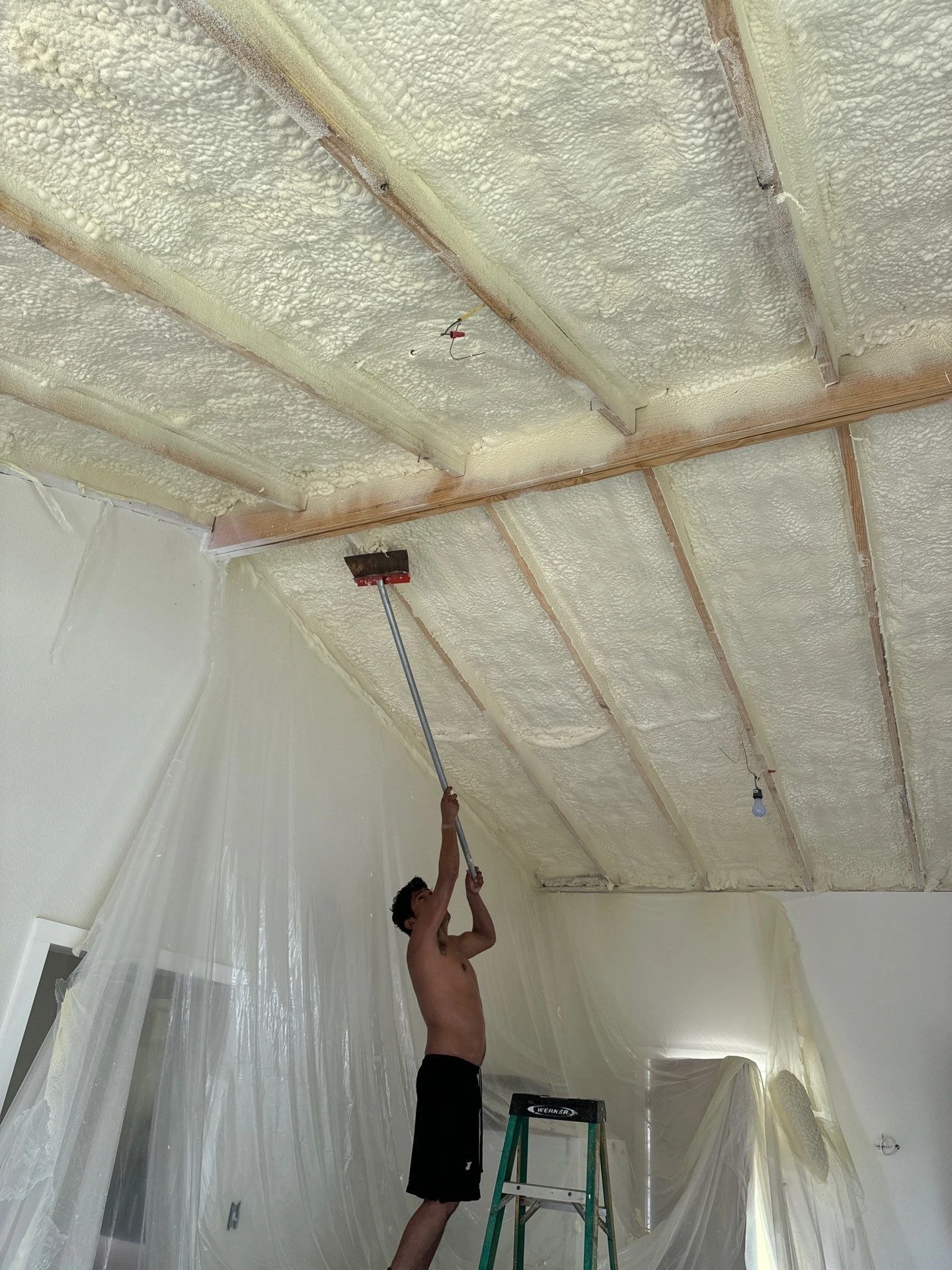
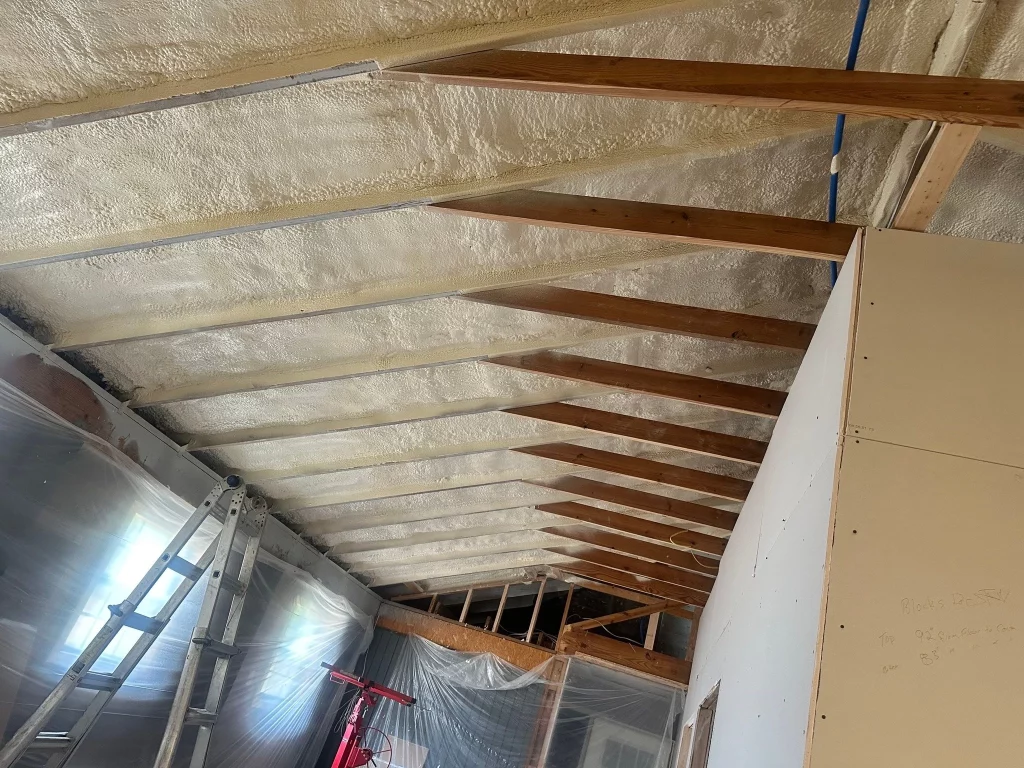
Spray foam insulation provides superior air sealing along with its insulating properties, making it ideal for rim joists and attics where air leakage is common. According to research from the North American Insulation Manufacturers Association, properly installed spray foam can reduce air leakage by up to 90% compared to traditional insulation methods.
Fiberglass batts remain the most cost-effective solution for standard wall cavities when properly installed without gaps or compression. Cellulose insulation, made from recycled paper products, offers excellent performance in attics and can be installed over existing insulation to boost R-values without removing old material.
Bonus Tip: Always wear protective gear when handling insulation—fiberglass particles can irritate skin and lungs, while cellulose dust can cause respiratory issues.
Climate Considerations for Insulation
Your geographic location significantly influences insulation priorities and R-value requirements. The U.S. Department of Energy has established climate zones that determine minimum insulation standards for new construction.
In hot southern climates, the priority focuses on keeping heat out. This means emphasis on attic insulation with proper ventilation, radiant barriers under roof decking, and insulation that prevents heat transfer through walls. Homes in these regions benefit from R-30 to R-60 in attics and R-13 to R-15 in walls.
Northern cold climates require strategies to retain heat. Here, the focus shifts to air sealing and higher R-values throughout. Attics should reach R-49 to R-60, with wall insulation at R-15 to R-21. Basement wall insulation becomes particularly important in these regions to prevent cold floors and reduce heat loss to the ground.
Mixed climate zones face both heating and cooling challenges, making a proper insulation strategy essential. These regions benefit most from a balanced approach with attention to air sealing throughout the home envelope, adequate attic insulation (R-38 to R-49), and proper wall insulation levels that address both seasonal needs.
Things to Consider Before Making a Decision
Before starting any insulation project, evaluate your home’s specific needs and limitations. A home energy audit can identify exactly where you’re losing energy and help prioritize your insulation investments. Professional audits often use blower door tests and infrared cameras to detect air leaks and missing insulation that visual inspections might miss.
Check for existing moisture problems before adding insulation. Moisture trapped in walls or attics can lead to mold growth and structural damage. Address roof leaks, plumbing issues, or foundation drainage problems before insulating, as wet insulation loses effectiveness and can create bigger issues down the road.
Consider your access to the areas needing insulation. Some wall cavities may be difficult to reach without removing drywall, while attics might have limited clearance. Spray foam insulation can sometimes solve access issues by expanding into hard-to-reach areas, but it comes at a higher cost than traditional materials.
Factor in your local building codes and requirements. Many municipalities have specific insulation requirements for renovations, especially in energy-conscious regions. Additionally, check for available rebates or tax incentives that might offset the cost of insulation upgrades.
Bonus Tip: Don’t forget to seal air leaks before adding insulation. The Department of Energy reports that air sealing alone can save up to 15% on heating and cooling costs, making it a crucial first step.
Getting Your Insulation Right
Proper insulation in the right locations makes the difference between an energy-efficient, comfortable home and one with persistent temperature problems and high utility bills. Focus first on the big three areas, attic, walls, and crawl spaces, where 80% of heat transfer occurs. Choose insulation materials appropriate for your climate and specific applications, and always address air sealing before adding insulation.
Evaluate your home’s current condition, consider professional help for complex installations, and prioritize based on your budget and biggest comfort issues. The right insulation choices will pay dividends in energy savings and comfort for years to come.
Professional Assessment for Your Home
For a comprehensive evaluation of your home’s insulation needs, contact the experts at Stellrr. Our team provides thorough insulation assessments and professional installation services tailored to your specific situation. Call (512) 710-2839 or email info@stellrr.com to schedule a consultation and learn how targeted insulation improvements can transform your home’s comfort and energy efficiency.
Frequently Asked Questions
What is the most cost-effective insulation upgrade?
Attic insulation typically provides the fastest return on investment, with many homeowners recouping costs through energy savings within 2-5 years. The relatively low cost and high impact make it the most cost-effective starting point for most homes.
How much insulation do I need in my climate zone?
Insulation requirements vary by climate zone. Zone 1-3 (hot climates) need R-30 to R-60 in attics and R-13 to R-15 in walls. Zone 4-5 (mixed climates) requires R-38 to R-60 in attics and R-13 to R-21 in walls. Zone 6-8 (cold climates) need R-49 to R-60 in attics and R-15 to R-21 in walls.
Can insulation help with soundproofing?
Yes, certain insulation types provide acoustic benefits along with thermal performance. Dense-pack cellulose and fiberglass batts can reduce sound transmission between rooms and from outside. Spray foam offers the best sound reduction due to its air-sealing properties.
Should I remove old insulation before installing new?
Generally, you can add new insulation over existing material if it’s dry and in good condition. Remove insulation that’s water-damaged, contaminated with mold or pests, or contains asbestos (common in very old homes with vermiculite insulation).
How long does insulation installation take?
Professional attic insulation typically takes 1-2 days for an average home. Wall insulation requires more time, often 2-3 days, depending on access and installation method. Spray foam projects usually take 1-3 days, including curing time.
Sources
- U.S. Department of Energy – Official government resource for insulation recommendations and energy-saving guidance
- North American Insulation Manufacturers Association – Industry organization providing research and technical information about insulation materials and performance
- Environmental Protection Agency – EPA resources on insulation, energy efficiency, and home energy assessments