
Insulating your crawl space in San Marcos, Texas, is a sound investment primarily because it addresses three critical issues specific to the region: high energy costs, moisture-related structural damage, and poor indoor air quality. An uninsulated or poorly insulated crawl space allows the humid Central Texas air to infiltrate your home, forcing your HVAC system to work harder to maintain a comfortable temperature. This also creates a breeding ground for mold, mildew, and pests, which can compromise your home’s foundation and the air you breathe. By properly insulating and sealing this often-neglected area, you create a buffer that lowers energy bills, protects the structural integrity of your property, and leads to a healthier living environment.
This article breaks down the specific benefits of crawl space insulation for San Marcos homeowners. Drawing on extensive experience with homes in the Central Texas climate, Stellrr Insulation & Spray Foam provides a straightforward guide to help you understand the materials, processes, and long-term advantages of this important home improvement project.
The San Marcos Climate and Your Crawl Space
The climate in San Marcos and the surrounding Hays County area is characterized by hot, humid summers and mild, damp winters. This constant exposure to moisture and temperature swings directly affects your home’s crawl space. An unsealed and uninsulated crawl space acts like a sponge, drawing moisture from the ground and the outside air.
When this warm, moist air meets the cooler surfaces under your home, condensation forms on floor joists, plumbing, and foundation walls. This creates the perfect environment for problems that can be costly to repair:
- Mold and Mildew Growth: These fungi thrive in damp, dark spaces and can release spores that travel up into your living areas, potentially affecting respiratory health.
- Wood Rot: Persistent moisture weakens the wooden structures of your subfloor, leading to sagging floors and expensive structural repairs.
- Pest Infestations: Termites, rodents, and other pests are attracted to dark, damp environments. An open crawl space gives them easy access to your home.
- Energy Loss: In the summer, heat and humidity from the crawl space radiate upward, making your air conditioner work overtime. In the winter, cold air underneath the floor makes your home chilly and drives up heating costs. A report from the U.S. Department of Energy explains that insulating crawl spaces is key to managing this energy transfer and reducing utility bills.
Key Benefits of Crawl Space Insulation
Properly insulating your crawl space moves it from being a liability to an asset for your home’s overall performance. The benefits are noticeable and provide a strong return on investment.
Lower Energy Bills
The most immediate benefit is a reduction in energy consumption. By creating a thermal barrier, insulation stops the outside temperature from influencing your indoor climate. This is particularly effective in addressing the “stack effect,” where air naturally flows from the lower levels of a home (the crawl space) to the upper levels. Insulating and air sealing the crawl space disrupts this flow, helping your home stay cooler in the summer and warmer in the winter with less HVAC usage.
Improved Indoor Air Quality
A significant portion of the air you breathe inside your home originates from the crawl space. An unsealed crawl space allows dust, mold spores, pest droppings, and damp, musty odors to rise into your living quarters. According to the U.S. Environmental Protection Agency, exposure to indoor mold can trigger allergies and asthma attacks, making it a significant health concern for occupants. By sealing vents and insulating the area, you block these pollutants at the source, contributing to a much healthier indoor environment for your family.
Structural Protection
Moisture is the primary enemy of your home’s foundation and subfloor. Crawl space insulation, especially when paired with a vapor barrier, is one of the best defenses against moisture damage. According to Building Science Corporation, conditioning a crawl space by sealing and insulating it is a reliable way to control moisture and prevent the long-term structural decay that is common in humid climates. This proactive step can save you from thousands of dollars in future repairs.
Enhanced Home Comfort
Beyond the technical benefits, crawl space insulation makes your home a more comfortable place to live. It eliminates the unpleasant feeling of cold floors during the winter months. It also helps reduce the sticky, humid feeling indoors during the summer by preventing excess moisture from entering the home.
Choosing the Right Insulation Material
Different insulation materials have unique properties. The best choice for a San Marcos crawl space depends on your specific goals, budget, and the condition of the space.
Material Comparison for Crawl Spaces
| Insulation Type | R-Value (per inch) | Moisture Resistance | Air Sealing Capability | Best Application |
|---|---|---|---|---|
| Closed-Cell Spray Foam | 6.0 – 7.0 | Excellent | Excellent | Walls & Rim Joists |
| Rigid Foam Board (XPS/EPS) | 4.0 – 5.0 | Good | Good (when taped) | Walls |
| Fiberglass Batts | 3.1 – 3.7 | Poor (can hold moisture) | Poor | Not recommended for walls |
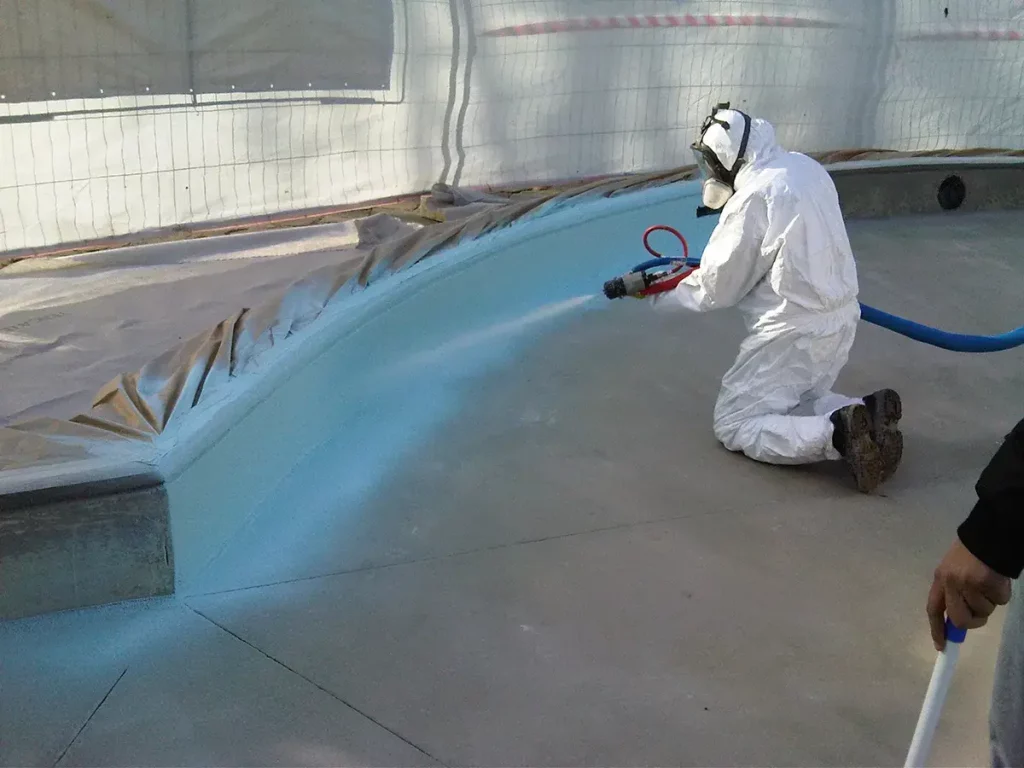
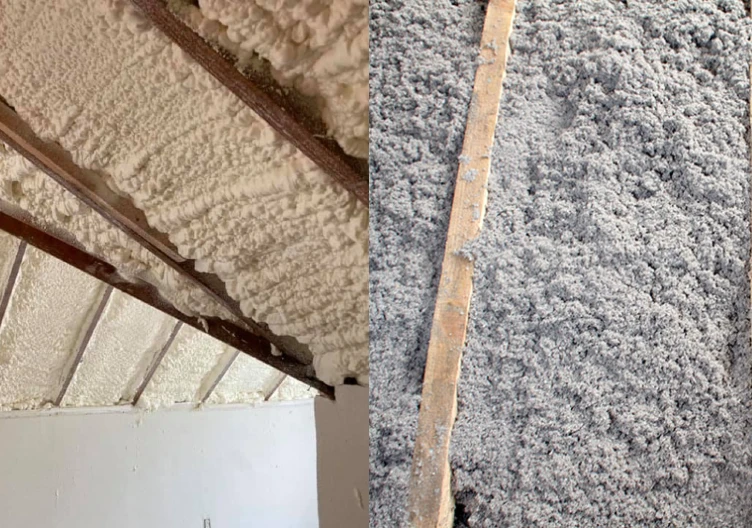
Closed-cell spray foam is often considered the premium solution for crawl spaces in humid climates. It has a high R-value, acts as its own vapor barrier, and creates a complete air seal, blocking moisture and air leakage. Its rigid structure can also add a bit of strength to the surfaces it’s applied to.
Rigid foam board is a good, cost-effective option for insulating crawl space walls. The boards are moisture-resistant, and when the seams are properly taped, they can create an effective air and vapor barrier.
Fiberglass batts are a traditional material, but they are not well-suited for the damp conditions of a Texas crawl space. Fiberglass can absorb and hold moisture, which reduces its insulating ability and can lead to mold growth. If used, it should only be placed in the floor joist cavities above a well-sealed vapor barrier, never against the damp foundation walls.
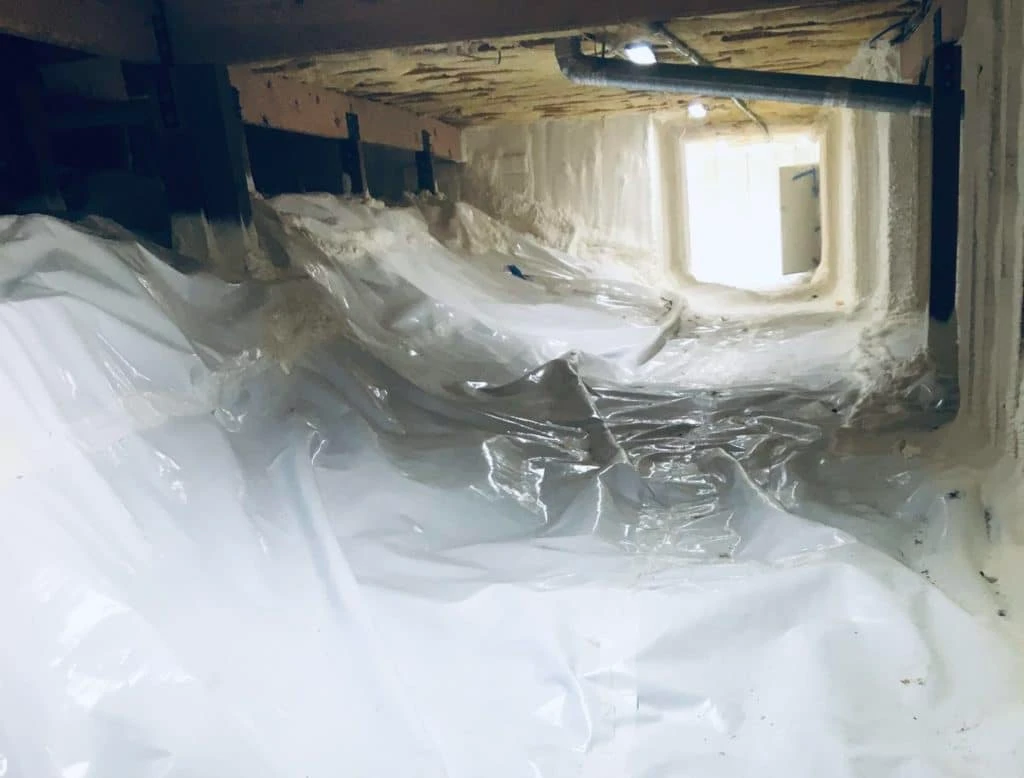
Bonus Tip: Always pair your crawl space insulation with a durable vapor barrier on the ground. A 12-mil or 20-mil plastic liner that covers the entire floor and runs up the walls is essential for stopping moisture evaporation from the soil.

Things to Consider Before Making a Decision
Before you begin an insulation project, it’s important to evaluate the current state of your crawl space and your long-term goals.
Assess the Current Condition
First, a thorough inspection is needed. Look for any signs of:
- Standing water or drainage issues: These must be resolved before any insulation is installed. This might involve grading the soil around your foundation or installing a sump pump.
- Mold or mildew: Any existing mold needs to be professionally remediated to ensure it doesn’t get sealed behind new insulation.
- Pest damage: Evidence of termites or other wood-destroying insects should be addressed by a pest control professional.
Vented vs. Unvented Crawl Spaces
Traditionally, crawl spaces were built with foundation vents to allow outside air to circulate and, theoretically, dry out the space. However, in a humid climate like San Marcos, this practice often introduces more moisture than it removes. Modern building science recommends creating an unvented, or sealed, crawl space. This involves sealing the foundation vents, laying down a vapor barrier, and insulating the foundation walls instead of the floor joists above. This method effectively makes the crawl space part of the conditioned envelope of the house, keeping it clean, dry, and temperature-controlled.
Bonus Tip: When sealing a crawl space, you may need to add a small amount of conditioned air from your HVAC system or a dehumidifier to keep the humidity levels consistently low.
Take the Next Step
Investing in crawl space insulation is a practical decision that pays dividends in energy savings, home comfort, and long-term structural health. By addressing this foundational part of your property, you create a more efficient and resilient home that is better equipped to handle the Central Texas climate. Before moving forward, carefully evaluate your property’s specific conditions and consult with professionals to determine the best approach for your needs.
Contact Us
For a detailed assessment of spray foam insulation in San Marcos, the team at Stellrr Insulation & Spray Foam is available to provide expert guidance. You can reach out to discuss your project by calling (512) 710-2839. A properly managed crawl space is a cornerstone of a healthy and efficient home.
Sources
- U.S. Department of Energy – Provides official government recommendations on where to insulate a home for maximum energy efficiency, including crawl spaces.
- U.S. Environmental Protection Agency – Official information on the health risks associated with mold exposure in homes.
- Building Science Corporation – Offers in-depth research and principles on crawl space design and moisture control for different climates.
FAQS
What R-value is recommended for a crawl space in San Marcos?
For crawl space walls in the San Marcos climate zone, an R-value of R-13 to R-15 is generally recommended. This can be achieved with about two inches of closed-cell spray foam or three inches of rigid foam board.
Can I install crawl space insulation myself?
While installing rigid foam board or fiberglass can be a DIY project for a skilled homeowner, it’s a difficult and dirty job. Working with materials like spray foam requires professional equipment and safety training. Given the importance of proper air sealing and moisture management, professional installation is recommended to ensure the system performs correctly.
Will insulation solve a major water problem in my crawl space?
No. Insulation and vapor barriers manage moisture vapor, but they are not waterproofing solutions. If you have standing water or leaks, you must fix the source of the water before installing any insulation.
Does insulating my crawl space add to my home’s resale value?
Yes, it can. An encapsulated and insulated crawl space is a significant selling point. It shows potential buyers that the home is energy-efficient, well-maintained, and protected from common issues like mold and pests. It also provides clean, usable storage space.
How does insulation help with pests?
Sealing and insulating the crawl space eliminates the dark, damp conditions that attract pests. Materials like closed-cell spray foam and rigid foam board also create a physical barrier that is difficult for insects and rodents to chew through, unlike fiberglass.