A dry crawl space directly contributes to a quieter home by addressing the root causes of many common household noises. When a crawl space is damp, it creates a noisy environment in several ways. Moisture can cause wood support structures like joists and subflooring to rot, warp, and swell, leading to the creaks, groans, and pops you hear when walking across the floor. Excess moisture also creates direct sounds, such as dripping from leaks or condensation. Finally, damp environments attract pests, whose scurrying and chewing can be heard through the floors.
By keeping the crawl space dry, these sources of noise are systematically eliminated. The structural wood remains stable, preventing the friction that causes floors to creak. There is no water to drip or create other sounds. A dry space is also inhospitable to noisy pests like rodents and insects. This article explains the connection between crawl space insulation conditions and indoor acoustics, offering a clear picture of how managing the area beneath your home can lead to greater peace and quiet inside it. The information presented here comes from years of hands on experience diagnosing and resolving issues in homes just like yours.
The Direct Link Between Moisture and Noise
Most homeowners don’t connect the sounds they hear upstairs with the conditions downstairs. But the relationship between a damp crawl space and a noisy house is surprisingly direct. Moisture introduces several distinct types of sound that can travel up through the flooring and into your living areas.
Sounds of Water Intrusion
The most obvious noises are from water itself. A plumbing leak, groundwater seepage, or even heavy condensation can produce audible dripping or trickling sounds. In cases of poor drainage, you might even hear gurgling or sloshing as water pools and moves. These sounds can be persistent and particularly noticeable during quiet hours of the night.
Structural Degradation and Creaks
This is the most common source of noise from a damp crawl space. Wood and water don’t mix well. According to the U.S. Environmental Protection Agency, unchecked moisture can lead to the decay of building materials. When the wooden joists and subfloor that support your home are constantly exposed to high humidity, they absorb that moisture. This causes the wood to swell, and as it dries, it contracts. This constant cycle of expansion and contraction weakens the wood fibers and loosens the connections between framing members, resulting in:
- Creaking Floors: As you walk across the floor, the loosened, warped boards rub against each other and against the nails or screws holding them, creating friction noises.
- Popping Sounds: Changes in temperature and humidity can cause the wood to shift suddenly, producing loud pops or cracks.
- Groaning Noises: The weight of the house settling on compromised, softened wood can generate low groaning sounds.
Bonus Tip: If you notice your floors are suddenly bouncier or feel spongy in certain spots, it’s a strong indicator that the subfloor has been compromised by moisture and requires immediate inspection.
Pest Infestations and Unwanted Sounds
A damp, dark crawl space is an ideal habitat for a variety of pests. Rodents, insects, and other creatures seek out these protected, moist areas to nest. Once they’ve moved in, they bring a whole new range of sounds. You might hear the scratching of rodents in the floorboards, the chewing sounds of termites, or the buzzing of insect colonies. A report from the University of Kentucky’s College of Agriculture, Food and Environment highlights that controlling moisture is a key step in managing pest problems, as many pests require a damp environment to survive and reproduce.
How Dryness Improves Sound Damping
Keeping a crawl space dry does more than just prevent new noises from starting; it also helps your home’s existing structures manage sound more effectively. Proper moisture control allows building materials to perform as they were designed, which includes damping sound.
Preserving Insulation’s Acoustic Properties
Insulation is one of your home’s primary defenses against sound transmission, but it only works when it’s dry. When fiberglass batts or other common types of insulation get wet, the material compresses, and the air pockets that trap sound waves are filled with water. This dramatically reduces its ability to absorb sound. Information from the U.S. Department of Energy confirms that wet insulation loses its thermal performance, and this loss of function applies to its acoustic properties as well. A dry crawl space ensures that your floor insulation remains fluffy and effective at deadening the transmission of airborne sound.
A Stable Foundation for Flooring
A dry subfloor and joist system provides a solid, stable base for your flooring. There’s no movement, no friction, and no noise. This stability is critical for any type of flooring, whether it’s hardwood, tile, or carpet. Hardwood floors are particularly susceptible to noise issues when the subfloor is unstable, as the individual planks can move and rub against one another.
HVAC System Efficiency and Noise Reduction
If your HVAC ductwork runs through the crawl space, a damp environment can make your system run louder and less efficiently. High humidity forces your air conditioner to work harder to remove moisture from the air, leading to longer run times and more noise. Furthermore, temperature fluctuations in a vented, damp crawl space can cause metal ducts to expand and contract, creating banging or popping sounds. A sealed and conditioned crawl space keeps the temperature and humidity stable, reducing strain on your HVAC unit and eliminating duct noise.
Technical Look at Sound Transmission
The difference between a damp and a dry crawl space is significant when it comes to noise control. The table below breaks down the key factors.
| Feature | Damp Crawl Space (High Noise Potential) | Dry Crawl Space (Low Noise Potential) |
|---|---|---|
| Structural Integrity | Wood is soft, swollen, and prone to rot. Creates creaks and pops. | Wood is stable, strong, and silent. |
| Pest Activity | High. Attracts rodents and insects, creating scratching and chewing sounds. | Low. Unattractive to pests, eliminating their noises. |
| Insulation Effectiveness | Poor. Wet insulation is compressed and cannot absorb sound. | Excellent. Dry insulation effectively dampens airborne sound. |
| HVAC Noise | High. System runs longer and louder; ducts may pop and bang. | Low. System runs efficiently; stable temps prevent duct noise. |
| Direct Water Sounds | Present. Dripping from leaks or condensation is common. | Absent. No water sources to create dripping or gurgling sounds. |
Bonus Tip: When sealing a crawl space, pay special attention to sealing all penetrations in the subfloor for plumbing and wiring. These gaps are direct pathways for airborne sound to travel from the crawl space into your living area.
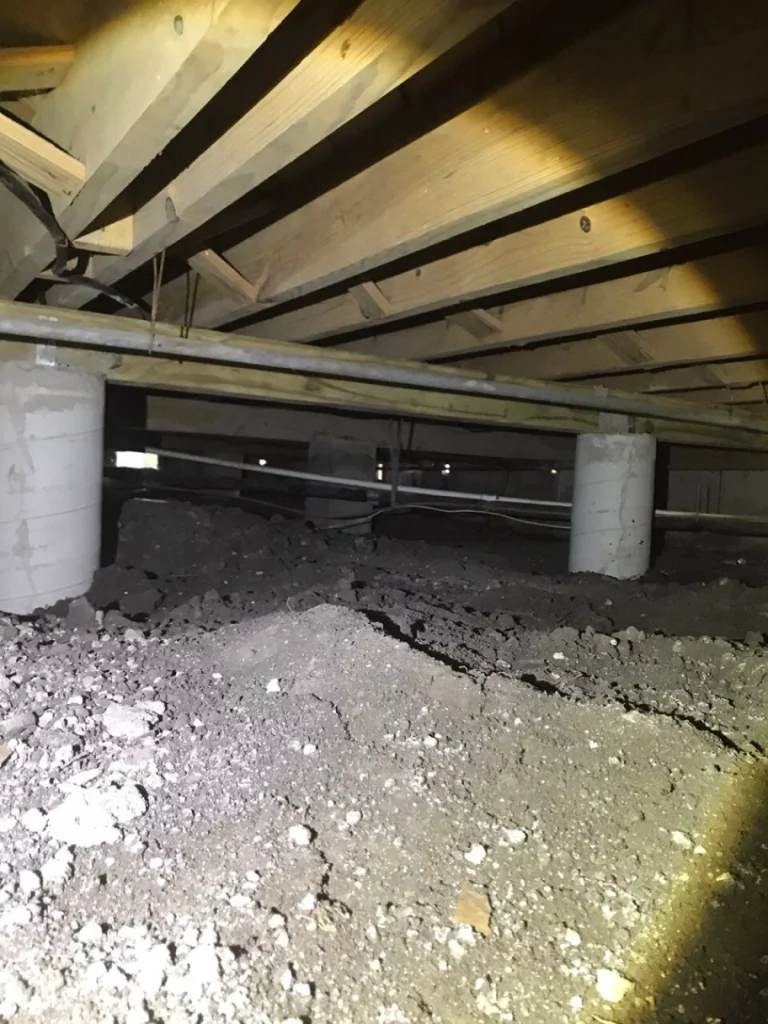
Things to Consider Before Making a Decision
Addressing crawl space moisture is not a one size fits all solution. Before you proceed with any major work like encapsulation, there are several factors to evaluate to ensure you’re choosing the right approach for your home.
Assess the Source of Moisture
First, you need to know where the water is coming from. The three main culprits are:
- Groundwater Intrusion: Water seeping in from the surrounding soil, often due to poor exterior grading or a high water table.
- Plumbing Leaks: A slow drip from a supply or drain line can introduce a significant amount of water over time.
- High Humidity: Humid air entering through foundation vents can condense on cooler surfaces within the crawl space.
The solution will depend on the source. A French drain might be needed for groundwater, while a plumber is needed for leaks, and encapsulation is best for airborne humidity.
Evaluate Existing Structural Damage
If your crawl space has been damp for a long time, there’s a good chance some structural damage has already occurred. Rotted joists, a compromised sill plate, or a decayed subfloor must be repaired or replaced before any sealing or encapsulation work begins. Covering up rotten wood will only hide the problem, not solve it.
Understand Local Building Codes
Building codes can vary by municipality, and some have specific rules regarding crawl space conditioning. For example, some jurisdictions may require a certain type of vapor barrier or have rules about whether foundation vents can be sealed. It’s important to ensure any work done complies with local regulations.
Long-Term Maintenance
Creating a dry crawl space is not a single event but an ongoing commitment. An encapsulation system with a dehumidifier is highly effective, but the dehumidifier will require periodic maintenance, such as cleaning the filter and checking the drain line. The vapor barrier should also be inspected occasionally to ensure it hasn’t been torn or pulled away from the walls.
A Quieter Home Starts from the Ground Up
The connection between a dry crawl space and a quiet home is clear. By managing moisture, you prevent the structural decay that leads to creaky floors, you get rid of the sounds of dripping water, and you make the space unwelcoming to noisy pests. At the same time, you protect your insulation’s ability to dampen sound and reduce the workload on your HVAC system. If unexplained noises are disrupting the peace in your home, it’s worth taking a look at the environment beneath your feet. Evaluating your crawl space and addressing any moisture issues is a direct investment in a more serene and stable home.
Get a Professional Assessment
Properly diagnosing and solving crawl space moisture problems requires a trained eye. The team at Stellrr Insulation & Spray Foam has the expertise to identify the source of the issue and recommend the most effective insulation solution for your specific home. For a thorough assessment and to understand your options, call (512) 710-2839 to schedule a consultation.
Sources
- U.S. Environmental Protection Agency (EPA) – Provides official guidance on how moisture affects building materials and can lead to mold and decay.
- University of Kentucky College of Agriculture, Food and Environment – Offers expert information on common household pests and confirms the link between moisture control and pest management.
- U.S. Department of Energy – Explains the negative impact of moisture on insulation performance, which is relevant for both thermal and acoustic properties.
FAQS
How quickly can I notice a noise reduction after drying my crawl space?
You will notice an immediate reduction in sounds related to water, like dripping. The elimination of structural creaks may take a bit longer, as the wood framing needs time to fully dry out and stabilize. This could take several weeks to a few months, depending on how saturated the wood was.
Does the type of insulation in the crawl space affect sound levels?
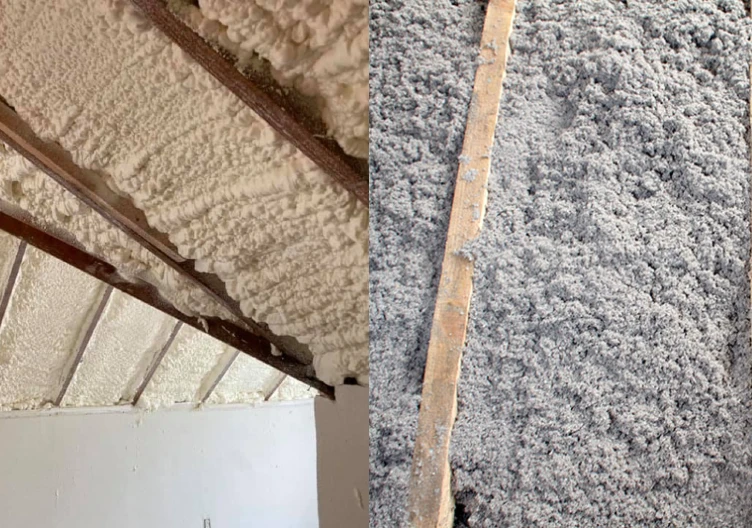
Yes. Closed cell spray foam insulation is excellent for both moisture control and sound damping. Unlike fiberglass batts, it won’t absorb water, sag, or lose its shape. It also air seals the subfloor, which helps block airborne sound transmission.
Will a vapor barrier by itself make my home quieter?
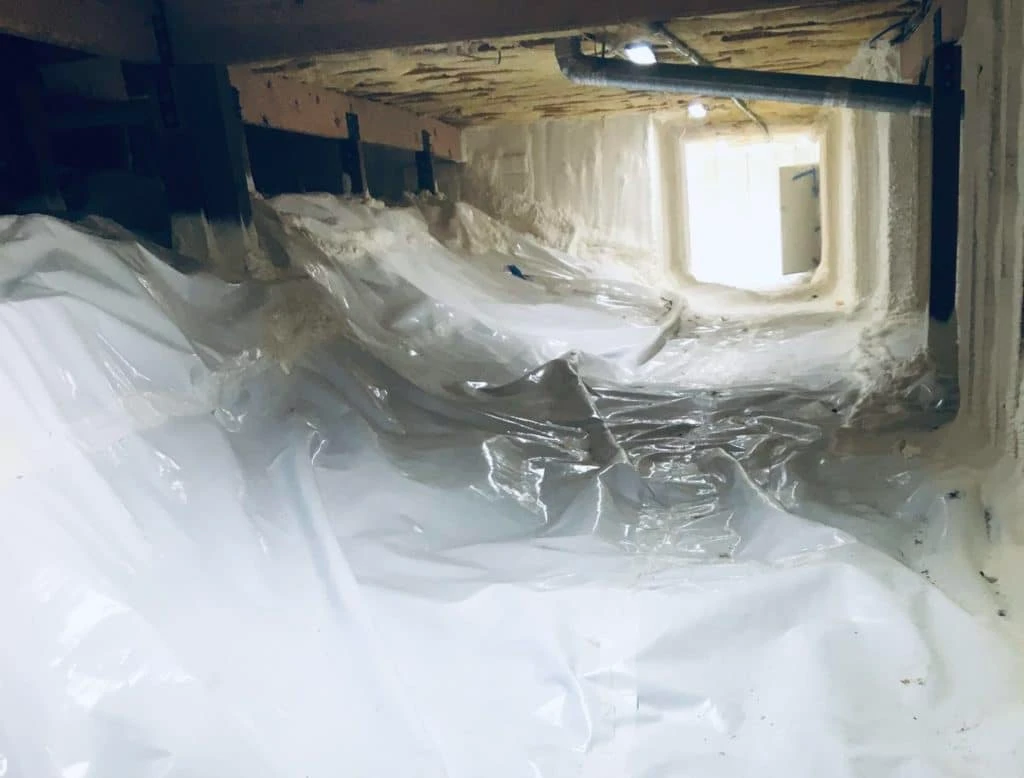
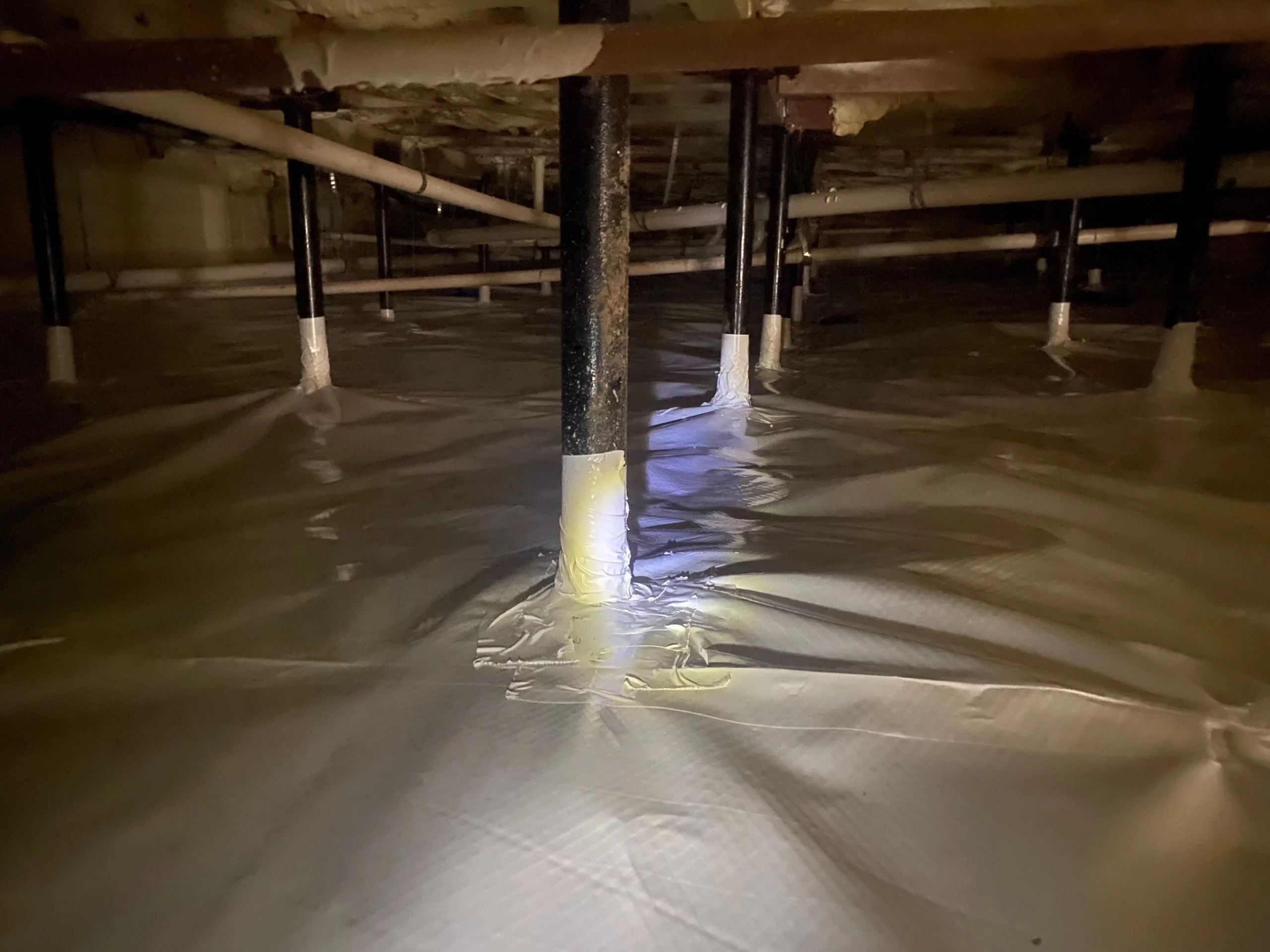
A vapor barrier on the crawl space floor is a great first step for controlling ground moisture. It will help reduce humidity, which in turn helps prevent the wood rot that causes creaks. However, it won’t stop humid air from entering through vents or block existing sound paths, so it’s most effective as part of a complete encapsulation system.
Are there sounds that indicate a serious problem in my crawl space?
A loud, sudden cracking or popping sound from the floor structure, especially if it’s not associated with someone walking on it, could indicate a serious structural failure. If you hear something like this, it’s best to have the crawl space inspected by a professional immediately.