A fully insulated crawl space offers four primary benefits: it lowers energy bills, improves indoor air quality, protects the home’s structural integrity, and creates a more comfortable living environment. By properly air sealing and insulating this often-neglected area, a thermal boundary is created that prevents unwanted air exchange between the inside of the home and the ground or outside air. This stops energy loss, blocks moisture and allergens from entering the home, and prevents structural damage from dampness and pests.
This article explains these benefits in detail, drawing from extensive field experience in residential spray foam insulation. Understanding how the crawl space affects the entire home system is the first step toward creating a healthier and more efficient property.
Enhanced Energy Efficiency and Lower Utility Bills
One of the most immediate advantages of crawl space insulation is a noticeable reduction in energy consumption. A significant amount of a home’s heating and cooling is lost through an uninsulated floor. In fact, a report from the U.S. Department of Energy suggests that insulating crawl space walls can lead to energy savings of 15% or more.
This happens because insulation resists the flow of heat. During winter, it keeps the warm air inside your home from escaping through the floor. In the summer, it prevents hot, humid air from the crawl space from seeping into your living areas and making your air conditioner work harder. This process is amplified by the “stack effect,” where air naturally flows from the bottom of a house to the top. An uninsulated crawl space allows cold air to be drawn in, which then rises, making the entire home colder and forcing the heating system to run longer. Sealing and insulating the crawl space stops this cycle.
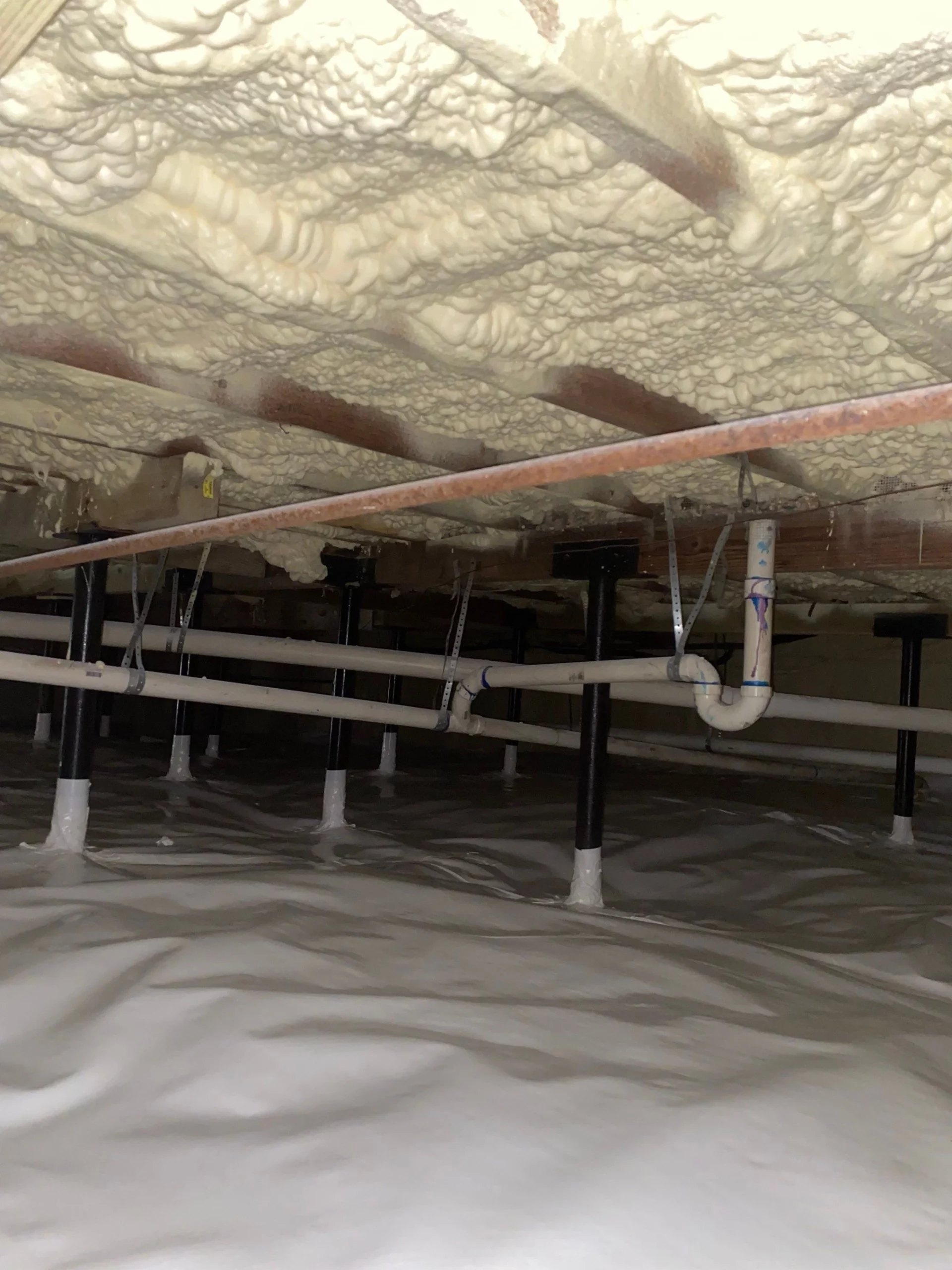
Bonus Tip: For the best performance, using closed-cell spray foam on the crawl space walls not only insulates but also creates an air and moisture barrier. This single application can solve multiple problems at once.
Improved Indoor Air Quality
The air in your crawl space often becomes the air inside your home. A dirt or vented crawl space can be a source of moisture, mold, radon gas, and unpleasant odors. The stack effect can pull these contaminants and allergens up into your living areas. The U.S. Environmental Protection Agency notes that damp environments foster the growth of pollutants that can affect respiratory health.
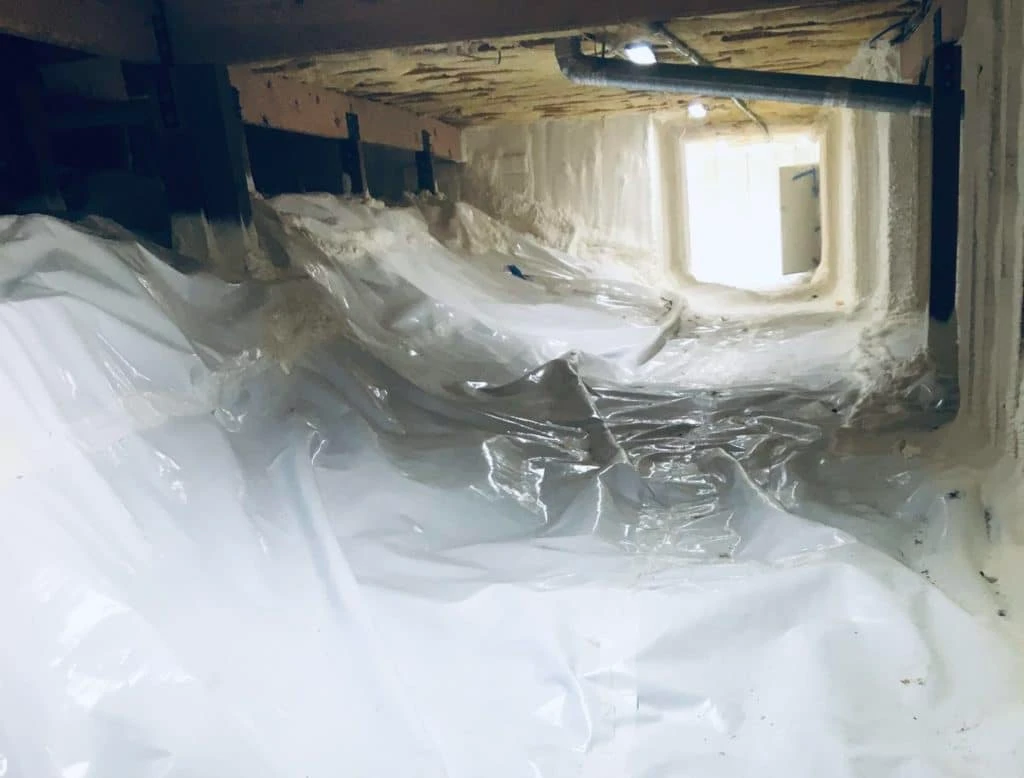
Insulating and encapsulating a crawl space turns it into a clean, dry, and sealed part of the home. This process typically involves:
- Laying down a heavy-duty vapor barrier on the ground.
- Sealing all vents and outside air leaks.
- Insulating the foundation walls.
- Often, adding a dehumidifier to control moisture levels.
This comprehensive approach prevents mold and mildew growth, keeps pests out, and stops harmful soil gases from entering the home, leading to a much healthier living environment for everyone inside.
Structural Protection and Durability
Moisture is a primary enemy of a home’s foundation and structural components. An uninsulated and damp crawl space creates an environment where wood rot can destroy floor joists, beams, and subflooring. This can lead to sagging floors and expensive structural repairs down the line.
Excess moisture also causes metal components like pipes, ductwork, and fasteners to rust and corrode. A properly insulated and sealed crawl space with a vapor barrier keeps the ground moisture out, protecting all these materials from premature failure. By keeping the area dry and temperature-controlled, you extend the life of your home’s foundation and the systems that run through it.
Bonus Tip: Insulating hot and cold water pipes within the crawl space adds another layer of protection. It prevents pipes from freezing and bursting in the winter and helps maintain water temperature, saving energy.
A Comparison of Crawl Space Insulation Methods
Choosing the right insulation material is important for achieving the best results. Different materials offer different advantages in a crawl space environment.
| Insulation Type | Typical R-Value (per inch) | Pros | Cons |
|---|---|---|---|
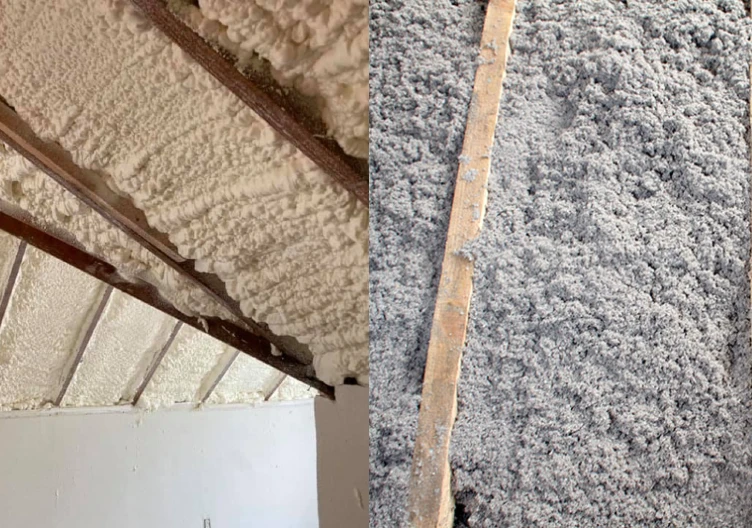
| Spray Foam (Closed-Cell) | R-6 to R-7 | Acts as an air, moisture, and thermal barrier in one. Adds structural rigidity. | Higher upfront cost. Requires professional installation. |
| Rigid Foam Board | R-4 to R-6.5 | Good moisture resistance. Durable and easy to cut. | Seams must be meticulously taped to create an air barrier. |
| Fiberglass Batts | R-3.1 to R-3.7 | Lower material cost. Readily available. | Highly susceptible to moisture absorption, which destroys its R-value and promotes mold. |
For most crawl space applications, closed-cell spray foam or rigid foam board applied to the foundation walls provides a superior, long-lasting solution compared to fiberglass batts installed between the floor joists.
Things to Consider Before Making a Decision
Before you insulate your crawl space, there are a few factors to evaluate to ensure you’re choosing the right strategy for your home.
Existing Crawl Space Condition
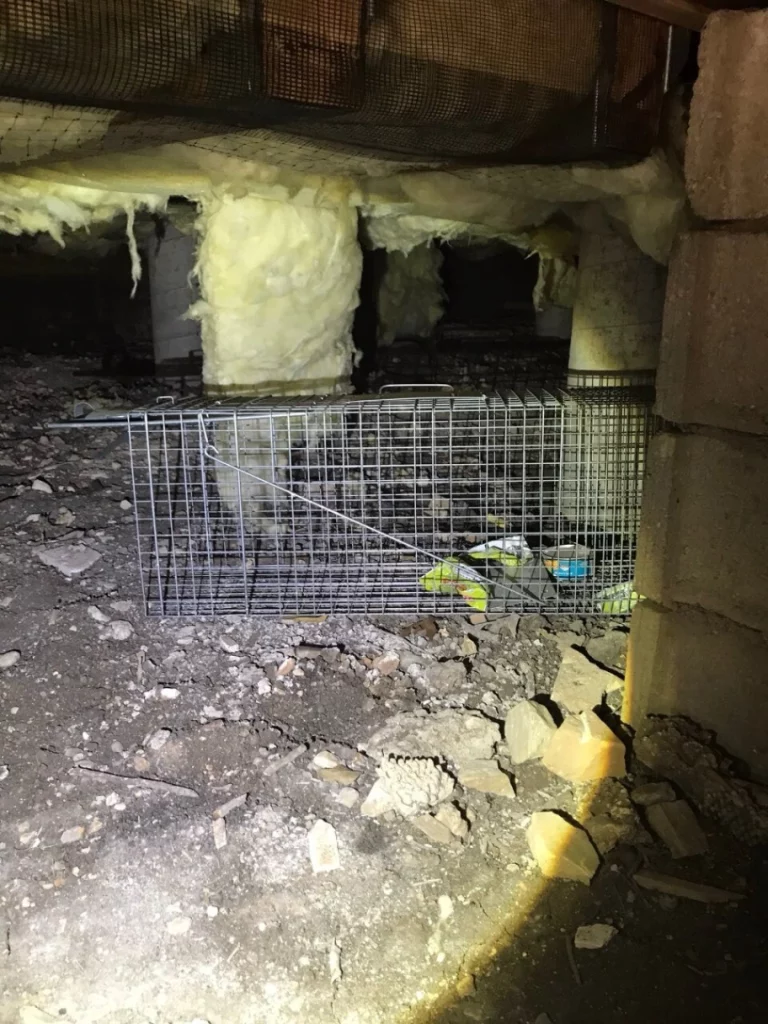
First, assess the current state of the area. Is there standing water, high humidity, mold, or pest activity? Any existing water intrusion issues must be resolved before insulation is installed. This might involve grading the soil outside, installing a sump pump, or fixing plumbing leaks. The area must be clean, dry, and free of debris.
Local Climate Requirements
Your geographic location determines the recommended R-value for your insulation. Colder climates require a higher R-value to prevent heat loss, while homes in warmer, humid climates need to focus more on moisture control. Building codes often specify minimum insulation levels for different parts of the country.
Vented vs Unvented Crawl Space
The traditional approach was to vent crawl spaces to the outside. However, as experts at Building Science Corporation explain, this method often introduces more moisture than it removes, especially in humid climates. The modern, preferred method is to create an unvented, sealed, and conditioned or semi-conditioned crawl space. This involves sealing off all exterior vents and insulating the foundation walls rather than the floor joists above.
Get a Professional Assessment
Understanding the unique conditions of your crawl space is the key to a successful insulation project. For a detailed evaluation and to discuss the best solutions for your property, contact the team at Stellrr Insulation & Spray Foam. You can reach an expert directly by calling (512) 710-2839 to ensure the job is done right.
Sources
- U.S. Department of Energy – Provides official guidance on home insulation strategies and expected energy savings.
- U.S. Environmental Protection Agency – Details common indoor air pollutants and their sources, including those from damp crawl spaces.
- Building Science Corporation – An in-depth article explaining the scientific reasons for sealing and conditioning crawl spaces instead of venting them.
FAQS
What is the difference between encapsulation and insulation?
Insulation provides a thermal barrier to slow heat transfer. Encapsulation is a more complete process that includes laying a vapor barrier, sealing vents, and then insulating the walls to completely isolate the crawl space from the ground and outside air.
How does crawl space insulation affect pest control?
A sealed and insulated crawl space is a great pest deterrent. Sealing cracks and vents eliminates entry points for insects and rodents. Using inorganic insulation materials like spray foam or rigid foam board also removes potential nesting material and food sources for termites and other wood-destroying pests.
Can I insulate a crawl space myself?
While a DIY approach is possible with materials like rigid foam board, achieving a perfect air and moisture seal is difficult without professional tools and experience. Spray foam insulation always requires a certified installer. Given the importance of getting the details right to prevent moisture problems, professional installation is often the safer choice.
What is the ideal humidity level for a crawl space?
The ideal relative humidity for a sealed crawl space should be maintained between 30% and 50%. This range is low enough to prevent mold growth and protect the home’s wooden structure. A dehumidifier is often installed to maintain this level automatically.
Is Insulating Your Crawl Space Worth It?
For most homes, the answer is a clear yes. The combined benefits of lower energy bills, cleaner indoor air, a more durable structure, and improved comfort make crawl space insulation a smart investment. It addresses the root cause of many common household problems, from high utility costs to musty odors. By treating the crawl space as a part of the home rather than a separate, neglected area, you create a more efficient and healthier living space from the ground up. Before moving forward, evaluate your home’s specific needs, your local climate, and your long-term goals.