Choosing between acoustic insulation, thermal insulation, or dual-performance materials can significantly impact building comfort, energy efficiency, and occupant satisfaction. While thermal insulation focuses on reducing heat transfer to maintain comfortable temperatures inside a building, acoustic insulation addresses sound transmission between spaces. According to Wikipedia on Building Insulation, insulation materials often serve multiple functions simultaneously, including thermal resistance, sound control, fire resistance, and impact insulation.
The decision depends on your project priorities. If energy efficiency is the primary concern, thermal insulation with high R-values should lead your specification. If noise control between units or rooms is critical, materials with superior Sound Transmission Class (STC) ratings take precedence. Modern dual-performance materials can address both needs simultaneously, though they often involve higher upfront costs and more complex installation requirements.
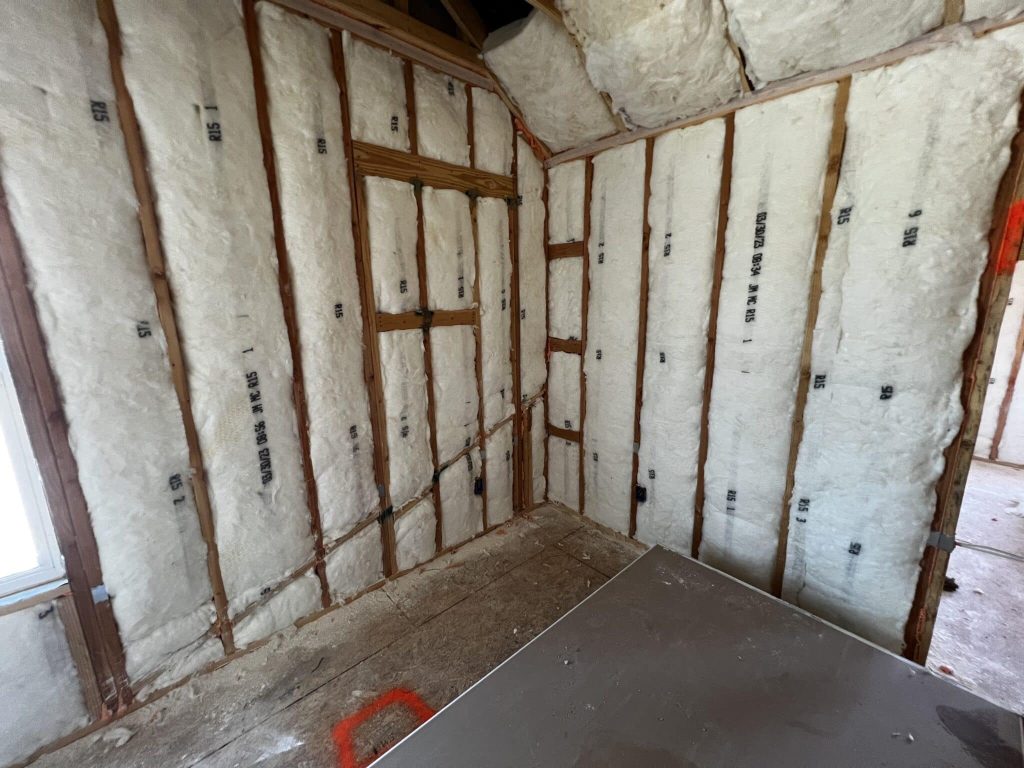
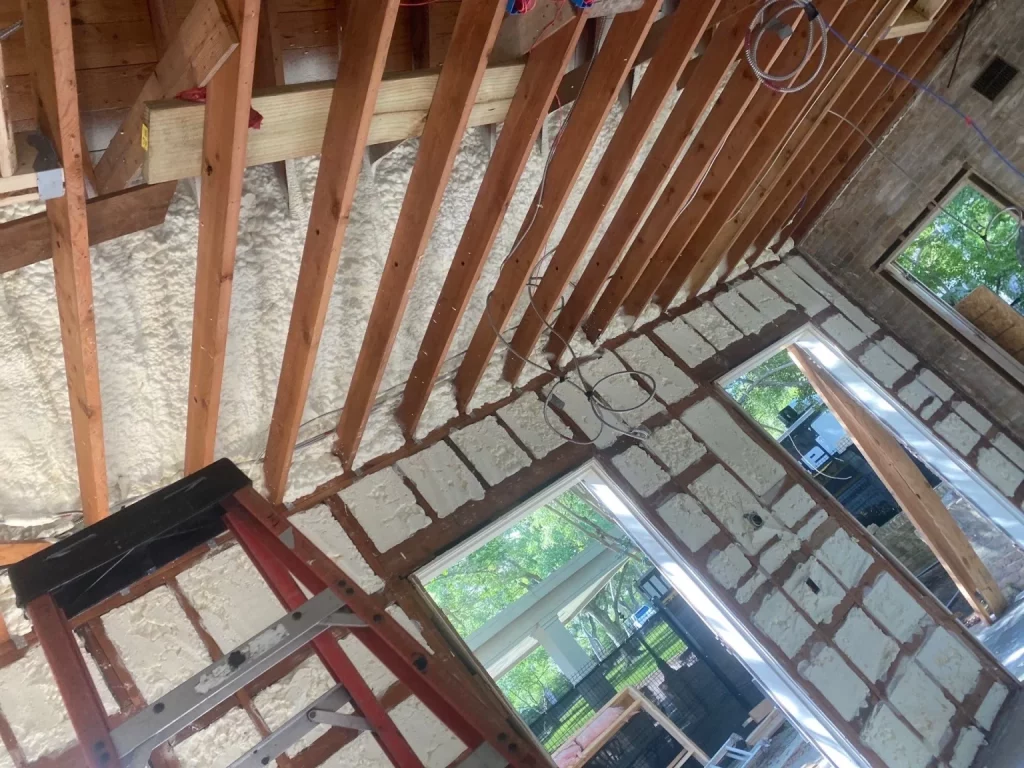
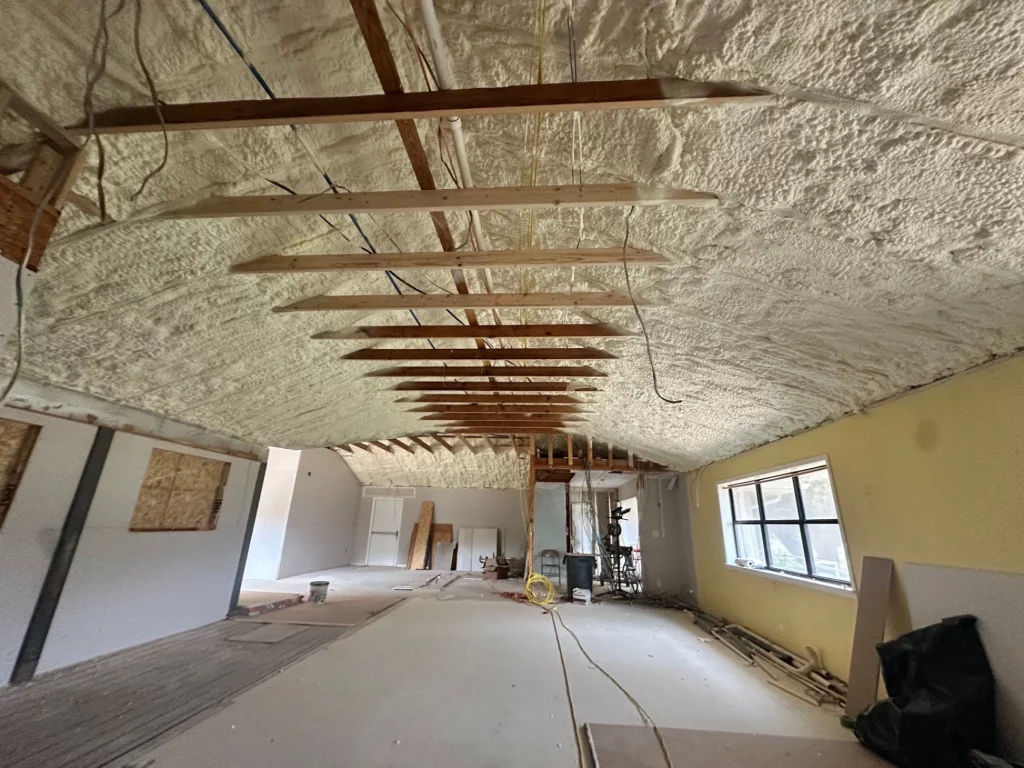
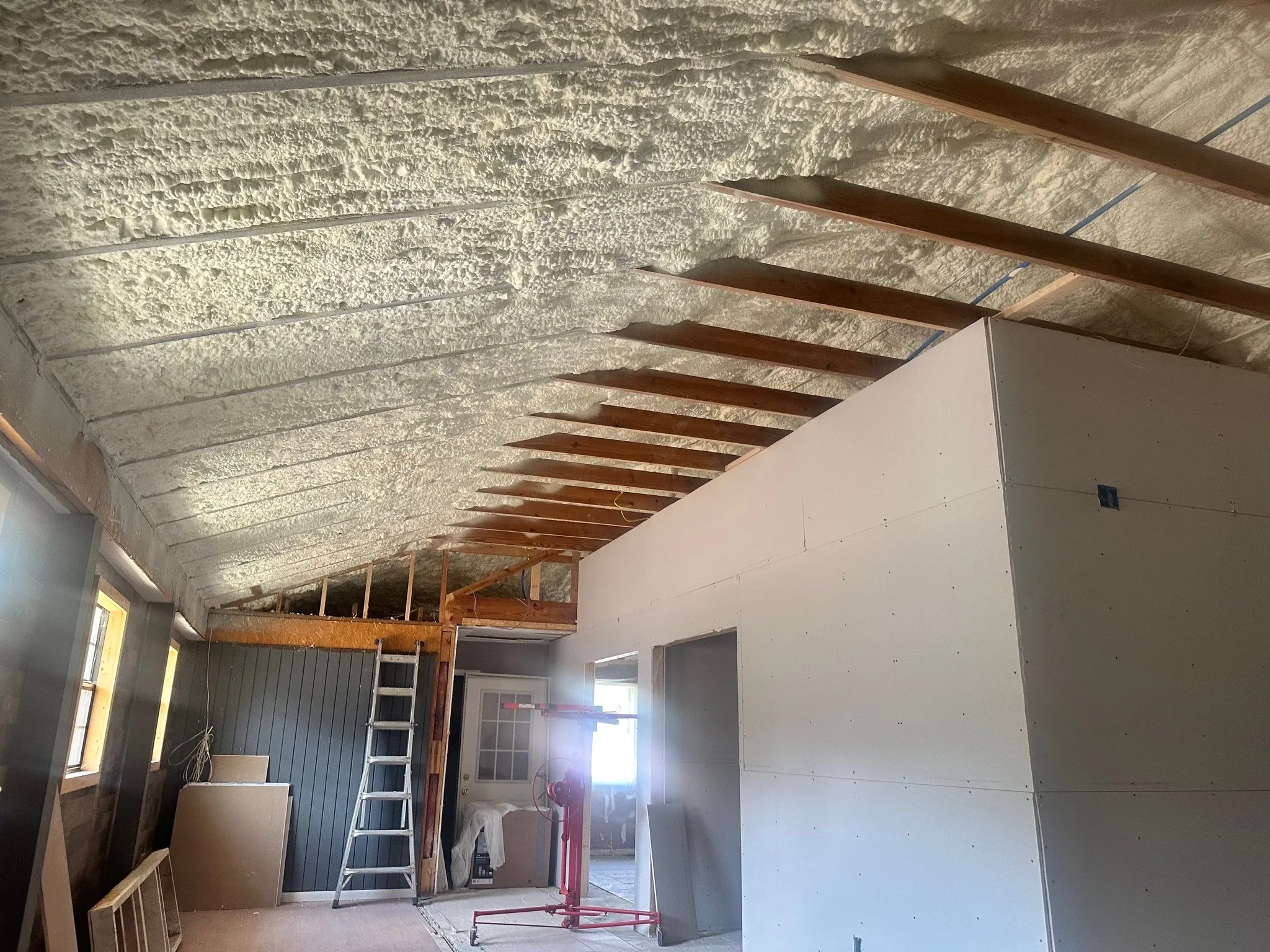
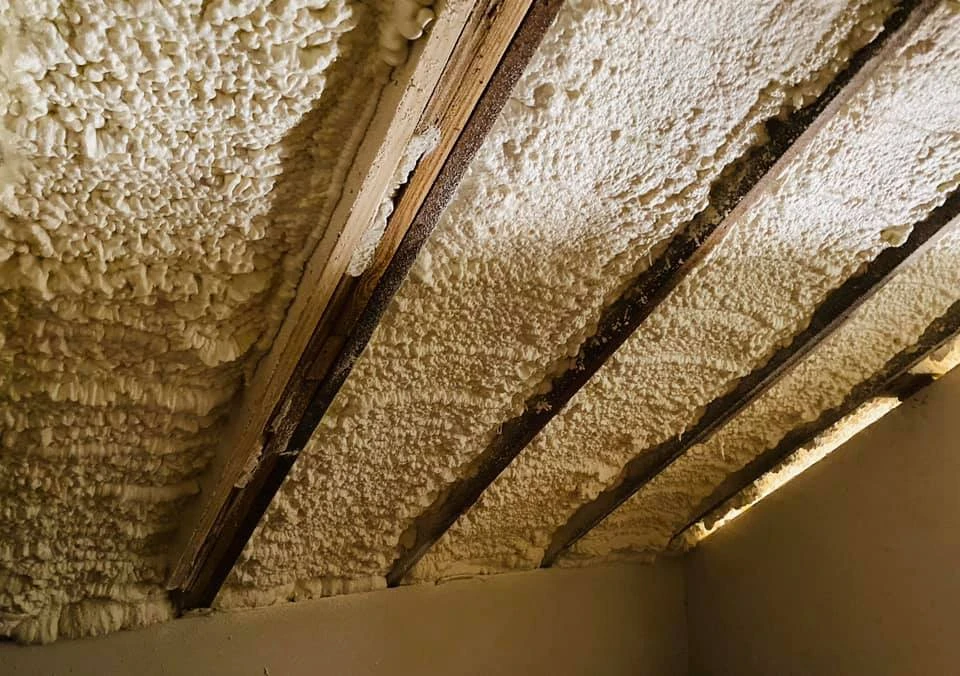
For most commercial and residential applications, a layered approach works best. Thermal insulation batts, such as fiberglass or mineral wool, provide baseline R-values, while mineral wool specifically offers superior sound-dampening properties due to its higher density and fiber structure. Spray foam insulation delivers exceptional thermal performance with R-6 to R-7 per inch but requires professional installation and provides minimal acoustic benefit without additional soundproofing measures.
Our team at Stellrr helps contractors and building owners evaluate insulation options based on their specific performance requirements, budget constraints, and long-term efficiency goals.
TLDR / Key Takeaways
- Thermal insulation is measured by R-value, indicating resistance to heat flow; acoustic insulation is rated by STC (Sound Transmission Class) for airborne sound reduction
- Mineral wool provides better acoustic performance (STC improvement of 5-8 points) than standard fiberglass while offering similar thermal resistance (R-3 to R-4 per inch)
- Spray foam insulation delivers the highest thermal R-values (R-6 to R-7 per inch for closed-cell), but minimal acoustic benefits
- Dual-cavity wall structures can achieve Rw ratings of 43 to 52 dB, significantly improving both thermal and acoustic performance
- Building codes typically require STC 50 minimum for dwelling unit separations per the International Building Code 2021
- Material density directly correlates with sound absorption: higher-density materials block more sound waves
- Sustainable insulation alternatives like sheep wool, hemp, and flax offer competitive thermal conductivity (0.031-0.046 W/mK) with good sound absorption
How Thermal and Acoustic Insulation Works
Thermal Insulation Mechanics
Thermal insulation reduces heat transfer through conduction, convection, and radiation. According to the MDPI review on sustainable insulation materials, thermal conductivity values below 0.07 W/mK define effective thermal insulation materials. The effectiveness of thermal insulation is measured by its thermal conductivity, expressed in watts per meter-Kelvin (W/mK), with lower values indicating better performance.
Bulk insulation materials work by trapping air or gas within their structure. Materials like fiberglass, mineral wool, and cellulose create tiny air pockets that slow heat transfer significantly. Reflective insulation, such as radiant barriers, works differently by reflecting radiant heat rather than absorbing it.
For thermal insulation, the critical metric is R-value, which represents thermal resistance. According to the U.S. Department of Energy, recommended R-values vary by climate zone and building component. Attic insulation in most climates should reach R-38 to R-49, while wall cavities typically require R-13 to R-21, depending on location.
Acoustic Insulation Mechanics
Acoustic insulation controls sound transmission by absorbing sound energy and preventing its travel through building assemblies. As documented in the Wikipedia article on Sound Transmission Class, STC is an integer rating that measures how well partitions attenuate airborne sound.
The two fundamental principles for improving sound insulation are adding mass and increasing overall thickness. Fibrous insulation materials, such as mineral wool, can increase STC ratings by 5 to 8 points when properly installed in wall or ceiling cavities.
Sound absorption converts acoustic energy into heat through friction within porous materials. This differs from sound blocking, which uses mass to physically prevent sound waves from passing through a structure.
Performance Comparison Table
| Property | Thermal Insulation (Fiberglass) | Acoustic Insulation (Mineral Wool) | Spray Foam (Closed Cell) |
|---|---|---|---|
| R-value per inch | R-3.0 to R-3.8 | R-3.0 to R-4.0 | R-6.0 to R-7.0 |
| STC Improvement | +4 to +6 points | +5 to +8 points | Minimal |
| Density | 0.5-2.0 lb/ft³ | 1.6-11.0 lb/ft³ | 1.5-2.0 lb/ft³ |
| Fire Resistance | Class A | Class A | Class B-C |
| Moisture Resistance | Low | High | High |
| Installation | DIY friendly | Professional recommended | Professional required |
| Air Sealing | No | No | Yes |
Dual-Performance Materials: The Best of Both Worlds
Some insulation materials deliver strong performance in both thermal and acoustic categories. Research published in the European Journal of Wood and Wood Products demonstrates that dual-cavity wall structures can achieve significant improvements in both airborne sound insulation and thermal performance.
Mineral wool emerges as the standout dual-performance material. Its dense, fibrous composition provides excellent thermal resistance while trapping sound waves effectively. The material’s higher density (compared to fiberglass) makes it particularly effective at blocking low-frequency sounds that are most difficult to control.
Sheep wool insulation offers another excellent dual-performance option, with thermal conductivity ranging from 0.034 to 0.050 W/mK and sound absorption coefficients reaching 0.977 at certain frequencies. Bio-based materials like hemp and kenaf also show promise, with thermal conductivities between 0.039 and 0.123 W/mK and sound absorption up to 0.95.
For contractor applications, consider these specifications:
- Interior wall partitions: Mineral wool batts provide STC 45-55 with R-13 to R-15 thermal resistance
- Exterior walls: Dual-layer approach using mineral wool (interior) with continuous insulation (exterior) achieves R-35+ while meeting acoustic requirements
- Ceiling assemblies: Cellulose or mineral wool provides both thermal upgrade potential and STC improvements of 8-12 points
When to Prioritize Thermal vs. Acoustic Insulation
Prioritize Thermal Insulation When:
- Building envelope optimization is the primary goal
- HVAC system efficiency improvements are targeted
- Energy code compliance requires specific R-values
- Climate zones 4-8 (heating-dominated regions)
- New construction allows for continuous exterior insulation
Prioritize Acoustic Insulation When:
- Multifamily residential separations are required
- Commercial spaces need speech privacy between offices
- Recording studios, theaters, or healthcare facilities
- Building code specifies minimum STC ratings
- Urban environments with significant external noise
Choose Dual-Performance When:
- Both thermal and acoustic requirements exist
- Budget allows for quality materials
- Building occupants expect comfort in both areas
- Green building certifications are targeted
- Projects where retrofit opportunities are limited
Factors Influencing Material Selection
Climate Zone Requirements
The U.S. Department of Energy recommends insulation levels based on eight climate zones. Northern zones (6-8) require higher R-values for walls (R-20 to R-26) compared to southern zones (1-3), where R-13 may suffice. Always verify local code requirements as they frequently exceed federal minimums.
Building Type and Occupancy
Commercial buildings often prioritize thermal efficiency for operating cost reduction. Multifamily residential requires acoustic separation between units per building codes. Healthcare and educational facilities face strict noise requirements that typically mandate acoustic-focused specifications.
Budget Constraints
Thermal insulation offers a faster return on investment through energy savings. Acoustic insulation delivers value through occupant comfort and privacy. A balanced approach costs 15-25% more than thermal-only solutions but provides comprehensive performance benefits.
Installation Complexity
Fiberglass batts suit skilled DIY contractors. Mineral wool requires professional installation but provides superior performance. Spray foam demands certified applicators and specialized equipment.
Real-World Contractor Scenarios
| Scenario | Property Type | Recommended Solution | Key Performance Target |
|---|---|---|---|
| New apartment complex | Multifamily residential | Mineral wool in all interior partitions plus thermal batt insulation in exterior walls | STC 50+, R-20 walls |
| Office renovation | Commercial | Remove existing drywall, add R-13 fiberglass, install resilient channels, new drywall | STC 45+, noise reduction |
| Historic home upgrade | Single-family residential | Dense-pack cellulose in walls, blown-in attic insulation | R-38 attic, improved sound isolation |
| Healthcare facility | Institutional | Mineral wool with double-layer drywall and acoustic sealants | STC 55+, infection control compatibility |
| Mixed-use development | Ground-floor retail, upper residential | Acoustic separation floor assemblies, thermal perimeter insulation | STC 60+ between uses |
Installation Considerations for Contractors
Proper installation determines insulation performance. Gaps and voids significantly reduce thermal resistance and acoustic isolation. Research shows that even a 0.1% open area in a partition can reduce transmission loss by 10 dB, undermining acoustic performance.
For thermal insulation, ensure complete coverage with no gaps around penetrations, electrical boxes, or at edges. For acoustic performance, focus on sealing all air paths between spaces and avoid mechanical connections that transmit sound through framing.
Dual-cavity construction, where studs are staggered or doubled with an air gap, provides superior acoustic isolation but requires more framing materials and careful detailing.
Who This Decision Is For
This Comparison Is Ideal For:
- General contractors selecting insulation specifications for projects
- Building owners evaluating retrofit options for existing structures
- Architects specifying performance requirements in construction documents
- Property managers assessing maintenance and upgrade priorities
- Home builders balancing energy efficiency with occupant comfort
This Comparison May Not Be Necessary For:
- Temporary structures where long-term performance is not a priority
- Buildings with existing adequate insulation that only need minor repairs
- Projects with extremely tight budgets where basic thermal insulation suffices
- Storage facilities where occupant comfort is not a concern
Ready to Optimize Your Project?
Choosing the right insulation is critical for long-term efficiency and comfort. If you are a contractor, building owner, or architect, don’t rely on guesswork. Our experts can help you navigate R-values, STC ratings, and dual-performance material specifications to meet your project’s unique requirements and budget.
Contact Stellrr Insulation & Spray Foam at 512-520-0044 or send an email info@stellrr.com today for a custom insulation evaluation and consultation.
Frequently Asked Questions
Can I use standard fiberglass insulation for both thermal and acoustic control?
Standard fiberglass provides reasonable thermal performance (R-3 to R-3.8 per inch) but minimal acoustic benefit. Adding fiberglass to an empty wall cavity improves STC by only 4-6 points. For acoustic control, specify mineral wool or add separate soundproofing measures such as resilient channels and acoustic sealants.
What R-value do I need for my climate zone?
The Department of Energy provides ZIP code-based recommendations at their website. Generally, attics require R-38 to R-49 in colder climates and R-30 to R-38 in warmer zones. Wall cavities should achieve R-13 to R-21 depending on location. Always verify local code requirements as they often exceed federal recommendations.
How much can dual-performance insulation reduce energy costs?
Research indicates that proper thermal insulation reduces heating and cooling energy consumption by 15-30% compared to uninsulated buildings. Acoustic insulation provides indirect savings through improved occupant comfort and reduced complaints, though quantifying exact energy impact is difficult.
What STC rating is required by building codes?
International Building Code 2021 specifies STC 50 minimum for separations between dwelling units and public/service areas. Field-tested assemblies may use NNIC 45 minimum. Many jurisdictions have adopted stricter local requirements, particularly for multifamily housing and hotels.
How does moisture affect insulation performance?
Moisture reduces thermal resistance significantly. Closed-cell spray foam resists moisture penetration, while open-cell foam and fibrous materials can lose 20-40% of their R-value when saturated. Mineral wool maintains stable performance in moist conditions due to its water-resistant properties.
Sources
- Wikipedia – Building Insulation – Comprehensive overview of thermal insulation principles, materials, and building applications in construction.
- Wikipedia – Sound Transmission Class – Standardized rating system for measuring airborne sound transmission through building partitions.
- MDPI Buildings Journal – Comprehensive Review of Sustainable Thermal and Acoustic Insulation Materials – Academic review comparing thermal conductivity and sound absorption coefficients across natural and synthetic insulation materials.
- European Journal of Wood and Wood Products – Dual-Cavity Wall Study – Research on enhanced sound and thermal insulation in lightweight frame structures using dual-cavity designs.