Proper floor joist insulation is one of the most impactful upgrades you can make for your Georgetown, TX home’s crawl space, directly influencing your energy bills, indoor comfort, and long-term structural health. In this region where humidity swings between scorching summers and occasional winter freezes, insulating the floor joists creates a thermal barrier that prevents conditioned air from escaping while blocking moisture and outdoor temperature fluctuations from penetrating your living spaces. The right insulation approach depends on your crawl space configuration, existing ventilation, and specific comfort goals, but the benefits extend beyond just temperature control into mold prevention, pest deterrence, and consistent whole-home performance.
TLDR / Key Takeaways
- Floor joist insulation reduces energy loss through the subfloor by creating a continuous thermal barrier between the crawl space and living areas above
- Georgetown’s hot summers and occasional cold snaps make insulation a year-round energy-saving strategy rather than a seasonal fix
- The choice between batt, rigid foam, and spray foam insulation each serves different performance needs and budget considerations
- Air sealing before insulation dramatically improves effectiveness, as gaps and penetrations undermine thermal performance
- Proper installation spacing prevents moisture accumulation and mold growth on wood components
- Crawl space insulation outperform vented crawl spaces in energy efficiency according to residential building standards
- Professional assessment ensures the right R-value and material selection for your specific home configuration
- Combined with vapor barriers, floor joist insulation provides comprehensive moisture management for the entire crawl space
Why Floor Joist Insulation Matters in Georgetown’s Climate
Georgetown experiences a climate that demands attention to thermal performance in ways that differ from both humid coastal regions and dry southwestern areas. Summers regularly push temperatures above 95 degrees Fahrenheit, and while winters remain mild by northern standards, freeze events do occur and can last several days. This combination creates a unique challenge for homes with vented crawl spaces, where the area beneath your floors becomes a transitional zone between outdoor conditions and your conditioned interior.
When your crawl space vents remain open, summer heat and humidity pour into the space beneath your home. This warm, moist air contacts cooler surfaces, and condensation forms on ductwork, pipes, and floor joists. During winter, the same process reverses, with cold outdoor air cooling the crawl space and drawing heat from your floors above. Each scenario forces your HVAC system to work harder, consuming more energy to maintain comfortable temperatures inside your home.
Floor joist insulation addresses this problem by establishing a thermal boundary at the ceiling of your crawl space. By installing insulation between the joists and sealing the boundary where the joists meet exterior walls, you create a barrier that slows heat transfer regardless of crawl space conditions. The result is more consistent floor temperatures, reduced reliance on heating and cooling systems, and protection for plumbing and mechanical components from temperature extremes.
Understanding R-Values and Material Options
The effectiveness of floor joist insulation depends primarily on two factors: the R-value of the insulation you choose and the completeness of the installation. R-value measures thermal resistance, with higher numbers indicating better insulating performance. For Georgetown area homes, building professionals typically recommend R-25 to R-30 insulation for floor joists in conditioned crawl spaces, though unvented or vented configurations may require adjustments.
Three primary insulation materials dominate the floor joist market, each with distinct characteristics that affect both performance and installation requirements.
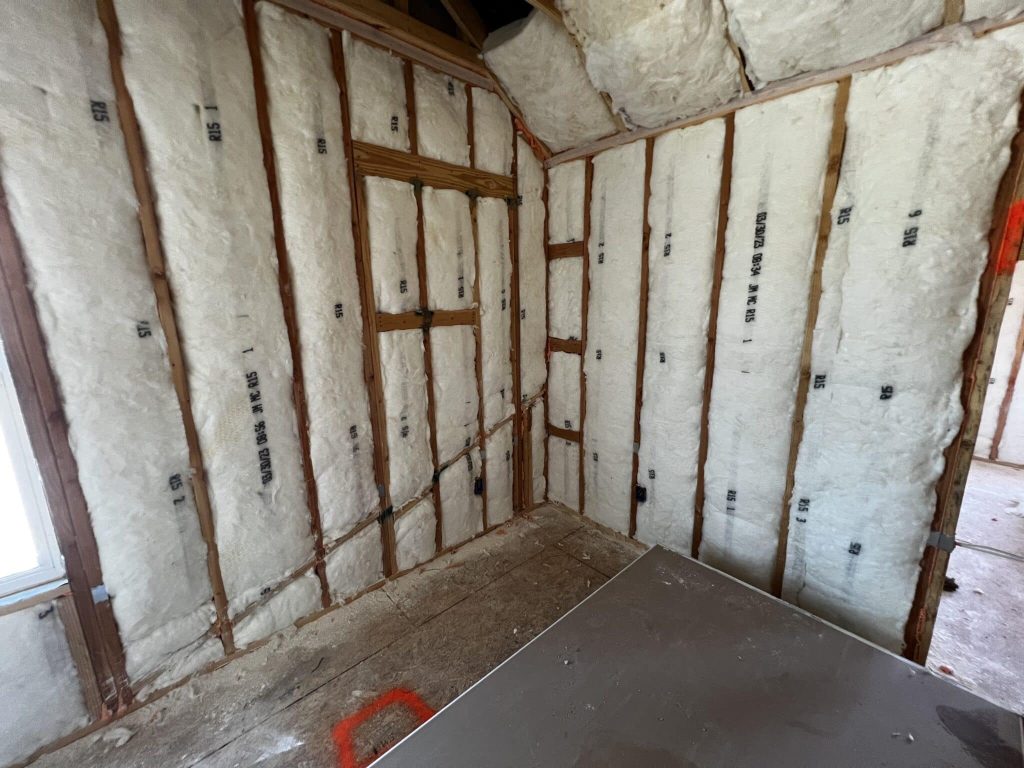
Batt insulation, made from fiberglass or mineral wool, represents the most common and affordable option. It comes in rolls or pre-cut blankets designed to fit between standard joist spacing. Batt insulation performs adequately when properly installed, but gaps around edges, compression in corners, and damage from moisture quickly diminish its effectiveness. For crawl spaces with any history of moisture issues, batt insulation requires careful inspection and replacement schedules.
Rigid foam boards offer superior moisture resistance compared to fibrous materials. Extruded polystyrene (XPS) or polyisocyanurate boards can be cut to fit joist bays and provide a continuous insulation layer when edges are sealed with appropriate tape or spray foam. Rigid foam achieves higher R-values per inch than batt insulation and maintains performance even when exposed to moisture. The primary drawback involves installation time, as each bay must be measured, cut, and fitted individually.
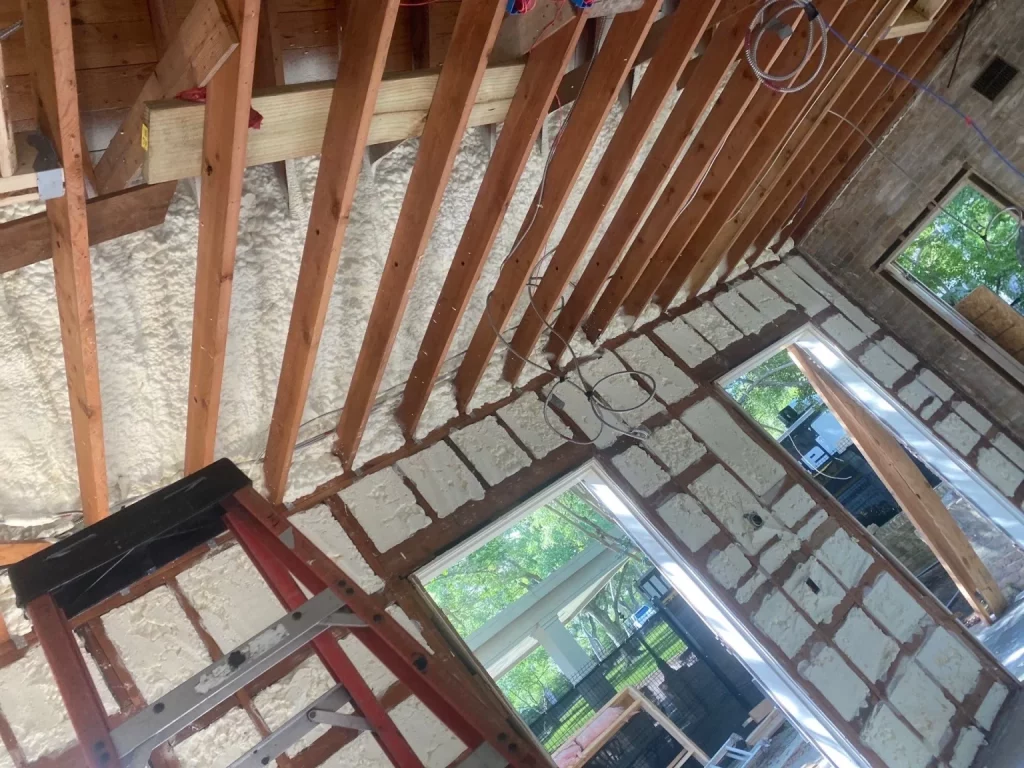
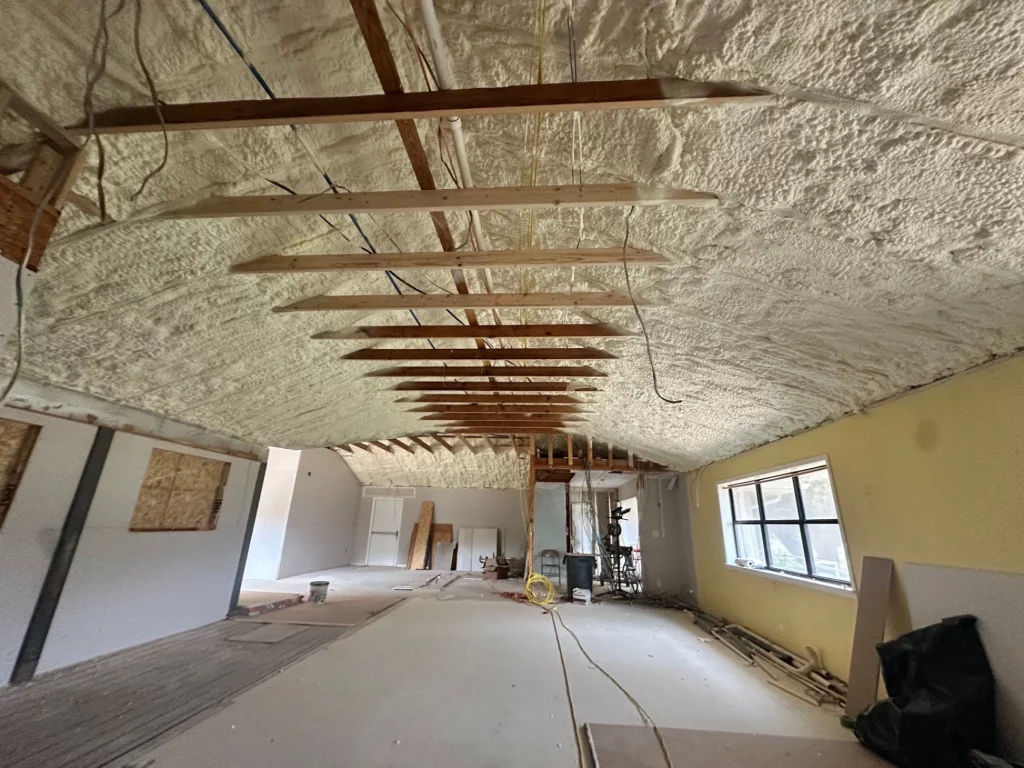
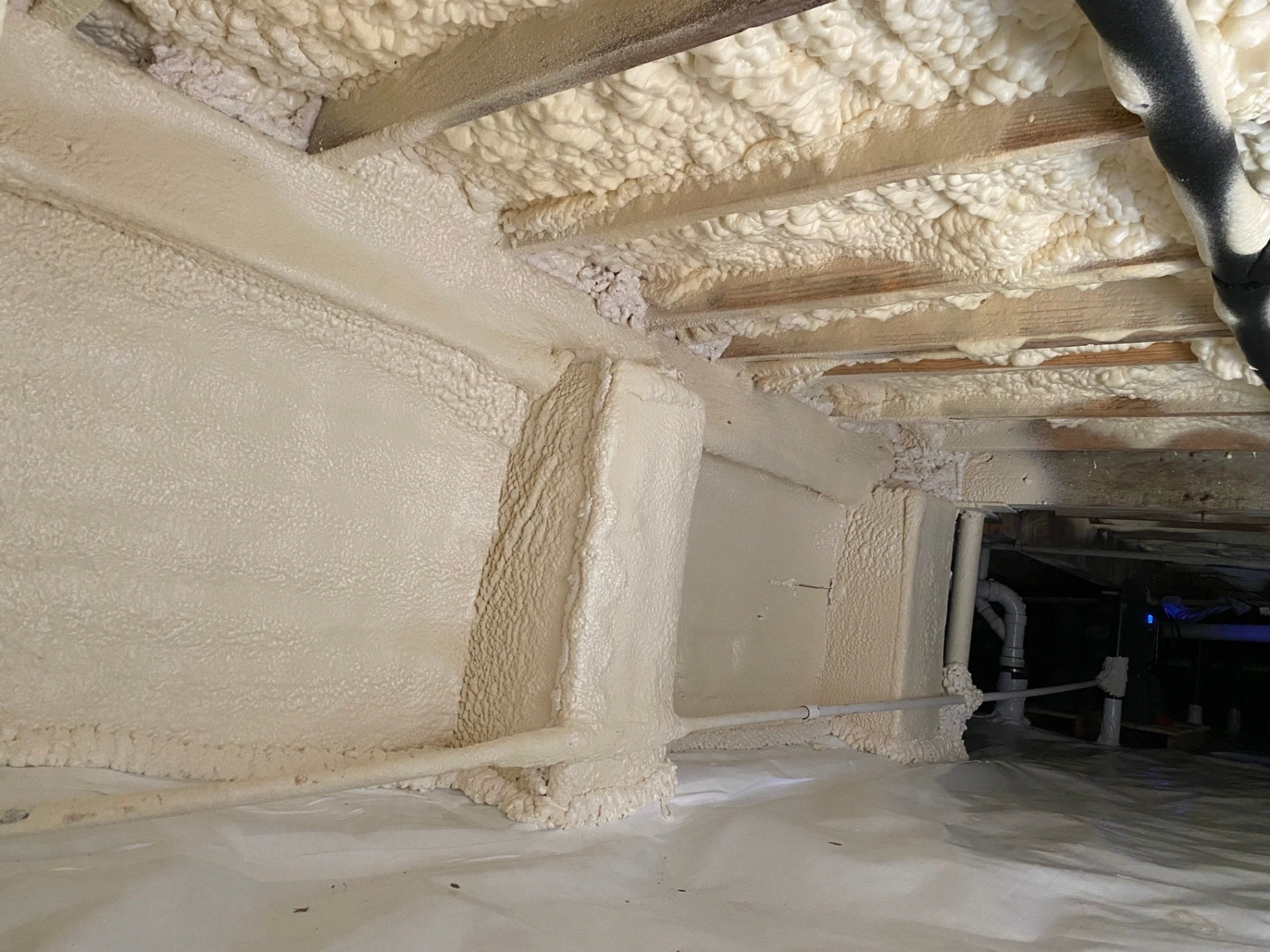
Spray foam insulation provides the highest performance among available options. Closed-cell spray foam expands to fill gaps, cracks, and irregular surfaces, creating both insulation and air sealing in a single application. While the upfront cost exceeds that of other materials, spray foam often delivers better long-term value through superior thermal performance and air sealing benefits. For crawl spaces with complex configurations, numerous penetrations, or existing moisture challenges, spray foam frequently proves the most practical solution.
| Insulation Type | Typical R-Value per Inch | Moisture Resistance | Air Sealing Capability | Installation Complexity |
|---|---|---|---|---|
| Fiberglass Batt | 3.1 to 3.7 | Low | Minimal | Low |
| Mineral Wool Batt | 3.0 to 3.3 | Low | Minimal | Low |
| XPS Rigid Foam | 5.0 | High | Moderate (requires sealing) | Moderate |
| Polyiso Rigid Foam | 5.5 to 6.5 | High | Moderate (requires sealing) | Moderate |
| Closed-Cell Spray Foam | 6.0 to 6.5 | High | Excellent | High (professional required) |
Common Installation Mistakes That Undermine Performance
Even quality insulation materials fail to deliver expected benefits when installation falls short of professional standards. Understanding these pitfalls helps you evaluate whether your current insulation performs as intended or requires remediation.
Incomplete air sealing at the perimeter of the floor assembly represents the most prevalent issue. Gaps where floor joists meet exterior rim joists or sill plates allow air to bypass insulation entirely, creating thermal bridges that defeat the purpose of the insulation layer. Effective installations require spray foam or caulk applied along these junctions before insulation goes in.
Missing or damaged sections occur when installers skip joist bays due to obstructions or when existing insulation has deteriorated over time. Any gap larger than a few square feet creates a concentrated thermal weak point that disproportionately affects comfort and energy consumption. Thorough inspection of the entire floor assembly reveals these deficiencies.
Compression of fibrous insulation reduces the effective R-value dramatically. When batt insulation is forced into spaces or stepped on during installation, the material becomes compacted and loses loft. Compressed insulation provides a fraction of its rated thermal resistance, leaving homeowners with false confidence in their insulation investment.
Moisture damage compromises both performance and indoor air quality. When humid air reaches cool surfaces through gaps in the vapor barrier or insulation, condensation forms and soaks into fibrous materials. Wet insulation loses all insulating value and becomes a medium for mold growth. Regular crawl space inspections catch moisture problems before they spread.
The Case for Sealed vs. Vented Crawl Spaces
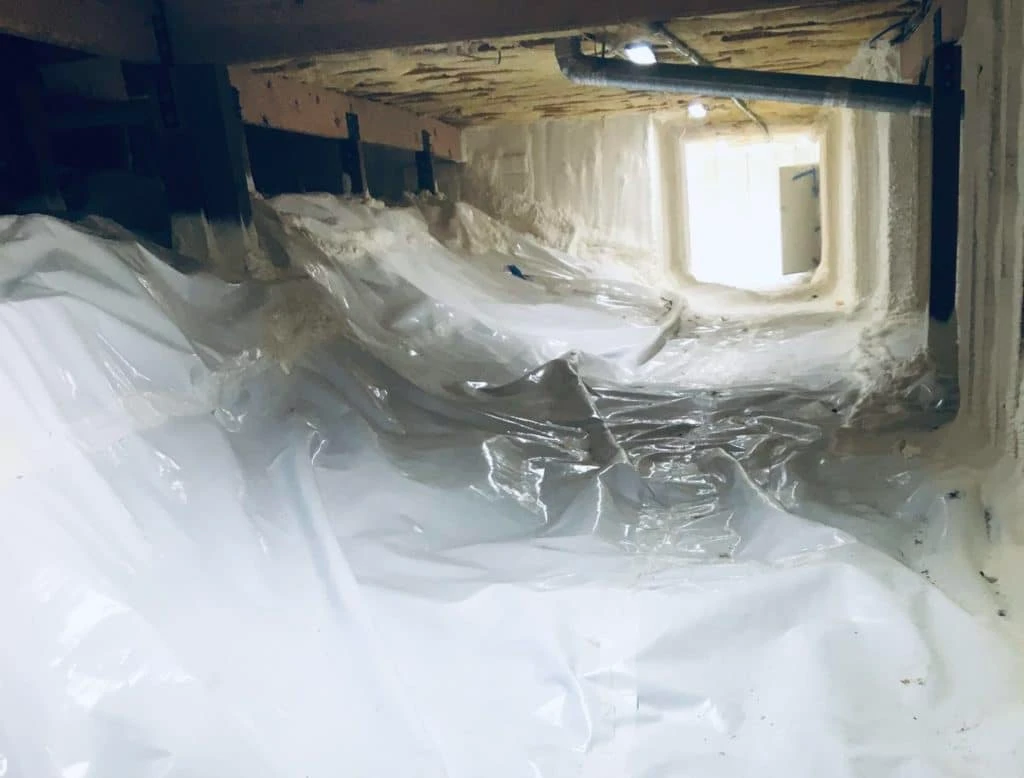
Building science research has shifted professional consensus toward sealed crawl spaces over traditional vented designs, particularly in climates like Georgetown’s, where humidity control proves challenging year-round. A sealed crawl space treats the area beneath your home as part of the conditioned envelope, isolating it from outdoor air and maintaining temperatures closer to interior conditions.
The practical advantages extend beyond simple energy savings. Sealed crawl spaces prevent the entry of outdoor humidity that causes condensation on cold surfaces and promotes wood decay. They eliminate the pathway for radon gas, insects, and rodents that commonly enter through foundation vents. Additionally, ductwork installed in sealed crawl spaces operates more efficiently because supply and return runs experience less temperature differential.
Converting a vented crawl space to a sealed configuration requires closing exterior vents, insulating the foundation walls rather than just the floor joists, and installing a continuous vapor barrier over the ground. This approach works well for new construction and substantial renovations, though older homes with existing floor insulation may benefit from addressing only the floor joist system first.
Evaluating Your Current Insulation Performance
Before committing to any insulation upgrade, assess what exists in your crawl space today. Turn off interior lights and examine the space during daylight hours, looking for gaps where you can see the ground or exterior foundation through floor joist bays. Press on batt insulation to check for compression, and look for dark staining or musty odors that indicate moisture history.
A professional energy assessment provides more comprehensive data through tools like blower door testing and infrared thermography. These diagnostic methods reveal air leakage pathways and temperature variations across your floor assembly, identifying specific locations where improvements yield the greatest return. Many utility programs offer reduced-cost energy assessments that make professional evaluations accessible for Georgetown homeowners.
Signs Your Approach Is Working
After spray foam insulation installation or upgrade, watch for concrete indicators that the investment performs as intended. Floor temperatures become more uniform, eliminating cold spots near exterior walls. Utility bills decrease measurably, typically showing the most dramatic improvement during extreme temperature periods. Musty odors in the home diminish because reduced moisture in the crawl space limits mold development.
Stellrr Insulation & Spray Foam often hear from customers that their HVAC system runs shorter cycles after floor joist insulation, which makes sense given the reduced thermal load the system must address. Similarly, plumbing located in the crawl space experiences fewer freeze concerns during cold snaps, and the overall comfort of first-floor living spaces improves noticeably. Reach out to us at info@stellrr.com or call 512-520-0044 to discuss your project and get a personalized assessment.
Frequently Asked Questions
How does floor joist insulation reduce my energy bills in Georgetown?
Floor joist insulation creates a thermal barrier between your conditioned living space and the crawl space below. During Georgetown summers, it prevents hot crawl space air from warming your floors and forcing your air conditioner to work harder. In winter, it slows heat loss upward, reducing heating demand. Combined, these effects typically yield 10 to 20 percent savings on annual utility costs, with larger savings when your crawl space currently lacks insulation entirely.
What R-value do I need for floor joist insulation in this region?
For Georgetown homes, professionals recommend R-25 to R-30 insulation in floor joist cavities for conditioned crawl spaces. If your crawl space remains vented and unconditioned, R-30 to R-38 may provide better performance given the larger temperature differential between the crawl space and your living areas above.
Should I use faced or unfaced insulation for floor joists?
Unfaced insulation works best for floor joist installation in crawl spaces. Faced insulation includes a vapor retarder on one side, but in floor joist applications, the facing can trap moisture between the insulation and the subfloor above, potentially causing wood moisture issues. Instead, address vapor management through ground-cover vapor barriers and proper crawl space ventilation strategies.
How long does floor joist insulation last before needing replacement?
Quality batt insulation typically lasts 15 to 20 years before performance degradation becomes significant. Rigid foam and spray foam can exceed 30 years with proper installation and moisture management. However, any insulation exposed to water damage, sustained high humidity, or physical compression requires immediate replacement regardless of age.
Can I install floor joist insulation myself, or should I hire professionals?
DIY installation works for batt insulation in accessible crawl spaces with standard joist spacing. However, professional installation ensures complete air sealing at rim joists and sill plates, correct material selection for your specific conditions, and identification of moisture or structural issues that may require attention. Given that improper installation significantly reduces thermal performance, the cost difference between DIY and professional work often represents the difference between actual and wasted investment.
Sources
- U.S. Department of Energy – Insulation: Sealing Your Home – Federal guidance on insulation types, R-values, and installation best practices for residential energy efficiency.
- Energy Star – Sealed Crawl Spaces – EPA program guidance on sealed crawl space construction and retrofit strategies for energy efficiency.
- Texas A&M AgriLife Extension – Energy Efficient Homes – University research-based guidance on residential energy efficiency strategies adapted for Texas climate conditions.