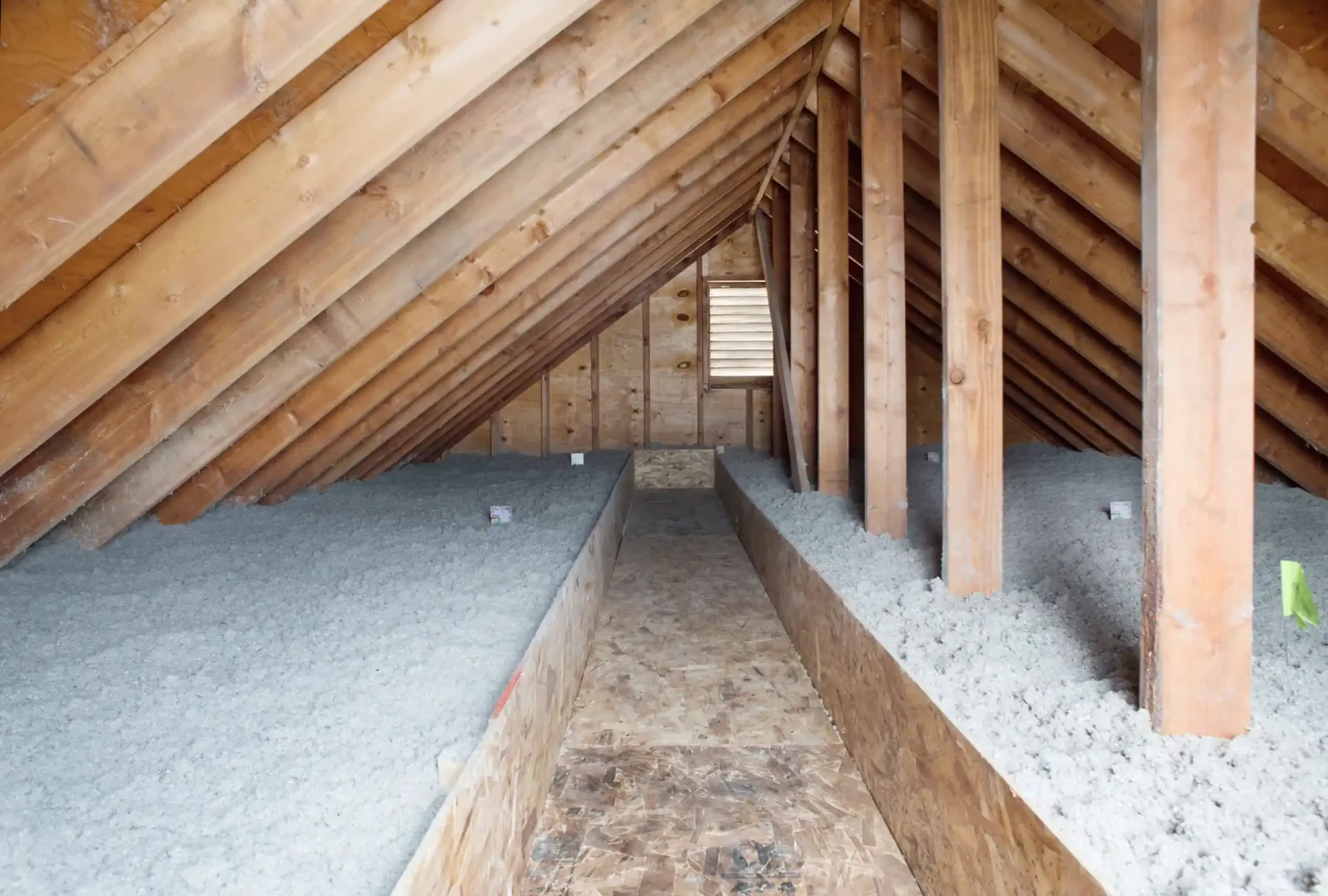
Cellulose insulation stands out as one of the most environmentally responsible choices homeowners can make when insulating their residences. Made primarily from recycled paper products, cellulose insulation delivers exceptional thermal performance while diverting massive amounts of waste from landfills. Beyond its recycled content, cellulose insulation requires significantly less energy to manufacture compared to fiberglass or spray foam alternatives, meaning your Natural Resources Defense Council – Energy Efficient Home Improvements translates into measurable carbon reductions long before you ever flip your first light switch.
The environmental advantages of cellulose insulation extend from production through installation and into the decades of energy savings your home will generate. When you choose cellulose for your residential insulation project, you are supporting sustainable manufacturing processes, reducing landfill burden, lowering your household energy consumption, and creating a healthier indoor environment free from harmful chemical off-gassing. This article examines how cellulose insulation achieves these environmental benefits and provides the strategic insights you need to make an informed decision for your home.
Key Takeaways
- Cellulose insulation contains up to 85% recycled content, significantly reducing landfill waste compared to other insulation materials
- Manufacturing cellulose insulation requires approximately 300% less energy than fiberglass insulation production
- The R-value per inch of cellulose insulation (R-3.2 to R-3.8) provides superior thermal resistance that translates to measurable energy savings
- Cellulose insulation reduces air infiltration through dense-pack application, decreasing heating and cooling demands
- The embodied carbon of cellulose insulation is substantially lower than that of petroleum-based insulation materials
- Borate-treated cellulose provides fire resistance and mold protection without toxic chemical additives
- Proper installation of cellulose insulation can reduce overall home energy consumption by 20 to 40%
- Cellulose insulation contributes to improved indoor air quality by eliminating formaldehyde and other volatile organic compounds found in some insulation products
Understanding Cellulose Insulation Environmental Benefits
Cellulose insulation derives its name from its primary component: cellulose, which constitutes approximately 75 to 85% of the material. This cellulose comes almost entirely from post-consumer recycled newsprint, cardboard, and other paper products that would otherwise occupy valuable landfill space. The remaining 15 to 25% consists of fire-retardant additives, typically borax and boric acid, which provide crucial safety properties without introducing toxic chemicals into your home.
The production process for cellulose insulation involves shredding and grinding recovered paper into fibrous material, then treating it with fire-retardant chemicals in a controlled environment. This manufacturing approach requires dramatically less energy than producing fiberglass insulation, which must be melted at extremely high temperatures, or spray foam insulation, which relies on petroleum-derived chemicals. According to the Cellulose Insulation Manufacturers Association – Environmental Benefits of Cellulose, the embodied energy of cellulose insulation is among the lowest of any common insulation material available to homeowners today.
Embodied Carbon and Manufacturing Impact
Embodied carbon refers to the total greenhouse gas emissions associated with producing a material, from raw material extraction through manufacturing and transportation. Cellulose insulation excels in this category because it primarily uses materials that have already completed their primary lifecycle. Rather than requiring new raw material extraction and energy-intensive processing, cellulose insulation transforms existing waste products into high-performance building materials.
The carbon footprint comparison between insulation types reveals significant advantages for cellulose. Fiberglass insulation, while containing some recycled glass, requires sustained high-temperature furnace operations that consume substantial electricity and natural gas. Spray foam insulation depends on petrochemical feedstocks that carry the carbon intensity of oil and gas production. Cellulose insulation sidesteps these impacts by working with materials already in circulation, making it a clear leader in embodied carbon reduction.
Performance Comparison: Cellulose Against Alternative Insulation Materials
Building Science Corporation – Insulation Performance Research relative to other options helps contextualize its environmental advantages within the broader context of home energy efficiency.
| Insulation Type | Recycled Content | Embodied Energy | R-Value per Inch | Air Sealing Ability | Lifespan |
|---|---|---|---|---|---|
| Cellulose (dense-pack) | 75-85% | Low | 3.2-3.8 | Excellent | 20-30+ years |
| Fiberglass (batts) | 20-30% | Moderate | 3.0-3.5 | Poor | 20-30 years |
| Fiberglass (blown) | 20-40% | Moderate | 2.2-2.7 | Moderate | 20-30 years |
| Spray Foam (closed-cell) | 0% | High | 6.0-7.0 | Excellent | 80+ years |
| Mineral Wool | 70-80% | Moderate-High | 3.0-3.3 | Good | 20-30+ years |
The data shows that cellulose insulation delivers superior air-sealing performance compared to fibrous alternatives while maintaining competitive R-values. Dense-pack cellulose application fills wall cavities completely, eliminating the gaps and voids that commonly plague batt insulation installations. This thorough coverage prevents air leakage that would otherwise undermine the thermal resistance of your wall system.
Long-Term Energy Savings and Carbon Reduction
The environmental impact of insulation extends beyond production into the operational phase of your home. Cellulose insulation contributes to energy savings that compound over decades of use, effectively offsetting its initial environmental footprint many times over. A well-insulated home with cellulose in walls, attics, and floors requires less energy for heating and cooling, directly reducing fossil fuel consumption and associated greenhouse gas emissions.
The U.S. Department of Energy – Insulation Materials estimates that proper insulation can reduce heating and cooling costs by 15 to 30%, depending on climate zone and existing insulation levels. For an average American home, this translates to annual savings that multiply across the insulation lifespan. The cumulative effect means that the carbon displaced through reduced energy consumption far exceeds the carbon invested in manufacturing and installing the insulation in the first place.
Health and Indoor Environmental Quality Advantages
Beyond carbon considerations, cellulose insulation offers health benefits that align with environmental sustainability. Environmental Protection Agency – Green Building Materials sometimes contain formaldehyde binders or chemical fire retardants that off-gas into living spaces over time. Cellulose insulation eliminates these concerns through its borate-based treatment, which provides fire resistance and pest protection without toxic chemical emissions.
This indoor air quality advantage represents a meaningful environmental benefit for households with children, elderly residents, or individuals with respiratory sensitivities. By choosing insulation that does not compromise interior air quality, homeowners create healthier living environments while avoiding the environmental costs associated with manufacturing and disposing of chemical-laden building materials.
Installation Efficiency and Waste Reduction
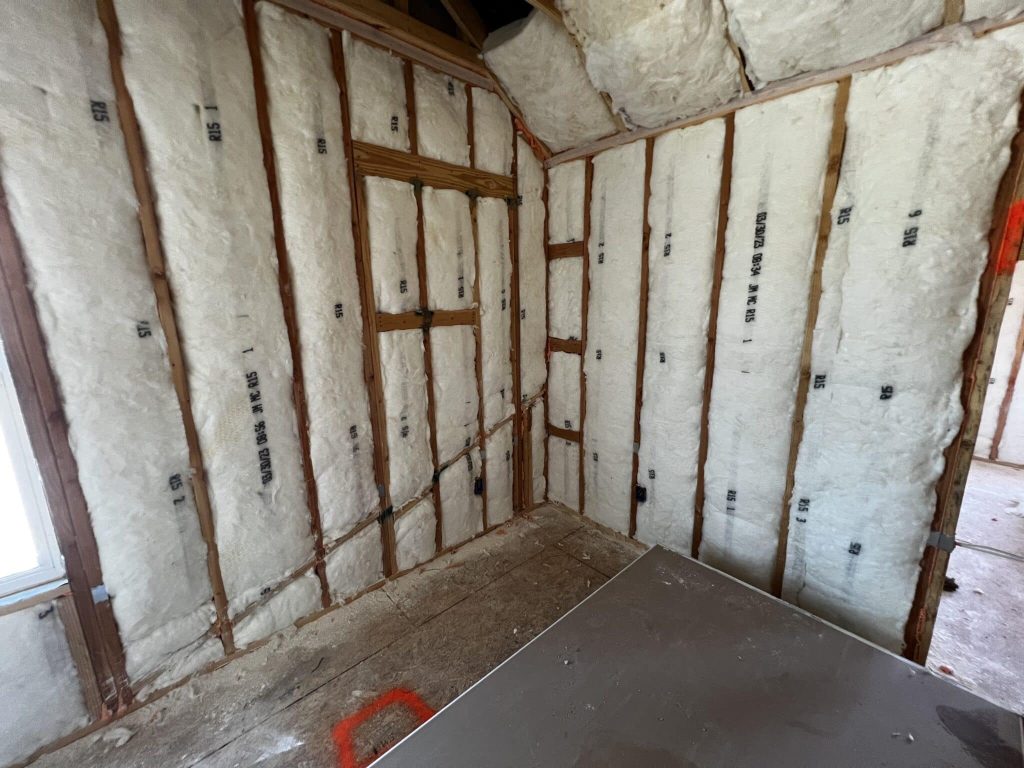
The installation process for cellulose insulation generates less construction waste compared to batt insulation, which requires cutting and fitting around obstacles that create off-cut waste destined for landfills. Spray application of cellulose allows installers to navigate complex cavities, plumbing penetrations, and electrical runs without generating significant material waste.
Additionally, cellulose insulation air quality typically requires less transportation volume than equivalent insulation value in batt form. A truck carrying bulk cellulose can service more homes than one carrying pre-packaged batts, reducing the transportation-related carbon emissions associated with delivery logistics.
Making the Environmental Case for Cellulose Insulation
The environmental advantages of cellulose insulation create a compelling case for homeowners seeking to reduce their ecological footprint. Recycled content, low embodied energy, superior air-sealing performance, and long-term energy savings combine to make cellulose insulation one of the most sustainable choices available for residential applications.
The decision ultimately depends on your specific circumstances, including existing insulation conditions, budget constraints, and performance priorities. For homeowners prioritizing environmental sustainability alongside thermal performance and indoor air quality, cellulose insulation delivers on multiple fronts without the petrochemical dependencies of spray foam or the energy intensity of fiberglass manufacturing.
Transform Your Home with Sustainable Insulation
Our team at Stellrr Insulation & Spray Foam specializes in professional cellulose insulation installation that maximizes environmental benefits while delivering exceptional thermal performance for residential properties throughout the region. We bring extensive experience evaluating existing insulation conditions and recommending the most sustainable solutions for each unique situation.
We understand that choosing insulation involves balancing multiple priorities, and we are committed to helping you navigate those decisions with complete transparency about product performance, environmental characteristics, and long-term value. Our professionals will assess your home’s specific needs and provide honest guidance about whether cellulose insulation represents the optimal choice for your circumstances.
Contact our team to discuss your insulation project and explore how cellulose can reduce your environmental impact while improving your home’s comfort and energy efficiency. Reach us at 512-520-0044 or email info@stellrr.com to schedule your consultation.
Frequently Asked Questions
How does cellulose insulation compare to spray foam in terms of environmental impact?
Cellulose insulation has significantly lower embodied energy than spray foam because spray foam relies on petroleum-derived chemicals requiring energy-intensive manufacturing. Cellulose uses recycled paper products with minimal processing, making it a substantially more sustainable choice despite spray foam’s superior R-value per inch.
Is cellulose insulation safe for homes with allergy sufferers?
Yes, cellulose insulation is generally safe for allergy sufferers. Unlike some insulation materials that contain formaldehyde or other chemical irritants, cellulose insulation uses borate-based treatments that do not off-gas into living spaces. This makes it a good choice for households with chemical sensitivities or respiratory concerns.
Does cellulose insulation attract pests or promote mold growth?
Borax and boric acid treatments in cellulose insulation provide effective pest resistance and inhibit mold growth without toxic chemicals. Properly installed cellulose does not promote pest infestation or mold issues, though any insulation in damp conditions benefits from addressing the underlying moisture source.
How long does cellulose insulation last in a typical residential application?
When properly installed in dry conditions, cellulose insulation maintains its performance characteristics for 20 to 30 years or longer. The material does not settle significantly when dense-packed correctly, and its fire-retardant properties remain effective throughout its service life without degradation.
Can cellulose insulation be installed in existing homes without major renovation?
Yes, blown cellulose insulation can be installed in existing homes through small holes drilled in walls or by applying it in attics and floor cavities. This makes it an excellent retrofit option for improving insulation in older homes where removing existing walls would be impractical.
Sources
- Cellulose Insulation Manufacturers Association – Environmental Benefits of Cellulose – Industry information on cellulose insulation manufacturing processes and environmental advantages.
- U.S. Department of Energy – Insulation Materials – Government resource comparing insulation types including R-values, environmental impact, and energy efficiency properties.
- Environmental Protection Agency – Green Building Materials – Federal guidance on sustainable building materials and their environmental performance characteristics.
- Natural Resources Defense Council – Energy Efficient Home Improvements – Environmental organization guidance on home energy improvements and sustainable building practices.
- Building Science Corporation – Insulation Performance Research – Technical research on insulation performance, air sealing, and building envelope efficiency.