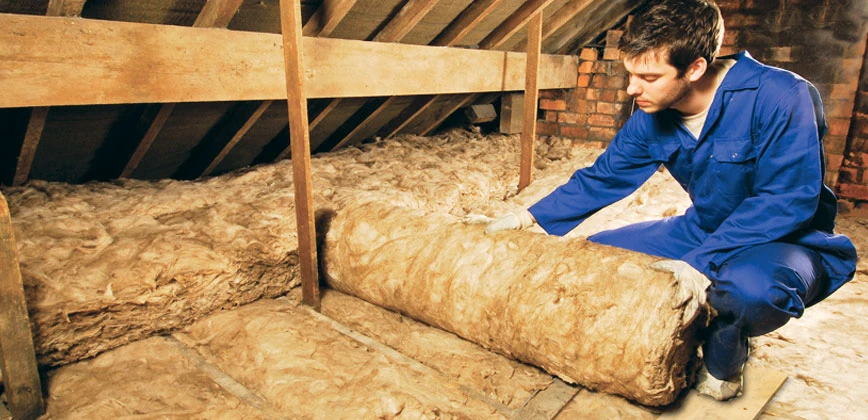
Professional insulation services in Horseshoe Bay, TX directly increase property’s market value by reducing energy costs, improving indoor comfort, and signaling quality construction to prospective buyers. In a lakeside community where summer temperatures regularly exceed 100 degrees, proper insulation is not a luxury, it is a measurable asset. Studies show that energy-efficient homes with verified performance ratings sell for a 2% to 8% premium in most U.S. markets, with a Freddie Mac study finding a 2.7% average sales price premium for rated energy-efficient single-family homes nationally, and more efficient homes selling for 3% to 5% more than less efficient rated homes. For a Horseshoe Bay property valued at the area average of roughly $713,000, that premium can translate into tens of thousands of dollars at resale, while also delivering immediate utility savings year after year.
TLDR / Key Takeaways
- ENERGY STAR certified and rated energy-efficient homes sell for a 2% to 8% price premium across most markets, with the Austin-Round Rock, TX area showing an average premium of 6% for certified homes
- The EPA estimates homeowners can save an average of 15% on heating and cooling costs by air sealing and adding insulation to key areas
- Horseshoe Bay sits in IECC Climate Zone 2, where recommended attic insulation for retrofit projects is R-38 to R-49, depending on existing levels
- Spray foam, blown-in cellulose, and radiant barriers are the most effective insulation types for Texas heat and humidity
- Attic insulation upgrades typically recoup 107% to 117% of their cost at resale, making it one of the highest-return home improvements available
- Proper air sealing before insulating prevents conditioned air from escaping, which is where much of the energy waste actually occurs
- The National Association of REALTORS® identifies energy efficiency as a growing driver of property value that will increasingly separate competitive listings from those left behind
Why Insulation Matters in the Horseshoe Bay Market
Horseshoe Bay properties face a specific set of environmental demands. Situated along Lake LBJ in the Texas Hill Country, homes here endure long, intense summers with temperatures regularly climbing above 100 degrees, and while winters are milder, temperature swings can still strain HVAC systems. Many of the area’s homes were built decades ago, and older construction often means minimal insulation in attics, walls, and crawl spaces. When a property lacks adequate thermal resistance, conditioned air escapes and outdoor heat pours in, forcing air conditioning systems to work harder, run longer, and wear out faster.
This energy penalty matters to buyers. According to the National Association of REALTORS®, energy efficiency is moving from a marginal factor in property valuation to a central one. Ken Levenson, executive director of The Passive House Network, stated at NAR NXT 2023 that “energy efficiency that’s integrated and predictable will drive value of the property,” and that homes without it “will need to be renovated or eventually get left behind.” For Horseshoe Bay sellers, this means insulation upgrades are not just maintenance, they are a competitive advantage in a market where buyers increasingly evaluate total cost of ownership, not just the listing price.
How Insulation Translates to Higher Property Value
The connection between insulation and property value operates through several concrete mechanisms:
Lower utility costs. The EPA estimates that homeowners can save an average of 15% on heating and cooling costs by properly air sealing and adding insulation. In Climate Zone 2, where Horseshoe Bay is located, the savings on heating and cooling alone reach approximately 9%, with total household energy savings around 6%. Over years of ownership, these savings accumulate substantially.
Faster sale timelines. Homes with documented energy upgrades tend to attract more buyer interest and spend fewer days on market. A buyer comparing two similar Horseshoe Bay listings will often favor the one with lower projected monthly energy costs.
Appraisal support. Attic insulation upgrades are one of the few home improvements that recoup more than 100% of their investment at resale, with typical returns of 107% to 117% of project cost. Unlike cosmetic renovations that depreciate, insulation adds functional, verifiable value.
Buyer perception. Modern buyers, particularly those relocating from other states, associate proper insulation with quality construction and responsible maintenance. A well-insulated home signals that the owner has invested in the property’s long-term performance.
Recommended Insulation Types for Horseshoe Bay Properties
The U.S. Department of Energy outlines several insulation types, each suited to different applications. For Horseshoe Bay’s hot-humid climate, the priorities are heat resistance, moisture management, and air sealing capability.
R-Value targets are especially important when selecting materials, and a detailed breakdown can be found in this R-value guide for insulation systems, which helps determine proper thickness and performance expectations. Here is how the primary options compare for this specific market:
| Insulation Type | R-Value Per Inch | Best Application in Horseshoe Bay | Air Sealing Capability | Relative Cost |
|---|---|---|---|---|
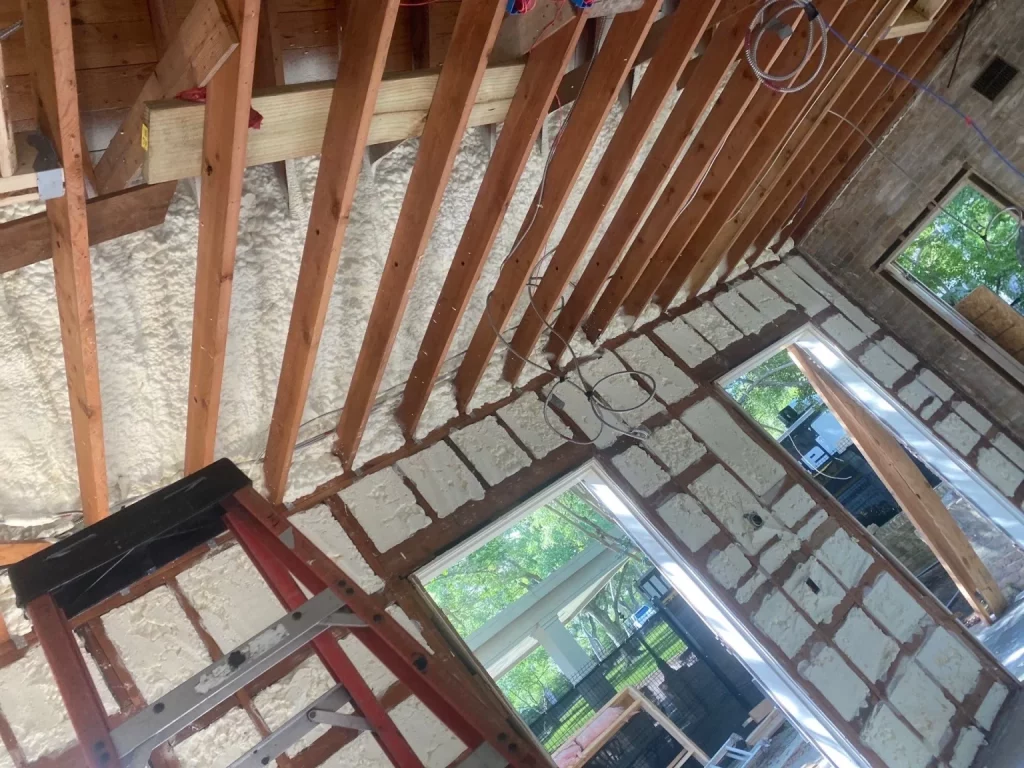
| Closed-cell spray foam | R-6.0 to R-7.0 | Attic rafters, wall cavities, rim joists | Excellent, acts as full air and moisture barrier | High |
| Open-cell spray foam | R-3.5 to R-3.7 | Wall cavities, hard-to-reach areas | Good air barrier, not a moisture barrier | Moderate to high |
| Blown-in cellulose | R-3.1 to R-3.8 | Attic floors, existing wall cavities via drill-and-fill | Moderate, fills gaps and voids well | Moderate |
| Blown-in fiberglass | R-2.2 to R-2.7 | Attic floors, open attic spaces | Low to moderate | Low to moderate |
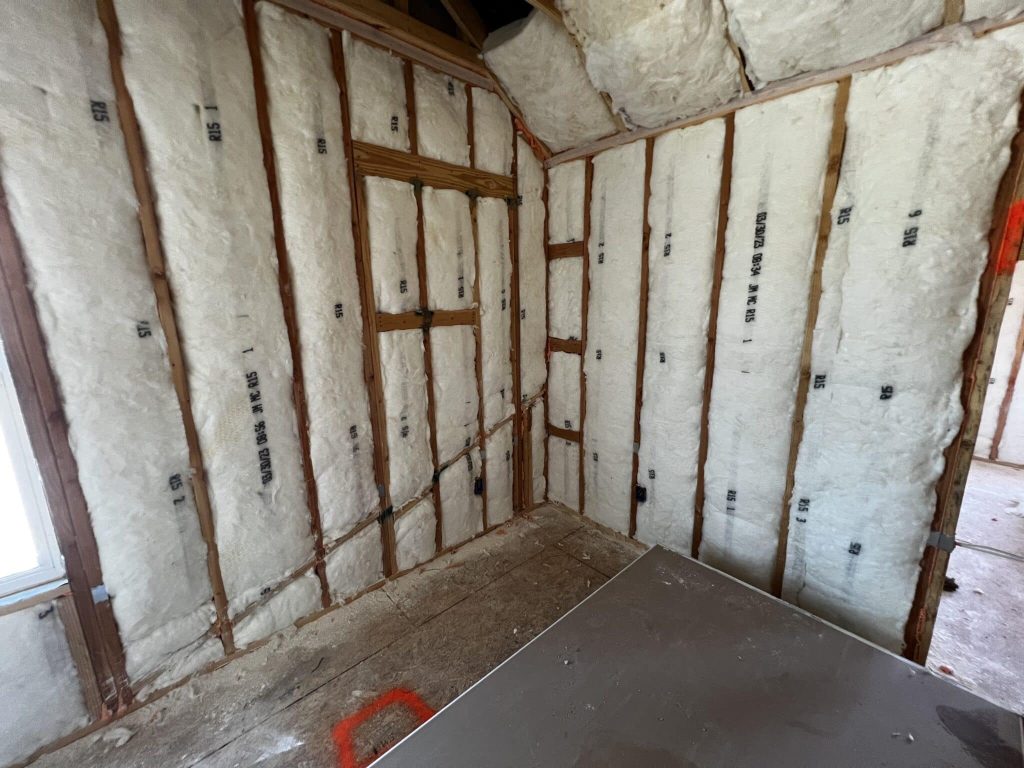
| Fiberglass batts | R-2.9 to R-3.8 | New construction walls, standard stud cavities | Low, requires separate air sealing | Low |
| Radiant barrier | No R-value (reflects radiant heat) | Attic roof deck, supplements existing insulation | None (thermal only) | Low to moderate |
R-Value Targets for Climate Zone 2
ENERGY STAR provides specific R-value recommendations by climate zone. Horseshoe Bay falls in Zone 2 on the International Energy Conservation Code map. Here are the targets for retrofitting existing wood-framed buildings:
| Area of Home | If Attic Is Uninsulated | If Attic Has 3-4 Inches Existing | Floor Insulation |
|---|---|---|---|
| Attic | R-49 | R-38 | N/A |
| Floor (over crawlspace/basement) | N/A | N/A | R-13 |
| Walls (when siding removed) | R-5 insulative sheathing + blown cavity fill | R-5 insulative sheathing over existing | N/A |
For Horseshoe Bay homeowners, the attic is almost always the first priority. Most older homes in the area have between R-11 and R-19 in the attic, far below the R-38 to R-49 standard. Upgrading from thin, settled fiberglass to a proper depth of blown-in cellulose or spray foam addresses the single largest source of energy loss in the building envelope.
Which Insulation Strategy Fits Your Situation
Not every property needs the same approach. The right strategy depends on the age of the home, your budget, and whether you are preparing to sell or planning long-term ownership.
Preparing to sell in the next 1-2 years. Focus on attic insulation and air sealing. These offer the highest visible ROI and are easiest for inspectors and appraisers to verify. Blown-in attic insulation to R-49 is typically the most cost-effective upgrade and can be completed in a single day.
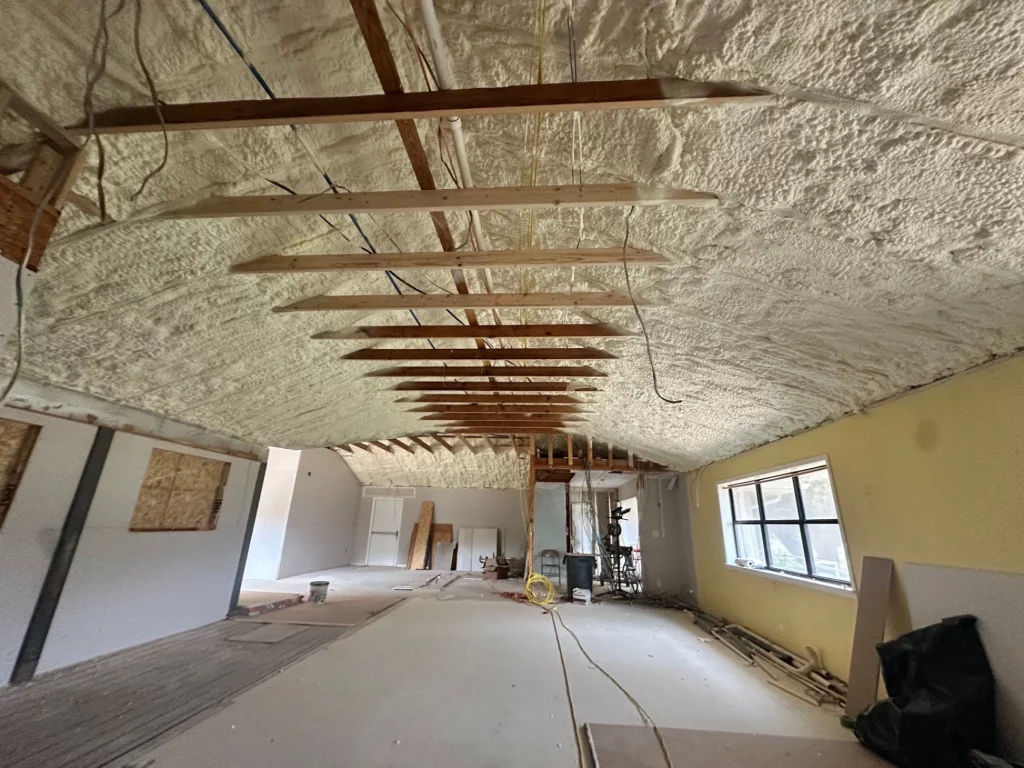
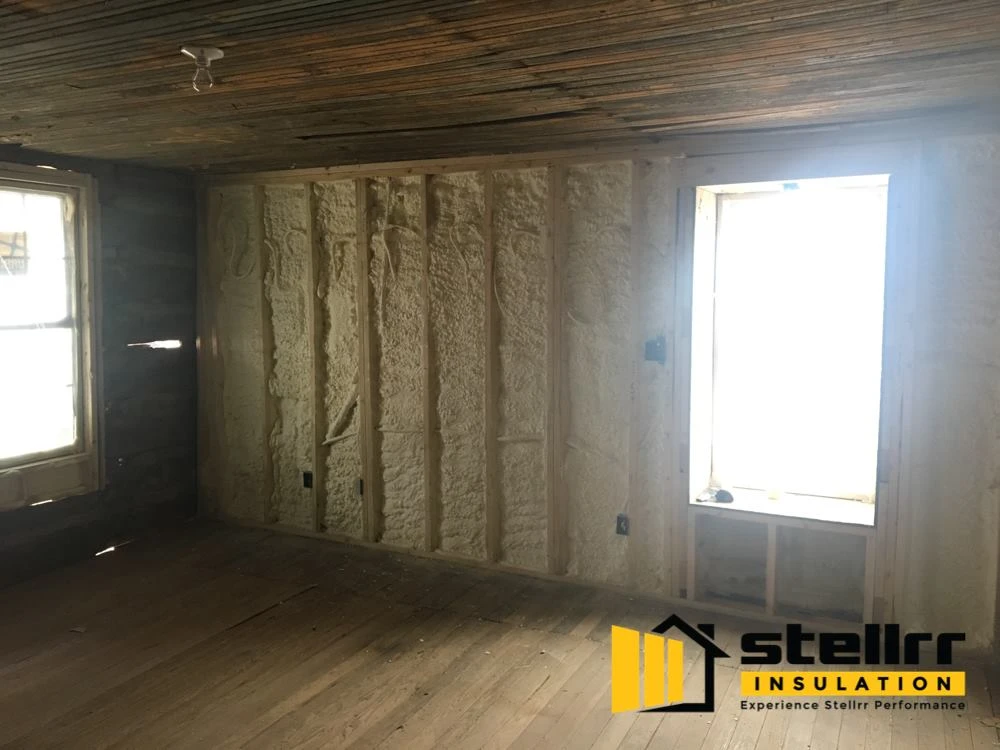
Long-term ownership with plans to stay. Consider a whole-home approach. Address the attic, walls, and any crawl spaces or rim joists. Closed-cell spray foam in the attic rafters can convert the attic into conditioned space, which also protects HVAC ductwork from extreme temperatures.
Vacation or secondary home. Prioritize spray foam air sealing to protect the home during extended vacancy periods. A well-sealed envelope prevents moisture intrusion, which is a common problem in unoccupied Hill Country homes.
New construction or major renovation. Invest in spray foam insulation and structural insulated panels (SIPs) during the build phase when access is easy and costs are lower. The Department of Energy notes that SIP-built homes provide energy savings of 12% to 14% compared to traditional stick-frame construction.
Signs You Have Found the Right Insulation Contractor
Choosing the right insulation provider is just as important as choosing the right material. Here are the indicators that separate qualified professionals from unreliable operators:
- They conduct a pre-inspection assessment before quoting a price, including measuring existing insulation depth and identifying air leakage points
- They explain R-value targets specific to your climate zone rather than offering a one-size-fits-all solution
- They include air sealing in their proposal, not just insulation, since the two must work together for results
- They provide written cost estimates tied to specific R-value deliverables and material types
- They carry appropriate insurance, licenses, and manufacturer certifications for the products they install
- They are willing to walk you through the installation process and explain what to expect during and after the project
A contractor who simply quotes a price per square foot without inspecting the property or discussing your goals is unlikely to deliver the results that actually increase property value.
Common Mistakes That Reduce Insulation’s Value Impact
Even with good materials, poor execution can waste the investment. Here are the pitfalls we see most often in the Horseshoe Bay area:
- Skipping air sealing. Adding insulation without sealing gaps, cracks, and penetrations first means conditioned air still escapes. The EPA specifically recommends sealing air leaks before adding insulation.
- Blocking ventilation in the attic. If using traditional attic-floor insulation (batts or blown-in), soffit vents must remain clear. Blocking these vents traps moisture and can cause roof damage.
- Compressing insulation. Fiberglass and cellulose lose effectiveness when compressed. Installing R-30 material into a space designed for R-19 does not give you R-30 performance.
- Ignoring the walls. Many homeowners insulate the attic but leave walls completely uninsulated. For Zone 2, wall insulation and R-5 insulative sheathing can make a meaningful difference in comfort and efficiency.
- Choosing the cheapest option without comparing R-value per dollar. A lower-cost material that delivers a lower R-value per inch may actually cost more in the long run if it requires greater thickness to meet code.
Energy Efficiency Premiums by Market
The data on energy efficiency and home value is increasingly strong. ENERGY STAR compiles findings from multiple studies:
- National average: 2.7% price premium for rated energy-efficient homes
- Austin-Round Rock, TX: 6% average premium for ENERGY STAR certified homes (2009-2016)
- Maryland: 2% to 5% premium for ENERGY STAR certified homes (2012-2015)
- Oregon, Idaho, Washington: Up to 8% premium for certified energy-efficient homes
The Austin-Round Rock data is particularly relevant to Horseshoe Bay, given the area’s proximity and shared buyer pool. A 6% premium on a $713,000 home represents approximately $42,780 in additional sale value, far exceeding the typical cost of a comprehensive insulation upgrade.
Ready to Increase Your Property’s Value
Stellrr Insulation & Spray Foam provides professional insulation services tailored to the specific demands of Horseshoe Bay’s climate and housing stock. Our team evaluates each property individually, recommends the right materials and R-values for your goals, and delivers installations that measurably improve energy performance and comfort. Whether you are preparing to list your home or investing in long-term efficiency, we can help you make the upgrades that buyers notice and appraisers value.
Request a Quote | Schedule an Insulation Assessment
Contact us at 512-520-0044 or info@stellrr.com to get started. The right insulation investment pays for itself, both in monthly savings and at closing.
Frequently Asked Questions
How much does attic insulation cost in Horseshoe Bay?
Costs vary based on the size of the attic and the material selected, but most attic insulation upgrades in the area range from $2,000 to $5,000 for blown-in materials, with spray foam projects running higher depending on scope.
Does insulation really increase appraisal value?
Yes. Appraisers increasingly factor energy improvements into valuations, and attic insulation upgrades are among the few home improvements that consistently recoup over 100% of their cost at resale.
How long does an insulation upgrade take to complete?
Most attic insulation projects can be completed in a single day. Wall insulation or whole-home spray foam projects may take two to three days depending on the size and complexity of the home.
What is the best insulation for a Horseshoe Bay home?
Closed-cell spray foam offers the highest R-value per inch and provides both air and moisture barrier properties, making it ideal for attics and walls in the hot-humid Hill Country climate. Blown-in cellulose over existing attic insulation is also a strong, cost-effective choice.
Can I add insulation on top of what is already in my attic?
Yes. As long as the existing insulation is dry and in good condition, new blown-in insulation can be installed directly over it to achieve the R-38 or R-49 target recommended for Climate Zone 2.
Sources
- ENERGY STAR – Recommended Home Insulation R-Values – Official R-value recommendations by climate zone for retrofit and new construction projects.
- National Association of REALTORS – Energy Efficiency Will Help Drive Future Property Value – Industry perspective on energy efficiency as a growing driver of property valuation and buyer demand.
- U.S. Department of Energy – Types of Insulation – Comprehensive guide to insulation materials, installation methods, R-values, and applications for residential properties.