Indoor air quality and insulation solution in Georgetown, TX are directly connected, and getting one right without considering the other can create serious problems for homeowners. Proper insulation blocks outdoor pollutants, stabilizes indoor humidity, and reduces energy costs, while poor installation or the wrong materials can trap moisture, introduce harmful chemicals, and create conditions for mold growth. The right approach depends on your home’s age, construction type, and the specific climate demands of Central Texas, where summer temperatures regularly exceed 100 degrees and humidity levels swing between seasons. Understanding both the benefits and the risks helps you make decisions that protect your family’s health and your home’s structural integrity.
A well-designed system also depends on understanding how insulation interacts with ventilation and air sealing, especially when using modern materials like spray foam. You can learn more about this relationship in our guide on spray foam insulation and indoor air quality.
TLDR / Key Takeaways
- Americans spend approximately 90% of their time indoors, where pollutant concentrations are often 2 to 5 times higher than outdoor levels, according to the EPA.
- Indoor air can be 2 to 5 times, and in some cases up to 100 times, more polluted than outdoor air, as reported by the American Lung Association.
- Georgetown, TX homes in Climate Zone 2A typically need R-30 to R-38 in attics and R-13 in walls to meet energy code while maintaining healthy air exchange.
- Spray foam insulation can seal air leaks effectively but carries potential risks from isocyanate exposure and VOC off-gassing if improperly applied, per EPA guidance.
- Sealing a home too tightly without mechanical ventilation traps indoor pollutants, moisture, and combustion byproducts, creating a direct threat to respiratory health.
- Harvard research links poor indoor air quality to cognitive decline, increased anxiety, and elevated depression risk, making IAQ a health issue, not just a comfort issue.
Why Indoor Air Quality Matters for Georgetown Homes
Indoor air quality, or IAQ, refers to the condition of air inside homes and buildings. Most people assume outdoor pollution is the bigger concern, but the data tells a different story. The EPA’s Report on the Environment states that indoor concentrations of some pollutants are often 2 to 5 times higher than typical outdoor concentrations, and energy-efficient construction without adequate ventilation has made the problem worse in recent decades.
For Georgetown homeowners, this matters more than most realize. Central Texas heat forces residents to rely heavily on air conditioning for six to eight months each year. Homes stay closed up, air recirculates, and any pollutants present indoors concentrate over time. Common indoor pollutants include volatile organic compounds (VOCs) from building materials and cleaning products, combustion byproducts from gas appliances, mold spores from moisture buildup, pet dander, dust mites, and radon gas that enters through foundation cracks.
Health effects from prolonged exposure range from mild irritation of the eyes, nose, and throat to more serious conditions like respiratory diseases, heart disease, and even cancer. Children, the elderly, and anyone with asthma or cardiovascular conditions face the greatest risk.
How Insulation Directly Affects Indoor Air Quality
Insulation serves as a barrier between your living space and the outside environment, and that barrier role cuts two ways. When installed correctly, it keeps unfiltered outdoor air, humidity, and allergens from entering your home. When installed poorly, it can create the exact problems it was meant to prevent.
The Benefits of Proper Insulation for Indoor Air Quality
Reduced allergen infiltration. Gaps in attic and wall insulation allow unfiltered outdoor air to enter, carrying pollen, dust, and particulate matter. Properly installed insulation with effective air sealing blocks these pathways and keeps allergen levels lower.
Moisture control. Georgetown’s high summer humidity can drive moisture into wall cavities and attics. Quality insulation with a proper vapor barrier prevents condensation from forming on cool indoor surfaces, which is the primary driver of mold growth. Mold spores are among the most dangerous indoor air pollutants and act as asthma triggers.
Stable temperatures and reduced HVAC strain. When insulation reduces temperature fluctuations, your HVAC system runs fewer cycles. Fewer cycles means less dust circulation through ductwork and lower energy bills. This also means less wear on filtration systems, allowing them to operate more effectively.
Lower VOC infiltration from attached spaces. Many Georgetown homes have attached garages. Garage air often contains elevated levels of VOCs, carbon monoxide, and other pollutants from vehicles, stored chemicals, and lawn equipment. Proper insulation installation and air sealing between the garage and living space prevent these contaminants from migrating indoors.
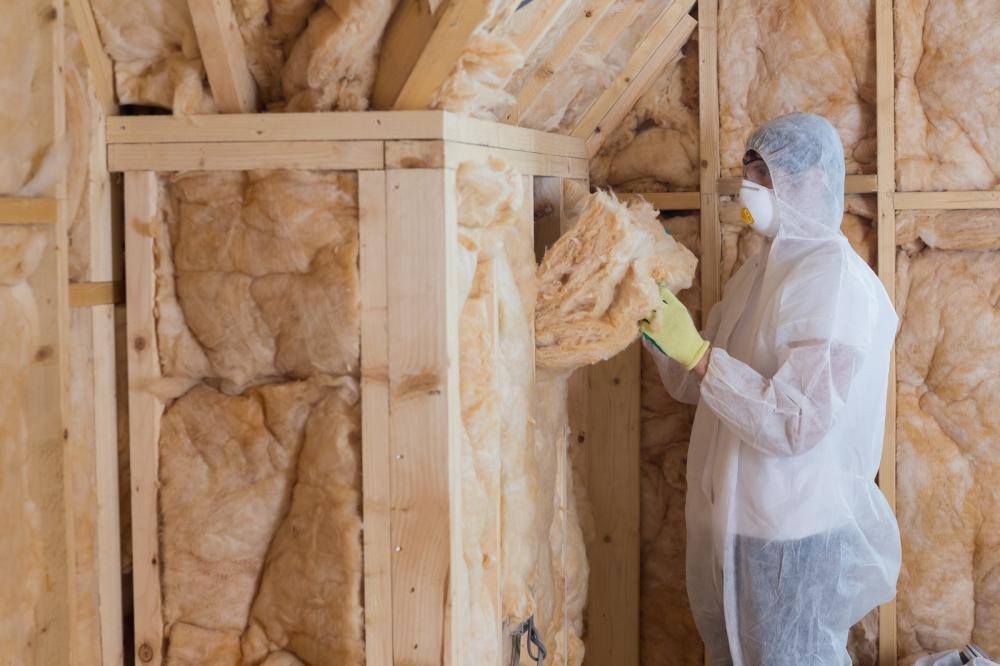
The Risks: When Insulation Becomes an Indoor Air Quality Problem
Over-Sealing Without Ventilation
Tightening a home’s envelope without providing adequate fresh air exchange is one of the most common and dangerous mistakes in insulation upgrades. The EPA explicitly notes that energy-efficient building construction, when it lacks sufficient mechanical ventilation, has contributed to increased indoor pollutant concentrations. When a home cannot “breathe,” pollutants from cooking, cleaning, breathing, and off-gassing materials accumulate to unsafe levels.
Spray Foam and Chemical Off-Gassing
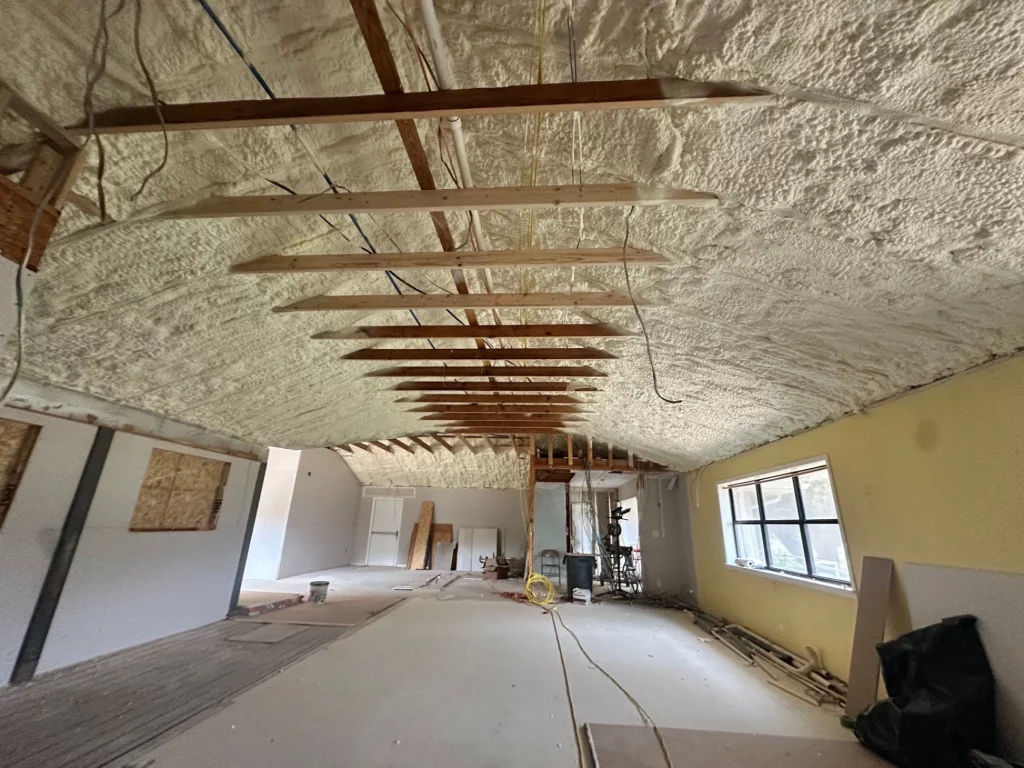
Spray polyurethane foam (SPF) has become a popular insulation choice in Texas because of its high R-value per inch and superior air sealing. However, the EPA has documented multiple chemical exposure risks associated with SPF, including isocyanate vapors and aerosols generated during application, dust from trimming uncured foam, and potential long-term off-gassing of volatile chemicals.
The EPA notes that the potential for off-gassing from spray foam is not fully understood and remains an active research area. If SPF is not mixed, applied, or cured correctly, residents can experience headaches, eye irritation, respiratory problems, and skin reactions. Re-occupancy times vary by product, thickness, temperature, and humidity, and some installations may require 24 hours or longer before a home is safe to re-enter.
Moisture Trapping and Mold
Insulation that traps moisture inside wall cavities or roof assemblies creates ideal conditions for mold growth. This is especially risky in Georgetown’s climate, where warm outdoor air meeting cool indoor surfaces can produce significant condensation. Fiberglass insulation that becomes damp loses its effectiveness and can harbor mold colonies that release spores directly into living spaces. Closed-cell spray foam resists moisture absorption but can also trap any water that does penetrate the building envelope, leading to concealed rot and mold behind walls.
Insulation Materials: How They Compare for Indoor Air Quality
| Insulation Type | IAQ Benefit | IAQ Risk | Best Application in Georgetown |
|---|---|---|---|
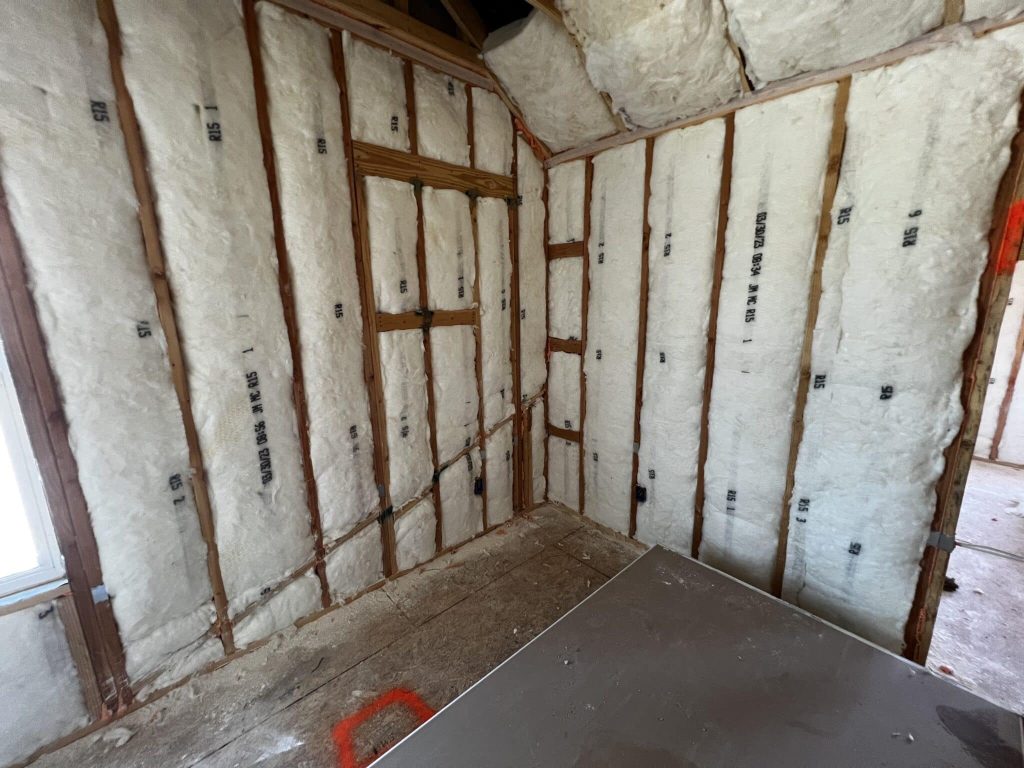
| Fiberglass (batt/blown) | Inert, no off-gassing once installed | Can trap moisture and harbor mold if wet | Attics with proper ventilation |
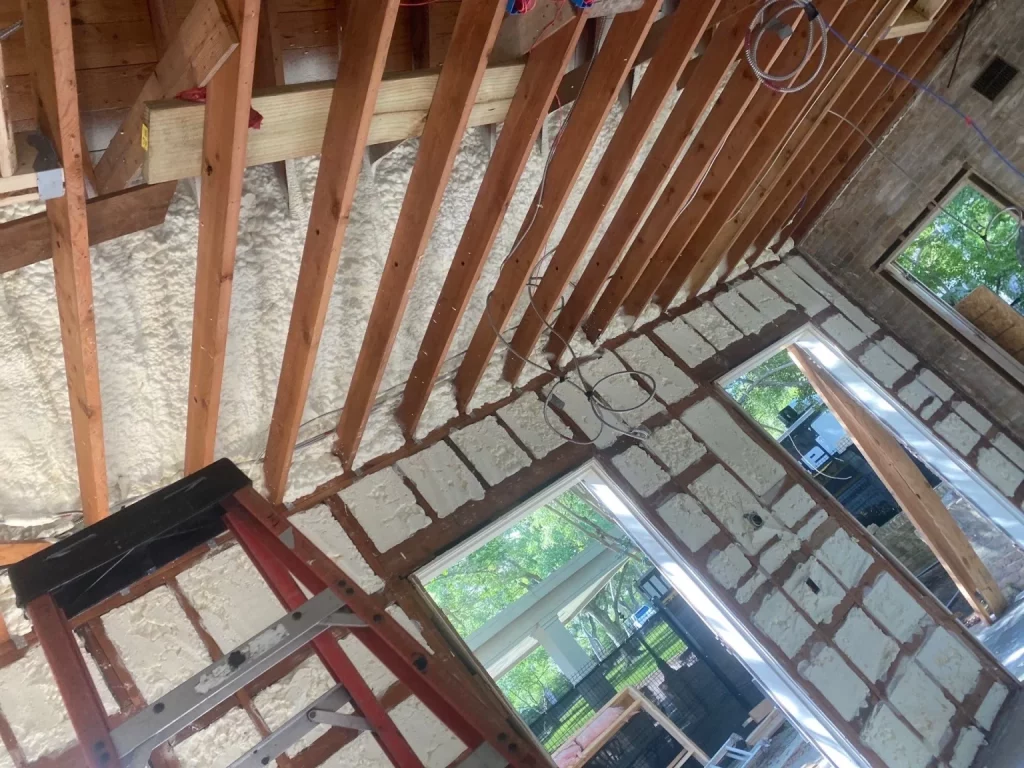
| Closed-Cell Spray Foam | Superior air sealing, moisture-resistant | Isocyanate exposure during installation, potential VOC off-gassing | Wall cavities, crawl spaces, rim joists |
| Open-Cell Spray Foam | Good air sealing, lower cost | Absorbs moisture, potential off-gassing concerns | Wall cavities in dry conditions |
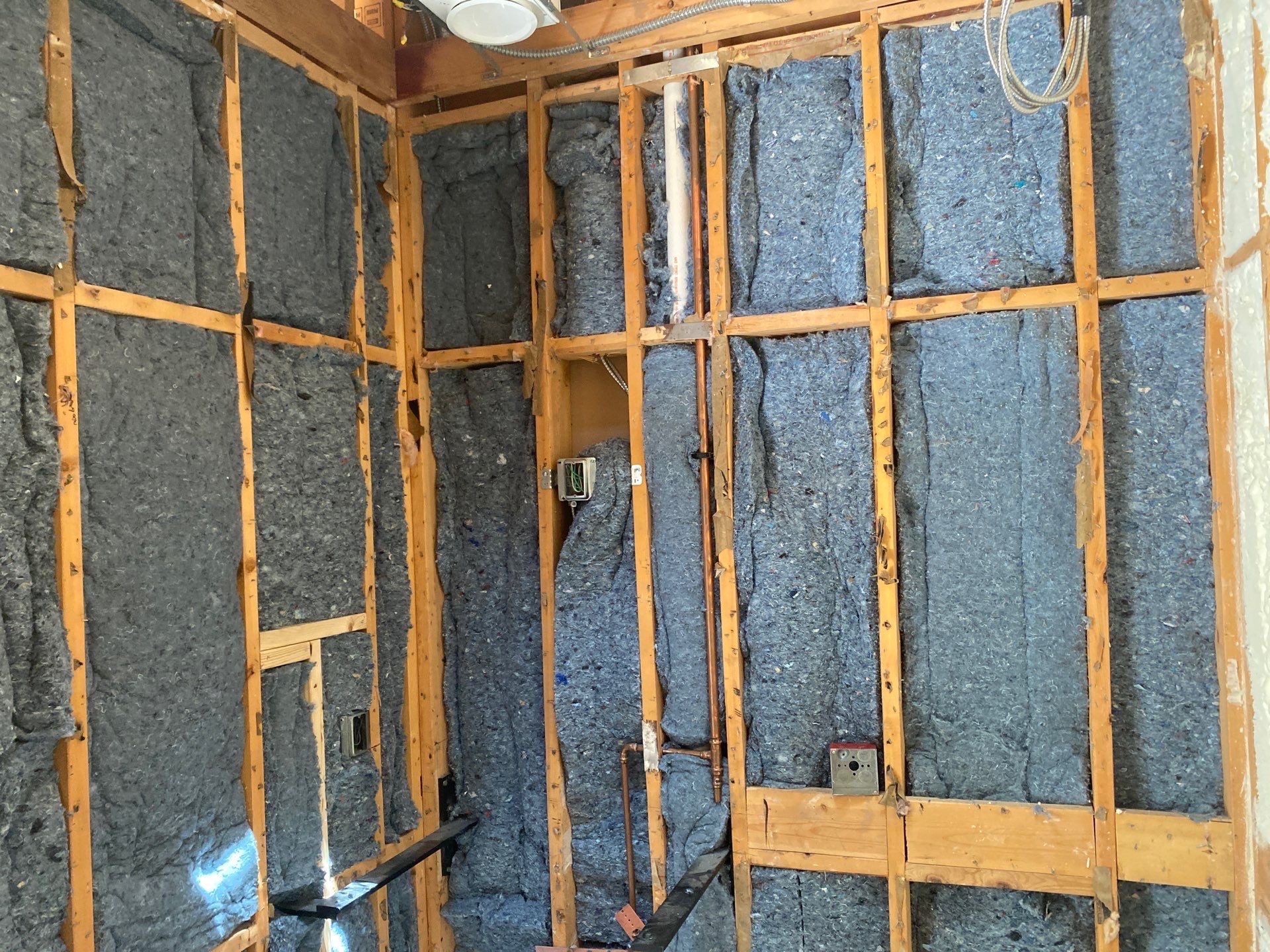
| Mineral Wool | Fire resistant, moisture tolerant, no chemical off-gassing | Heavier may settle over time | Attics, walls, fire-rated assemblies |
| Rigid Foam Board | High R-value per inch, moisture resistant | Can off-gas during initial installation | Exterior sheathing, basement walls |
What Georgetown Homeowners Should Prioritize
Recommendations by Home Type
Older homes (pre-2000): These homes typically have minimal insulation and numerous air leaks. Focus on air sealing first, then adding blown-in fiberglass or mineral wool in attics. Avoid retroactively sealing the home too tightly without adding mechanical ventilation, such as an energy recovery ventilator (ERV).
Newer homes (2000-2020): These homes often have adequate insulation but may still have air sealing gaps at penetrations, recessed lights, and attic hatches. A targeted air sealing upgrade paired with spot insulation additions can improve IAQ without major disruption.
New construction: This is the opportunity to get it right from the start. Specify insulation materials with low VOC emissions, plan for mechanical ventilation, and ensure the building envelope is designed to manage moisture effectively in Georgetown’s warm-humid climate zone.
Signs You Have an IAQ Problem Related to Insulation
- Persistent musty or chemical odors that do not go away with ventilation
- Visible mold growth on walls, ceilings, or around windows
- Condensation on windows during cooler months
- Uneven temperatures between rooms
- Increased allergy symptoms or respiratory issues that improve when you leave the house
- Higher than expected energy bills despite having adequate insulation
The Bigger Picture: IAQ and Cognitive Health
The conversation around indoor air quality is expanding beyond physical health. Harvard T.H. Chan School of Public Health’s Healthy Buildings Program has published research linking poor indoor air quality to reduced cognitive function and increased risk of depression and anxiety. Their Global CogFX study showed that exposure to elevated PM2.5 levels indoors is associated with lower cognitive test performance. For families in Georgetown working from home or with school-aged children, the air quality inside the home directly affects focus, productivity, and mental well-being.
Get an Expert Assessment of Your Home’s Insulation and Air Quality
Stellrr Insulation & Spray Foam helps Georgetown homeowners improve their indoor air quality through properly installed insulation solutions that account for ventilation, moisture control, and material safety. Our team evaluates your home’s specific needs and recommends insulation strategies that protect both your health and your investment.
Request a Quote | Schedule an Indoor Air Quality Assessment
Contact us at 512-520-0044 or email info@stellrr.com to get started. Protecting the air your family breathes starts with the right insulation decisions.
Frequently Asked Questions
Can adding insulation make my home’s air quality worse?
Yes, if insulation is added without addressing ventilation. Sealing a home too tightly traps indoor pollutants and moisture, which can concentrate VOCs, CO2, and allergens to unsafe levels.
Is spray foam insulation safe for my family?
When properly applied and fully cured, spray foam is generally considered safe. However, the EPA has noted that off-gassing risks are not fully understood, and improper installation can expose occupants to isocyanates and other chemicals.
How do I know if my current insulation is causing air quality problems?
Common warning signs include persistent musty odors, visible mold, condensation on windows, worsening allergy symptoms indoors, and hot or cold spots throughout your home.
Does Georgetown’s climate affect which insulation I should choose?
Georgetown sits in a warm-humid climate zone, so moisture resistance is critical. Closed-cell spray foam and mineral wool perform well in these conditions, while fiberglass requires careful attention to ventilation and moisture barriers.
Should I test my home’s indoor air quality before upgrading insulation?
Pre-installation air quality testing can identify existing pollutant levels and help your contractor design an insulation strategy that includes proper ventilation, ensuring the upgrade improves rather than degrades your air quality.
Sources
- Indoor Air Quality (IAQ) | US EPA – Comprehensive EPA resource covering indoor air pollutants, health effects, and strategies for improving air quality in homes, schools, and workplaces.
- Clean Air Indoors | American Lung Association – American Lung Association resource on indoor air pollution levels, health effects on vulnerable populations, and steps to reduce exposure.
- The Surprising Link between Indoor Air Quality and Mental Health | Harvard T.H. Chan School of Public Health – Harvard Healthy Buildings Program research on how PM2.5 exposure indoors affects cognitive function, depression risk, and anxiety.