Soiled insulation in Blanco, TX homes is more than a nuisance. When fiberglass batts, blown cellulose, or other insulation becomes contaminated with mold, moisture, rodent droppings, or dirt, it loses its ability to resist heat flow and can introduce harmful particles into your living space. In Blanco’s climate, where hot summers and high humidity put constant pressure on attics and crawlspaces, compromised insulation should be inspected and removed when visible contamination covers a significant area, when persistent musty odors are present, or when rodent activity has left waste behind. Removal requires proper personal protective equipment, correct containment procedures, and replacement with insulation suited to the local conditions.
TLDR / Key Takeaways
- Moisture is the leading cause of soiled insulation in Blanco, TX. High summer humidity and condensation in attics and crawlspaces routinely saturate fiberglass batts, causing them to sag, lose thermal performance, and grow mold.
- Do not disturb vermiculite insulation without professional testing. The EPA states that vermiculite from the Libby, Montana, mine should be assumed to contain asbestos, and homeowners should not attempt to remove it themselves.
- Rodent contamination demands careful removal. The CDC warns against vacuuming or sweeping rodent droppings and nesting materials, as this can aerosolize hantavirus and other pathogens. Contaminated insulation must be bagged and disposed of safely.
- Wet or moldy insulation cannot be salvaged. The EPA recommends discarding porous materials like ceiling tiles and insulation that become moldy, because mold fills the empty spaces within the material and cannot be removed completely.
- Crawlspace insulation failures are widespread. Building science research shows that fiberglass batts installed between floor joists in vented crawlspaces routinely develop condensation, leading to rot, mold, and falling insulation.
- Professional removal with proper PPE (N-95 respirator, gloves, goggles) is the minimum standard. For heavy infestations, a half-mask HEPA respirator, disposable coveralls, and full containment are necessary.
- Address the moisture source before replacing insulation. Without fixing the water problem or ventilation issue, new insulation will face the same contamination cycle.
What Causes Insulation to Become Soiled?
Insulation in Blanco homes gets dirty and damaged through several pathways, and most of them trace back to moisture or pest intrusion.
- Moisture and condensation: are the primary culprits. During Blanco’s long, humid summers, warm outdoor air carries significant moisture. When that air enters a cooler attic or crawlspace and contacts surfaces below the dew point, condensation forms on insulation, wood framing, and ductwork. According to the EPA, mold begins growing indoors when spores land on surfaces that remain wet, and none of the many types of mold will grow without water or moisture. Once mold colonizes insulation, the material changes color, develops a musty smell, and poses health risks to occupants.
- Rodent and pest infestation: is another major source of contamination. Mice, rats, and squirrels nest in attic insulation, leaving behind droppings, urine, and nesting debris. The CDC notes that hantaviruses spread to people primarily through contact with infected rodents or their urine, droppings, and saliva. Breathing in contaminated air after disturbing these materials is the most common route of exposure. In Blanco’s semi-rural setting, where homes border wooded and grassy areas, rodent pressure on attics and crawlspaces is a consistent concern.
- Ductwork leaks and airflow problems: also contribute. When HVAC ducts in the attic or crawlspace develop leaks, they push humid conditioned air directly into spaces filled with insulation. This creates localized wet spots that accelerate mold growth. Leaky return ducts can also pull contaminated air from dirty attic insulation back into the living space, degrading indoor air quality.
- Aging and compression: play a role over time. As fiberglass batts settle or get compressed by storage items and foot traffic, they lose their loft and R-value. Compressed insulation collects dust more readily and provides less resistance to heat flow, making the home less energy efficient and more vulnerable to temperature extremes.
When Soiled Insulation Must Be Removed
Not every discolored patch of insulation warrants full removal. Our team evaluates several factors before recommending extraction:
Visible Mold Growth
If insulation shows black, green, or white patches of mold across more than a small area, removal is the safest course of action. According to the EPA, porous materials like insulation that have become moldy may need to be discarded because mold can spread deep into the material and is difficult to remove completely. Scrubbing fiberglass batts often does not solve the root issue, and even dead mold spores can still trigger allergic reactions. To better understand the process, read our insulation removal guide for safety, efficiency, and health.
Rodent Droppings and Nesting Materials
When rodents have moved into the attic or crawlspace insulation, simple cleaning is not enough. The CDC recommends placing contaminated insulation into plastic bags for removal, and specifically warns against vacuuming or sweeping droppings, which aerosolizes dangerous particles. If the infestation is heavy, workers should wear disposable coveralls, rubber boots, protective goggles, and a half-mask air-purifying respirator with a HEPA filter.
Water Damage from Roof Leaks or Plumbing Failures
A roof leak that dumps water into attic insulation can saturate fiberglass or cellulose within hours. The EPA notes that wet materials should be dried within 24 to 48 hours to prevent mold growth. When insulation has been soaked through, the most practical approach is full removal and replacement.
Vermiculite Insulation
Homes in Blanco built before 1990 may contain vermiculite insulation, which appears as pebble-like, gray-brown, or silver-gold particles. The EPA advises homeowners to assume vermiculite contains asbestos and to not to disturb it. If removal is required due to renovation or contamination, only a trained asbestos professional should handle the work.
Persistent Odors and Indoor Air Quality Complaints
If a home’s occupants report ongoing musty smells, increased allergy symptoms, or respiratory irritation that correlates with time spent indoors, contaminated insulation is a likely contributor. Every time the attic hatch opens or air moves through a roof vent, particles from soiled insulation get stirred up and enter the living space.
Common Scenarios We See in Blanco Homes
| Scenario | Home Type | Problem | Solution | Outcome |
|---|---|---|---|---|
| Vented crawlspace with falling batts | 1980s ranch on slab | Condensation rotted floor joists and saturated fiberglass batts, causing mold growth and sagging insulation | Removed all soiled fiberglass, installed a sealed ground vapor barrier, insulated perimeter walls with rigid foam, and conditioned the space | Eliminated mold odor, stabilized floor moisture, improved energy performance |
| Rodent-infested attic insulation | 1990s two-story near the creek | Mice nested in blown fiberglass for months, leaving droppings throughout and contaminating the entire attic floor | Full HEPA vacuum, double-bagged contaminated insulation for disposal, sanitized framing, re-insulated with blown-in material | Eliminated rodent waste and allergen source, restored thermal performance |
| Roof leak soaked cellulose | Older farmhouse with flat roof sections | Persistent roof leak saturated cellulose insulation over several weeks, producing heavy mold colonization | Tear out and disposal of all wet cellulose, roof repair, dehumidification period, re-insulation | Mold eliminated, no recurring odor, restored R-value |
| Vermiculite discovery during renovation | 1970s home under remodel | Pebble-like gray insulation found during bathroom renovation, suspected asbestos-containing vermiculite | Testing confirmed ACM, hired certified abatement contractor for removal, air clearance testing completed | Safe removal without occupant exposure, renovation proceeded on schedule |
| Compressed attic insulation with duct leakage | 2005 hill country home | HVAC supply duct leak deposited condensation in one attic zone, creating a wet, moldy patch of insulation | Removed contaminated section, sealed duct leak, replaced affected insulation, improved attic ventilation | Resolved moisture source, no mold recurrence, improved cooling efficiency |
Factors That Affect Removal Safety and Success
Several variables determine how complex and risky an insulation removal job will be in a Blanco home:
- Type of contamination: Mold, rodent waste, water damage, and asbestos each require different handling protocols. Asbestos-containing vermiculite demands the strictest controls, while water-damaged fiberglass without mold can often be removed with basic PPE.
- Insulation material: Fiberglass batts are relatively straightforward to bag and remove. Blown-in fiberglass or cellulose requires a high-powered vacuum with HEPA filtration and careful containment to prevent particles from spreading through the home. Vermiculite requires specialized asbestos abatement procedures.
- Extent of contamination: A small water stain from a minor roof leak may only require localized removal. A full rodent infestation that has contaminated the entire attic floor demands complete extraction and sanitization.
- Access and working conditions: Blanco attics can reach extreme temperatures during summer. Our crews plan work for early morning hours, maintain hydration, and use portable ventilation to make the space safe for occupancy during removal.
- Ventilation and airflow pathways: If the attic or crawlspace connects to the living space through unsealed penetrations around ducts, wiring, or plumbing, contaminated particles can migrate during removal. Sealing these penetrations before work begins prevents cross-contamination.
How Professional Insulation Removal Works
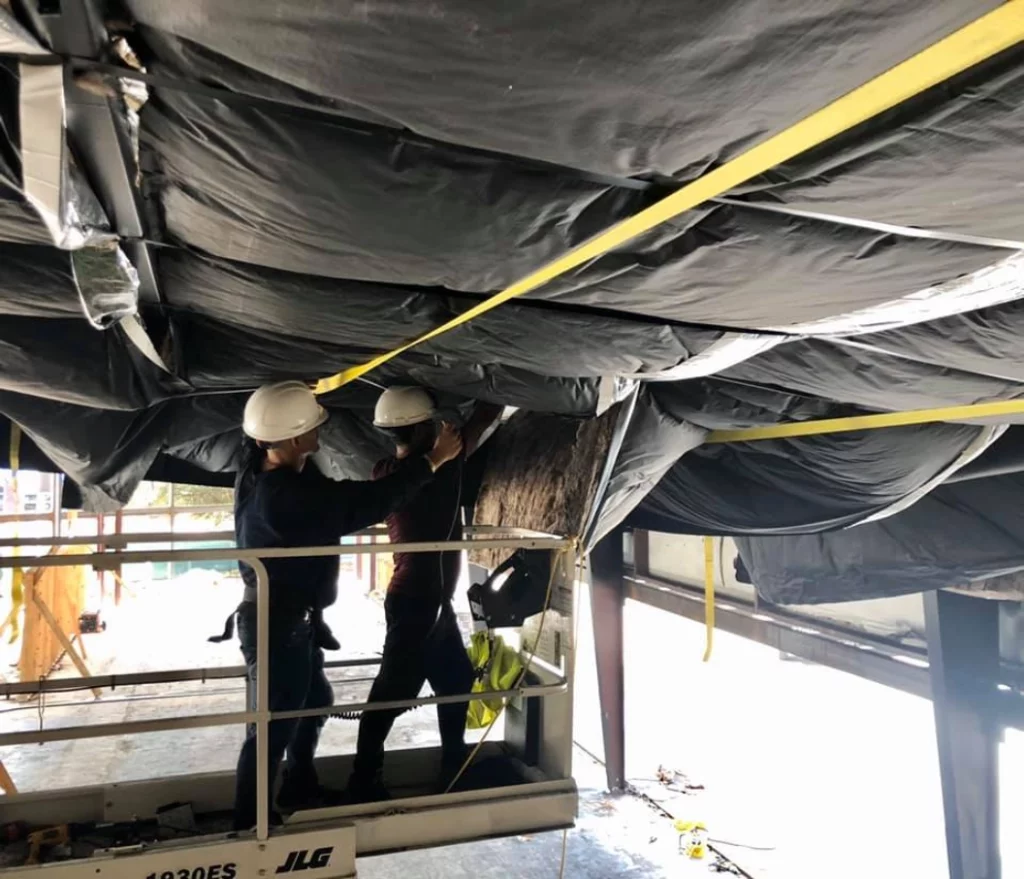
Our removal process follows a structured approach designed to protect both our crew and the home’s occupants.
1. Assessment and Containment
Before any insulation is disturbed, we inspect the space thoroughly to identify the type and extent of contamination. We check for vermiculite (which signals potential asbestos), measure the affected area, and locate all pathways between the work zone and the living space. For rodent-contaminated jobs, we ventilate the space for at least 30 minutes before entering, following CDC guidance for heavy infestations.
2. Personal Protective Equipment
Every removal job requires at minimum an N-95 respirator, goggles without ventilation holes, and heavy gloves, consistent with EPA recommendations for mold cleanup. For rodent waste or heavy contamination, our crew wears disposable coveralls, rubber boots or shoe covers, and a half-mask air-purifying respirator with a HEPA filter.
3. Controlled Extraction
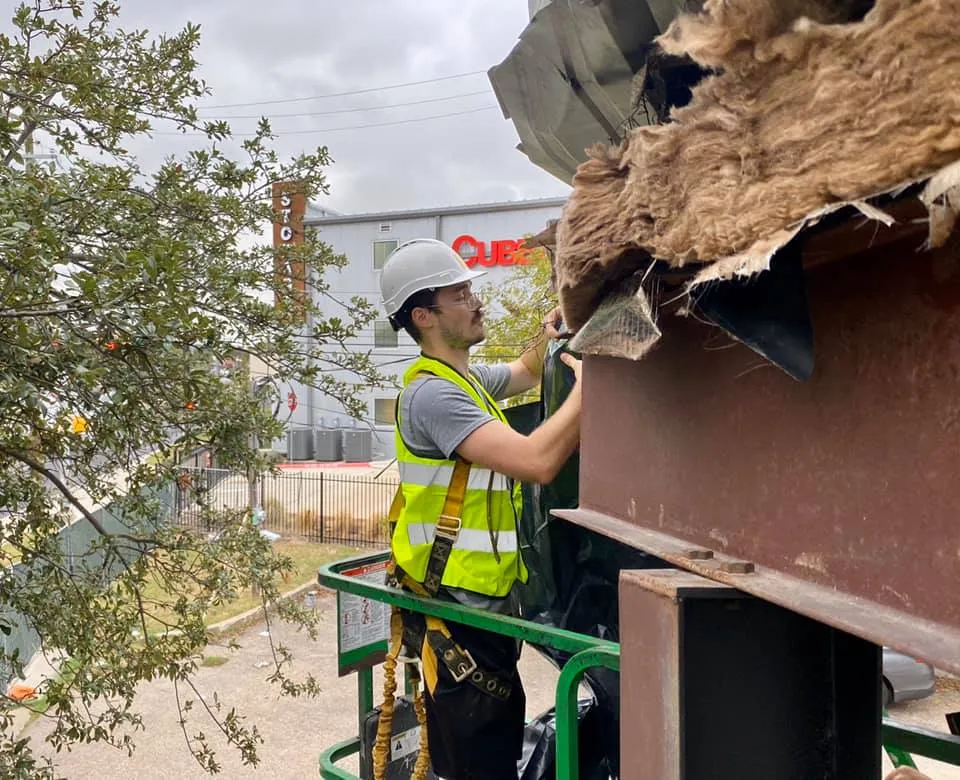
We use commercial HEPA-filtered vacuum equipment to extract blown-in materials without releasing particles into the air. Fiberglass batts are carefully rolled, placed into heavy-duty bags, sealed, and removed through a designated access point. For rodent-contaminated insulation, all waste is double-bagged in plastic and tied shut before leaving the attic or crawlspace.
4. Cleaning and Sanitization
After insulation removal, we clean the exposed framing, floor decking, and any hard surfaces. For rodent contamination, we apply an EPA-registered disinfectant, allowing it to soak for at least five minutes before wiping surfaces clean. The framing is inspected for structural damage, gnawed wiring, or chewed ductwork.
5. Addressing the Root Cause
Replacing insulation without fixing the underlying problem guarantees a repeat failure. Roof leaks get sealed. Duct joints are mended and insulated. Crawlspaces receive sealed vapor barriers and perimeter wall insulation. Attic ventilation is evaluated and improved where needed. This step is the most important part of the entire process.
6. Re-Insulation
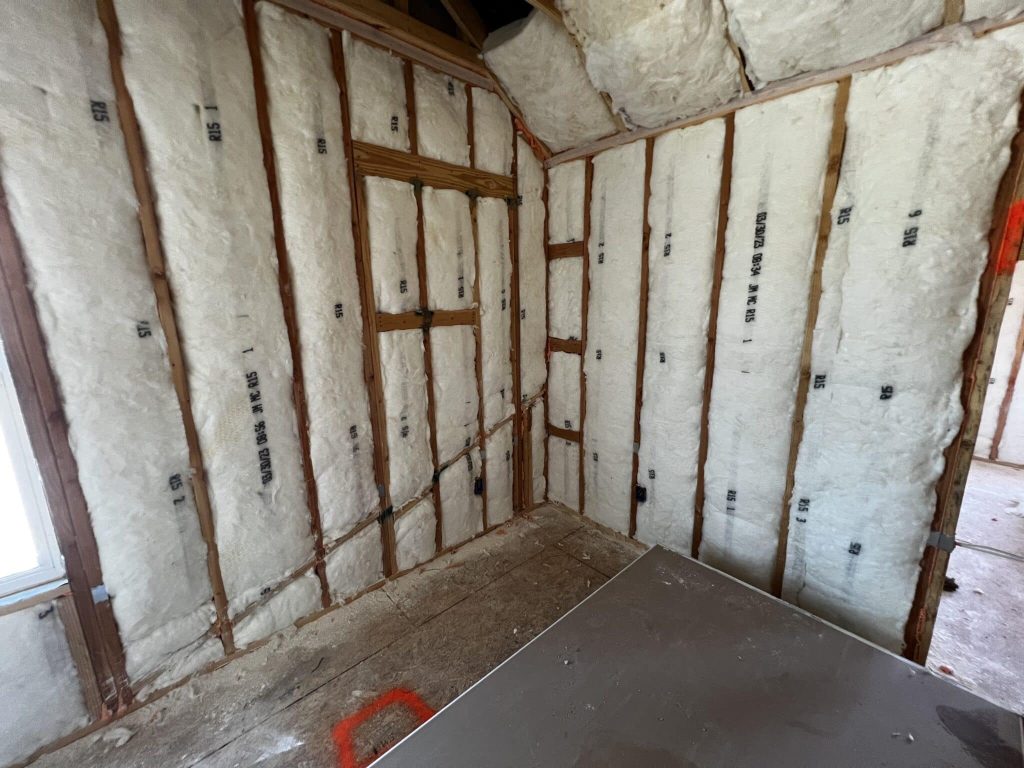
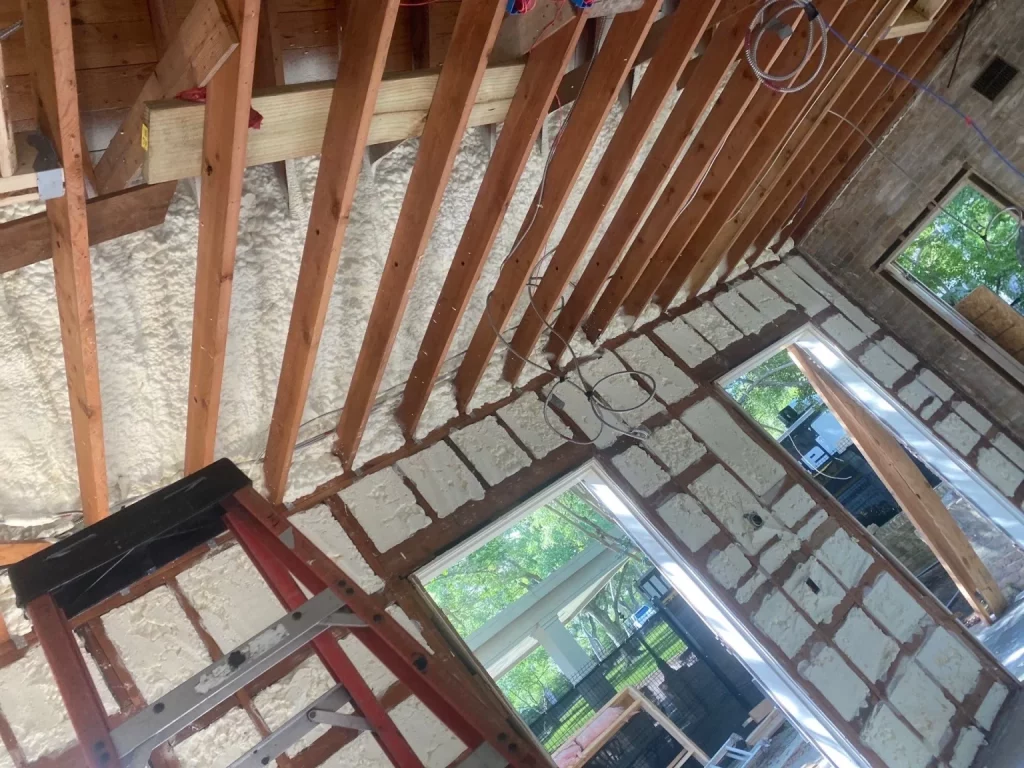
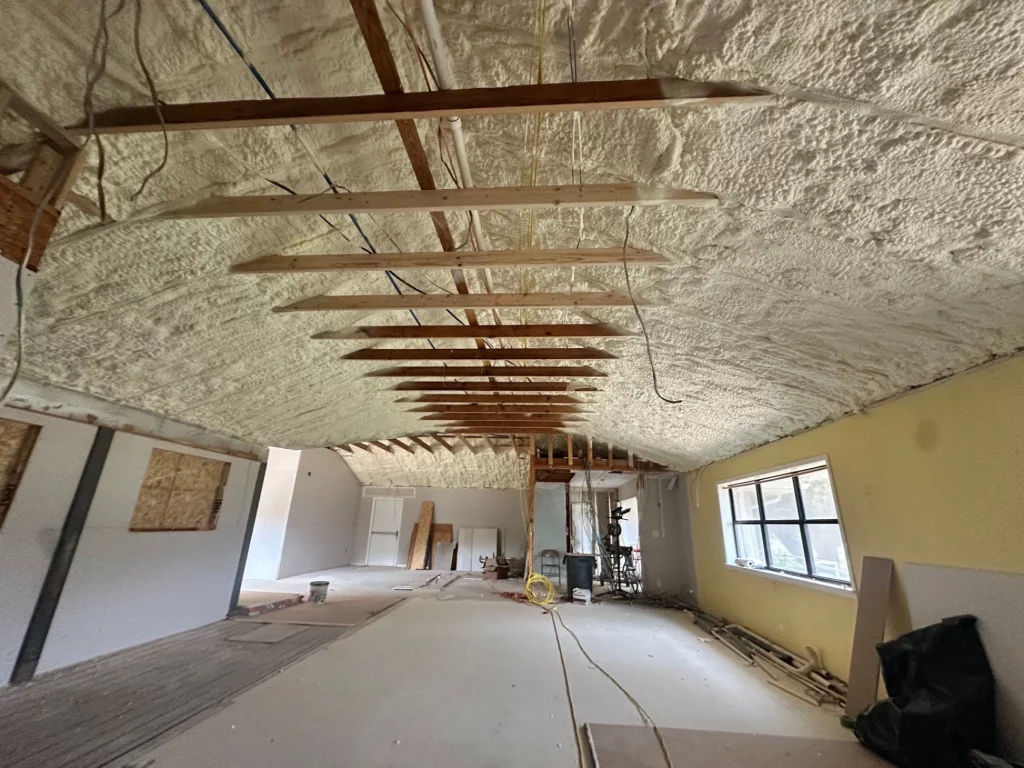
Once the space is clean, dry, and the moisture source has been controlled, we install fresh insulation appropriate to the application. In crawlspaces, Building Science Corporation recommends insulating perimeter walls with foam-based materials rather than insulating between floor joists, since perimeter-insulated crawlspaces stay warmer and drier. In attics, blown-in fiberglass or cellulose provides consistent coverage without the gaps and compression issues common with batts.
Preventing Future Insulation Contamination
Once the insulation has been removed and replaced, keeping it clean requires ongoing attention to moisture and pest control.
- Control humidity: The EPA recommends keeping indoor humidity below 60 percent, ideally between 30 and 50 percent, to prevent mold growth. In Blanco’s humid climate, a properly sized air conditioning system and dehumidification in problem areas help maintain safe moisture levels.
- Seal air leaks: Gaps around recessed lights, plumbing vents, chimney chases, and duct penetrations allow humid air to enter the attic, where it condenses on insulation and framing. Air sealing these penetrations is one of the most effective ways to keep attic insulation dry.
- Convert vented crawlspaces: Research from Building Science Corporation has shown that traditional vented crawlspaces with fiberglass batts between floor joists almost universally develop condensation, mold, and wood rot. Converting to a conditioned, sealed crawlspace with perimeter insulation and a ground vapor barrier eliminates the moisture problems that destroy insulation.
- Exclude rodents: Seal all gaps larger than a quarter inch around the roofline, foundation vents, and utility penetrations. Trim tree branches away from the roof. Store items in the attic in sealed containers rather than cardboard boxes, which attract nesting rodents.
- Schedule regular inspections: Checking the attic and crawlspace once or twice a year allows early detection of moisture issues, pest activity, or insulation displacement before the problems become extensive and expensive to address.
Get Your Blanco Home’s Insulation Assessed
If you suspect your attic or crawlspace insulation is contaminated, acting quickly protects both your health and your home’s structural integrity. Our team at Stellrr Insulation & Spray Foam provides thorough insulation assessments across Blanco, TX, identifying contamination, moisture damage, and pest activity with clear recommendations for safe removal and replacement. We follow EPA and CDC protocols on every job to ensure the work is done right.
Call us at 512-520-0044 or email info@stellrr.com to get started. The sooner we identify the problem, the less damage it does to your home and the air your family breathes every day.
Frequently Asked Questions
How do I know if my attic insulation has mold or just dust?
Look for discoloration that goes beyond surface grime. Mold appears as patches or clusters of black, green, white, or gray growth. If you notice a persistent musty smell that gets stronger on humid days, that is a strong sign of mold in insulation. Dust alone does not produce odor or grow in clustered patches.
Is it safe to remove rodent-contaminated insulation myself?
The CDC advises against vacuuming or sweeping rodent droppings and nesting materials because this releases airborne particles that may carry hantavirus. For anything beyond minor contamination, professional removal with HEPA filtration and proper respiratory protection is the safer choice.
Does soiled insulation still provide any thermal benefit?
When fiberglass insulation becomes saturated with water or compressed by weight, it loses most of its R-value because the air pockets that resist heat flow are replaced by water or collapsed material. Moldy or rodent-contaminated insulation also poses air quality risks that outweigh any remaining thermal performance.
How long does professional insulation removal take?
A typical attic insulation removal in a Blanco home takes one to two days depending on the square footage, insulation type, and level of contamination. Crawlspaces with significant rodent or mold damage may take an additional day for thorough cleaning and sanitization.
Should I test my insulation for asbestos before removal?
If your Blanco home was built before 1990 and contains pebble-like, pour-in insulation that resembles lightweight gravel, it may be vermiculite. The EPA recommends treating all vermiculite as if it contains asbestos and hiring a certified professional for testing and removal rather than disturbing it yourself.
Sources
- EPA – Protect Your Family from Asbestos-Contaminated Vermiculite Insulation – EPA guidance on identifying vermiculite insulation, understanding asbestos contamination risks, and recommendations for professional removal versus leaving the material undisturbed.
- CDC – How to Clean Up After Rodents – Step-by-step CDC instructions for safe cleanup of rodent urine, droppings, and nesting materials in homes and buildings, including PPE requirements and disinfection procedures.
- CDC – Hantavirus Prevention – CDC information on hantavirus exposure risks, who is most vulnerable, and prevention strategies for homes with rodent infestations.
- EPA – A Brief Guide to Mold, Moisture and Your Home – EPA recommendations for mold cleanup, moisture control, health effects of mold exposure, and when to discard moldy porous materials like insulation.
- Building Science Corporation – BSI-115: Crawlspaces, Either In or Out – Building science research explaining why vented crawlspaces with fiberglass batts fail due to condensation and mold, and the case for conditioned crawlspaces with perimeter insulation.